The rise of 3D printed houses: Casa Grande leads the architectural revolution
Located in the heart of Arizona, Casa Grande is becoming the impossible center of a complete transformation in our so-called home. Forget the traditional wood frame and masonry crew; the giant robot arms precisely put down the concrete layer, "print" The entire wall, foundation and structure layer by layer in a few days. This innovative approach – additive manufacturing on building scale – promises to address some of the most pressing challenges in housing: affordability, speed, labor shortages and sustainability. Casa Grande’s embrace of this technology is more than a novelty. This is a glimpse into the potential future of global construction.
Casa Grande: Future Test Floor
Arizona’s rapid population growth and soaring temperatures create unique demands for housing – demanding faster, more resilient and potentially more energy-efficient solutions. Casa Grande became a key proof. High-profile projects such as those pioneered by companies such as Peri Group and local developers have attracted attention. A landmark project saw the walls of a house of over 1,800 square feet, printed within 24 hours of machine operation, a fraction of the time required to use conventional methods. These are more than experimental prototypes; they are tangible homes that meet real housing needs, affected by strict Arizona building regulations and a strong desert climate.
Unlocking technology: How architectural printing works
The core of building 3D printing (C3DP) is an extension of the principles of smaller scale 3D printing and expanding on an industrial scale:
- Digital Blueprint: Architects and engineers use complex CAD software to design structures to create precise digital 3D models.
- printer: Huge robotic arm or gantry system, installed on site, used as a printer. These are bigger and more robust than the counterparts of the desktop.
- this "ink": A specially formulated fast fixing concrete mixture was used. These carefully designed materials ensure structural integrity, layer adhesion, pumpability, and often include additives that enhance properties such as insulation or durability in harsh environments such as Arizona heat.
- Layer-by-layer deposition: Following the digital blueprint, the printer nozzles extrude the concrete mixture into precise layers to build the structure from scratch. Complex curves, internal channels of utilities and unique architectural features become easier to achieve than traditional formation methods.
- Human Cooperation: While automation is key, human workers are on the setup, monitoring, reinforcement placement (can be integrated during printing), install windows/doors/roofs after printing, and finishing.
Why Casa Grande? Driving benefits
The adoption of Casa Grande emphasizes compelling advantages that make C3DP attractive, especially in a rapidly growing market:
- Unrivaled speed: The time to enclosed structures and achieve a weather-tight enclosure is dramatically reduced. Print core elements in a few days instead of cutting the overall project schedule in a few weeks.
- Reduce cost potential: Although large printers are expensive upfront costs, the labor force accounts for the majority of traditional construction budgets. C3DP greatly reduces labor requirements, especially for structural shells, and minimizes expensive template waste. This is expected to be more affordable as time goes by.
- Free design: Architects are no longer limited by the limitations of standard formwork. Complex organic shapes are optimized in terms of structural efficiency and energy performance, and are economically feasible.
- Reduce waste: Precise material deposition significantly minimizes construction waste compared to traditional methods, consistent with growing environmental awareness (although the environmental impact of cement production remains a consideration in itself).
- Enhanced elasticity: Dense concrete structures often exhibit resistance to fire and extreme weather events, a major consideration in Arizona.
- Solve labor shortage: The construction industry faces a chronic labor shortage. C3DP provides a pathway to enhance housing output and provide a smaller on-site workforce.
Challenge challenges and overcome obstacles
Despite commitments, widespread C3DP adoption faces obstacles Casa Grande is helping overcome:
- Building Regulations and Permits: The regulations have not yet fully caught up. Casa Grande’s groundbreaking project involves close collaboration with local officials, helping to establish precedents and security protocols.
- Materials Science: Optimized, partially sourced concrete mixtures are being developed that can be reliably cured between layers, meeting structural requirements and withstand thermal expansion/shrinkage. Durability testing is still underway for decades.
- Scalability and infrastructure: From single-family homes to multi-level or quality scale housing requires a larger mechanical and refined process.
- Skill transfer: A new workforce skilled in operating and maintaining large-scale robotic systems is required and an understanding of an optimized printing workflow is required.
- Public opinion: Overcoming doubts about the safety, durability and aesthetics of a printed house is crucial. Casa Grande’s realistic demonstration project plays a crucial role here.
Precision Engineering: The Key Role of Metal Prototyping in the Future of Architecture
The innovations seen in Casa Grande depend heavily on advancements in engineering and materials – a core advantage in a wider 3D printing landscape. When concrete prints build walls, the machine itself, custom fixtures, structural connectors, pipe/electrical interfaces, and even complex formwork elements often require high-precision metal components.
This is a professional place Rapid Prototyping Manufacturer Become instrumental. The company likes it Great This expertise is reflected. Although not the builders themselves, they address the key engineering challenges of foundational large-scale innovations, such as architectural printing. how?
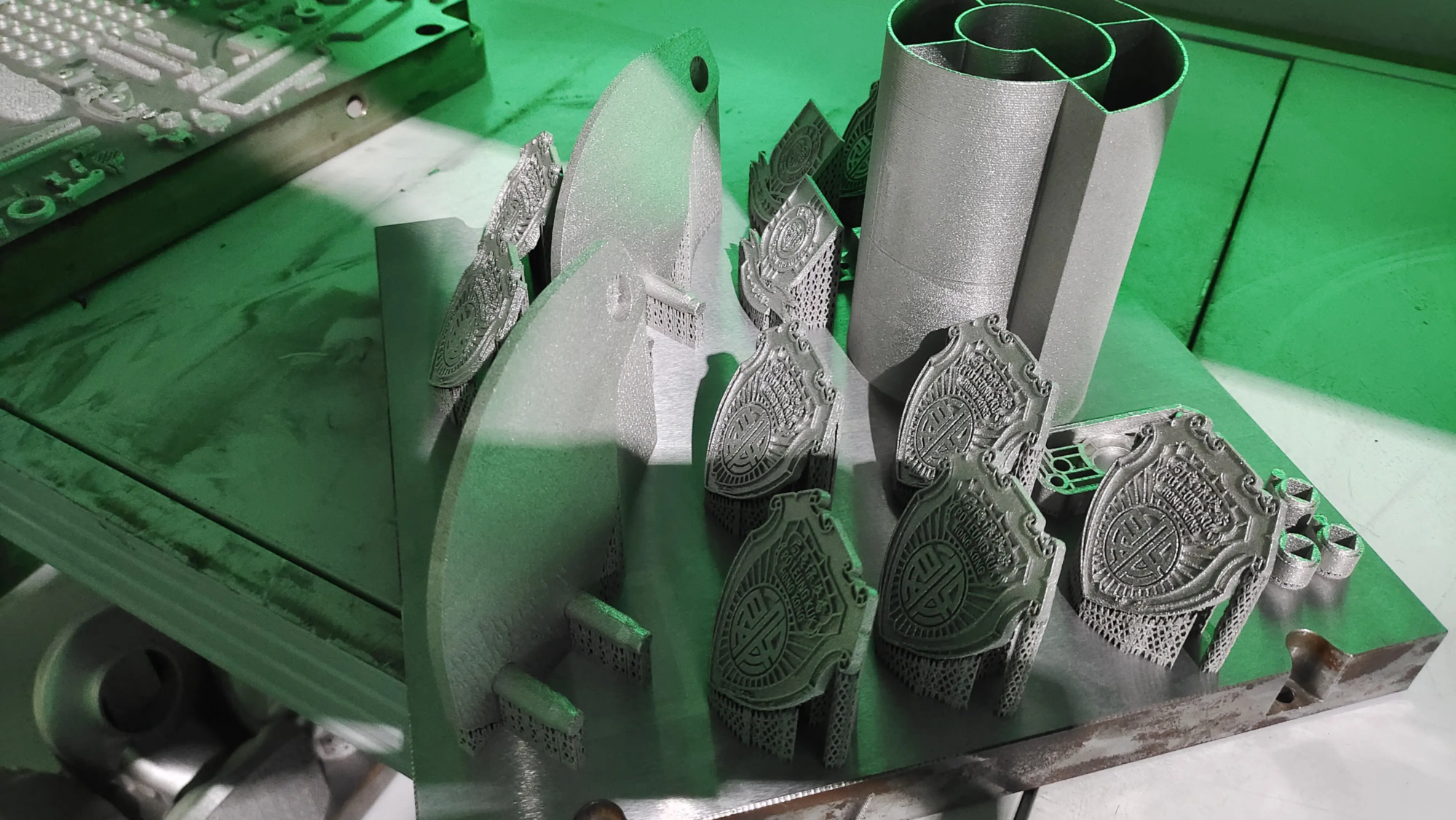
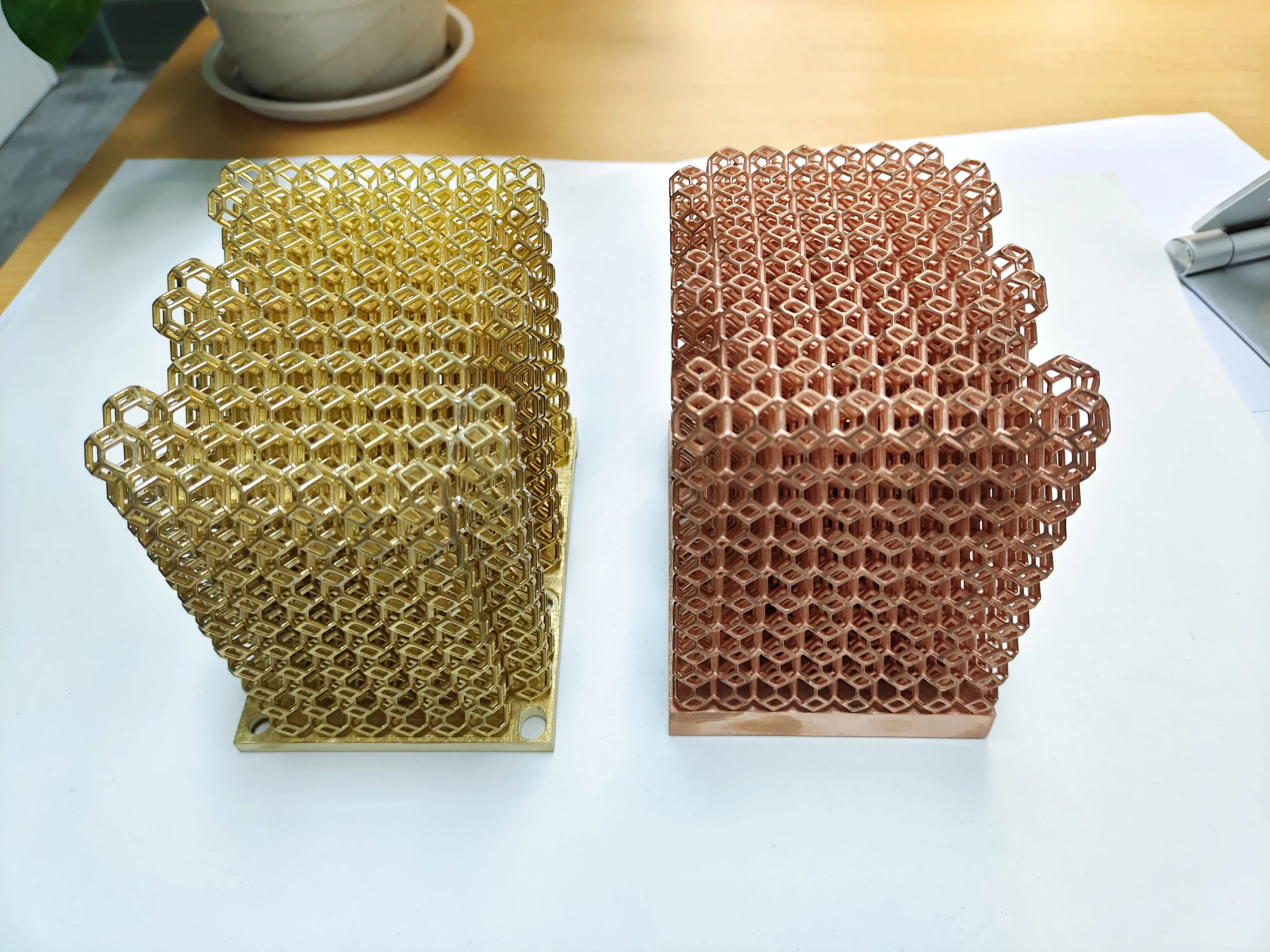
- Advanced SLM technology: Greglight utilizes complex metal powder bed fusion (particularly selective laser melting-SLM) to generate complex, high-precision metal parts directly from CAD models. Think of custom robotic arm tool heads, dedicated nozzles optimized for concrete flow, or lightweight structural brackets integrated into key fittings.
- Quickly solve the problem: Facing unique structural challenges or needing customized integrations? Greatlight’s rapid prototyping expertise enables rapid design, iteration and production of customized metal components – critical to accelerating the development cycle in projects such as Casa Grande.
- Material expertise: From durable stainless steel and harsh environments to lightweight aluminum alloys, Greatlight can be used with a wide range of materials, tailoring solutions to meet specific functional needs.
- End-to-end service: In addition to printing, Greatlight offers a comprehensive post-treatment (heat treatment, precision machining, surface finishing) to ensure prototype and functional end-use parts meet the exact specifications.
- Accelerate innovation: By quickly providing reliable custom metal components, companies like Greatlight Empower Engineers have designed next-generation building printers and integrated systems that directly contribute to the development of the Casa Grande industry. Greatlight offers professional solutions for complex, geometrically complex metal prototypes and parts that are critical to breaking boundaries such as 3D printed houses. [Explore how GreatLight can solve your precision rapid prototyping needs.]
Casa Grande Legacy: More than just a house
The rise of 3D printed houses in Casa Grande is more than just a local phenomenon. It represents an important step in validating the destructive technology that can reshape the global housing sector. By addressing real-world challenges positively – speed, cost, labor, resilience – these projects provide valuable data and proof of concept. Casa Grande shows that this technology is not science fiction. This is a viable way to build the future, one layer.
in conclusion
The concrete robot working in Casa Grande not only etches the house. They are building a blueprint to provide a more effective, adaptable and potentially sustainable architectural future. From regulatory barriers to material optimization, the challenges are real, but undeniable. As technology matures, costs are reduced and public acceptance grows, methods pioneered in cities such as Casa Grande may become mainstream. The revolution is not only provided by giant printers, but is powered by a wider ecosystem of advanced manufacturing and rapid prototypes, as demonstrated by Precision engineering partners, such as Greatlight, which makes such ambitious innovation possible. The walls in the Arizona desert are a testament to human creativity and the tangible potential to turn digital dreams into lasting, affordable reality for communities around the world.
FAQ (FAQ)
-
What exactly is a 3D printed house?
A 3D printed house uses automation technology, usually a large robotic arm or gantry system, to build major structural components such as walls and foundations. It extrudes a layer of specially formulated concrete mixture based on digital blueprints to create the core "shell" house. Traditionally, windows, doors, roofs and interior finishes are installed.
-
How long does it take to print a 3D house?
Print Structural shell (Excluding foundation preparation, setup, roof and interior finishes) can be very fast – it usually takes less than 48 hours of machine operation to perform a typical single-family home. but, The entire project From the start to the move, it takes an additional few weeks or months depending on size, complexity, on-site work and completion. It is much faster than traditional frames and masonry, but not instantaneous.
-
Are 3D printed houses safe and durable as traditional houses?
Absolutely. When using approved engineering materials according to building regulations (which are constantly evolving to accommodate this technology), 3D printed concrete homes are designed to be equally safe and durable in some ways, or even more durable. Dense, usually integral concrete structures have excellent fire resistance, weather elasticity and structural strength. They must undergo rigorous engineering and inspections.
-
What are the environmental impacts? Are they sustainable?
Here is a mixed picture with great potential:
- advantage: Significantly reduces construction waste, provides optimal material use (less concrete/formatted), allows designs to increase energy efficiency (thicker walls, passive solar), and can incorporate recycled materials into concrete.
- shortcoming: Cement production, a key concrete component, is carbon-intensive. Ongoing research focuses on developing low carbon "Concrete" (Use fly ash, slag) and explore alternative printable materials. Their speed and reduced waste are important environmental advantages, but solving the carbon footprint of cement is critical for long-term sustainability.
-
Can I use 3D printed custom designs for a house?
Yes! Design freedom is one of the most exciting aspects. Although many early projects have specific layouts, the technology excels in creating curves, arches and unique shapes that will be too high or difficult using traditional methods. You can print a truly custom architectural design. However, extreme complexity still affects cost and time.
- What is the role of companies like Greatlight in this industry?
While companies like Greatlight don’t build 3D printed houses directly, their expertise is the foundation of the ecosystem. Their advanced metal 3D printing capabilities (using processes like SLM) can be quickly created and tested High precision, customized metal components It is crucial for this field. These include: specialized parts for the construction printer itself, unique structural connectors, custom fixtures, tools and even building metal elements. Their rapid prototyping services accelerate innovation by allowing engineers to iterate quickly and create complex metal prototypes, which is crucial to advancing machinery, materials and integration technologies, making printing in large buildings possible.