introduce
Keeping your Raspberry Pi 3 in a protective case is not only practical, it’s also important. Exposed circuit boards present the risk of dust accumulation, accidental short circuits, and physical damage. While the business case exists, DIY 3D printed enclosures offer unparalleled customization, cost savings and a rewarding hands-on experience. Whether you’re an IoT device prototyping enthusiast or a developer deploying compact computing solutions, building your own enclosure ensures flawless fit and customized functionality. Here’s how to use 3D printing to create a reliable Raspberry Pi 3 case, with an in-depth look at design nuances, material science, and specialty alternatives.
Design philosophy: balance of form and function
Effective enclosed spaces prioritize three pillars: accessibility, cool downand Durability. Start with a CAD model – using free tools like Tinkercad or Fusion 360 – or download open source templates from repositories like Thingiverse. Key design considerations:
- Port access: Precisely sized cutouts for USB, HDMI, Ethernet and power ports.
- ventilation: Strategic mesh patterns or side vents prevent overheating; The Raspberry Pi 3’s SoC throttles at 85°C, reducing performance.
- mounting point: Includes screw holes (M2.5 size) for fixing PCB or connecting external accessories.
- Layered assembly: Divide the case into base and cover parts for easy installation.
Material selection: plastic vs. metal
Material selection depends on project requirements:
- PLA (polylactic acid):
- advantage: Easy to print, low warpage, environmentally friendly (corn starch based). Ideal for decorative or lightweight enclosures.
- shortcoming: Will degrade above 60°C; avoid near heat sources.
- PETG (polyethylene terephthalate):
- advantage: Higher temperature resistance (up to 75°C), impact resistance, water resistance. Great for functional prototypes.
- ABS (acrylonitrile butadiene styrene):
- advantage: Durable and heat-resistant (withstands 80–100°C).
- shortcoming: The print bed and enclosed chamber need to be heated to prevent warping.
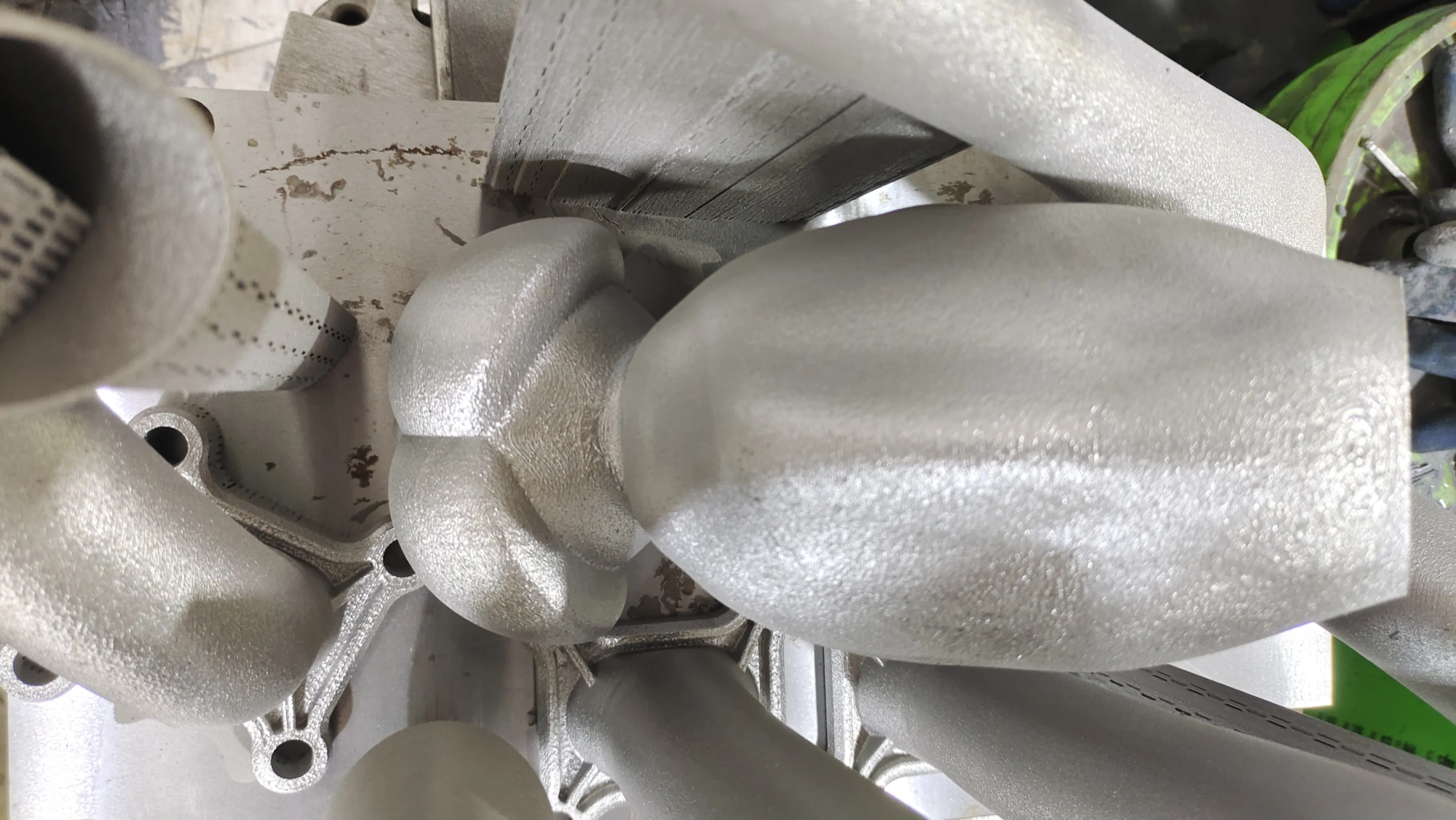
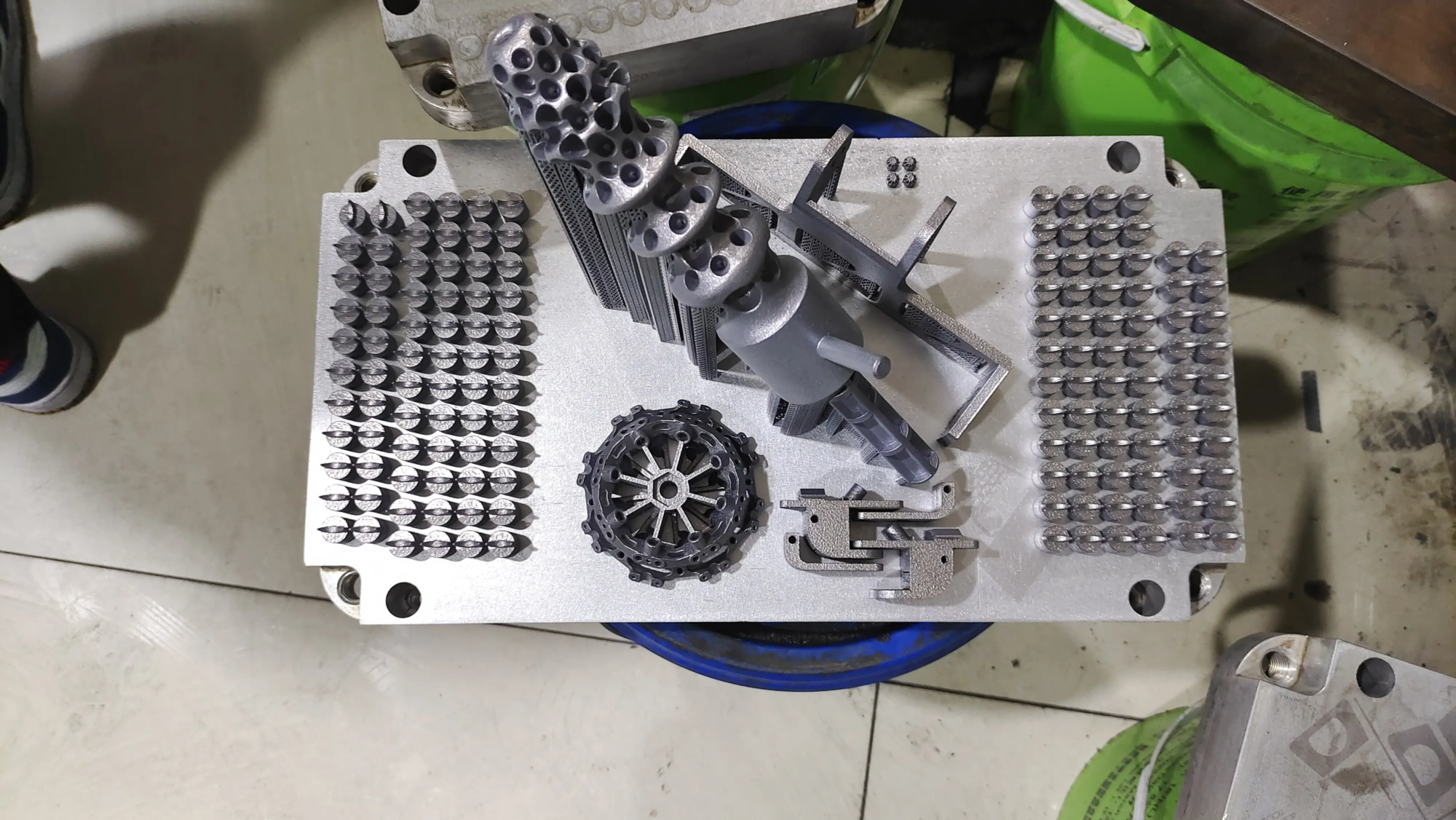
For professional or industrial applications (e.g. factory automation), metal casing Excellent in EMI shielding and ruggedness. This is a place with similar services huge light Shine – Utilize SLM (Selective Laser Melting) printers to create aluminum or stainless steel enclosures with close-tolerance heat sinks and threaded inserts.
Step-by-step printing guide
- Prepare your model:
- Use Cura or PrusaSlicer to slice STL files. Set the layer height to 0.2mm for detail and 0.3mm for faster printing.
- Optimize settings:
- filling: 15–25% (hexagonal pattern balances strength/weight).
- support: Enabled for overhang >45°.
- adhesion: Edges prevent warping; glue stick helps PLA/PETG bed grip.
- Print:
- Prioritize flat surfaces facing downwards to minimize the use of supports.
- Monitor first layer adhesion – critical for dimensional accuracy.
- Post-processing:
- Sand rough edges (start with 200-grit sand and finish with 600-grit sand).
- To get a metallic aesthetic without the cost of metal, use spray primer and conductive paint.
Why professional prototyping can complement DIY
While DIY printing is fine for prototyping, real-world deployment requires robustness. huge lightthe leader in rapid prototyping, bridges this gap with industrial-grade solutions:
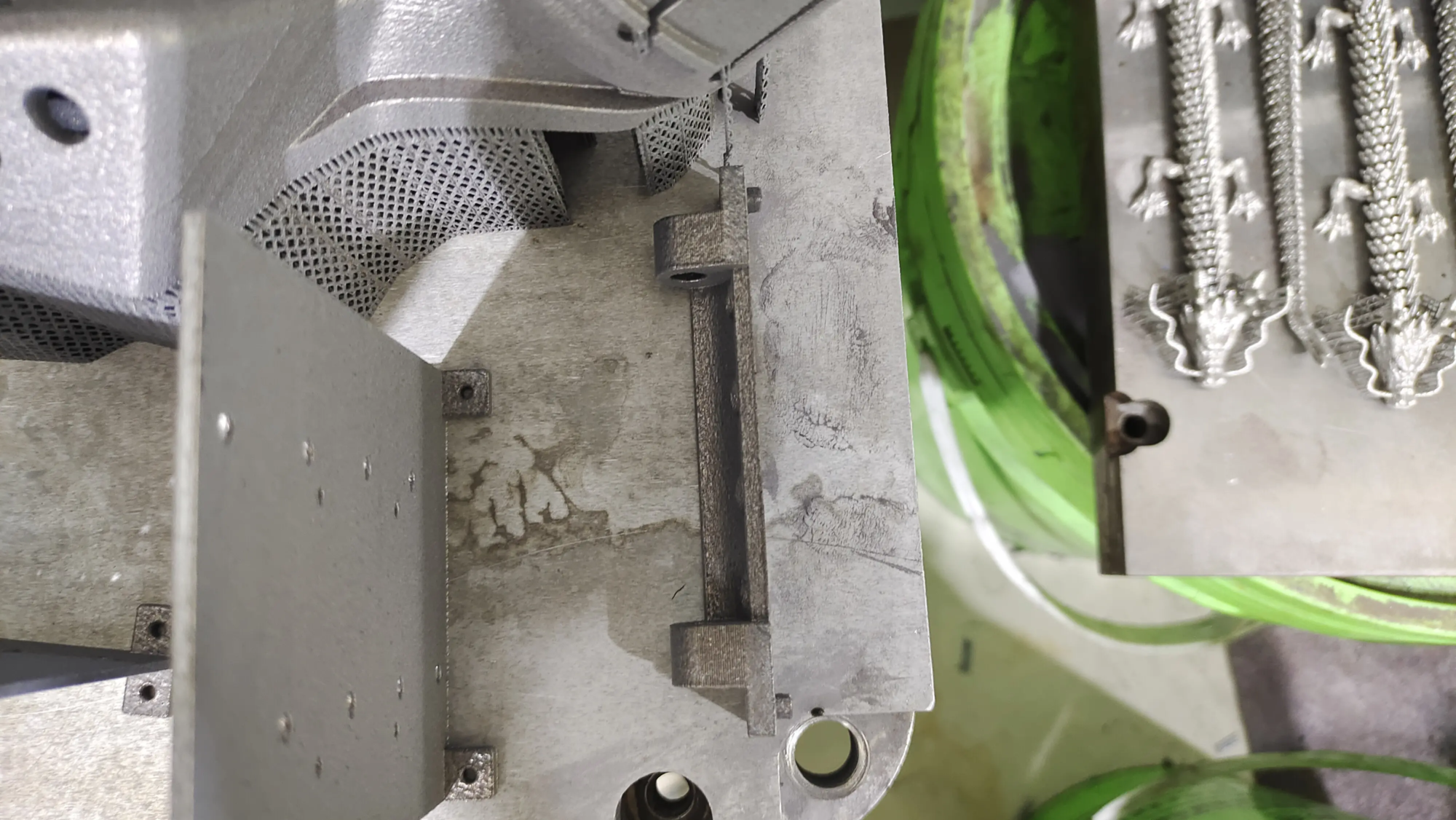
- SLM 3D printing: Create complex geometric shapes from metals such as titanium or Inconel.
- Excellent post-processing: CNC machined, shot blasted and powder coated for an unparalleled surface finish.
- speed to market: Custom metal enclosures can be delivered within 5-7 days, ideal for expanding commercial projects.
Whether you need a heat-dissipating aluminum enclosure for a desert drone or an EMI-shielding chassis for medical equipment, professional service ensures reliability that DIY plastic can’t match.
in conclusion
3D print your Raspberry Pi 3 case to unleash creativity while protecting your hardware. From hobbyists iterating designs in PLA to engineers stress-testing PETG prototypes, this approach blends frugality with personalization. However, when your application requires thermal resiliency, EMI compliance, or industrial durability, metal options from rapid prototyping experts like GreatLight provide a higher level of performance. As your projects move from the lab to the real world, embrace the agility of DIY but work with professionals.
FAQ
Q1: Can the shell be printed without a 3D printer?
Yes! Online services like CraftCloud offer on-demand printing of plastic or metal. For mass production or precision metal products, GreatLight provides end-to-end manufacturing from prototyping to finishing.
Q2: How to prevent the sealed 3D printed shell from overheating?
Integrated vents or fan mounts. If passive cooling is insufficient, embed a heat sink on the SoC. The metal casing helps dissipate heat – the GreatLight’s aluminum design excels in this regard.
Question 3: Are printed enclosures safe for electronic products?
Non-conductive plastics (PLA/PETG) are electrically safe, but foam that can easily generate static electricity should be avoided nearby. The metal housing needs to be grounded; GreatLight can integrate a grounding point upon request.
Question 4: How do I ensure the port cutouts are properly aligned?
Use calipers to measure the Pi port and double check the digital model. Prototyping services like GreatLight use a coordinate measuring machine (CMM) to verify dimensions with test prints.
Q5: Can I upgrade to a metal Pi case in the future?
Absolutely – GreatLight reverse-engineers existing designs into a metal-ready format. Customers maintain continuity between plastic prototypes and production-scale metal parts.
Question 6: Which file formats are suitable for prototyping?
Submit .STEP or .IGES files for manufacturability analysis. GreatLight’s engineering team verified the printability of these materials and made recommendations for mass production optimization.
Q7: How much does the metal Raspberry Pi case cost?
Aluminum models start at about $35 to $75 and expand with increasing complexity. Volume discounts apply to bulk orders.
Q8: What metal is suitable for the Raspberry Pi case?
- aluminum: Lightweight, corrosion-resistant, conductive.
- Stainless steel: Rugged and antibacterial (ideal for medical/industrial use).
Unleash the potential of your Raspberry Pi – build a DIY case today, or explore premium metal solutions with a pioneer in rapid prototyping huge light. Request a custom quote for high-volume parts at competitive prices.