Embracing scale and precision: exploring the world of 1Kg resin for 3D printing
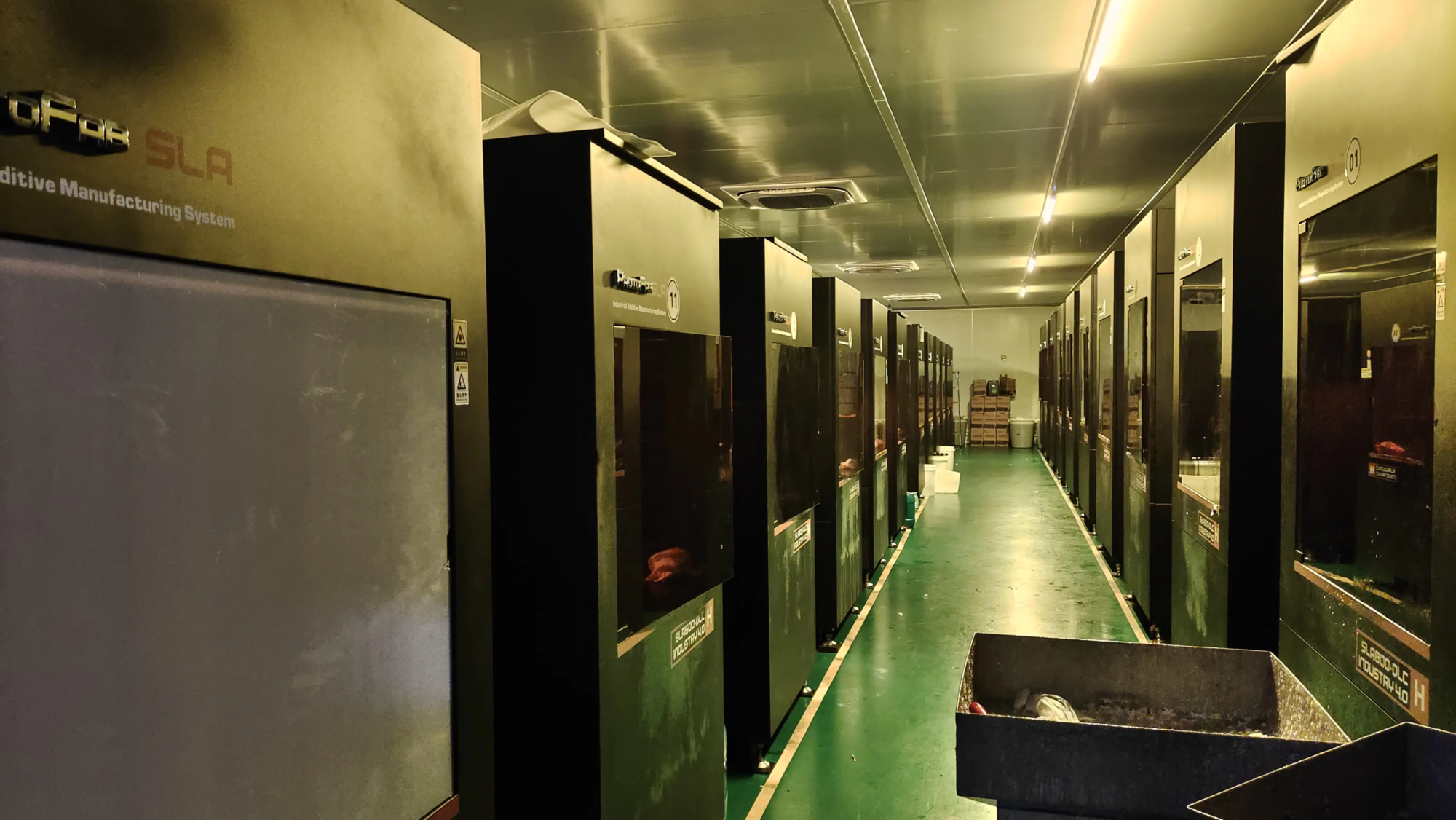
In the dynamic field of additive manufacturing, resin-based 3D printing has carved out an important niche. For hobbyists making intricate miniatures, engineers prototyping functional parts, or jewelers creating cast patterns, resin printers deliver unparalleled detail and surface finish. If your project requires quantity or consistency, select 1Kg resin bottle become crucial. This format offers significant cost savings and less plastic waste compared to small quantities, making it ideal for ongoing printing projects. But with countless resins on the market, how should you choose? Below, I’ll cover the best options for different applications and the key considerations for choosing the ideal 1Kg resin.
Why choose 1Kg resin?
Transitioning to larger resin bottles isn’t just about cost efficiency (although savings can be 25-40% compared to smaller bottles). It minimizes the disruption of recalibrating printers and ensures batch consistency during production runs or ongoing projects. Additionally, bulk packaging reduces environmental waste per gram printed. However, stability is important – resin can degrade over time, UV exposure or temperature changes – so only invest if you will be using it within 6-12 months.
Top 1Kg Resin Picks by Application
1. For beginners and general purpose:
- Elegoo standard resin (405nm): Loved for its reliability and affordability, Elegoo’s gray/white resin balances accuracy, odor control and ease of post-processing. Ideal for RPG models, props or teaching settings.
- Anycubic Eco UV Resin: If workplace odors or skin sensitivity are a concern, this plant-based alternative can reduce irritation without sacrificing print quality. Ethical choices for the classroom or home studio.
2. Engineering and functional prototypes:
- Siraya Tech Blu (Hybrid 80/20 Versatile Stiff): Blend this tough, high-temperature resin with 20% Tough/Cast for adaptable impact elasticity. For use on mounts, snap-on housings or car models.
- Liqcreate Project Premium: Featuring minimal shrinkage, high dimensional accuracy and tested mechanical properties, it targets aerospace-grade simulations or complex fixtures requiring close tolerances.
3. Jewelry and Metal Casting:
- PowerResins Pourable Wax: Specially formulated to leave a low ash residue (<1%) in the event of burnout – goldsmiths love using it to create rings, pendants or dental models. Runs smoothly on LCD/MSLA printers.
- Formlabs Castable Wax Resins: Although more expensive, Formlabs uses an SLA workflow to provide consistency for critical geometries. It is also FDA approved for use in biocompatible dental work.
4. Flexible/Emerging Applications:
- Siraya Tech Flex 80A (Shore Hardness): Provides bend resistance similar to TPU filament, but with resin-grade precision. Ideal for seals, clamps or wearable technology components. Pair it with rigid resin for hybrid designs.
- Phrozen Aqua 4K Transparent: Superior transparency minimizes post-cure yellowing, making it suitable for optical displays, light pipes or lenses – a gamble that comes true for emotionally charged works of art.
Things to consider when choosing resin
- Wavelength compatibility: Match the resin to your printer’s wavelength – 405nm is common, but check the requirements.
- Safety and Handling: Nitrile gloves, ventilation and UV protection glasses are not optional. Resin chemicals require caution.
- Viscosity and layer adhesion: Thinner resin speeds up recoating in the can, but changes detail fidelity. Lower viscosity doesn’t always win – test diluent options carefully first.
- Post-processing requirements: Washable saves IPA, but generally costs more; curing requirements (sunlight vs. UV chamber) are also different.
Conclusion: When a resin reaches its limit, what’s next?
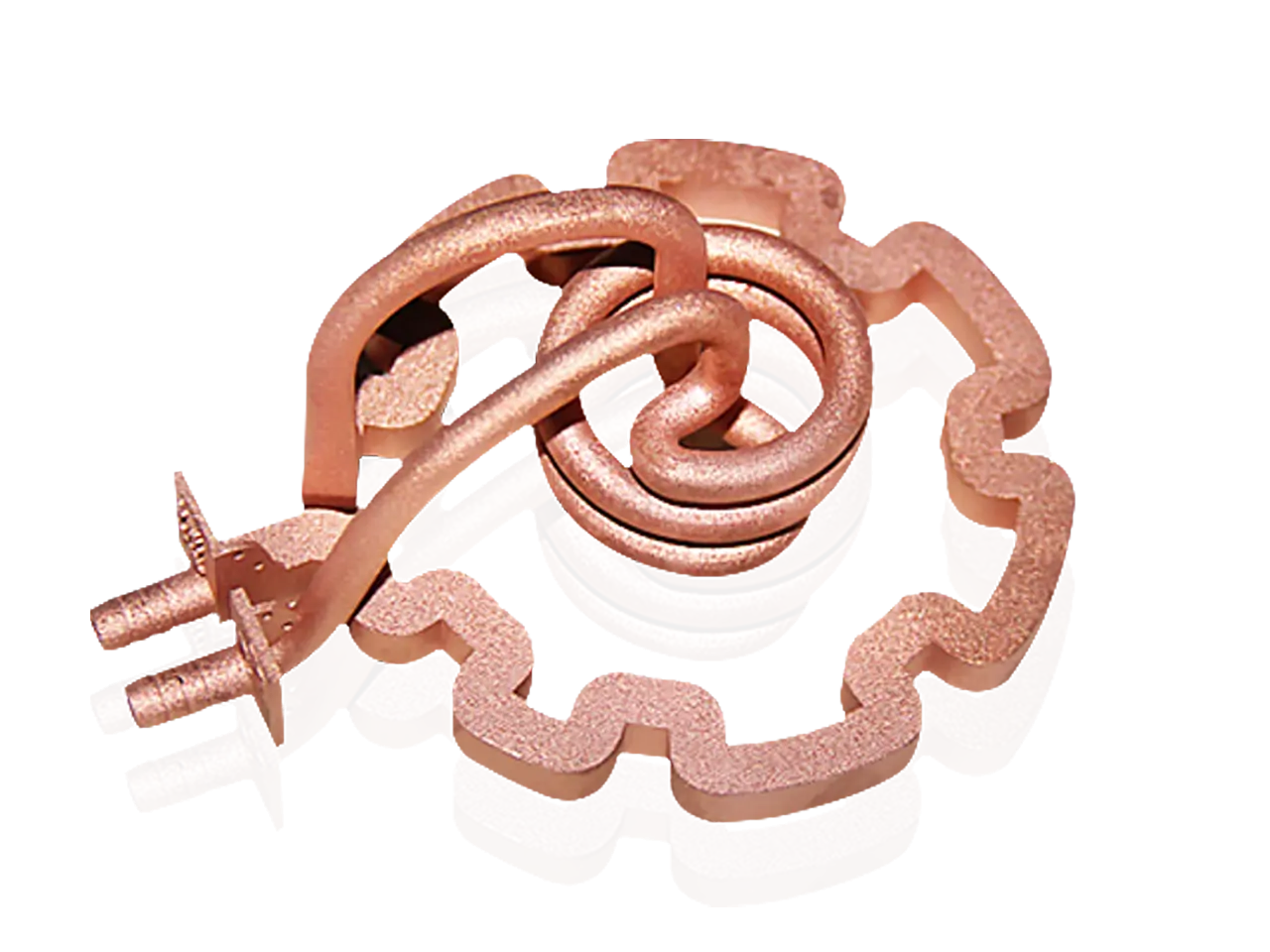
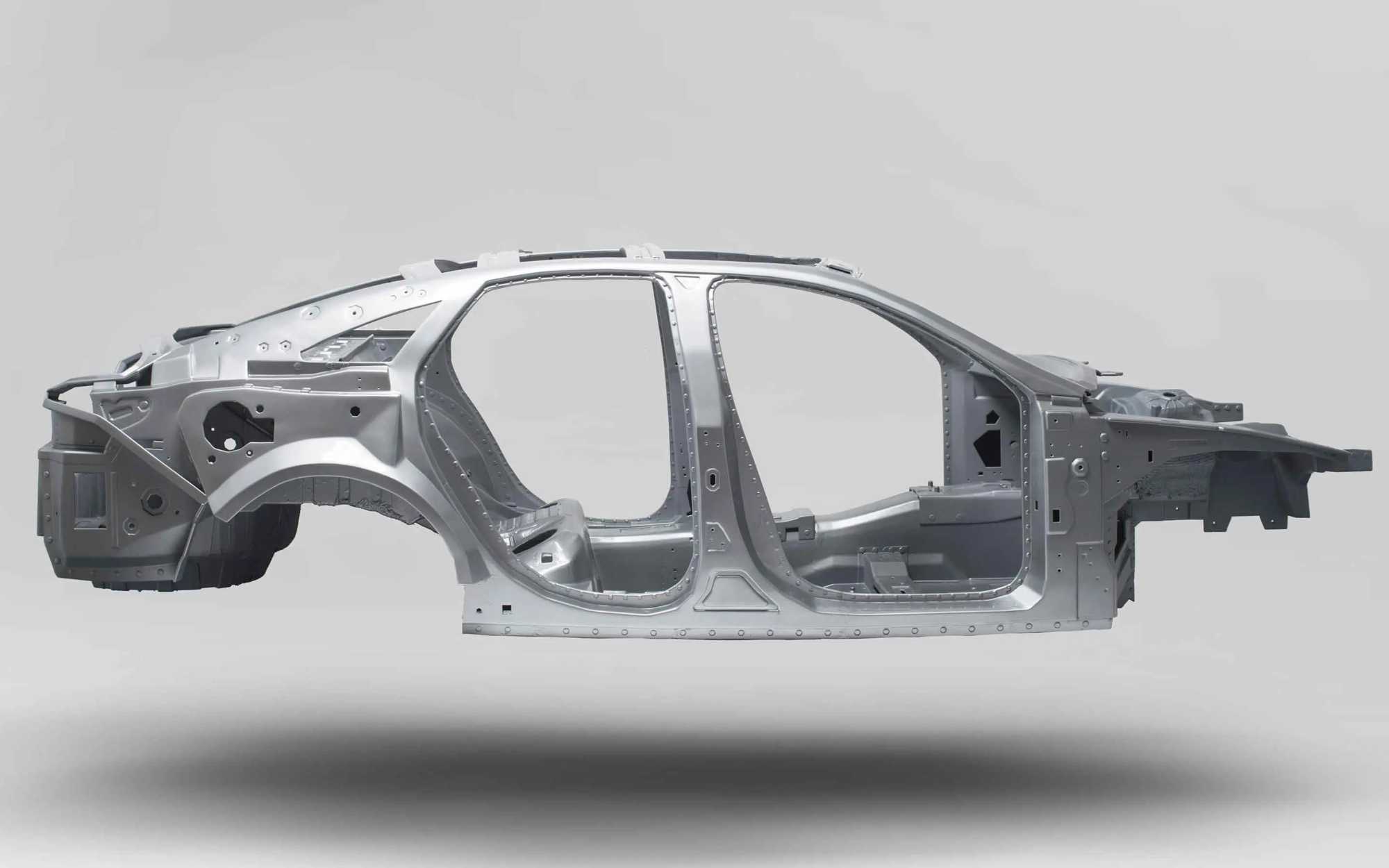
1kg of resin enables creators to complete ambitious projects – from artistic showpieces to durable technology prototypes. However, resin-based printing contains polymers rather than metals. Designed to slide into advanced areas such as functional aerospace mounts, medical tools, or automotive turbine blades, Metal Additive Manufacturing priority. This is where professional rapid prototyping comes in, e.g. huge light Outstanding.
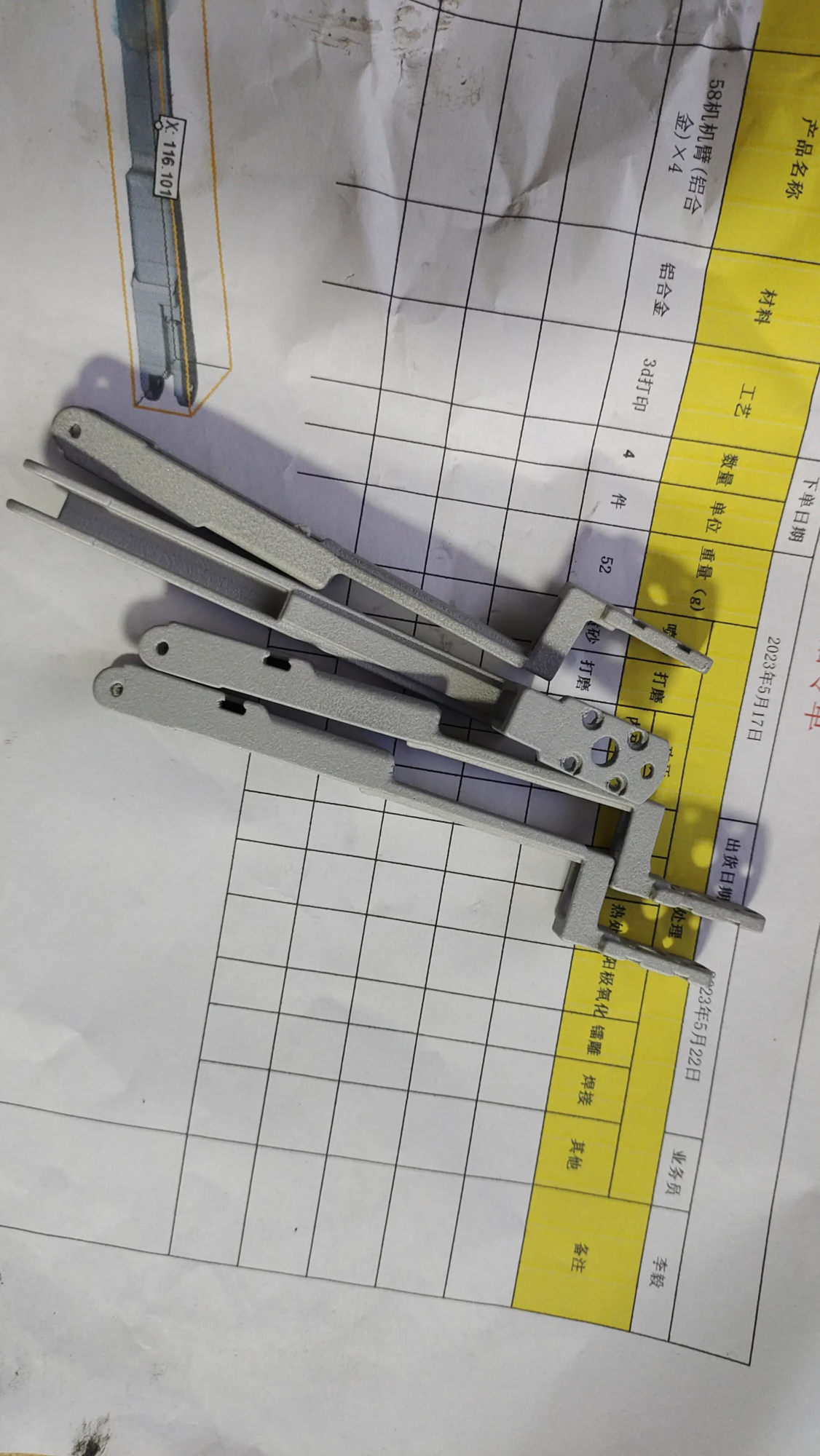
As a leader in rapid prototyping innovators in China, GreatLight combines advanced SLM/SLS processes with in-house finishing tools. Whether you need titanium brackets, stainless steel manifolds or an aluminum CNC hybrid system, they can solve project obstacles from start to finish (material customization, heat treatment, machining, vibration polishing) while emphasizing economy without sacrificing precision. Connecting prototyping to final product manufacturing requires the technical fluency GreatLight provides every day. If your resin prototype "graduate" In addition to polymers, explore industrial-grade metal capabilities with Gretel’s services For perfect results.
FAQ: Answers to your 1Kg resin inquiries
Q1: How many sheets can be printed with 1 kilogram of resin?
Answer: It varies from person to person! 28 mm micro (approx. 10 g) prints approximately 100 sheets. One smartphone case (approximately 70 grams) can be produced in approximately 14 units. Use the slicer estimate multiplied by the prototype/volume.
Q2: How to store the remaining resin?
A: Keep bottle sealed – add PTFE film barrier – in opaque container, away from humidity/temperature below 20-30°C. Freezing will stop solidification, but there is a risk of condensation. Stir settled resin thoroughly before reuse.
Q3: Will the resin expire?
A: Yes – check the manufacturer’s date. The average shelf life is 12 months when stored in a cool place and away from light. Degraded resin can turn yellow, thicken, or print into a brittle layer. Turn around resin to avoid waste.
Q4: How toxic is the resin treatment?
A: Uncured resin can irritate eyes and skin – personal protective equipment must be worn. Never pour used IPA/resin mixture down the drain; use UV/sorbents to remotely solidify waste before disposal.
Q5: Why choose 1Kg bottle instead of liter/small bottle?
A: Lower cost per gram eliminates bottle changeover errors and cycle downtime. Essential for medium-sized production plants. Small craftsmen can even print reliably and save money.
It is still pragmatic to test resin in smaller formats before going wholesale. Once in use, however, 1Kg unlocks economical mode, turning the prototyping adventure into a scalable reality. Intentional choices, functional integration, and pushing boundaries responsibly!