Unlocking Innovation in the Classroom: A Complete Guide to School 3D Printer Funding in 2024
Integrating 3D printing into K-12 and higher education curricula is no longer just futuristic thinking, but a critical step toward equipping students with essential STEAM skills, cultivating creativity, improving problem-solving skills, and preparing them for careers in engineering, design, manufacturing, and medicine. However, budget constraints often remain a significant obstacle. This is where strategic grant funding comes in. This comprehensive guide details actionable strategies and key resources for securing 3D printer grants in 2024 to turn your educational vision into reality.
Why 3D printing is right for every school:
- Practice STEAM learning: Translate abstract math, physics, and engineering concepts into tangible objects that students can design, iterate, and hold.
- Critical Thinking and Problem Solving: Students are asked to analyze designs, troubleshoot problems and refine solutions – mimicking real-world engineering challenges.
- Creativity and Innovation: Empowering students to move beyond consumption toward creation, designing unique solutions and expressing ideas with their bodies.
- Career Preparation: Directly connect classroom learning to in-demand skills in additive manufacturing, prototyping, CAD design, robotics, and more.
- Engagement and Motivation: Project-based learning using cutting-edge technology excites students and stimulates their interest in technology fields.
Navigating the 2024 funding landscape: Where to find funding
Grants are not one-size-fits-all; targeting the right sources can greatly increase your chances of success.
-
Federal Grant Opportunities:
- Career and Technical Education (CTE) – Perkins V: A major driver of funding for technology equipment, including 3D printers. The focus must be on integrating printers into CTE pathways (Engineering Technology, Manufacturing, Biomedical, Agricultural Technology, etc.). Please contact your state’s CTE Director or Perkins State Grants Administrator.
- Chapter 4 Part A (Student Support and Academic Enrichment – SSAE): Provide flexibility to enhance STEM programs, educational technology, and comprehensive educational opportunities. funds must Support evidence-based programs. A strong rationale for linking the printer to a specific SSAE target is critical.
- U.S. Department of Energy Innovative Approaches to Literacy (IAL): While primarily literacy-focused, the project integrates design thinking and technology skills applied to narrative projects ("Design biomechanical limbs for story characters") may qualify.
- NSF Advancing Informal STEM Learning (AISL)/Innovative Technology Experiences for Students and Teachers (ITEST): Tends to fund the development of broader, more innovative projects that integrate a variety of technologies, including 3D printing, often targeting underserved populations. Extremely competitive.
-
State and local funding sources:
- State Education Department: Many states offer specific STEM/technology grants. Actively search the Department of Energy’s funding opportunities page and sign up for notifications.
- National CTE Grants: Funding is often provided for equipment developed in specific pathways, supplementing Perkins’ funding.
- Regional Education Service Agency (RESA/ESC): Typically administers small-scale grants or professional development funds, which can include hardware such as printers.
- Local Community Foundation: The utilization rate is extremely low! These foundations invest heavily in the success of local schools. Propose a compelling project that impacts student outcomes in your community.
- Local businesses and industry partners: Manufacturers, engineering firms, and technology companies may sponsor printers as part of workforce development programs or community outreach.
-
Private foundations and non-profit organizations:
- Subject-specific foundations: Look for foundations that focus on STEM education, engineering education, or learning innovation (e.g. Lemelson Foundation, Motorola Solutions Foundation types – research carefully).
- Target abilities: Some foundations support developing skills such as design thinking, invention or entrepreneurship, all areas where 3D printing excels.
- Corporate Social Responsibility (CSR) Program: Large companies often have dedicated philanthropic arms focused on education (e.g., Toshiba America Foundation, Lockheed Martin’s STEM grants). Search the Corporate Social Responsibility Database.
- Maker Movement Organization: Groups like Maker Ed may provide resources or connections, but directly funding hardware is less common.
- Manufacturer and Supplier Programs:
- Education discounts and bundles: Deep discounts are standard, but please check directly with the manufacturer/dealer.
- Direct funding programs: Some manufacturers/distributors offer small grants or discount systems through a formal application process (research the specific supplier’s website).
- Borrower/Library Program: Provide teachers with short-term loans to pilot printers before investing money.
Crafting a Winning Grant Proposal: Beyond the Basics
Writing a successful grant requires more than just filling out a form. Here’s what sets the winners apart:
- Conduct a rigorous needs assessment: Don’t just talk about you "Want a printer." Gather data: student interest surveys, skills gap analysis, curriculum gaps lacking hands-on prototyping, shortcomings of current tools.
- Accurately define your target audience: Who benefits? (e.g., Introduction to Engineering Students in Grades 9-12, Middle School Robotics Club). Quantify with numbers whenever possible.
- Clearly define goals and measurable goals: Link directly to STEAM standards or school/district goals.
- Weak target: "Students will learn about 3D printing."
- Firm goal: "Through the Integrated CAD/3DP Project in the Engineering Design Process Unit (PLTW/IED EP), 85% of Year 10 engineering students will demonstrate proficiency in designing functional prototypes to address real design constraints by the end of the semester (as measured by a rubric score >= 85%)."
- Detailed courses and course integration: This is critical. Overview will integrate printed specific units, existing courses/modules. Provide a sample project introduction. prove they are not "Toy" But a teaching tool. Mention PD plans for teachers.
- Outline measurable outcomes and assessments: what would you do prove success? Standards progress? Pre/post design challenge assessment? Portfolio artifact? Are students interested in STEM pathways? Graduate track?
- Develop a comprehensive budget and sustainability plan:
- hardware: Specify printer model/type (FDM for generalists? Resin for fine details? Need metal prototyping? See below!). Includes necessary accessories: Spare nozzle, filament sensor, air filter (for resin/vocals), housing (if needed). Factor Guaranteed.
- Consumables: Filament/resin (initial inventory + yearly forecast – this is key!), IPA/methanol for resin printer, glue sticks, cleaning tools.
- software: CAD license? Slicing software? If you need core functionality, avoid relying solely on free software.
- Professional development: Basic! Provide training for teachers and possibly IT staff. Includes meetings/travel (if applicable).
- Maintenance and repair: Annual budget allocation (~5-15% of hardware costs).
- Sustainability: Clearly explain how ongoing costs will be paid back End of grants (department budget consolidation? PTA support? Student program fees?).
- Development partnerships: Academic collaboration (HS/MS delivery model)? Local college/university? Industry mentor? Document a letter of support or collaboration agreement.
- Tell a compelling story: Identify needs – Demonstrate student potential. Briefly mention the challenges overcome. Quantify the impact ("Will reach 250 students per year").
- Meticulous proofreading and compliance with: Follow the formatting strictly. Submit early. Conduct multiple eyes review.
FAQ: Explore your school’s 3D printing journey
-
Q1: What is the best type Are schools using 3D printers?
- one: This depends largely on grade level and course focus:
- FDM/FFF (filament): best All-rounder. Lower consumable costs, wide material selection (PLA safe/simple), and easier machine maintenance. Ideal for young students (MS+) and introductory high school courses (basic prototyping, design principles).
- SLA/DLP/LCD (resin): Higher resolution fine details (art, creature models, intricate jewelry/engineering parts). Strict safety protocols are required (toxic resin, IPA cleaning), making it more suitable for a monitored high school/college lab or a dedicated makerspace with proper ventilation and PPE.
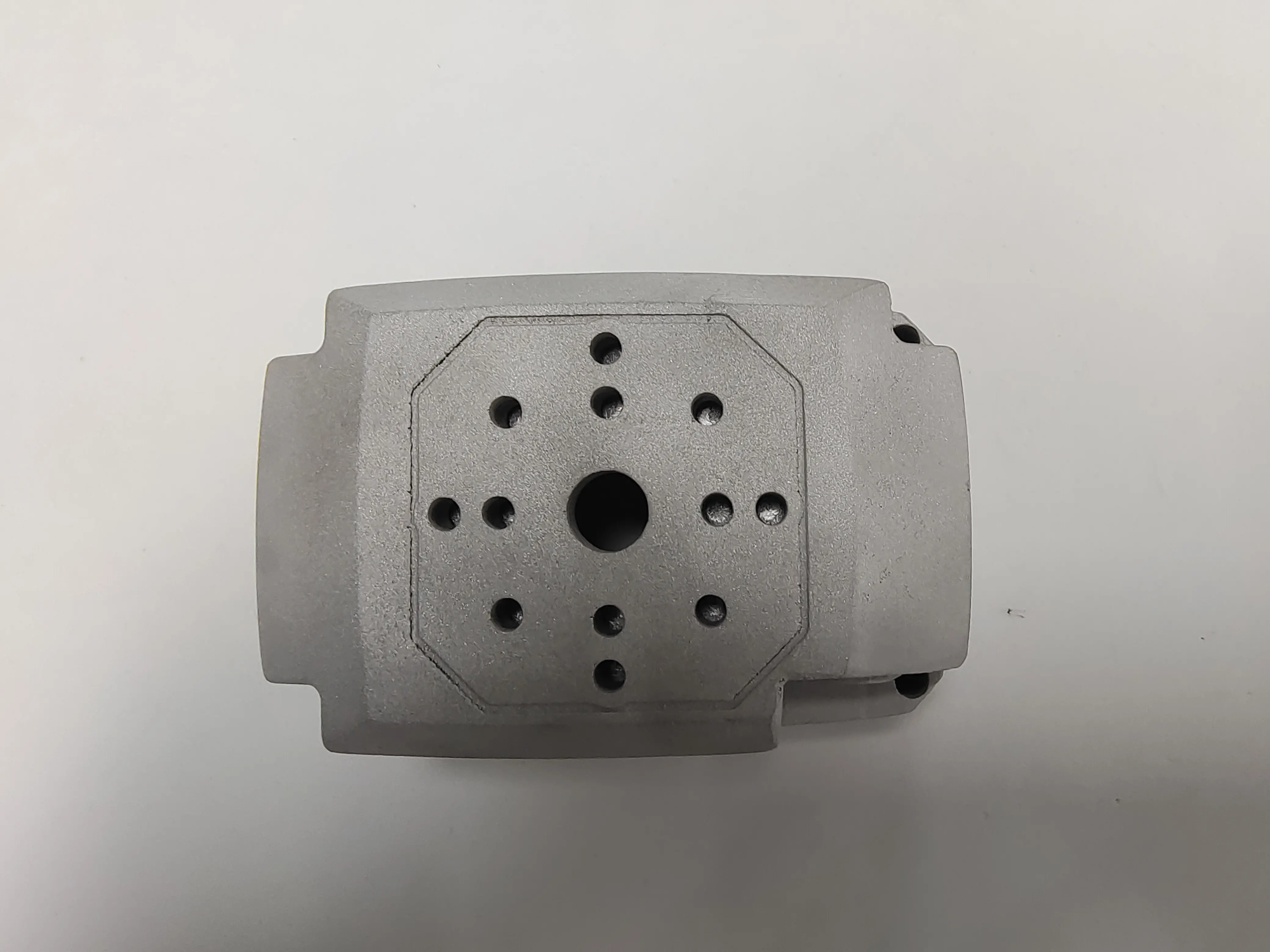
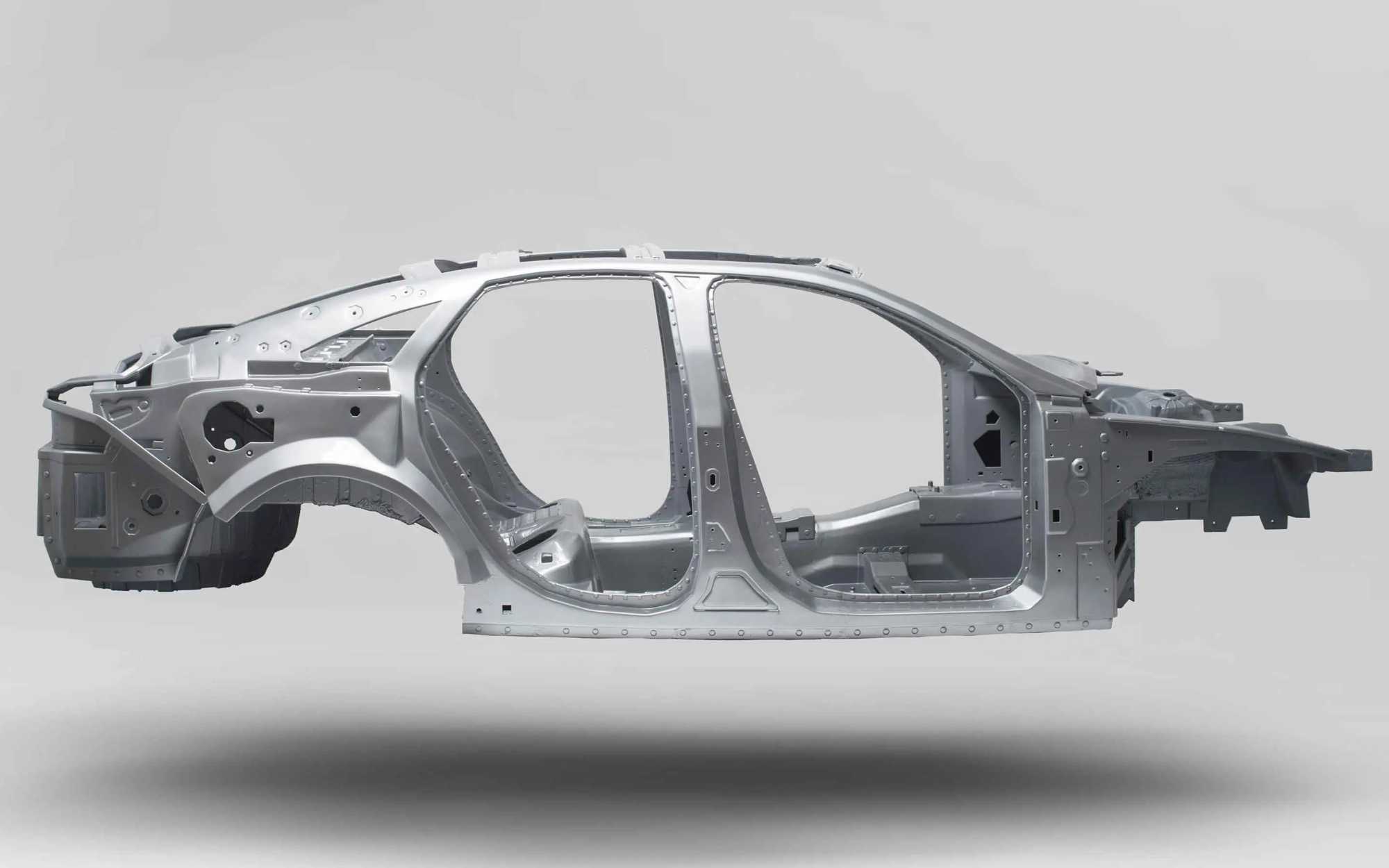
- (GreatLight Expertise Note: For advanced courses (often beyond K-12) that deal with metals, ceramics, or complex composite materials, there are industrial SLS, SLM (metal), or multi-material systems. Companies like ours specialize in these advanced processes and post-processing to enable professional rapid prototyping, but they are generally not suitable for classroom settings due to cost, safety, and complexity.)
- Prioritize a closed design (especially crucial for resin printers), a reliable brand with good support/parts availability, reasonable bed size for educational projects (FDM ~200x200mm+), and Wi-Fi/Ethernet connectivity.
- one: This depends largely on grade level and course focus:
-
Q2: How many printers do we actually need?
- one: Don’t aim for a 1:1 student-to-printer ratio! consider:
- Class sizes and rotation schedules. Can students print during nights/weekends?
- Printing Time: Actual print jobs for student projects often take hours/days. Queuing software is essential.
- Suggested starting points: 2-4 printers for a dedicated makerspace/lab serving multiple classes; 1-2 printers per specialized classroom (e.g. engineering room). Managing the workflow of queue/student design submissions is just as important as the number of printers.
- one: Don’t aim for a 1:1 student-to-printer ratio! consider:
-
Q3: Should we work with a specific supplier?
- one: Focus on vendor reputation, educational support (training resources, course assistance), warranty/service terms, equipment reliability, and competitive pricing/education discounts. Although the subsidy is small Require Specific suppliers (avoid single-source rationales unless mandated), providing quotes that demonstrate responsible sourcing can strengthen your budget proposal. Be wary of locks on consumables.
- Question 4: What happens? back Did we get the grant?
- one: The order is important:
- purchase: Follow all school/district purchasing procedures for use of grant funds.
- Setup and testing: Test the printer thoroughly upon arrival.
- Teacher training: There is no room for negotiation. Schedule professional development prior to student use. Build teacher confidence and competence.
- Pilot phase: Start with a teacher-led presentation or club project, then expand to the entire classroom. Refine course integration.
- implement: Launch a full course based on your funding plan.
- Data collection: Carefully track progress
- one: The order is important: