The Evolution of Manufacturing: 3D Printing and Firearms – Leading the way on technology, legality and ethics
Manufacturing is undergoing a revolution, and few technologies embody this transformation like 3D printing. Also known as additive manufacturing (AM), its ability to create complex objects layer by layer directly from digital files has unlocked unprecedented possibilities for countless industries from aerospace to medicine. However, its application to firearms – often referred to as "2A printing" involving the Second Amendment to the U.S. Constitution – sparking heated debate and raising complex questions about technology, law, ethics and security. Understanding this landscape requires moving beyond sensational views and into practical realities, technical limitations, and far-reaching impacts.
Beyond the Hype: Core Technology
While desktop fused deposition modeling (FDM) printers using plastic filaments captured public attention via viral videos "printing guns," The reality of durable gun manufacturing relies heavily on more complex and expensive metal additive manufacturing technologies:
- Fused deposition modeling (FDM/FFF): Mainly used for thermoplastics (such as PLA, ABS, nylon mixtures). Printing is usually unserialized and often incomplete ("80% reduction"), requires extensive post-processing, has fundamental weaknesses such as layer adhesion issues, and lacks durability/metallurgical properties for sustained firing. Mainly used for non-critical components or prototypes.
- Stereolithography (SLA) and Digital Light Processing (DLP): High-resolution printing using UV-curable resin. While standard resins are suitable for complex prototypes and molds, they lack the tensile strength and heat resistance required for functional firearm parts under high pressure/stress.
- Metal Additive Manufacturing (Key to Durability): This includes:
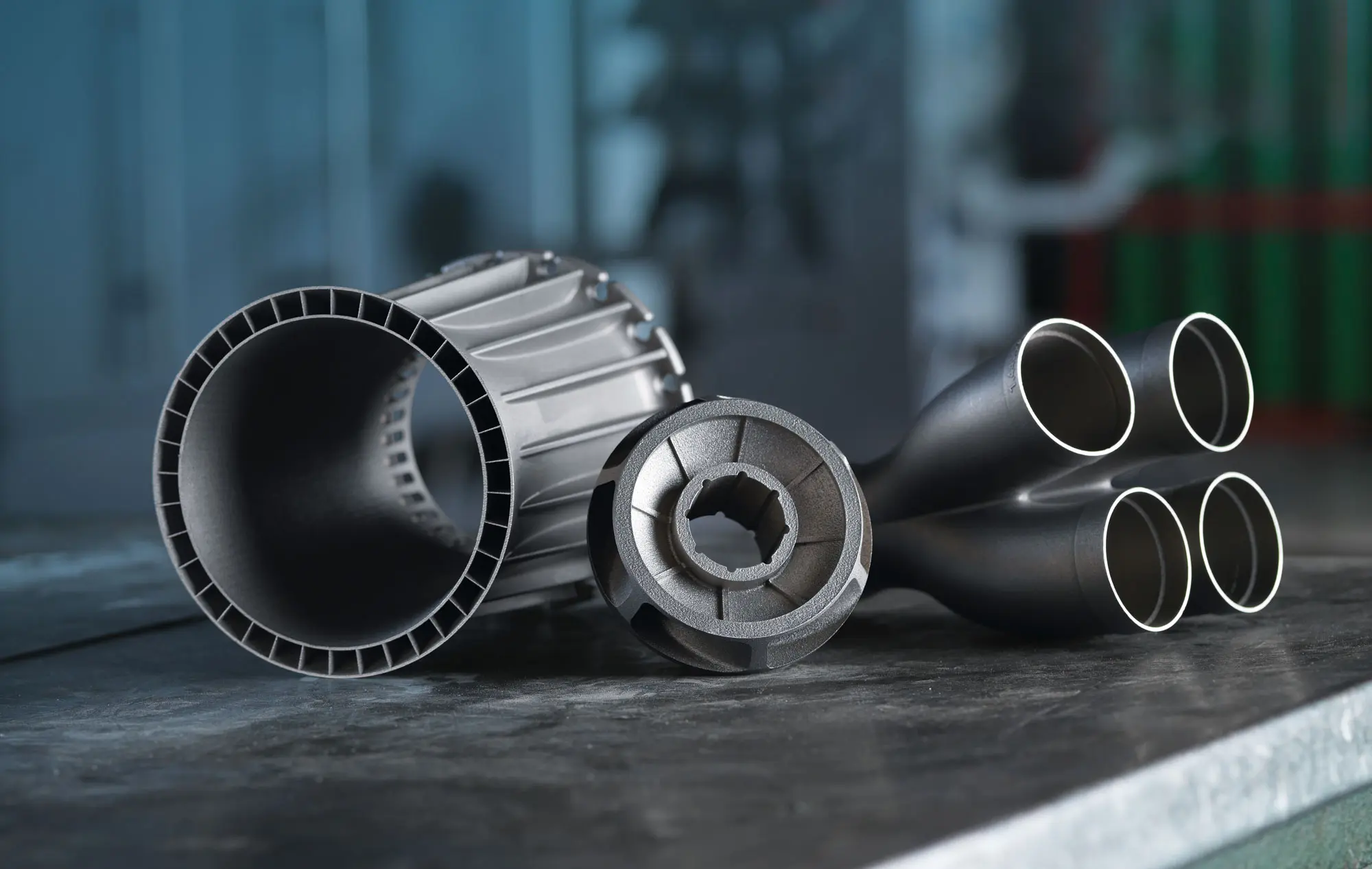
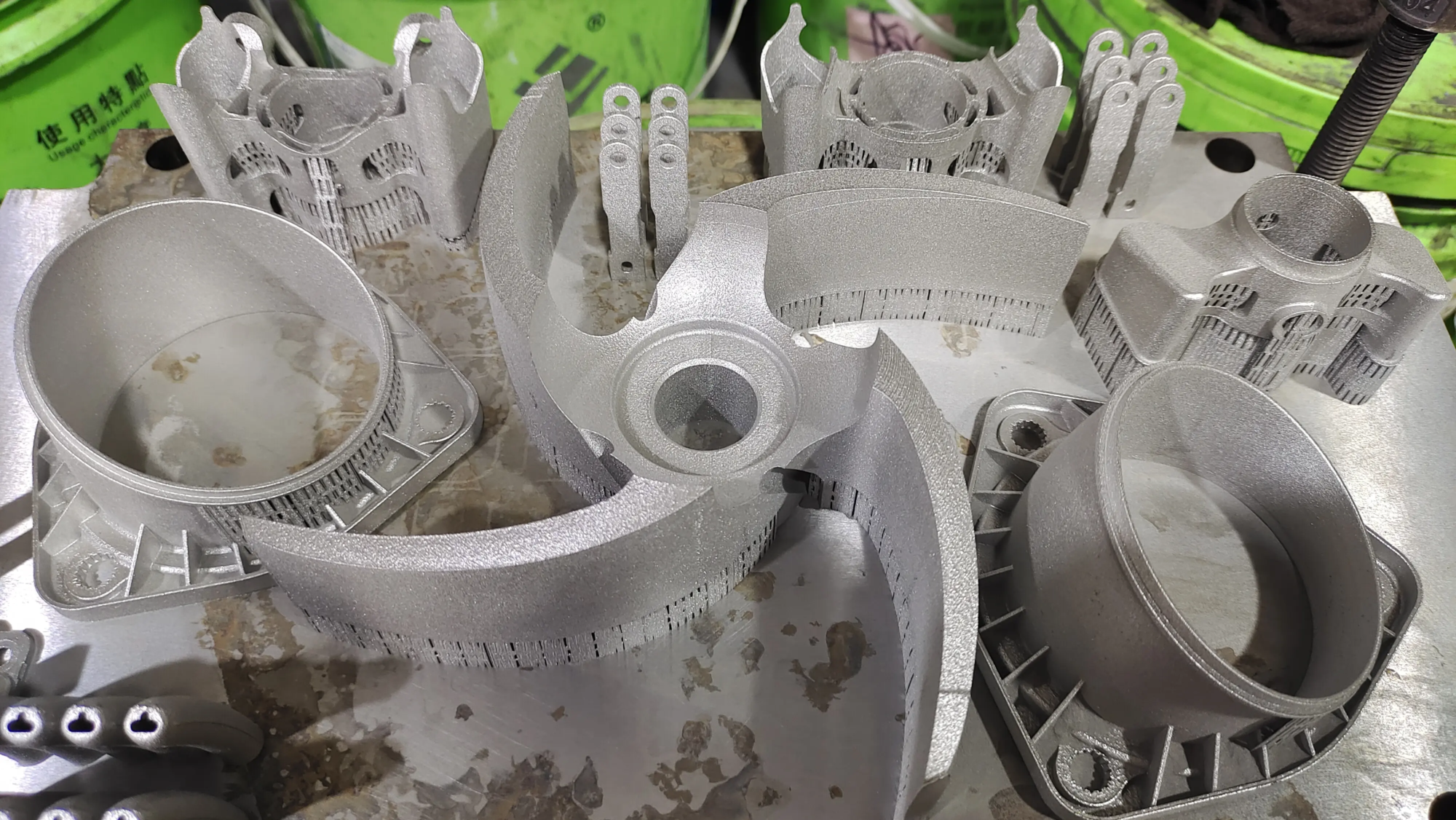
- Selective Laser Melting (SLM): A powder bed fusion technology in which high-power laser completely melted Metal powder particles are formed layer by layer, resulting in a nearly completely dense metal part with mechanical properties close to that of wrought metal. Essential for critical high-stress components requiring strength and fatigue resistance.
- Direct Metal Laser Sintering (DMLS): Similar to SLM, but usually involves sintering (partially melting) metal powder under atmospheric control. Strength results are generally very good but may vary slightly depending on alloy and process parameters.
- Binder jetting: A liquid binder is deposited onto the metal powder layer. part("green status") requires debinding and sintering (oven/infiltration) to achieve final density. Strength and dimensional accuracy after sintering require careful control.
Key points: Create a Reliable, durable and safe Guns capable of sustaining fire often require advanced metal additive manufacturing technologies (such as SLM/DMLS) with capabilities and budgets well beyond those of ordinary consumer desktop printers. These processes involve complex parameter optimization (laser power, speed, fill patterns, scanning strategies), controlled atmospheres (argon, nitrogen), specialized engineering grade metal powders (tool steel, titanium, inconel), significant post-processing (heat treatment, hot isostatic pressing – HIP, machining) and rigorous inspection/qualification – in industrial manufacturing areas such as huge light.
Navigating legal minefields
The legal landscape surrounding 3D printed firearms is complex, evolving, and varies significantly between jurisdictions:
- USA: The most visible arena. Core federal law, the Undetectable Firearms Act (UFA), prohibits the use of weapons that cannot be detected by metal detectors or do not contain enough metal to produce an accurate X-ray image. Crucially, the online distribution of CAD files (digital blueprints) of functional firearms is subject to strict ITAR (International Traffic in Arms Regulations) controls. Despite the legal controversy surrounding the free speech challenge, it currently remains illegal under U.S. export laws to publicly release such documents without authorization from the State Department. State laws vary widely – some states strictly prohibit "ghost gun" (homemade firearms without serial numbers), regardless of method of manufacture.
- International background: Most industrialized countries have much stricter gun control laws than the United States. In the EU, UK, Canada, Australia, Japan and other countries, it is generally illegal to possess, manufacture (for personal use) or distribute documentation/instructions for 3D printed firearms without a specific license. Penalties can be severe, including severe imprisonment. Ignorance of local laws is no excuse.
Key Compliances: Any professional prototyping or manufacturing services, e.g. huge lightstrictly comply with all applicable International Traffic in Arms Regulations (ITAR) and Export Administration Regulations (EAR). Processing of CAD files related to controlled defense items requires appropriate licensing and review. Companies that manufacture any gun-related products without express authorization face severe legal and financial penalties.
Reality: Challenges and Limitations
The description of printing out a perfect Glock instantly in a basement is largely science fiction and conflicts with hard physics and engineering:
- Materials Science: Plastic FDM printing is generally not suitable for pressure-containing components that are used beyond minimal use (such as a single changeover). In theory, metal printing can create durable parts, but:
- Achieving barrel-grade metallurgy (strength, heat resistance, wear resistance) always requires high-end SLM machines, professional metallurgical engineering, precise parameter control, HIP processing, as well as specialized equipment and advanced post-processing.
- Pressure-containing components are prone to microscopic void or inclusion defects that can lead to catastrophic failure under repeated firing cycles. Inspection requires advanced NDT (non-destructive testing).
- Tolerances and Reliability: Precise internal geometries (rifling, chamber dimensions, bolt locking surfaces) require extreme precision and consistent surface finish—a challenge even for high-end additive manufacturing that often requires final machining. Failure can be dangerous.
- Regulatory and Traceability: The lack of serial numbers on privately manufactured firearms (PMF) complicates law enforcement tracking, raises significant public safety concerns, and fuels legislative efforts seeking to mandate serialization of homemade firearms.
- this "Frameless" exception: While the U.S. ATF currently regulates receivers/frames (legal “firearms”), not every individual component requires a manufacturing license. However, assembling these man-made parts into a functional firearm without serialization would still result in "ghost gun," this is illegal "ghost gun" Transfers violate the laws of many jurisdictions and violate federal law.
Legit app? (a very narrow road)
Within the strict regulatory boundaries of Licensed Firearms Manufacturers (FFL), 3D printing can offer niche advantages:
- Prototyping: Use plastic printing to quickly iterate on new designs for ergonomics, aesthetics, and assembly inspection, significantly speeding up development cycles.
- Tools and Fixtures: Creating durable jigs, fixtures, and fixtures for assembly or machining operations—even using metal additive manufacturing—increases efficiency.
- Rare parts replicas: Licensed firearms manufacturers may reproduce obsolete/unavailable components and comply with required serialization laws.
- Engineered lightweight structures: Top manufacturers working on optimized designs (e.g. lightweight titanium frames/various firearms-related parts engineered for specific stress distributions) benefit from the design freedom of advanced metal additive manufacturing. This requires significant expertise and resources.
Main differences: These legal industrial applications involve licensed entities operating under strict regulatory oversight, utilizing professional-grade equipment and engineering rigor – consistent with the industrial application expertise the company prefers huge light have.
moral crossroads
This debate goes beyond mere legality:
- Security Question: The use of inadequately printed materials by unqualified individuals to create inherently dangerous objects may result in catastrophic failure resulting in injury or death to the user or bystanders.
- Avoiding regulation: Potential to circumvent background checks, licensing, serialized databases (often exaggerated) and potential "red flag"/Extreme risk protection order laws undermine the established public safety framework.
- Criminal acquisition: While traditional firearms are often still easier and cheaper to traffic for now, the theoretical accessibility fuels concerns about criminal enterprise or the weaponization of terrorism.
- intellectual property: Design represents a huge investment in research and development. Unauthorized distribution violates the rights of the creator.
- responsibility: Supporters emphasize Second Amendment rights and decentralization, assert individual sovereignty and oppose government overreach. Critics point out that society urgently needs reasonable gun regulation to prevent violence.
Conclusion: Background Technology
3D printing is a revolutionary technology that is rapidly reshaping manufacturing. Its application to guns highlights the profound conflict between technological empowerment, individual rights and collective social security. While labor-saving plastic prints make shocking headlines, The practical reality of reliably producing durable, functional firearms remains firmly rooted in complex, expensive industrial additive manufacturing processes – such as Selective Laser Melting (SLM) – requires extensive expertise, strict quality control and unwavering compliance with strict international arms export laws.
The path forward requires a nuanced understanding of:
- Acknowledge that there are substantial technical barriers between desktop hobbyist printing and reliable weapons.
- Recognize the critical importance of complying with complex, evolving legal frameworks such as ITAR/EAR and state firearms laws, which impose strict restrictions on both documentation and physical production.
- Have a serious, informed discussion about the ethical boundaries of decentralized manufacturing.
- Leverage professional prototyping expertise responsibly.
organizations like this huge light At the forefront of precision metal additive manufacturing (SLM/DMLS/Binder Jetting) with a rigorous focus on enabling innovation and solving complex prototyping challenges across a variety of fully compliant aerospace, automotive, medical, consumer goods, industrial and more. All projects are rigorously reviewed to ensure compliance with export controls and ethical standards. Technological progress is inevitable; the responsible use of its power remains our collective imperative.