Unleash your 3D creativity: 30 inspiring 3D pen project ideas
3D pens revolutionize artistic expression and prototyping, transforming molten plastic into tangible creations in your hands. It bridges the gap between imagination and reality faster than traditional modeling methods. Whether you’re an educator, hobbyist, designer, or engineer, the possibilities are endless. Below, we’ve explored 30 different project ideas organized by theme to enable you to take advantage of this versatile tool.
1. Home and decoration
- Geometric vase: Build complex, multi-faceted designs layer by layer. hint: Start by drawing the basic shape and scaling it vertically.
- Custom photo frames: Design a unique border—think vines, abstract patterns, or names. hint: Start by measuring your photo!
- Textured coasters: Create heat-resistant designs with raised patterns. hint: Stick with thicker fill patterns for durability.
- Wall Art Sculpture: Create abstract shapes or elements inspired by nature, such as flowers. hint: Initially flattened, then assembled.
- Mini plant stand: Make small pots with integrated drainage for your succulents. hint: Use PLA to increase rigidity.
- Decorative lampshade: Build the wireframe structure on the light bulb. hint: Ensure adequate ventilation and use LED light bulbs.
- Creative bookends: Carve themed bookends (such as mountains). hint: Design a sturdy, weighted base.
- Personalized keychain: Design wall hooks shaped like letters or animals. hint: Add felt backing to protect the wall.
- Napkin rings: Stylish and elegant or whimsical rings. hint: Make sure the inner diameters are consistent.
- Drawer knob: Craft custom handles shaped into stars, animals or abstract shapes.
2. Jewelry and accessories
- Personalized earrings: Design lightweight geometric patterns or miniature sculptures. hint: Use fine-tipped and flexible filaments.
- Interlocking Bracelet: Build pieces that click together. hint: Testing flexibility – ABS is ideal.
- Textured Pendant: Create a layered pendant on a flat base with raised elements. hint: Embed jump rings as early as possible.
- Bold Rings: Form a structural band with embedded beads or designs. hint: Accurately measures finger diameter.
- Hair pins and bobby pins: Add a decorative topper to a simple metal clip. hint: Make sure the bottom contact is smooth.
- Chain link belt: Produces customizable chain sections. hint: Prioritize uniformity and flexibility.
- Wearable arm cuff: Shaped open cuffs. hint: Shape the cylindrical object while it is hot.
- Anklet: Design a slim, flexible chain or charm. hint: Use low temperature PLA for comfort.
- Glasses chain: Create beads or pattern links. hint: Focus on lightweight construction.
- Mobile phone strap: Make small charms with retaining rings. hint: Reinforce connection points.
three. Toys, games and fun for kids
- Building block connectors: Invent unique joints to connect LEGO® or wooden blocks. hint: Calibrate dimensions carefully.
- puzzle: Design puzzles that connect each other – birds, continents, etc. hint: Ensure a snug fit and not breakable.
- Mini statue: Create an original character, animal or vehicle. hint: Build the limbs separately and then connect them.
- Micro car: Simple construction of chassis and wheels. hint: Use a dowel or melted joint as the shaft.
- Marble Run: Engineers track and support marbles. hint: Prioritize smooth slopes and sturdy supports.
- Board Game Tokens: Customize the pieces for Checkers or Monopoly. hint: The goal is uniform weight/height.
- Toy furniture: Craft Dollhouse Chair/Table. hint: Fully strengthen the leg joints.
- Jointed animals: Use pins to design an animal with articulated limbs. hint: Plan ahead for hinge mechanics.
- Magic Wand: Spin intricate fantasy wands. hint: Embed wire/beads and pre-cool.
- Mini building structure: Rebuild a bridge, house or tower. hint: Use templates to make windows/details.
in conclusion
The 3D pen is more than just a toy, it’s a portable rapid prototyping studio. These 30 ideas demonstrate their potential for artistic expression, functional problem solving, and immersive learning. It fosters iterative design thinking: sketch → prototype → refine → recreate. For ambitious users, this tool sets the stage for thinking on a larger scale.
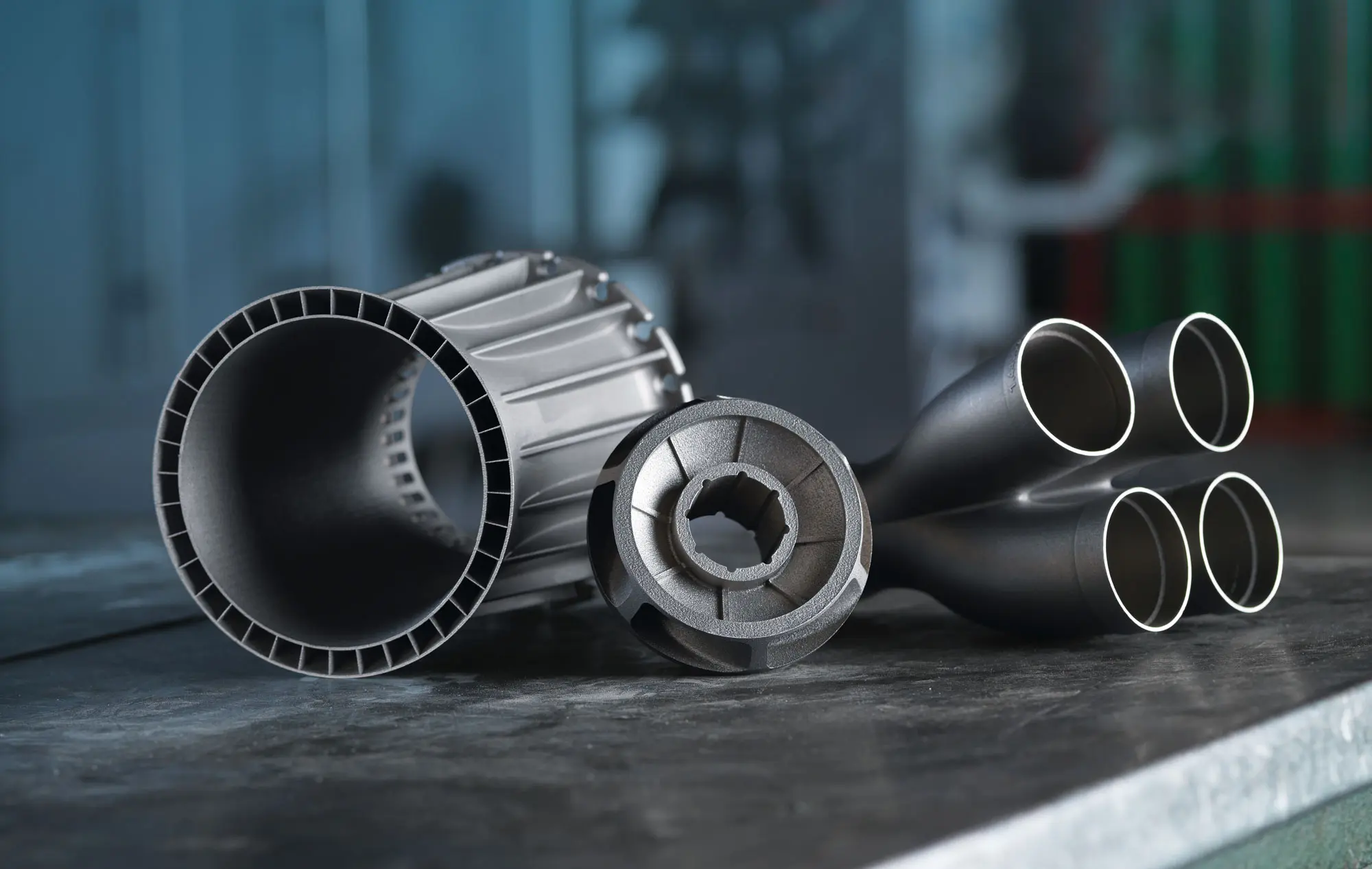
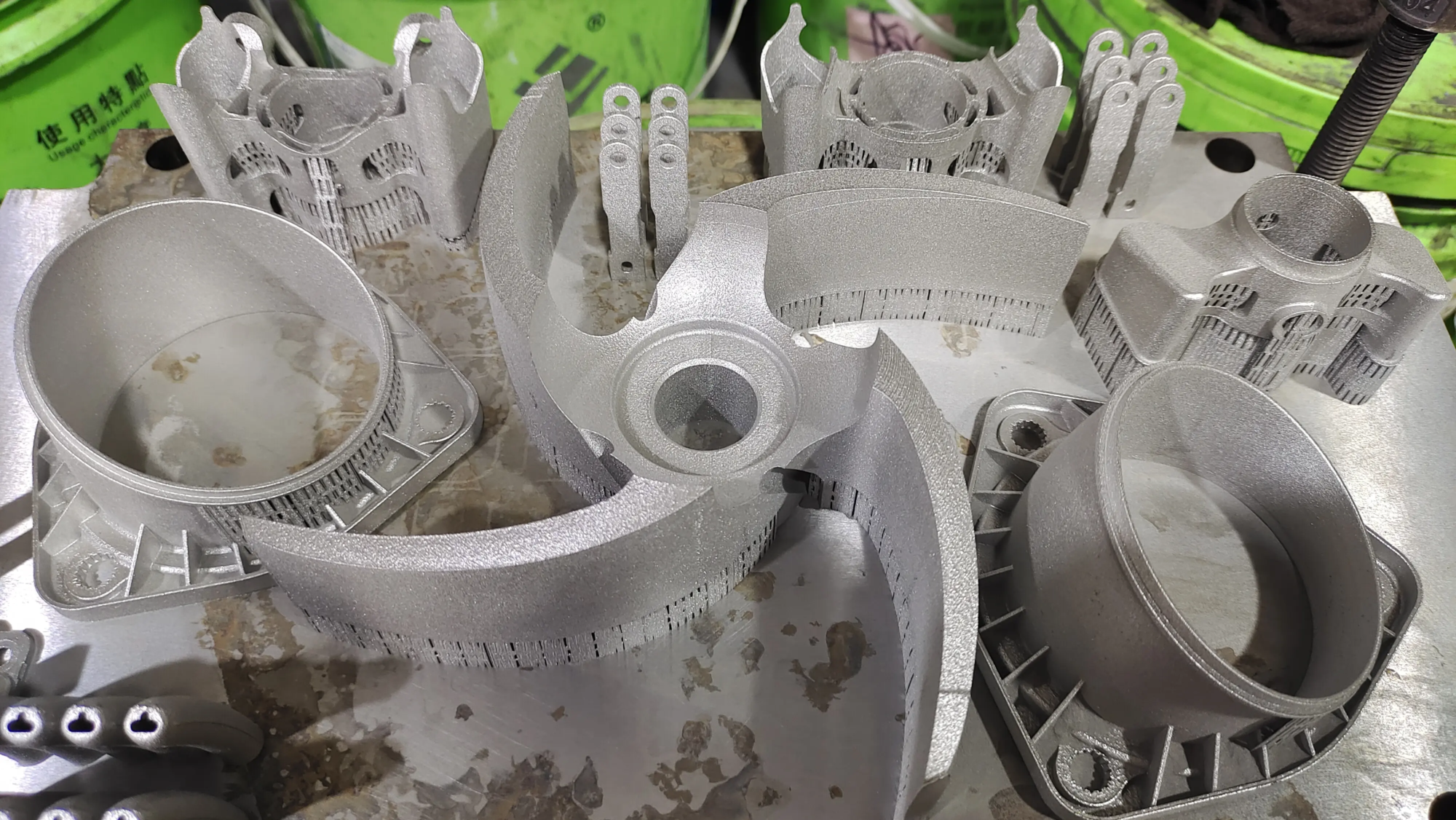
Intricate designs beyond the scale of handcrafting? At GreatLight, we blend advanced SLM 3D printing with deep expertise in precision metal prototyping to transform concept doodles into industrial-grade solutions. Whether you need complex components optimized for heat resistance or aerospace-grade alloys machined to tight tolerances, we bridge the gap between creativity and functionality. From prototyping to flawless finishing, we design results at competitive speed and cost.
Explore your ideas – come up with nuanced concepts.
Partnering with GreatLight – What starts as inspiration evolves into an engineering reality.
FAQ: Master your 3D pen projects
Question 1: Which filament types are best for different projects?
- People’s Liberation Army: Suitable for beginners (low odor, biodegradable). Ideal for decoration, frames and jewelry (melting temperature approx. 180-200°C). Not very flexible.
- ABS: Stronger and more pliable when cooled. Best suited for functional parts such as clips/connectors (melt >210°C). Ventilation is required.
- Polyethylene glycol: Combines the ease of use of PLA with the durability of ABS. Ideal for items that need to be impact resistant (such as phone stands).
- Flexible filament (TPU): For wearable devices (anklets) that require elasticity. Requires slower pen speed.
Question 2: How to use 3D pen to get a smoother surface?
- Technical adjustments: Draw at a consistent speed slower; pause briefly at endpoints.
- Post-processing: Use 200-grit sandpaper to lightly sand any rough spots. Apply PLA Smoothing Fluid carefully.
- temperature: Higher temperatures (within specs) enhance flow – experiment!
Q3: Why does my filament break/get stuck?
- Moisture: The filaments absorb moisture. Add desiccant to seal and store; briefly preheat.
- Temperature mismatch: Low hot end temperatures will result in increased extrusion pressure. Optimize settings for each filament.
- Nozzle clogged: Clean the tips of acupuncture needles regularly during the warm-up and cool-down period.
Q4: Can I combine 3D pen creation with CAD/other printing?
Absolutely. Example: Use a printed base/stencil to secure the pen design. Digitally export sketches for scalable refinement through platforms like GreatLight’s SLM service, resulting in solid metal prototypes from initial handcrafted concepts.
Q5: Is 3D pen creation suitable for daily use?
Depends on material/design:
- PLA can withstand light duty but will degrade outdoors.
- ABS/engineered polymers are suitable for functional parts.
- For strong performance (load-bearing/mechanical), transition designs to SLA/SLM with professionals – leveraging materials science to extend service life.
Invent boldly—turn sketches into interactive creations, then strategically scale solutions. To achieve unwavering precision, leverage expertise and combine artistry with engineering excellence.