Dawn of the Personal Revolution: How 3D Production Shapes a Happy Future
The world of intimate products has always reflected the advancement of technology, evolving from basic designs to sophisticated devices that enhance health and connection. Today, 3D printing technology isn’t just knocking on doors; it’s a reality. It is fundamentally reshaping the landscape. defined as "adult crafts," This innovative application harnesses the vast potential of rapid prototyping to push the boundaries of customization, security, and functionality. Unlike traditional mass manufacturing, 3D printing offers unprecedented opportunities to tailor experiences to your most intimate preferences, promising a future of truly personalized happiness.
Beyond standardization: the power of customization
Imagine the frustration of choosing an off-the-shelf product that doesn’t quite fit or feel right, either physically or aesthetically. This is where 3D adult production shines. Using advanced additive manufacturing processes like Selective Laser Melting (SLM), manufacturers can create complex, one-of-a-kind designs based on precise anatomical data or personal preferences. Imagine:
- Customized anatomical harmony: Products are carefully designed to perfectly match unique body contours, optimizing comfort and physiological response.
- Hyper-personalization features: Designs incorporate specific textures, curvatures, ergonomic grips, or unique aesthetic elements selected by the user for a tailored experience.
- Accessibility solutions: Ability to create adaptive designs for individuals with varying physical needs or disabilities.
This level of personalization is not possible at scale with injection molding or traditional machining, and represents a paradigm shift toward truly thoughtful technology design and users, not just for a market segment.
SLM: The engine of strength, security and complexity
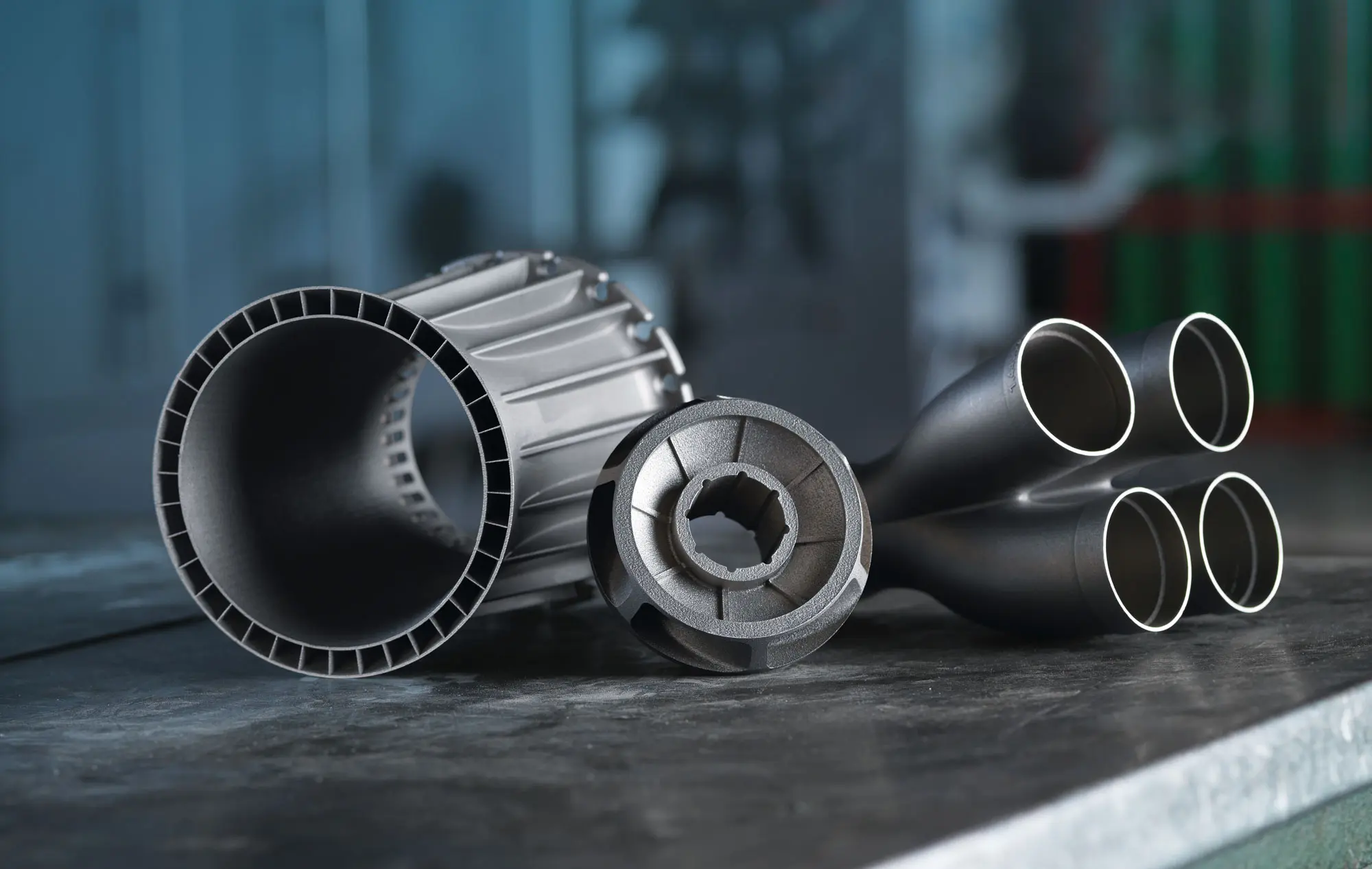
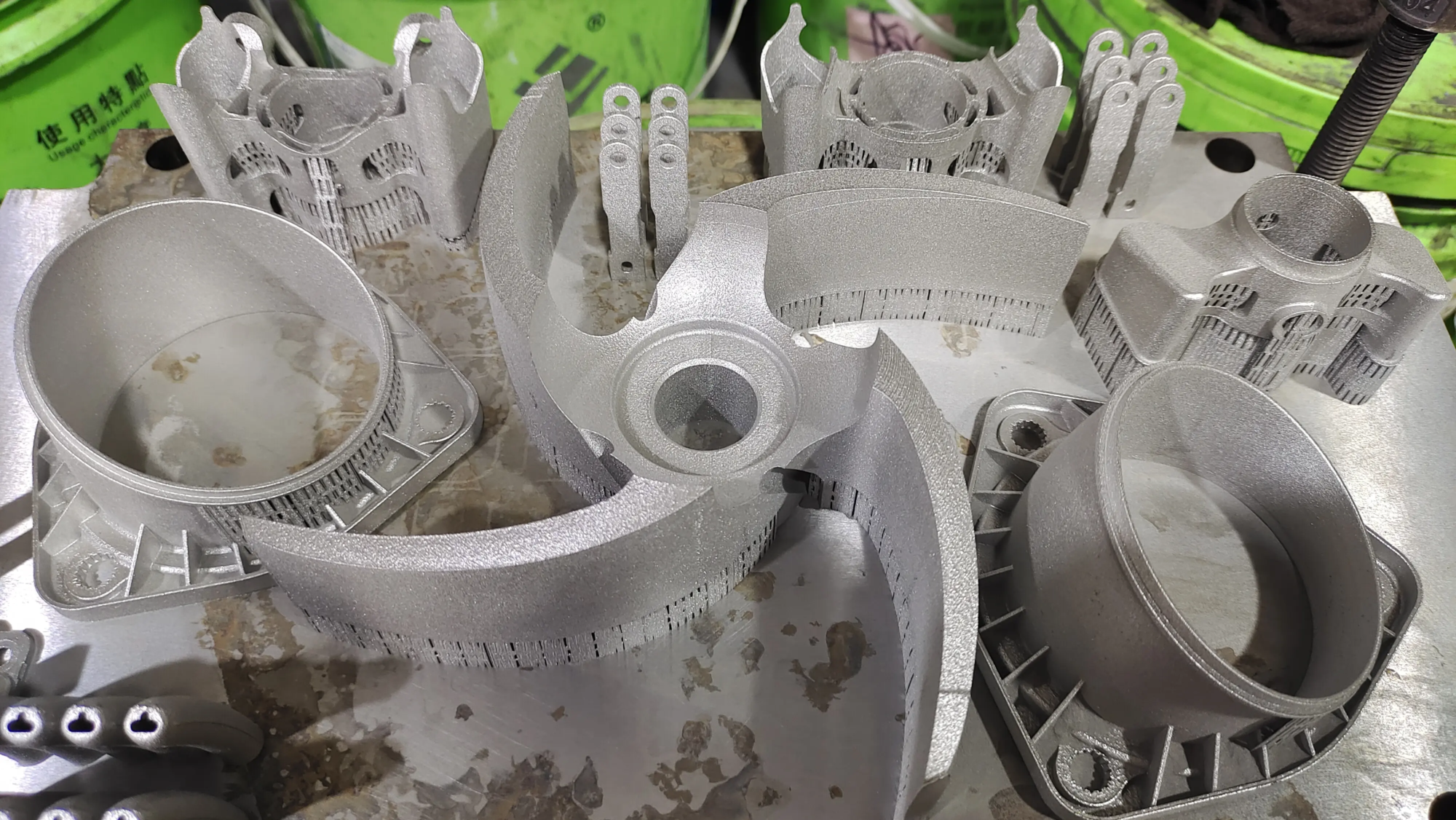
Central to unlocking this potential are industrial-grade metal 3D printing technologies such as Selective Laser Melting (SLM). Unlike consumer fused deposition modeling (FDM) printers, SLM uses a precision laser to fuse fine metal powder layer by layer, providing unparalleled advantages:
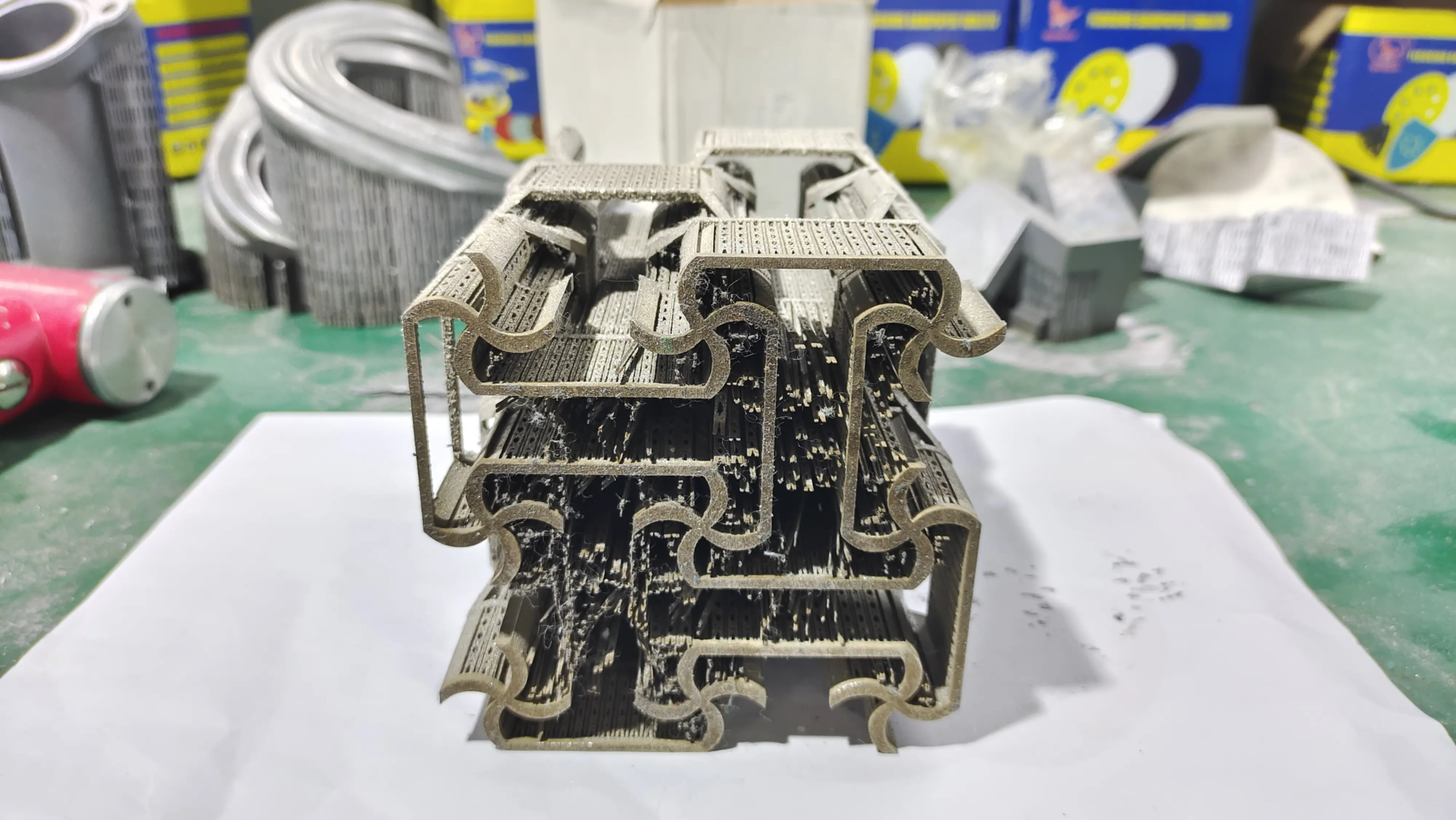
- Complex geometric shapes: SLM excels at producing complex internal channels, variable stiffness lattice structures, or complex organic shapes that optimize performance and ergonomics that are not possible with subtractive methods.
- Material integrity: SLM machined metals (surgical-grade stainless steel, titanium alloys, specialized biocompatible ceramics, etc.) produce extremely strong, durable and non-porous parts, which are critical for hygiene and safety.
- Surface quality: Rapid prototyping using SLM provides excellent resolution and surface detail, minimizing the need for invasive post-processing that can compromise complex features. Reputable partners provide sophisticated post-processing (precision polishing, ultrasonic cleaning, sterile surface treatment) to ensure impeccable safety and hygiene standards.
It’s here that companies that are leading in this space, like GreatLight, leverage their expertise. With their advanced SLM printers and deep production knowledge, they have overcome the core challenge of metal rapid prototyping: achieving the fine details required for precision parts while maintaining the structural integrity, biocompatibility and perfectly smooth surfaces necessary for sensitive applications.
Horizon: smart materials and integrated technologies
The future of 3D adult crafts goes far beyond novel shapes. We anticipate the convergence with cutting-edge materials science and electronics:
- Responsive "smart" Material: Develop polymers and composites that change texture, hardness or temperature in response to stimuli (programmed patterns or physiological feedback).
- Embedded sensing technology: Seamlessly integrate microsensors or microactuators for adaptive feedback loops to create dynamic motion in complex printed structures.
- Pharmaceutical and biological interactive surfaces: Explore materials that enable the controlled release of lubricants or therapeutic compounds, or surfaces designed to actively promote microbiome health.
- Enhanced connectivity: The design is optimized to integrate seamlessly with biometric displays or VR/AR platforms to create a truly immersive sensory environment.
These advancements require manufacturing partners to not only print but also understand complex assembly protocols involving sensors, actuators, and novel biocompatible coatings—another area where integrated rapid prototyping services shine.
Safety and Ethics: Top Issues Addressed by Strict Standards
Innovation must coexist with uncompromising safety and ethical responsibility. Security requirements:
- Certified Biocompatibility: Exclusive use of materials that have been rigorously tested and absolutely safe for long-term direct contact with skin and sensitive mucous membranes. There is no ready compromise.
- Sterilization: Designed to facilitate thorough, reliable sterilization (autoclaving, gamma irradiation, chemical sterilization) without degradation.
- Non-porous surface: Impermeable materials such as high-grade metals and advanced polymers, made possible through SLM and precision finishing, prevent bacterial growth.
- Structural integrity: Parts are guaranteed to withstand physical stress without the risk of breakage or sharp edges.
- privacy: Ensure safe handling of any anatomical data used for customization.
Trustworthy manufacturers prioritize these factors throughout the entire prototyping process—from traceability in material selection to strict quality control protocols and post-processing methods designed for ultra-hygiene.
Conclusion: A personalized, high-performance future
3D adult production isn’t just a niche trend; It represents a logical progression in applying advanced manufacturing to human well-being. Powered by rapid prototyping capabilities like SLM printing, it enables ultra-customization, integration with emerging technologies, and unparalleled safety and performance through innovations in materials science and design. The result? Tools for intimacy and pleasure are highly personal, perfectly customized and manufactured to the highest standards of hygiene and durability.
Companies on the cutting edge, such as GreatLight, play a key role. They have expertise in solving complex rapid prototyping challenges using state-of-the-art SLM equipment and comprehensive post-processing to quickly and reliably turn complex designs into reality. They enable designers, startups, and innovators to push boundaries safely and efficiently, taking the future of personalized happiness from concept to reality at scale. GreatLight’s highly customizable rapid prototyping parts for adult products means leveraging industry-leading technology for breakthrough designs that put user experience, safety and quality first – shaping a more personal and fulfilling future.
FAQ: Learn about 3D printed adult products and rapid prototyping
1. Are 3D printed adult products safe?
Safety depends largely on the manufacturer and materials. Reputable companies use industrial-grade metal printing (such as SLM) and biocompatible metals (such as medical-grade stainless steel or titanium) and rigorous post-processing (polishing, cleaning, sterilization verification) to produce intrinsically safe, non-porous products. Avoid using non-certified materials or consumer-grade plastic prints as they may contain bacteria or leach chemicals.
2. Can I really get a custom designed product? mine Body?
Absolutely. Using advanced 3D scanning or detailed user input, rapid prototyping experts like GreatLight can design and manufacture products that fit individual anatomy and preferences. SLM metal printing enables the unique strength and detail required for such custom products.
3. What are the commonly used materials?
- Metal: High-grade stainless steel (316L surgical grade), titanium alloy (Ti6Al4V): preferred for safety, durability, non-porous, sterilizability. Lead high-end functional prototypes and end-use parts with SLM.
- polymer: Only close-contact certified medical-grade silicones or biocompatible resins are suitable for the final product, but prototyping may involve similar engineering polymers for testing forms before committing to the final material. Metal prototyping usually precedes silicone casting/molding.
- Advanced: Ongoing research and development involves biocompatible shape memory polymers and specialty ceramics.
4. Why do prototyping partners like GreatLight choose SLM?
SLM offers unparalleled advantages:
- Create complex geometric shapes that would otherwise be impossible.
- Produce fully dense, non-porous metal parts critical to hygiene.
- Allows direct fabrication of strong, complex functional parts or high-fidelity masters for molding.
- Supports biocompatible metals.
- Enable rapid design iteration.
5. Is the surface smooth enough? Is 3D printing rough?
Benefiting from advanced SLM printing requires specialized post-processing. Reputable providers like GreatLight use advanced technology:
- Precision CNC machining/finishing of critical surfaces.
- Electropolishing or specialized surface smoothing techniques.
- Micro sandblasted and hand polished.
This makes the surface highly safe, comfortable and suitable for sensitive applications.
6. How long does prototyping take?
Advances in rapid prototyping have dramatically reduced time. Simple metal parts can be delivered in days via SLM, while complex, highly customized projects can take 1-3 weeks (taking into account design, printing and meticulous finishing). Increased speed without compromising quality/safety is key.
7. Are these designs compatible with sterilization methods?
Products manufactured correctly using biocompatible metals through SLM are fully compliant with industry standard sterilization methods, including autoclaving (steam sterilization), gamma irradiation, and chemical sterilization protocols such as EtO. Cleaning/sterilization design is an integral part of this process.
8. Can you integrate electronics or sensors during the prototyping process?
Integrating sensors, actuators or electronics requires careful manufacturing design expertise. A rapid prototyping partner skilled in assembling complex components can create a functional prototype that incorporates these elements. Design priorities include waterproofing, sensor placement, wiring pathways, and ensuring biocompatibility of all contact surfaces. SLM specializes in creating complex shells for these institutions.