The Ultimate Guide to 3D Printing Duck Decoys: Precision Meets Tradition
Duck decoys are more than tools; They are a centuries-old tool of art and science for luring wary waterfowl into range. These bird replicas were traditionally made of wood or cork, but have now evolved. Now, 3D printing is revolutionizing the way decoys are made, providing hunters and collectors with unparalleled customization, rapid iteration, and access to sophisticated materials. Whether you’re an experienced carver looking to enhance your workflow, or a tech-savvy newbie, this guide will explore the world of 3D printed duck decoys.
Why 3D print your bait? Advantage release
- Unparalleled customization: Forget about limited store-bought options. Design or download a decoy that represents the precise posture of a specific species – eating, resting, grooming – perfect for your local waterfowl and hunting grounds. Adjust size, weight distribution and keel design to suit your needs.
- Rapid prototyping and iteration: Need to test a new keel design? Want to adjust for differences in buoyancy? With 3D printing, modifications take just a few hours instead of taking days or weeks to sculpt. Print, test the waters, perfect your design, then print again quickly.
- Complex geometric shapes: Achieve intricate feather details, subtle body contours and hollow interiors for buoyancy control that are often difficult or time-consuming using traditional methods.
- Material Versatility: From strong, UV-resistant plastics for harsh swamp conditions to lightweight fibers for floating baits and even metal components for advanced keel systems, the printer offers material options to meet specific performance and durability needs.
- Cost Effectiveness (for custom/complex designs): While mass-produced decoys may be cheaper per unit, designing and printing a truly unique or complex custom decoy may be much more economical than commissioning a hand-carved version or modifying an existing one.
- Save and copy: Create a lasting backup of your treasured traditional decoys, or easily copy lost or damaged units once you have the digital files.
Step-by-step guide to 3D printing duck decoys
Phase One: Design and Preparation
- conceptualization: Define your target species, desired posture, size and functionality (floating, feeding, resting). Study reference photos to ensure anatomical accuracy.
- Get the model number:
- Design it yourself: Use CAD software (Fusion 360, Blender, Tinkercad). This provides absolute control but requires a lot of skill.
- download: Search reputable 3D model repositories (Thingiverse, Cults3D, MyMiniFactory). Filter search "duck decoys," "waterfowl bait," or specific species name. Crucially, always check the license. Make sure it allows modification and printing for personal use/hunting.
- 3D scan: Scan existing bait (traditional or plastic) using specialized scanners or photogrammetry techniques.
- Optimization model:
- Appetite ensures that the model is "manifold" (Waterproof) – Essential for buoyancy and paint adhesion.
- Directions to consider: Optimize it for printing with minimal support, especially on critical surfaces like the chest and back.
- Hollow Model: Essential for a functional floating lure! Design adequate internal cavities and carefully arrange drainage holes. Drainage holes prevent water from becoming trapped and allow air to escape during immersion. Make sure the walls are thick enough for strength but thin enough for buoyancy.
- Keel Integration: Design mounting points or integrate the keel directly into the print.
Phase 2: Material Selection – Matching Filament to Function
- People’s Liberation Army: Popular, affordable, and easy to print. A good starting point for decorating decoys or prototypes. limit: Can become brittle in cold weather, susceptible to UV degradation and deformation in hot sun, and become water permeable over time. Best for occasional use/land bait tucker.
- Polyethylene glycol: More durable than PLA. Excellent impact resistance, good chemical resistance, better UV resistance, lower water absorption. Typically tougher and better suited for functional water baits.
- ASA: Premium quality outdoor filament. Has excellent UV resistance (won’t yellow/degrade quickly), excellent weather resistance, good chemical resistance, and higher temperature stability than PETG or PLA. ideal Lures designed to withstand harsh sunlight and weather conditions.
- TPU/TPE (flexible filament): Small amounts are used on parts that require flexibility, such as weighted keel inserts or sealing gaskets between the hull and keel. Not suitable for the subject.
- nylon: Extremely tough, impact resistant and low water absorption. Offers excellent durability, but can be difficult to print and requires drying. Consider key components.
- Foam filament (LW-PLA): Special filaments expand as they print, creating lightweight, naturally buoyant structures. Excellent weight-to-buoyancy ratio. Requires specific printing profiles and hot ambient temperatures. Very effective for jerking rope bodies.
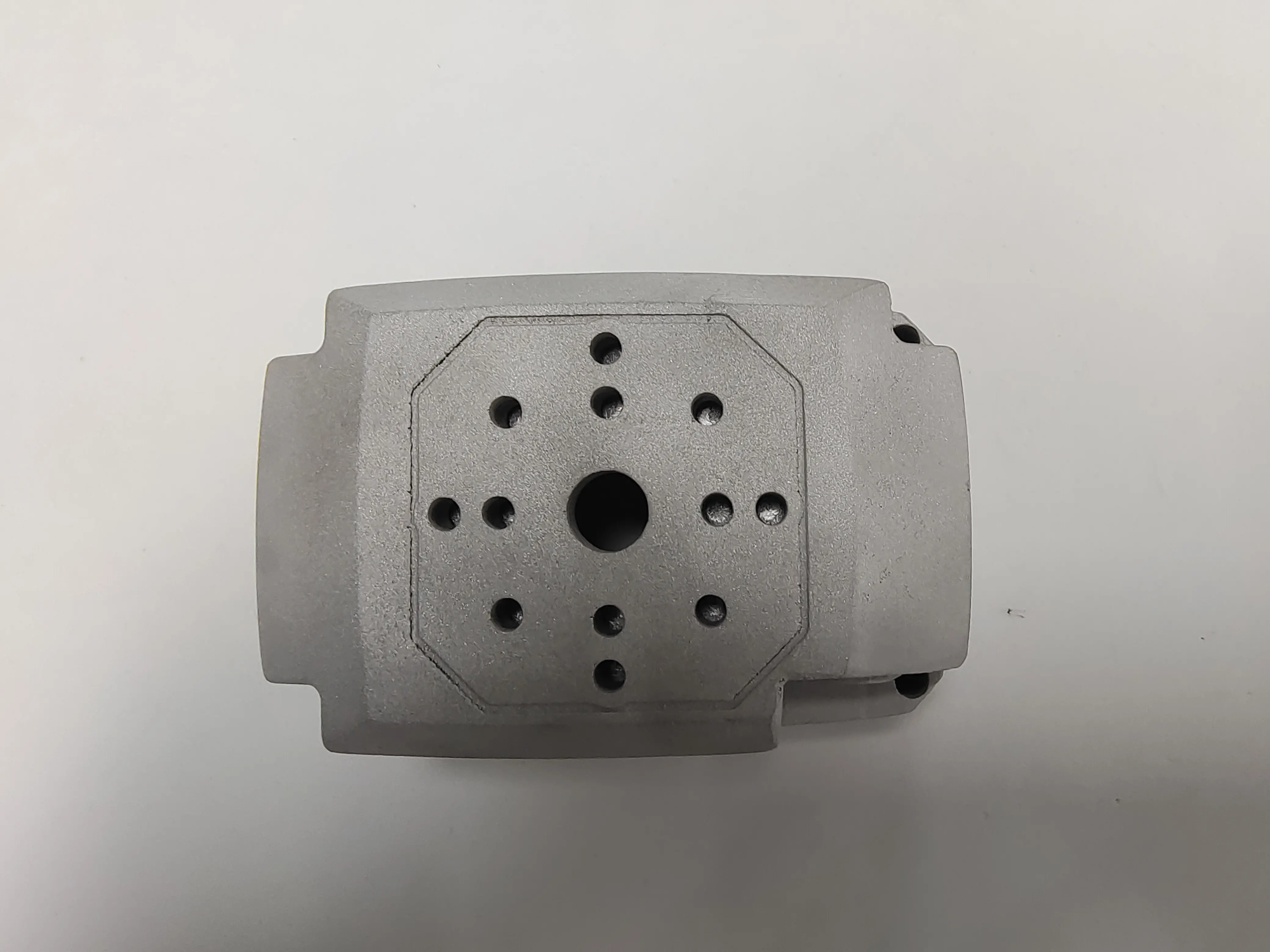
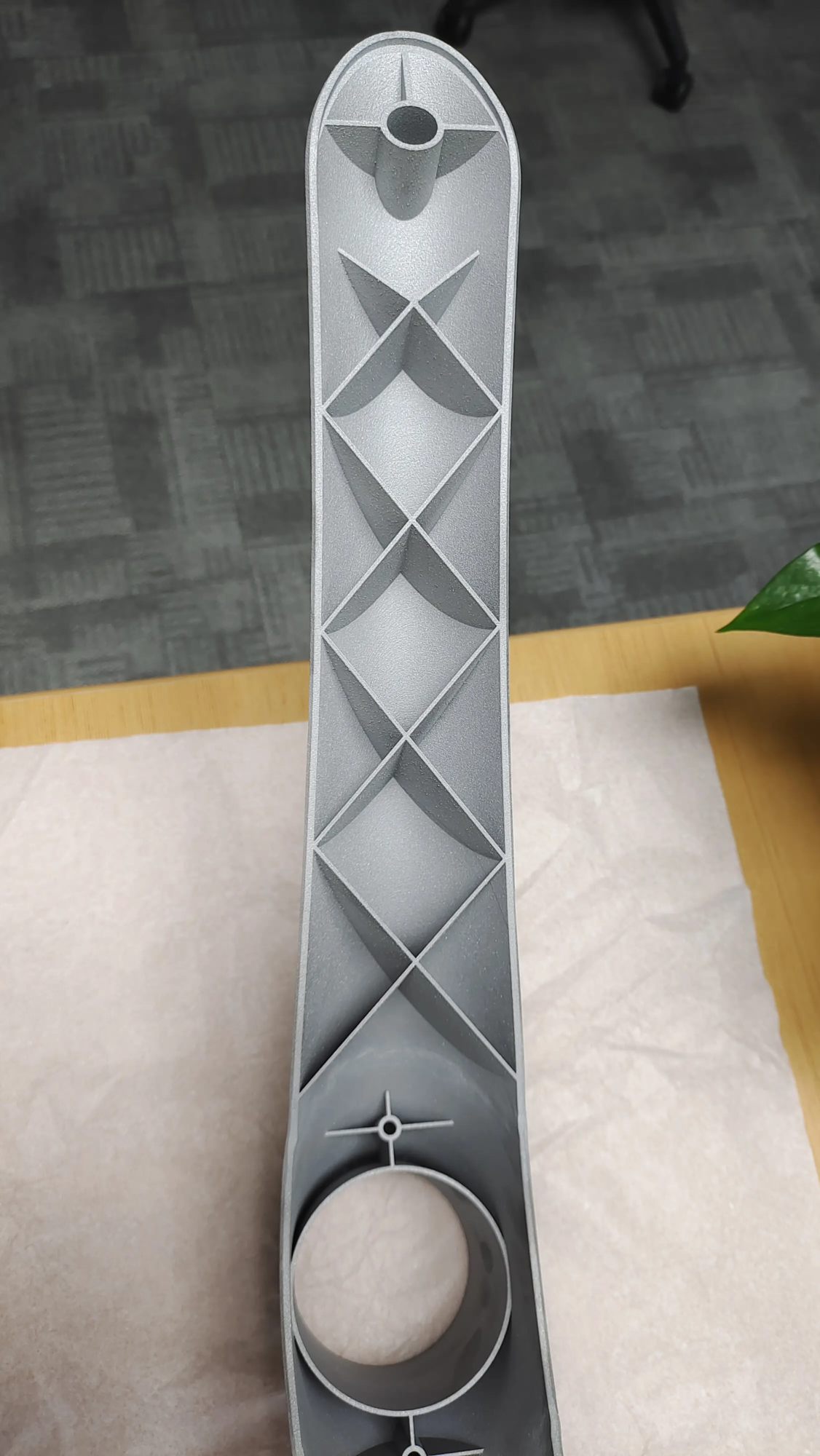
- (For advanced applications/metal parts): Need an ultra-precision mold master to cast rubber or foam? Need an extremely durable metal keel weight system? Professional SLM (Selective Laser Melting) Metal 3D Printingprovided by leaders like huge lightproducing dense metal parts made of stainless steel, aluminum alloys or titanium with exceptional precision. Ideal for micro-batch customization of joists or main patterns.
Stage 3: Printing – Precision is Key
- Slicer settings: Fine-tuning is critical for water resistance and strength.
- Circumference/Enclosure: Increase the number of perimeter walls (minimum 3-4). This is the primary defense against leaks and impacts.
- Fill density and pattern: Aim for 15-30%+. For stressed areas such as neck/keel mounts, higher. Use a grid, spiral or honeycomb pattern. For hollow floating baits, the filler mainly reinforces the attachment points.
- Floor height: Smaller ply heights (0.15mm-0.2mm) reduce visible ply lines, improving paintability/appearance and potential seam integrity.
- Printing temperature: Strictly follow the filament manufacturer’s recommendations for optimal layer adhesion.
- Print speed: Moderate speeds generally enhance interlayer adhesion. Avoid printing critical structures at too high a speed.
- support: Use necessary supports sparingly. Place them where they can be easily removed, preferably away from critical aesthetic surfaces. Adjust support interface distance/density for better removal.
- flow: calibration! Over squeezing can clog drain holes; not squeezing enough can weaken the wall.
- Raft/Edge: essential