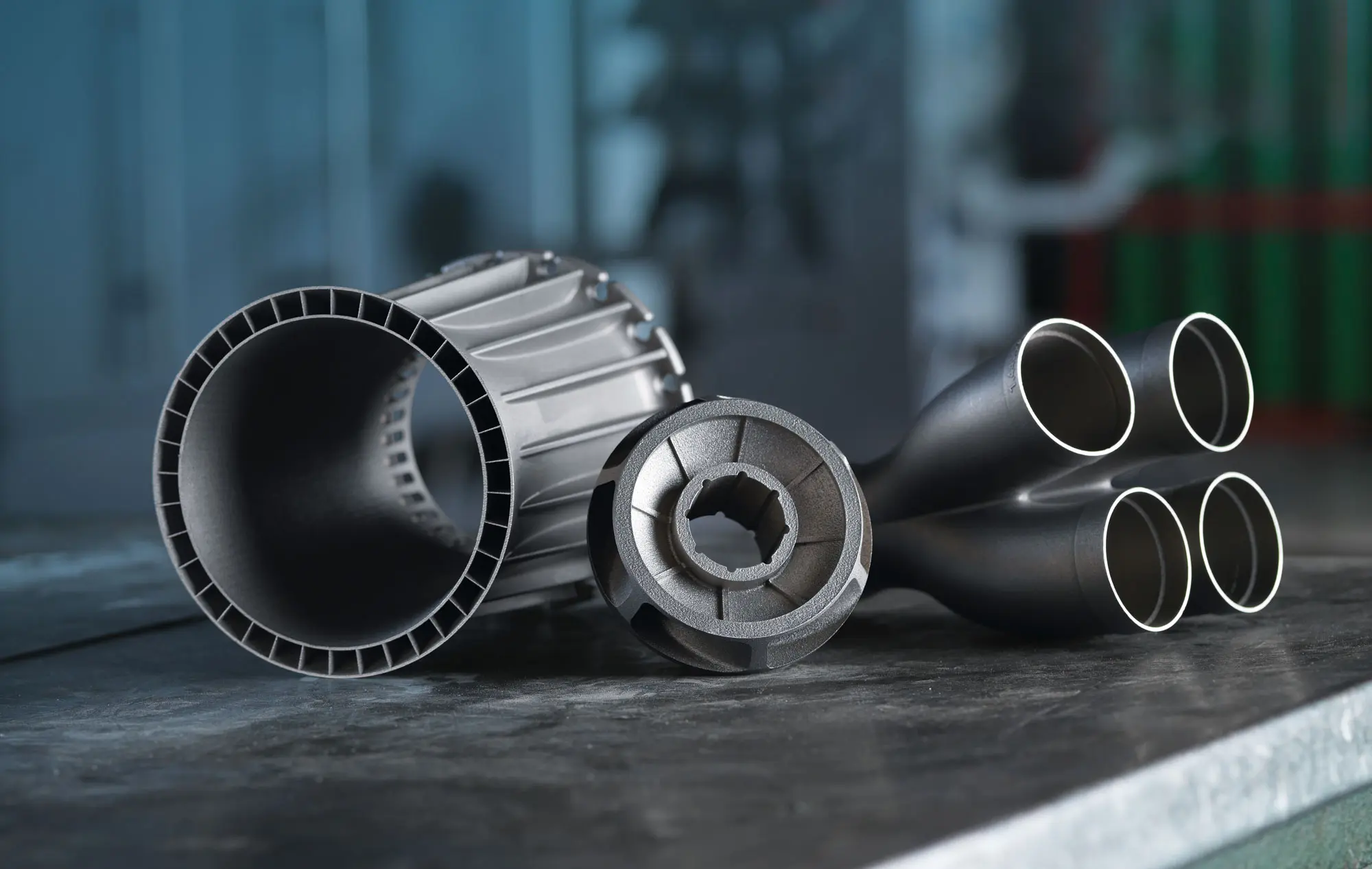
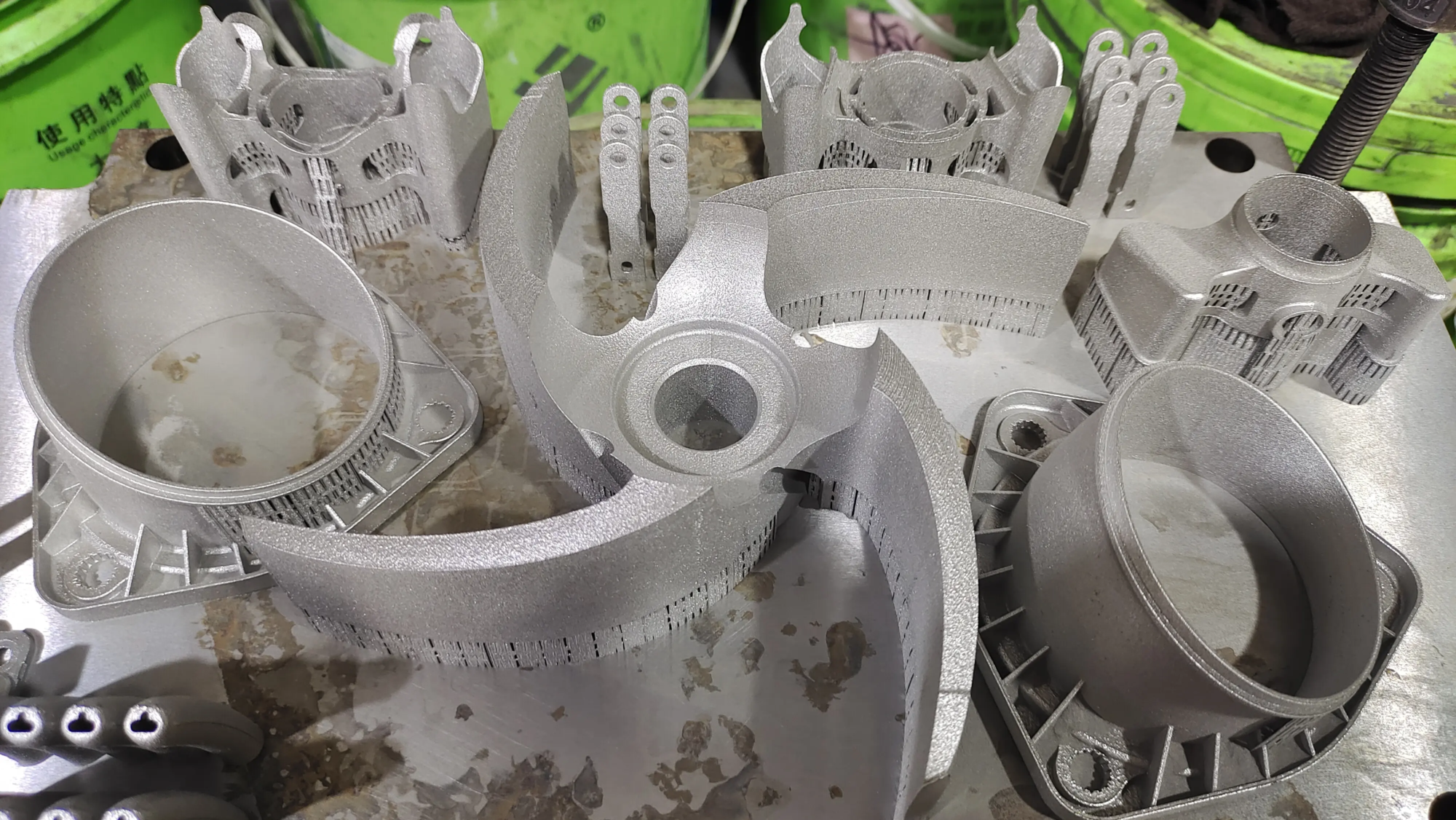
With the continuous development of the field of 3D printing, the importance of 3D file formats has become increasingly important. These formats are the backbone of the 3D printing process, allowing designers, engineers and manufacturers to share and print designs accurately and accurately. In this article, we will dig into the world of 3D file formats, exploring its different types, applications, and benefits.
When it comes to 3D printing, the most commonly used file formats are STL, OBJ, and AMF. STL (Stereoscopic Lithography) is one of the most widely used formats, mainly due to its simplicity and compatibility with most 3D printing software. It represents a 3D model as a collection of triangles, making it ideal for printing complex geometric shapes. However, STL files can be large and may not retain the original design intent, making them unsuitable for applications where accuracy and accuracy are critical.
OBJ (Object File Format) is another popular format that stores 3D models as a collection of vertices, edges, and faces. Unlike STL, OBJ files can retain original design intent, including textures, colors, and other properties, making it an excellent choice for applications that are essential for aesthetics and precision. Additionally, OBJ files can be edited and modified easily, allowing designers to make changes to their design without affecting the overall structure.
AMF (Additive Manufacturing File Format) is a relatively new format that has attracted great attention in recent years. It is designed specifically for additive manufacturing and has several advantages over traditional formats such as STL and OBJ. AMF files can store complex geometry, material properties and other manufacturing-related data, making them ideal for industrial-scale 3D printing applications.
In addition to these formats, there are several other file formats used in 3D printing, including PLY, 3MF, and VRML. PLY (Polygon File Format) is a simple text-based format that stores 3D models as collections of polygons, while 3MF (3D Manufacturing Format) is an XML-based format that stores 3D models, material properties, and manufacturing data. VRML (Virtual Reality Modeling Language) is an older format that was once widely used in 3D modeling and animation, but was largely replaced by more modern formats such as OBJ and STL.
The choice of 3D file formats depends on several factors, including the type of 3D printing technology used, the complexity of the design, and the level of accuracy and accuracy required. For example, STL files are commonly used for fusion deposition modeling (FDM) and stereolithography (SLA) printing, while OBJ files are commonly used for selective laser sintering (SLS) and Binder jet printing.
In short, 3D file formats play a crucial role in the 3D printing process, enabling designers, engineers and manufacturers to share and print their designs accurately and accurately. By understanding the different types of 3D file formats, their applications and benefits, users can choose the most appropriate format for their specific needs, ensuring that their designs are printed with the required quality and precision.
FAQ:
Q: What is the most widely used 3D file format?
A: STL (Stereoscopic Lithography) is the most widely used 3D file format, mainly due to its simplicity and compatibility with most 3D printing software.
Q: What is the difference between STL and OBJ file formats?
A: The STL file represents the 3D model as a collection of triangles, while the OBJ file stores the 3D model as a collection of vertices, edges and faces, retaining the original design intent, including textures, colors and other properties.
Q: What is the AMF file format and what are its advantages?
A: AMF (Additive Manufacturing File Format) is a relatively new format designed specifically for additive manufacturing. It offers several advantages over traditional formats such as STL and OBJ, including the ability to store complex geometry, material properties, and other manufacturing-related data.
Q: How to choose the correct 3D file format for my 3D printing needs?
A: The choice of a 3D file format depends on several factors, including the type of 3D printing technology used, the complexity of the design, and the level of accuracy and accuracy required. It is important to understand the different types of 3D file formats and their applications to choose the one that best suits your specific needs.