The Rise of 3D Printed Glock Frames: Leading the Way in DIY Manufacturing
The advent of 3D printing has revolutionized prototyping across industries, but few applications have sparked as much debate as DIY firearm frames. The Glock frame, the polymer chassis that houses key components, has become a focal point for enthusiasts exploring digital fabrication. As leaders in industrial rapid prototyping, we examine the technical realities, legal boundaries, and materials science behind this controversial application.
Technology Backbone: How 3D Printed Frames Are Designed
Design and digital workflow:
Printing gun mounts requires precision CAD files (usually in STL format) that are compatible with 3D printers. Unlike injection molded parts, additive manufacturing builds layers vertically, requiring:
- Specific wall thickness (~4-8mm) to withstand recoil forces
- Strengthen pinhole areas
- Support structures with angles exceeding 45 degrees
Material limitations and innovation:
While OEM Glocks use glass-filled nylon composite, enthusiasts typically use:
- PLA/PETG: low cost and printable, but prone to cracking under pressure
- Nylon (PA6/PA12): higher impact resistance, but requires advanced settings
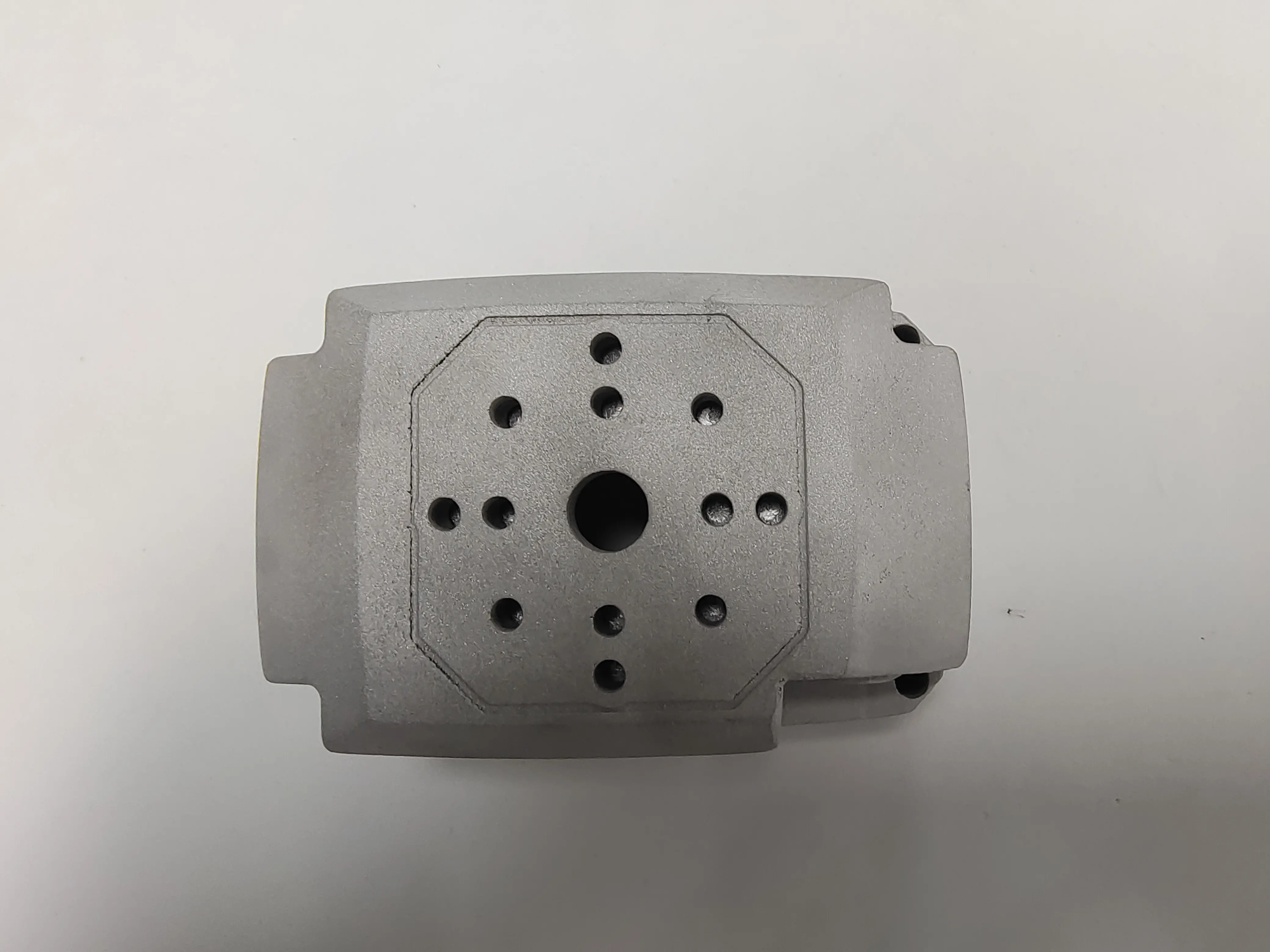
- For metal equivalents, industrial SLM/DMLS printers fuse titanium or stainless steel powder – but This is still too expensive/complicated for DIY
Our stress testing shows that the OEM durability of printed polymer frames is less than 20%. Heat/cold exposure accelerates warping, highlighting inherent limitations.
Navigating the Legal Minefield (U.S. Focused)
ATF regulations:
According to federal law (18 USC § 922):
- Undetectable Firearms Act bans frames with metal content <3.7 ounces
- Private manufacturing allowed For personal use only (Sale/distribution prohibited)
- State-level restrictions vary widely (e.g., California’s ban "ghost gun")
International considerations:
Most countries criminalize unauthorized manufacturing. Chinese law (where GreatLight operates) prohibits the printing of functional parts for firearms without state authorization.
Compliance Notes: Our prototyping services specialize in supporting authorized manufacturers in meeting ITAR/EAR compliance for any firearms related project.
The Prototyping Process: An Industrial-Grade Approach**
This high-level overview explains how authorized manufacturer Developing a framework through additive manufacturing:
- Stress modeling: FEA simulation identifies breaking points
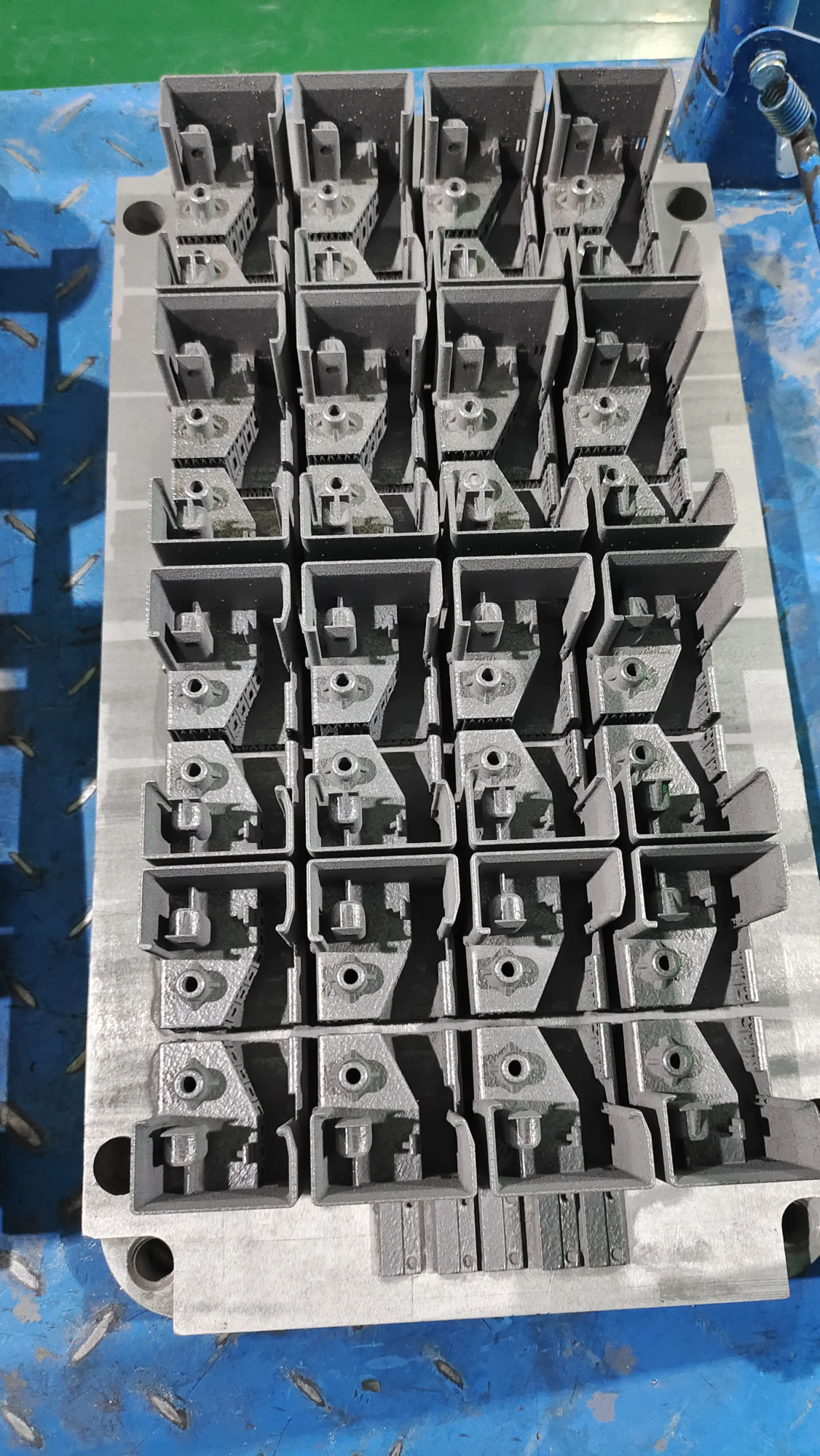
- Industrial printing: SLM for metals or industrial SLS for high temperature polymers
- strengthen: CNC machined steel inserts in pin holes
- test: Hydrostatic Pressure/Cyclic Load Verification
- finishing: Media blasted, anodized (metal) or stained (polymer)
DIY alternatives lack steps 1, 4 and 5 – creating a serious risk of failure.
Bigger goal: Beyond gun prototyping
While DIY gun racks grab the headlines, our work at GreatLight demonstrates the transformative potential of additive manufacturing:
- Automotive: Lightweight turbine manifold printed with Inconel 718
- Aerospace: Titanium fuel nozzle assembly reduces weight by 30%
- Medical: Biocompatible surgical guides for maxillofacial reconstruction
Our SLM printers achieve ±0.05mm tolerances on aluminum, stainless steel, titanium and advanced polymers – unleashing innovation where reliability matters most.
in conclusion
3D printed Glock frames represent a technological possibility but present dangerous pitfalls for untrained manufacturers: material limitations, legal risks, and risk of catastrophic failure outweigh the perceived benefits. However, this controversial application demonstrates the disruptive potential of additive manufacturing. For OEMs looking for functional prototypes, industrial-grade SLM printing offers unparalleled accuracy – but strict legal compliance remains critical. As technology evolves, professionalism and responsibility must guide its application.
FAQ
Q: Is it legal to 3D print Glock frames?
A: In the United States, federal law allows personal manufacturing (with restrictions), but most states impose additional prohibitions. Outside the United States, this is generally illegal. Always consult legal counsel before attempting this.
Q: What is the strongest material for DIY frames?
Answer: Compared with PLA/PETG, carbon fiber nylon (PA-CF) has excellent layer adhesion. However, in drop testing, it still broke at about 15% of the OEM frame’s durability.
Q: Can GreatLight print gun mounts for customers?
A: We specialize in servicing licensed manufacturers who provide FFL/SOT compliance certification and ITAR certification for any weapons related prototype design. Enthusiast’s request was denied.
Q: How do metal printed frames compare to polymer frames?
A: SLM-printed titanium frames are close to OEM strength, but require more than $500,000 in industrial printers and post-processing. This is not possible with desktop printers.
Q: What are safer alternatives to gun programs?
A: Consider competition shooting accessories—magazines, holster holders, or training replicas—that do not pose compliance risks but take advantage of similar prototyping workflows.
Transform concepts into reality
Pushing the boundaries of manufacturing responsibly. GreatLight combines industrial SLM printers, CNC post-processing and materials science expertise to deliver mission-critical prototypes of aerospace-grade metals and polymers. Our in-house quality control laboratory verifies every dimension.
→ Talk to our engineering team today about carbide injection molds, wind tunnel tested automotive parts or ISO 13485 medical prototypes. [Contact for Industrial Projects]