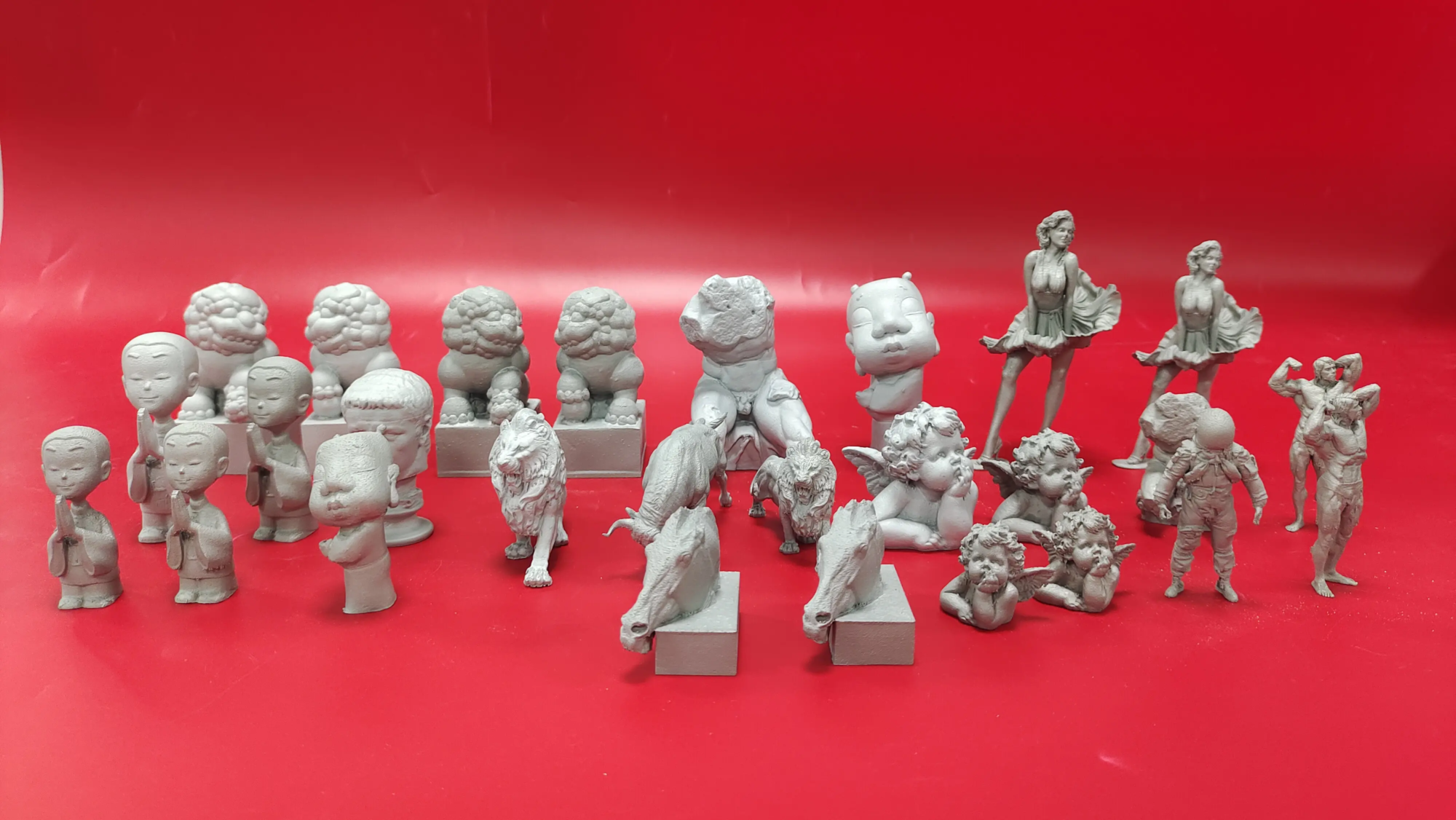
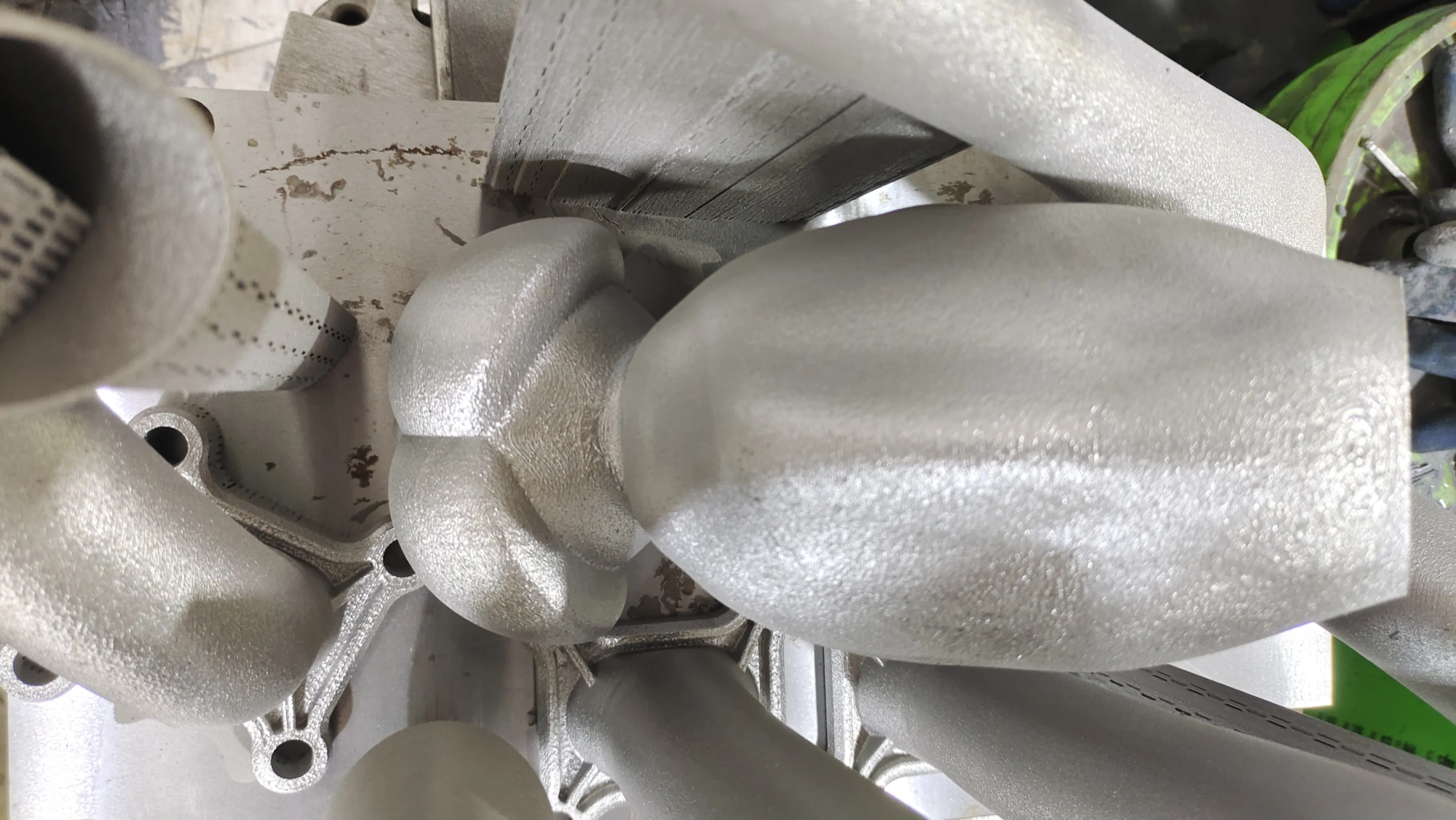
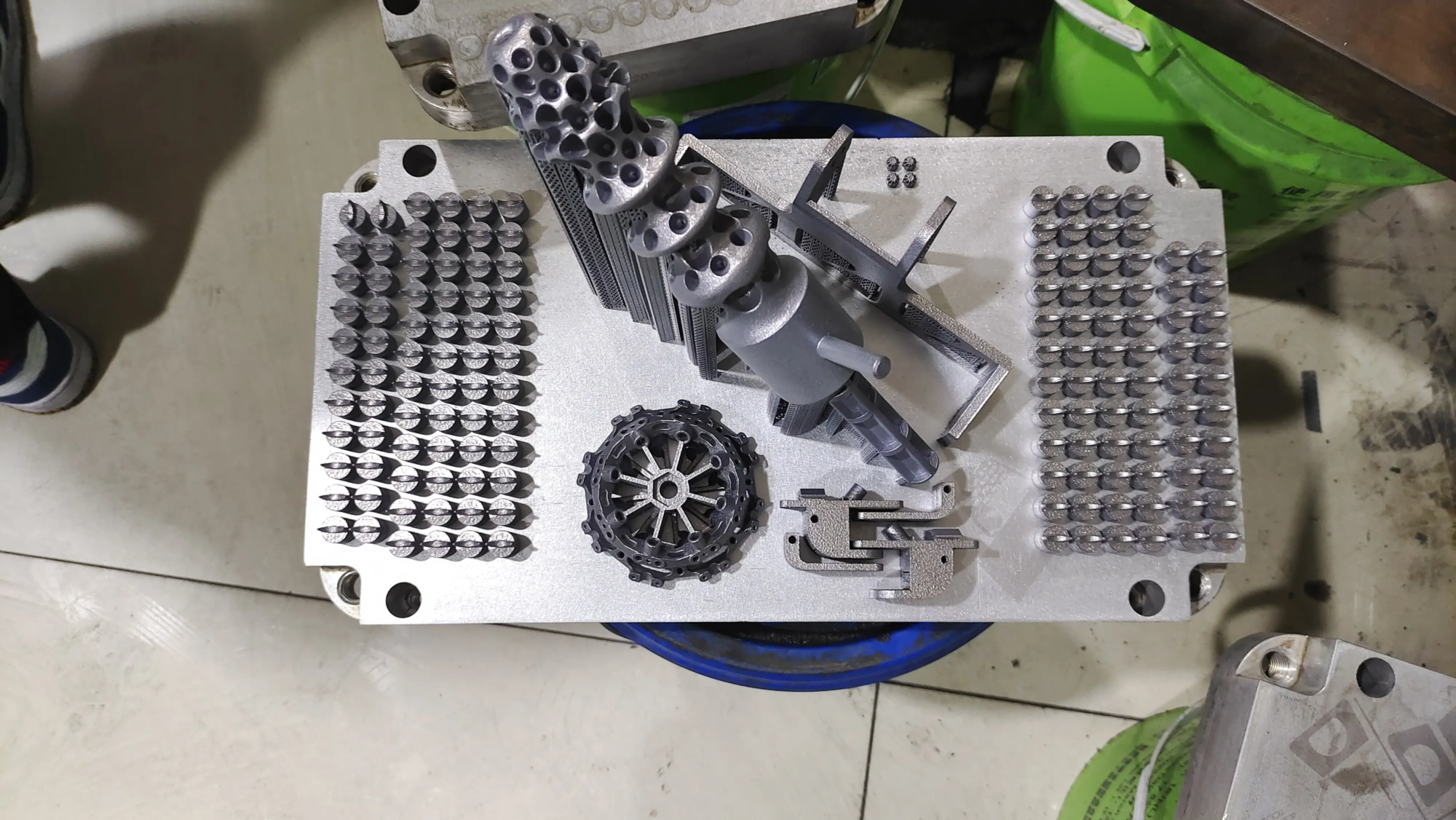
With the advent of 3D printing technology, a major transformation has taken place in the medical field. This innovative technology has the potential to revolutionize the way medical professionals handle patient care, surgical planning and equipment development. 3D printing has the ability to create customized, complex structures, opening up new avenues for medical research, diagnosis and treatment.
One of the most important applications of 3D printing in medicine is to create customized prosthetics and implants. Traditional prosthetics often require multiple accessories and adjustments, which can be time-consuming and expensive. 3D printing can create prosthetics tailored to the specific needs of an individual, providing a more comfortable and functional fit. Additionally, 3D printing can be used to create implants with complex geometry such as dental implants, hip replacements, and intracranial implants that can improve the success rate of surgical procedures.
Another area where 3D printing has a significant impact is surgical planning and training. Medical professionals can use 3D printing to create detailed models of patient anatomy, allowing them to practice and perfect their surgical techniques before performing a practical operation. This can improve surgical outcomes, reduce complications and enhance patient safety. Additionally, 3D printing can be used to create custom surgical guides that can help surgeons browse complex processes with greater accuracy and accuracy.
3D printing is also used to develop innovative medical devices such as customized surgical instruments, implantable devices and diagnostic devices. For example, 3D printing can be used to create customized surgical forceps tailored to the specific needs of surgeons and patients. Likewise, 3D printing can be used to develop implantable devices such as pacemakers and cochlear implants that can be designed to meet the specific needs of the patient.
In addition to these applications, medical research also uses 3D printing to create complex tissue and organ models. These models can be used to study disease behavior, develop new treatments, and test the efficacy of new drugs. For example, 3D printing can be used to create a cancer tumor model that can be used to develop personalized treatment plans and improve patient outcomes.
In short, 3D printing has the potential to change the medical field in many ways. From creating custom prosthetics and implants to developing innovative medical devices and surgical guidelines, 3D printing is revolutionizing the way medical professionals are. As technology continues to evolve, we can expect to see more innovative applications of 3D printing in medicine, thereby improving patient outcomes, enhanced surgical safety and reduced health care costs.
FAQs (FAQs)
Q: What is 3D printing in medicine?
A: 3D printing in medicine refers to the use of three-dimensional printing technology to create customized medical devices, prosthetics, implants and surgical guidelines.
Q: What are the benefits of 3D printing in medicine?
A: The benefits of 3D printing in medicine include improved patient outcomes, enhanced surgical safety, reduced health care costs, and accessibility to medical devices and prosthetics.
Q: What types of medical devices can be created using 3D printing?
A: 3D printing can be used to create a variety of medical devices, including customized prosthetics, implants, surgical guidelines and diagnostic devices.
Q: Is 3D printing in medicine regulated?
A: Yes, 3D printing in medicine is regulated by various government agencies such as the FDA to ensure the safety and efficacy of 3D printed medical devices.
Q: How does 3D printing work in medicine?
A: 3D printing in medicine is the 3D printing of customized three-dimensional prints by using a patient’s anatomy or digital models of the required medical equipment. Create prints layer by layer using a variety of materials such as metals, plastics and biomaterials.
Q: What is the future of 3D printing in medicine?
A: The future of 3D printing in medicine is promising, potential applications in personalized medicine, regenerative medicine and point-of-care manufacturing. With the continuous development of technology, we can expect to see innovative applications of 3D printing in medicine.