Dive Deeper: Bring your aquatic fantasies to life with a 3D printed mermaid
The mystical allure of mermaids has captured the human imagination for centuries. From ancient sea legends to modern movie epics, these creatures embody the beauty, mystery and wild spirit of the ocean. Today, technological innovation offers a stunning new way to capture that magic: 3D printing. Forget mass-produced trinkets—the age of custom, intricate, and life-like 3D printed mermaids has arrived.
Beyond Clay Modeling: Sculpting Your Dreams Digitally
The 3D printed mermaid’s journey doesn’t begin in a sculptor’s studio with chisels and clay, but in the infinite realm of digital art. Using advanced computer-aided design (CAD) software or sophisticated digital sculpting tools, artists can imagine stunning visual effects:
- Surreal details: Capture every subtle curve of a fish’s fins, the delicate flow of underwater hair, the expressive contours of a face, or the intricate scales that sparkle in virtual light.
- Dynamic poses: Free yourself from physical restraints and let your mermaid dive gracefully, jump with joy, or rest peacefully on the rocks. Freedom is limited only by imagination.
- Unique interpretation: Go beyond traditional descriptions. Create steampunk sirens using mechanical components, whimsical cartoon characters, ethereal fairy-mermaid hybrids, or creatures born from your deepest, most original creative visions.
- Personalization: Work with an artist or learn basic carving to create custom designs that reflect specific features, accessories, or incorporate meaningful symbols.
This digital sculpture becomes a precise blueprint for the physical manifestation of your aquatic dreams.
The technology behind the magic: from files to forms
Transforming complex and often fragile digital sculptures into tangible objects requires advanced manufacturing techniques. Different 3D printing processes excel at bringing different aspects of mermaid vision to life:
-
Resin printing (SLA/DLP):
- Suitable: Unparalleled surface detail, smooth finishes and intricate features such as fine scales, flowing hair and delicate facial expressions. Ideal for smaller, highly detailed statue parts or assemblies.
- process: Liquid photopolymer resin is selectively cured layer by layer using a UV laser or light projector.
- Things to note: Often parts are produced that require careful handling and post-curing to achieve ultimate strength. Material selection affects properties such as flexibility or brittleness.
-
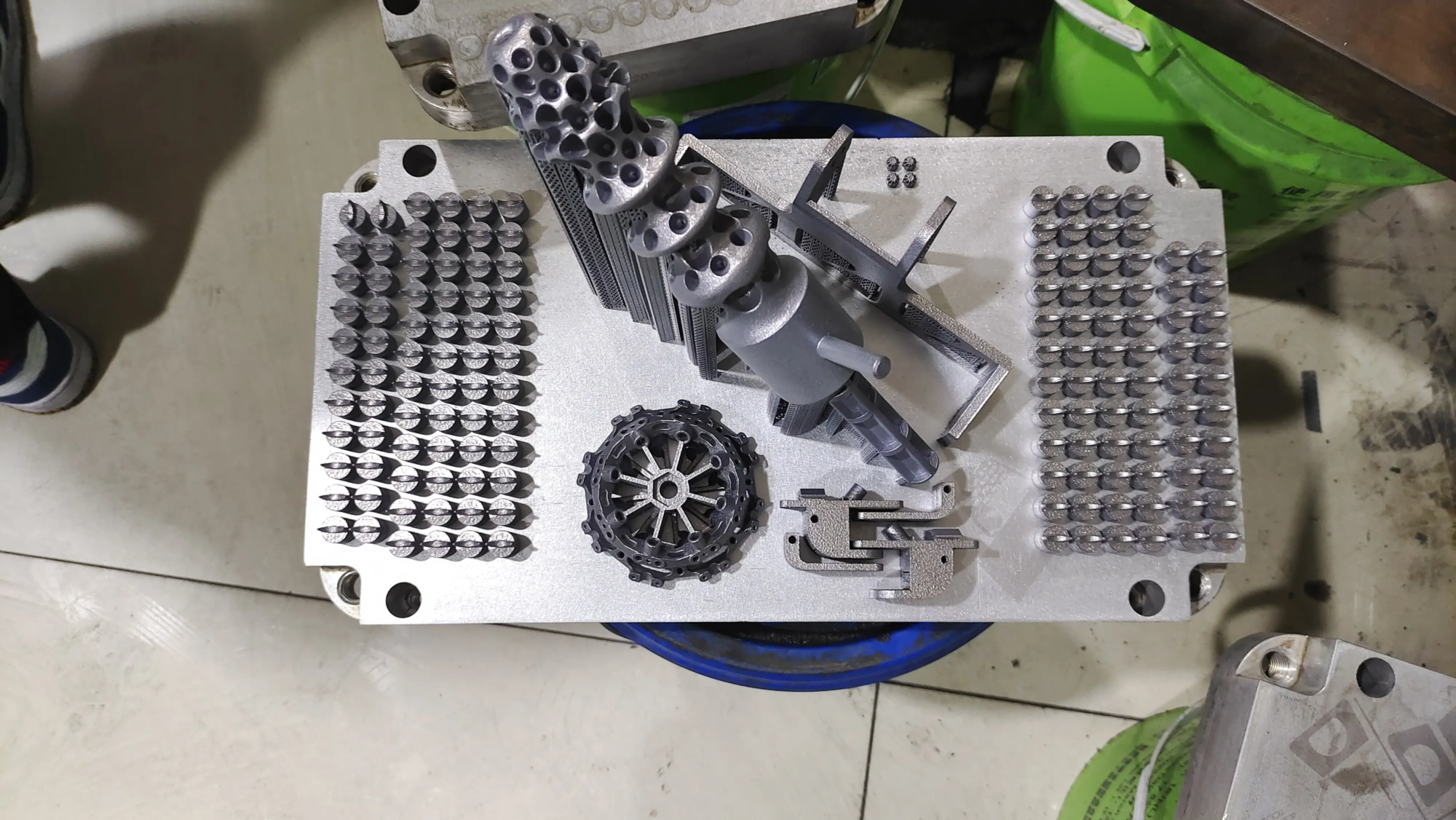
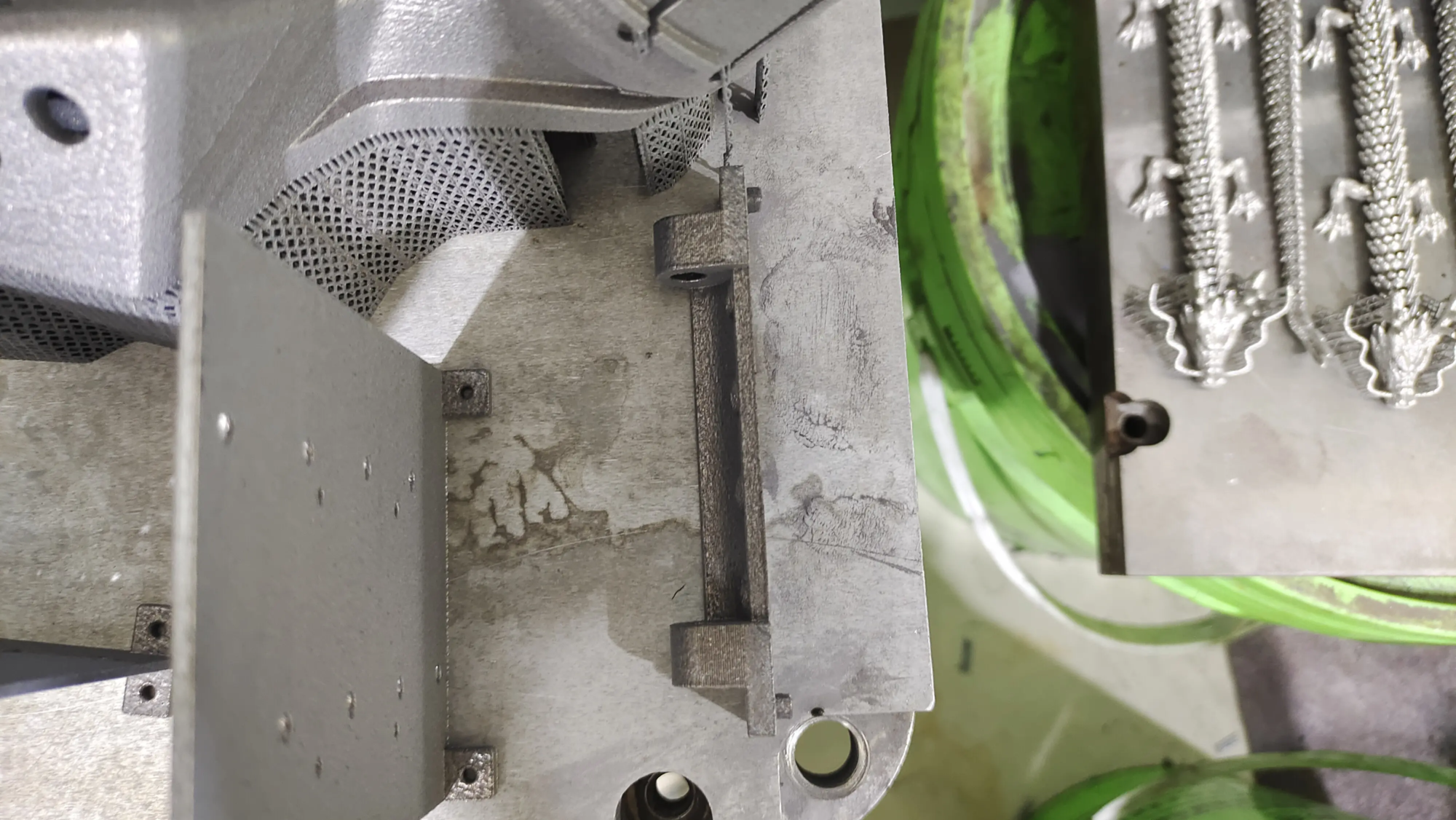
Selective Laser Melting (SLM)/Metal Powder Bed Melting:
- Suitable: Create extremely durable, detailed pieces Metal Mermaid sculpture – a truly statement piece. Think powerful or intricate designs captured in stainless steel, titanium or aluminum. Perfect for commissioned art pieces, awards or a stunning centerpiece that requires durability and heft.
- process: High-power lasers precisely melt and fuse fine metal powder particles, layer by layer. This makes incredible geometric complexity impossible with traditional metal machining.
- Great light edge: As experts in SLM technology, companies such as huge light With state-of-the-art printers, materials expertise including a variety of stainless steel, titanium, aluminum alloys, and rigorous protocols required to achieve superior results in metals. They expertly handle challenges such as thermal deformation and complex support structure removal inherent in complex metal printing. Their one-stop post-processing ensures the final piece is polished, heat-treated where necessary and finished to perfection.
- Fused Deposition Modeling (FDM):
- Suitable: Large sculptures, functional art pieces (like lamp bases) or prototypes at lower cost using thermoplastic filaments (PLA, ABS, PETG).
- process: Molten thermoplastic filaments are extruded through a heated nozzle, depositing the material layer by layer.
- Things to note: Visible layer lines require extensive post-processing (sanding, filling) to obtain a smooth surface. Less suitable for very fine details than resin or metal SLM.
Why choose professional 3D printing services for your mermaid?
While hobbyist printers exist, achieving a truly stunning, durable, and professionally finished 3D mermaid sculpture often requires working with an expert:
- Access to advanced technology: Professional services leverage industrial-grade SLA, DLP and SLM machineunlocking details and material possibilities well beyond the scope of consumer devices.
- Material mastery: Experts have a sophisticated understanding of material properties—from resin formulas that mimic the effect of translucent skin or jellyfish to strong metal alloys—and guide you in making the best choices based on your design needs (aesthetics, strength, size, environment).
- Design optimization: Experienced technicians can check your model for printability and recommend modifications to minimize supports, prevent warping, and ensure structural integrity, which is especially important with delicate fins or thin components.
- Expert post-processing: This stage transforms the original print into art. Similar services provided huge light Includes meticulous support removal, sanding (by progressively finer grit), polishing (hand or machine for metal/resin), specialized surface treatment (painting, plating, rusting) and assembly (if required). Achieving museum-quality or aquarium-safe finishes requires deep expertise.
- Scale and complexity handling: Professionals excel at executing large-scale prints or highly complex geometries, where precise temperature control, advanced slicing algorithms, and rugged machines are critical.
Unlocking possibilities: 3D printed mermaids shine
- Collectibles and Fine Art: Commission or create a unique, highly detailed statue or sculpture.
- Jewelry: Design an intricate pendant, earrings or ring in the shape of a miniature mermaid.
- Home decoration: Create stunning statues, gorgeous lamp bases, or even custom aquarium sculptures (using safe materials).
- Role play and props: Create elaborate costumes with detailed armor, accessories, or lightweight props.
- Animation and film prototyping: Quickly generate physically accurate models for stop-motion animation or reference.
- Protection and Education: Replicate rare artifacts for museum displays or create educational models of marine life.
Conclusion: Make a splash with your personalized Kraken sculpture
The dream of owning a unique, beautifully crafted mermaid – the embodiment of your specific aquatic fantasy – is no longer limited to the elite world of mythology or traditional sculptors. 3D printing democratizes artistic creation. With the power of digital design and advanced manufacturing technologies such as resin printing and industrial SLM metal printingstunningly detailed and personalized mermaid sculptures are now within your reach. From delicate miniature jewelry pieces to imposing stainless steel masterpieces, the possibilities are endless.
Work with experienced rapid prototyping partners such as huge lightsignificantly improve results. Their expertise in precision manufacturing, mastery of SLM technology, diverse material selection (particularly metals) and comprehensive post-processing capabilities ensure your vision seamlessly transitions from captivating digital dream to stunning tangible reality. Dare to reach deep into your imagination—the tools to print your own Siren Song now exist.
Frequently Asked Questions About 3D Printed Mermaids
Q1: How much does it cost to customize a 3D printed mermaid?
A: Costs vary widely based on the following factors size, complex, selected material (simple plastic and stainless steel), Complete level (original print with high gloss polish/painting), and production partner. Prices can start in the hundreds of dollars for small resin sculptures and can run into the thousands for large, intricate metal sculptures. Complexity significantly affects print time and material usage.
Q2: What are the best materials for making detailed mermaid sculptures?
A: For ultimate detail and smooth surface, photopolymer resin (SLA/DLP printing) Excellent. Stunning details combined with durability and a premium feel, Metal printing (such as SLM/SLS) Using stainless steel, titanium or aluminum is unbeatable, but usually costs more. Material selection depends on your priorities: detail, durability, weight, finish and budget.
Q3: Can I print a mermaid with articulated parts (movable tail, arms)?
Answer: Yes! This involves designing components (such as ball joints or hinges) with precise tolerances In the digital modeling stage. Printability depends on the technology and materials chosen, and the joints must be strong enough to avoid breakage or excessive loosening. Resin printing often works well with complex joints at smaller sizes. Negotiation with the manufacturer is crucial.
Q4: How big can the 3D mermaid be printed?
A: Sizes range from tiny pieces of jewelry (< 1 inch) to life-size statues and even larger. Professional services with industrial printers (For example, GreatLight’s SLM machine) provides much larger print volumes than hobby printers. Large sculptures are often printed in sections and professionally assembled and finished.
Q5: How long does it take to get a 3D printed mermaid?
Answer: The timeline is divided into several stages: Design/finalization (Varies greatly depending on complexity), Preparing for printing (slice/support build – hours), actual printing (timeframes can be hours for small resin parts and days for large/complex metal parts), and Post-processing (Hours to days, depending on complexity/surface finish requirements). Faster printing usually costs more (optimized settings, priority scheduling).
Q6: Can I provide my own 3D model?
Answer: Of course! Most professional services accept STL or other compatible files provided by the client. They will advise on printability, optimize the file if necessary (usually for a fee), and recommend any design modifications. Additionally, many services offer expert in-house design capabilities or partnerships with designers. Always make sure your model is "water proof" (manifold) printed successfully.
Q7: Is it safe to place a 3D printed metal mermaid in an aquarium? Material certification?
Answer: This requires extreme caution. Materials must be completely non-toxic and inert in water. Certain appropriately treated metals (e.g. passivated stainless steel 316L), possible is suitable, but rigorous leaching testing is necessary. Resins require specific aquatic safety certification – standard photopolymers are not aquarium safe. no way Placing 3D printed objects in aquariums without explicit confirmation from the manufacturer precise Materials and their proven aquatic safety certification.