Making your own 3D printed phone stand: a step-by-step DIY guide to personalization and innovation
Tired of a universal, swinging phone stand? Why not unleash your creativity and produce custom solutions that are perfect for your device and aesthetics? 3D printing enables you to design and manufacture unique mobile phone racks that are tailored to your needs. It’s not only practical; it’s a meaningful manufacturer project! This comprehensive guide will bring you the whole process from concept to finished product.
Why 3D printing your phone rack?
- Final Customization: Design a holding stall your The phone model is perfect (with or without a case), provides multiple perspectives, integrated cable management, features your name or embody the design aesthetics you like.
- Cost-effective: The use of minimal filament material compared to commercial alternatives, especially after the initial printer investment.
- Instant iteration: Modify the design digitally and reprint when an upgrade or repair is required.
- Personal satisfaction: Experience the pride of creating a tangible functional object.
- Material selection: Choose from a variety of filaments – durable PLA or ABS, flexible TPUs for grip, stylish wood or metal-filled PLAs, and even try gradients.
Step by step DIY guide:
-
Conceptualize your design:
- Define requirements: Will the bracket fix your phone vertically/horizontally? Adjustable angle? A stable foundation for heavier tablets/phones? Port access? Weight requirements?
- Key Measurements: Accurately measure the height, width, thickness of the phone (if used, use). This determines the geometry and support points of the cradle.
- inspiration: Explore platforms like Thingiverse, Printables, or Cults3D for existing designs. Use them as a starting point for inspiration or unique creation.
-
Design (or download) your model:
- beginner: Start with a great open source design of the repository. Filter by phone model or required features. Popular designs include minimalist rectangles with slots, adjustable arms, foldable designs or fun statue stands.
- DIY Designer: Using CAD software:
- Tinkercad (beginner friendly): Create geometric designs with ease.
- Fusion 360 (Advanced): Provide parameter control for precise iterative design. Create sketches, extrude functionality, and consider adding rounded corners/radii for intensity and aesthetics. Key Features: Cradle of the phone (make sure the lip or grip), support rear arm/stay, stable base (TV balance), and potential cable routing holes.
- Strength considerations: If necessary, add reinforcements (ribs) to high pressure areas. Make sure the base has sufficient contact area to prevent tilting.
-
Prepare to print (slice):
- Import your model: Open
.STLFiles in slicing software (Cura, Prusaslicer, Simplify3d). - direction: Position the model to maximize stability on the build board. Usually, this means flattening the base. Avoid a lot of overhangs when supporting structure is critical.
- Layer height: 0.15mm to 0.2mm provides good detail and speed balance.
- Fill density: 15-25% are usually sufficient to achieve rigidity. For larger/heavy brackets or thinner designs, it will increase to 30-40%. Mode selection "ability" Provides good strength to weight ratio.
- support: Enables noticeable overhang (>45-60 degrees). When possible, avoid support or visible surfaces on the cell phone cradle as they leave marks. The tree supports more efficiently.
- Edge/raft: Use edges (3-5 mm wide) for better small foundation adhesion. Skirts are sometimes enough.
- Material settings: Configure temperature, bed adhesion and cooling for your chosen filament (the most common PLA). Crucial: Set the printing speed to a low detailed part to ensure accuracy and layer adhesion. 40-50 mm/s is a great starting point.
- Import your model: Open
-
Print your stands:
- Flat bed: Successful adhesion is crucial.
- Material preparation: Make sure the filaments are dry. Feed correctly.
- Start printing: Monitor the first few floors closely. Pay close attention to printing to solve problems such as layer separation or early distortion.
- patience: Let the printing be completed completely without interruption. Cooling is crucial – do not remove it immediately.
- Post-processing:
- Support removal: Carefully use shear, pliers or tweezers to remove the support structure. Grind any rough patches.
- Grinding: Start with coarse sand (e.g. 120-180) to remove layer lines and imperfections. Progress to finer gravel (e.g., 220-400+) to make it smooth. Wet sand can prevent clogging with certain materials.
- clean: Gently wash parts with soap and water to remove dust and oil.
- Enhanced (optional):
- Start and Painting: Apply spray filler primer, dry again when sand, and then spray paint with acrylic. Sealed with a clear jacket.
- Vapor Smoothing (ABS only): Using acetone vapor will create a smooth and smooth finish.
- polishing: A polishing agent, having a compound, may have a glossiness on PLA or PETG.
- Surface texture: Consider providing special filaments such as wood or marble PLA with inherent visual texture.
Conclusion: Your portal to personalized functional design
3D printed phone racks are much more than weekend projects; it’s a journey of digital manufacturing and customization to solve problems. Not only can you tailor-made accessories for your equipment and style, but you also gain valuable experience in design thinking and additive manufacturing capabilities. The satisfaction derived from holding functional objects that you conceive and print is unparalleled.
This project is an excellent entry point to enter the world of 3D printing. Once you have mastered the fundamentals (from digital design, slice to printing and finishing), you can create many other features and potential for decorative items for your home, hobby or professional life. Embrace the iteration process; don’t hesitate to adjust and reprint. Each version brings you closer to perfection and deeper understanding. Now, start your slicer and start creating!
FAQ: Your 3D printed phone stand question has been answered
-
Q: How long does it take to print a 3D mobile phone rack?
- one: Time varies greatly. A simple design can take 1-2 hours. More complex or larger stands (for tablets) that require high-fill/fine layers may take 4-8 hours or more. The setting of the slicer greatly affects this.
-
Q: What is the strongest filament for durable phone stand?
- one: PLA is very rigid and is perfect for most applications. The ABS is stronger, more temperature resistant, smooth, but requires heated housing and can be twisted. PETG offers a nice middle ground – stronger, more flexible/sturdy than PLA, temperature resistant, easier to print than ABS without fences, and chemical resistance.
-
Q: How much weight can a 3D printed mobile phone holder hold?
- one: This depends to a large extent on the complexity of the design, wall thickness, fill density/mode, direction of the printing layer relative to the load, and the filament material used. The well-designed PLA stand has >25% fill and should easily accommodate modern smartphones and many tablets. Prioritize the accuracy of structural design – A good CAD model ensures the strength it needs.
-
Q: My prints are twisting all the time. How can I solve it?
- one: Warpage is usually caused by poor bed adhesion and cooling pressure. Make sure the bed is perfect. Clean the bed thoroughly (isopropanol). Use adhesion aids: glue sticks, hairspray or special adhesive (PEI, Buildtak). Use edges. Heat the bed properly to get your filaments (e.g., PLA is 60°C). Consider using a casing, especially for ABS. Minimize drafts around the printer.
-
Q: Do I really need post-processing?
- one: it depends! For pure functionality, removing support may be enough. If you want a professional, smooth, aesthetically pleasing finish (hiding layers, ready to paint), polishing, primer or other post-treatment is crucial. It significantly improves the appearance.
- Q: Can I buy a telephone stand made of metal?
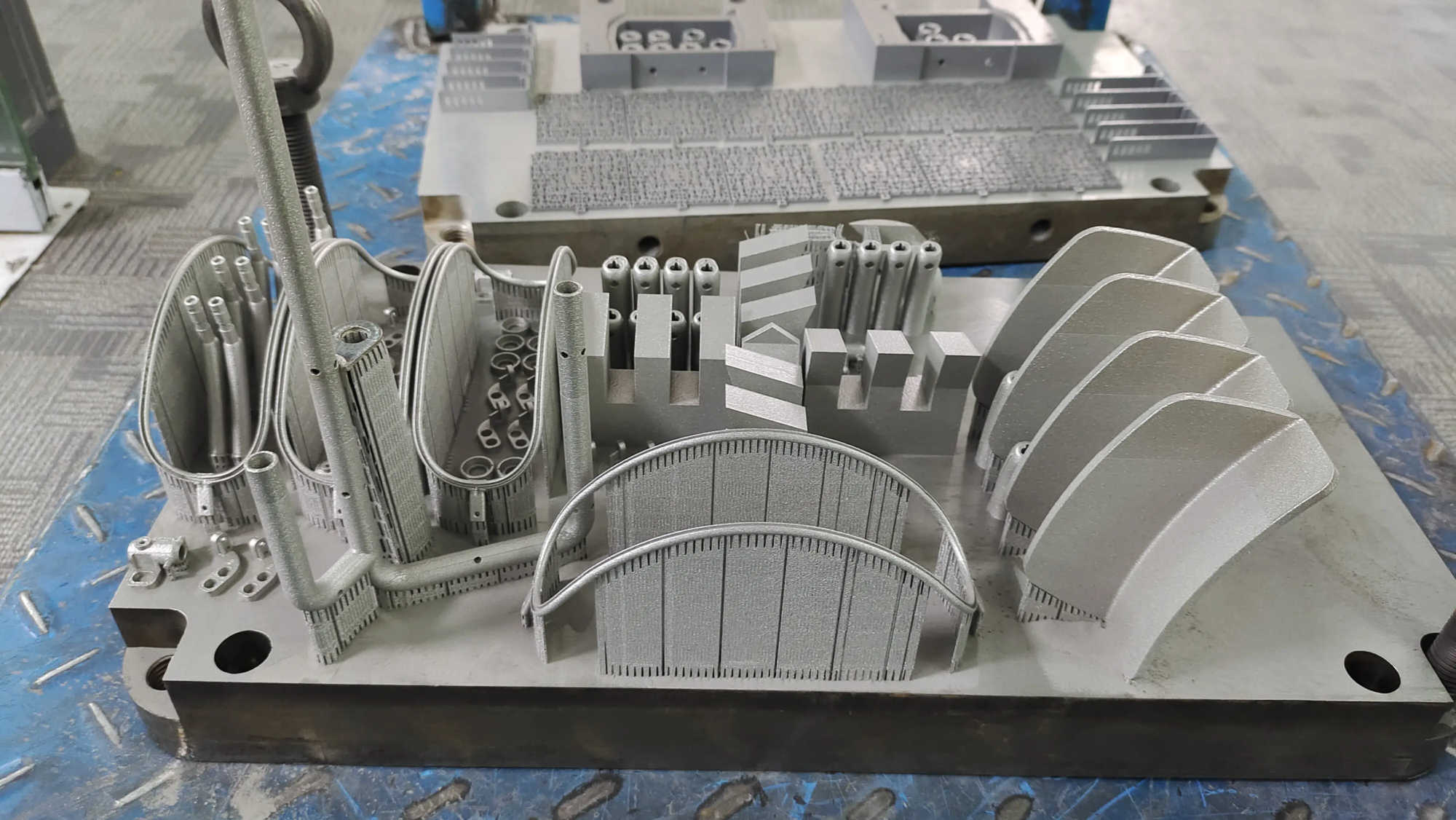
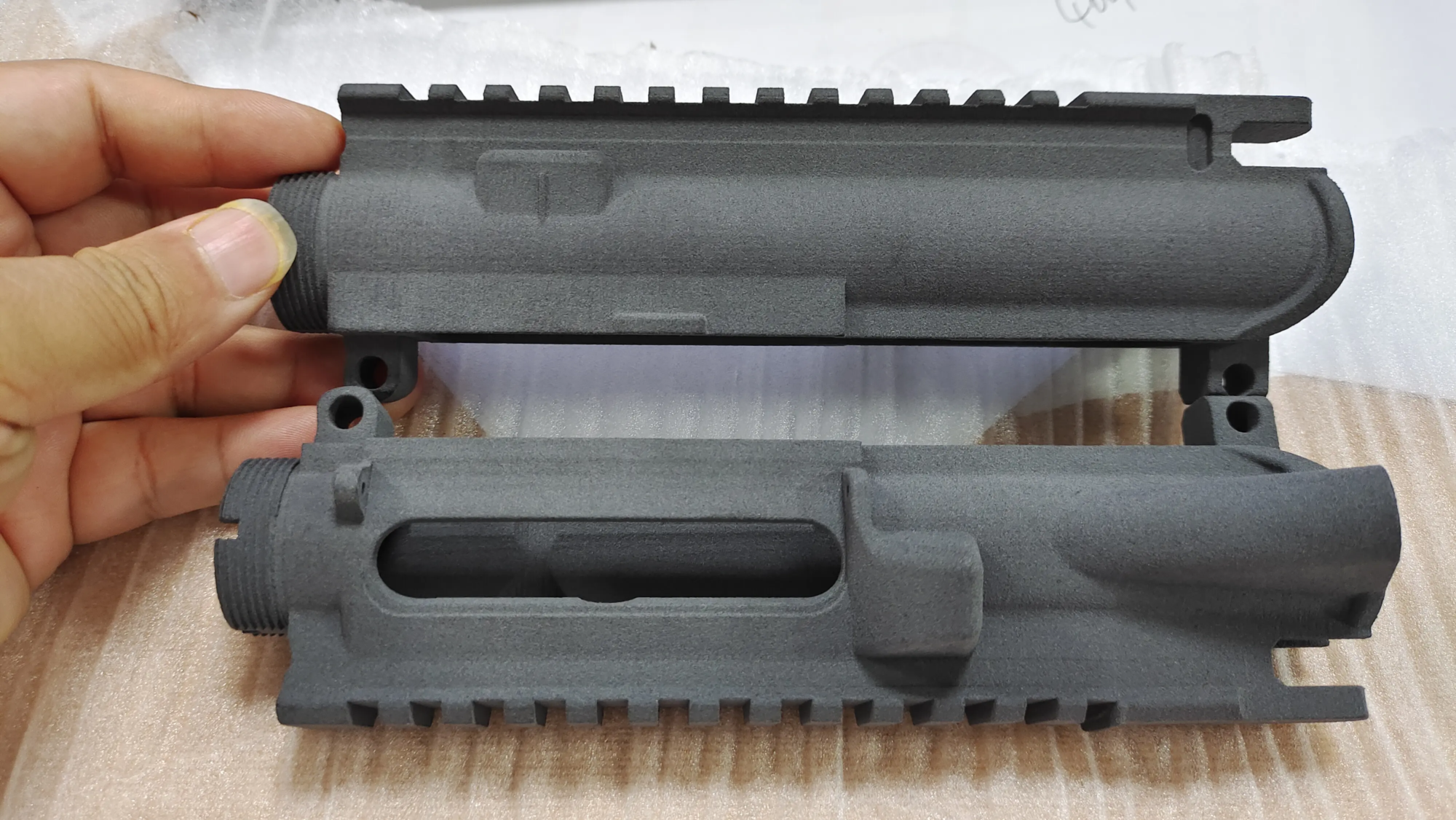
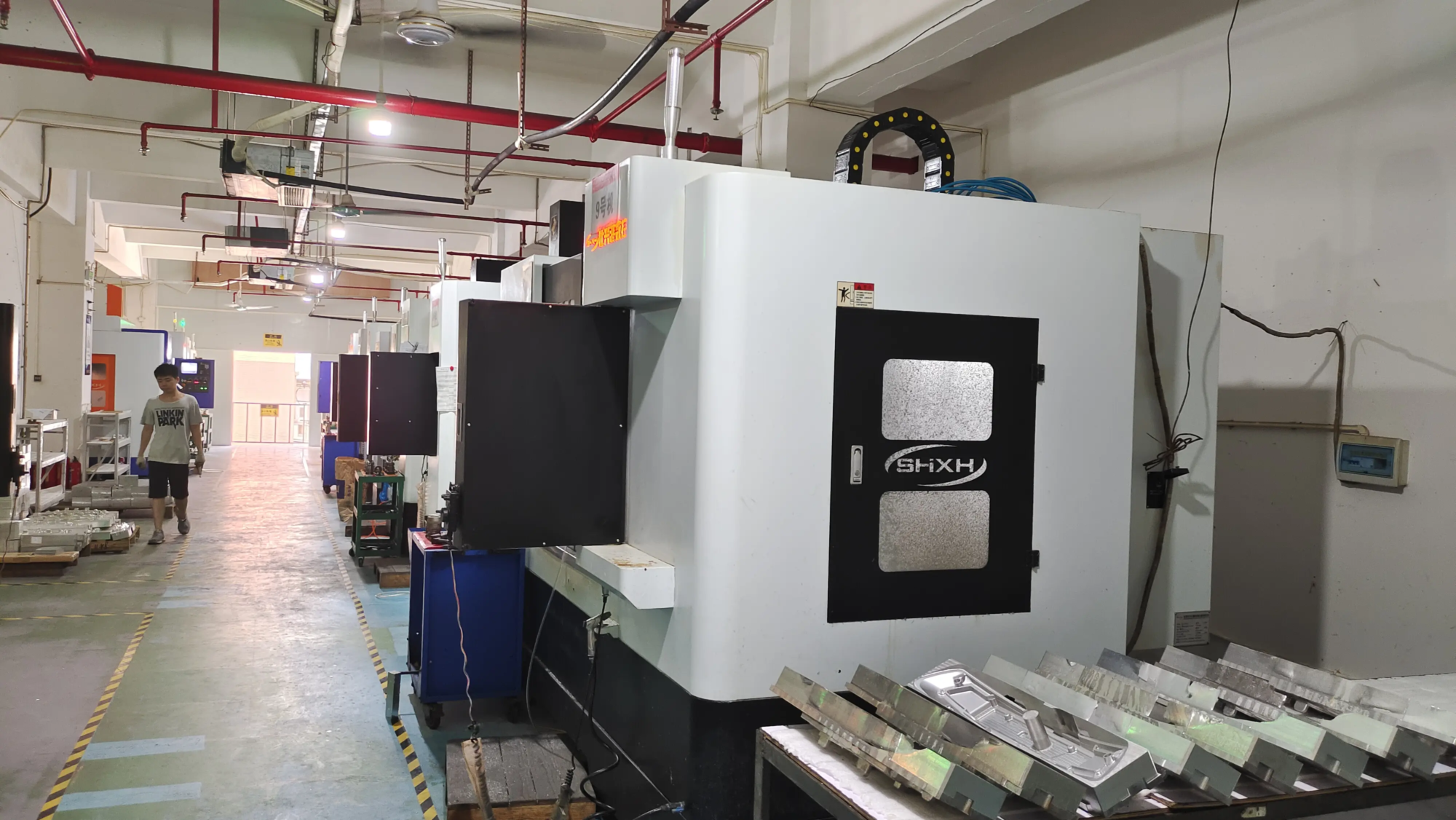
- Answer: Absolute. If your design requires final strength, heat resistance, conductivity, or advanced metal look/feeling, metal 3D printing is required (e.g. SLM-Selective Laser Melting) is the solution. Great Excellent here. We have advanced industrial SLM printers that can be used to quickly prototyping and complex, high-precision production Metal mobile phone stand. Although metal printing usually requires professional services due to equipment costs and material expertise, it opens the door for excellent durability and unique material properties (stainless steel, titanium, aluminum alloy). Greatlight handles the entire process – from optimizing metal AM design to expert post-processing and finishing such as heat treatment. For truly custom, high performance or small batch metal stalls Greatrecognized as One of the major rapid prototype companies from China,supply Competing Price and One-stop solution From CAD to Finals, complete.
Are you ready to surpass the filament? Gregthim authorizes you to convert designs into durable, high-precision metal components. Customize your precision fast prototyping parts now at the best prices! Please contact us to explore how our SLM technology and engineering expertise brings your most demanding stance concepts to life.