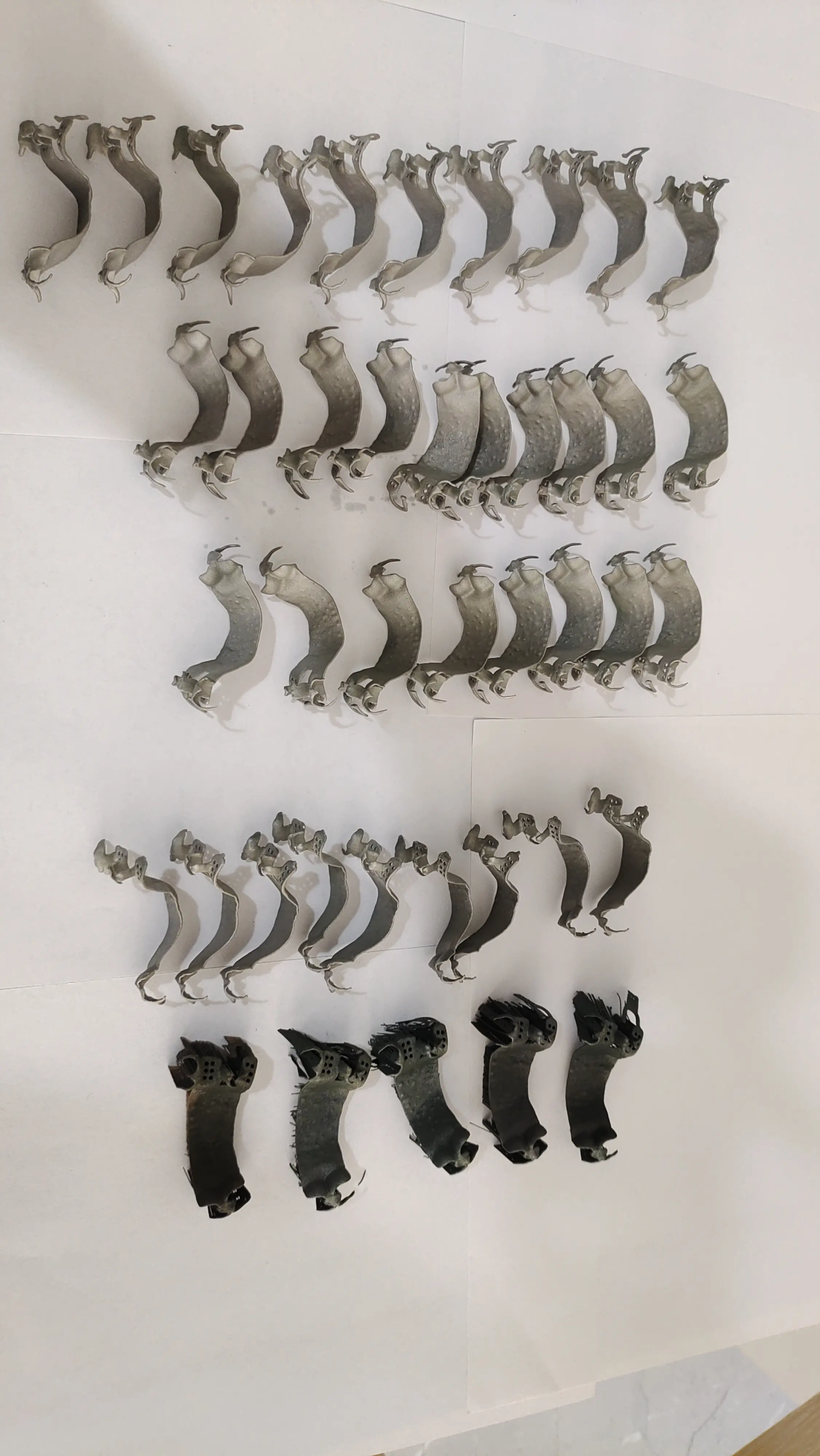
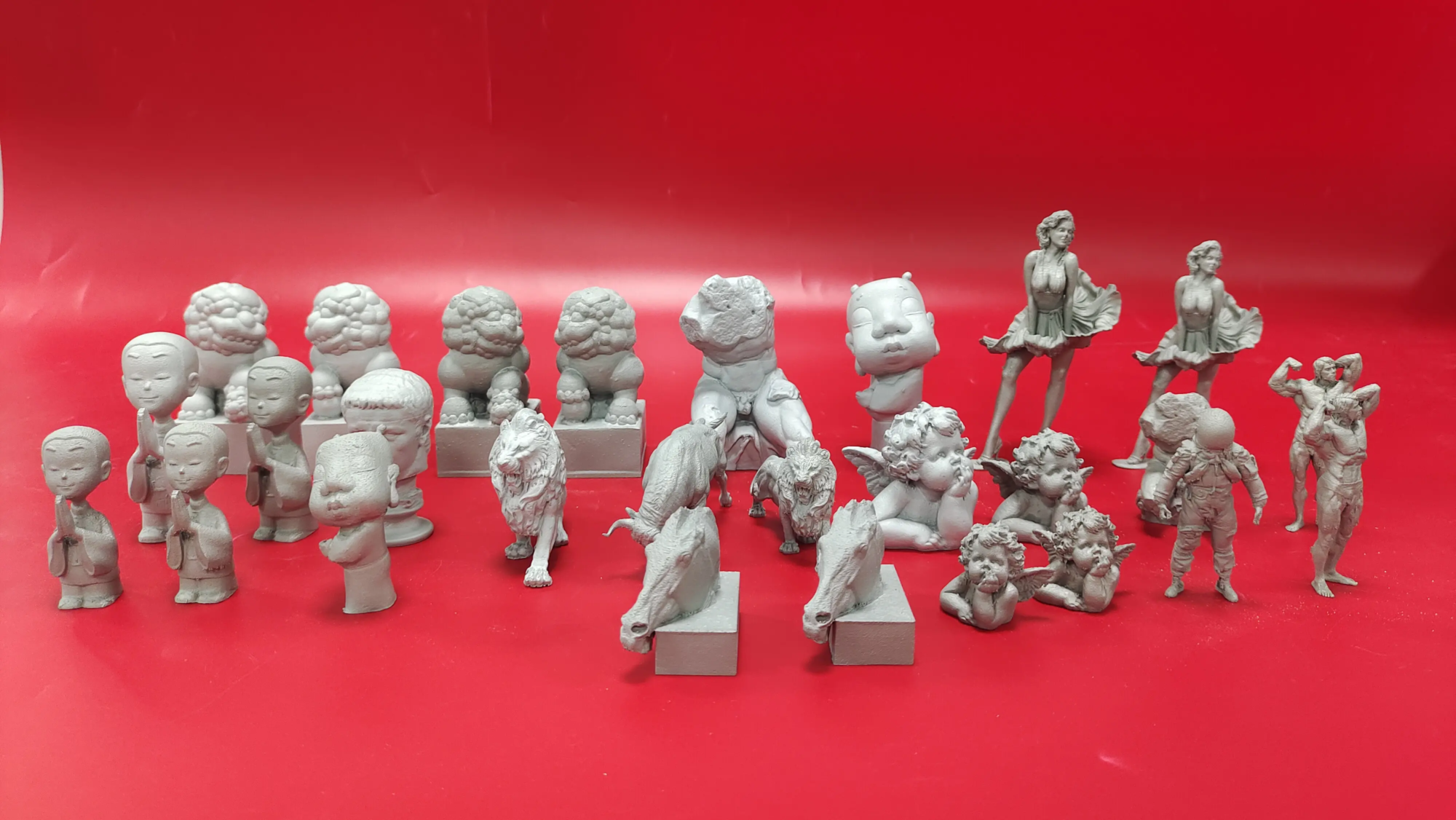
3D printing power installed using industrial-grade Raspberry Pi racks
The Raspberry Pi has grown far beyond the toys for amateurs. From edge computing clusters and network equipment to industrial control systems and data acquisition nodes, these compact computers are increasingly deployed in demanding environments. When multiple PIs are deployed in a rack-mount setup, robustness, thermal management, and reliability become critical. This is 3D printing, especially metal 3D printing using selective laser melting (SLM), Convert prototype tools to production solutions to create an excellent Pi rack mount.
Why 3D print a PI rack mount (especially in metal)?
Traditional rack solutions often involve universal racks or fragile acrylic seats suitable for PI. For low to medium volumes, custom metal fabrication can be very expensive. This gap is unique to 3D printing bridges:
- Real customization: Design and installation are precisely designed to target your specific PI model (S) (PI 4, Compute module carrier, etc.), housing requirements, cooling requirements, cable routing paths, and rack unit (RU) constraints.
- Complex geometric shapes make it easy: Easily integrates the auxiliary hardware (POE hat, SSD, UPS module) with cooling tubes, cable management clips, vibration suppression function or mounting point – impossible or expensive.
- Quick iteration: Prototypes are designed quickly, tested for assembly and functionality, and refined before committing to production. Significantly much faster than CNC machining or sheet metal tools.
- Performance Advantages (Metal):
- Excellent strength and durability: Metal installations can withstand harsh industrial environments, vibrations, unexpected effects and harsh chemicals far better than plastics. They maintain integrity under the weight of multiple PIs and related hardware.
- Enhanced thermal conductivity: Metals such as aluminum alloys effectively absorb heat from dense PIs, especially under load, thereby reducing throttling and improving long-term reliability.
- EMI shielding: Certain metal alloys provide inherent electromagnetic interference (EMI) shielding, which is essential for sensitive electronic applications.
- Long-term stability: Compared with plastics, it is resistant to creep, warping and UV degradation under temperature fluctuations.
Designing your 3D Printable PI Rack Mount: Key Notes
Before hit "Print," A carefully considered design is crucial:
- PI and hardware sizes: Model exactly the exact PI model and any additional hardware (provisioning links, fans, hats). Account connector height.
- Thermal management: Priority! Design maximum airflow. Includes strategically placed vents, intake/exhaust passages, and spaces that allow airflow between PI is in the rack slot. Consider mount points of additional fans or passive heat links that integrate into the chassis wall (very effective in metal).
- Installation mechanism: Design a powerful mounting point that securely connects your PI to the frame (using metal threaded inserts, fixing, snapshots, screw holes). The handle cutout must be accurate.
- Rack integration: Define the total slots for each RU, ensure compatibility with standard rack mounting holes (e.g., square or round holes), and design a solid slide or a direct mounting flange. Includes the functions of cable passing, grommet or management arms.
- Cable management: Design integrated channels, clips, binding points or tracks to cleanly route power, Ethernet and other cables and prevent pressure on the connector.
- Material selection (critical for design):
- Plastics (FDM/SLS): Suitable for low impact, low heating prototypes or very lightweight deployments. PLA, PETG, ABS or nylon (SLS) are common. If the ambient temperature rises, consider higher plastics.
- Metals (SLM-recommended performance): Ideal for production and demanding industrial applications. Co-choice:
- Alsi10mg: Excellent strength to weight ratio, good thermal conductivity, weldability and corrosion resistance. It is usually the best choice for housing and mount.
- 316L stainless steel: Excellent corrosion resistance, excellent strength. Heavier than Alsi10mg. Suitable for harsh chemical or marine environments.
- Ti64 (titanium): Excellent strength weight, biocompatibility and corrosion resistance. Maximum cost.
- Wall thickness and support: Follow the minimum wall thickness guide for selected process/materials. Designs with designs greater than 45 degrees may require temporary support structures during printing. Good design minimizes support for easy post-processing. Metal SLM has stricter support requirements than plastic printing.
Manufacturing Journey: From Digital Models to Powerful Mounts
- Design and simulation: Create 3D CAD models (SolidWorks, Fusion 360, etc.). Virtual fit checks and potential finite element analysis (FEA) are performed on structural integrity or thermal simulations under the guidance of Greatlight.
- Process selection: For high-performance, durable racks, Metal SLM is the definite choice. This is where to work with experts like Great Become crucial.
- Print (SLM focus):
- Metal Powder: The fine powders of the selected alloy (ALSI10MG, 316L, TI64) were evenly distributed in the construction chamber.
- Laser melting: A high-power accurate laser selectively scans the cross-section of the part based on the CAD data of the slices, selectively fuses the powder particles together, fusing them onto the underlying layer.
- Layer integration: The build platform is lowered, fresh powder is applied, and the process is repeated, plus the build part with extraordinary precision and material density, close to the forged material properties.
- Post-treatment (critical to metal): RAW SLM parts require a lot of post-processing:
- Remove powder: Carefully remove parts from the build platform and retrieve uninserted powder.
- Support removal: The structure is manual or through advanced technology (wire EDM, machining).
- Pressure relief and heat treatment: Improves mechanical properties and reduces residual stress during fast thermal cycles to stabilize parts.
- Surface finish: Options range from basic bead blasting with uniform matte effects to CNC machining of critical interfaces and holes, polishing for enhanced aesthetics/corrosion, or specialized coatings (for anodization of aluminum, passivation of steel).
- Quality Control: Check dimensional accuracy through CMM (coordinate measuring machine), dye penetrant or X-ray for internal defects.
Why choose Greatlime for 3D printed Pi rack mount?
As a professional rapid prototyping and manufacturing leader in China, Great With advanced features and expertise to put your 3D printed Pi Rack Mount concept into reality, especially with metal components:
- The most advanced SLM technology: We operate advanced SLM printers, which are able to produce high-density, mechanically robust metal parts with complex details necessary for compact installations.
- Material expertise and customization: Enter a variety of metal powders (Alsi10mg, 316L, Ti64) and plastics. We provide advice on the best materials for the thermal, structural and environmental needs of your application. We can also handle custom alloy requests.
- End-to-end post-processing: Our comprehensive in-house service (precise support for removal, pressure relief, HT, CNC finishes, anodization, polishing) ensures that your rack mount meets the exact function and aesthetic requirements – right out of the box.
- Rapid prototyping and production speed: From initial concepts to functional prototypes for a few days, and scalable low to medium volume production. Your project will be on the market faster.
- Precision engineering focus: For tolerances, thermal design requirements for electronics, and structural integrity required for rack mounting solutions.
- Competitive Price: Provide high-quality custom metal parts at very competitive prices with advanced manufacturing and effective processes.
- One-stop solution: Handle every step – simplifies your supply chain from the initial design and quality control of AM optimized for AM.
in conclusion
3D printing, especially lenses through metal SLM technology, offers an unprecedented opportunity to create not only functional but also optimal PI rack stands. Metal 3D printing goes beyond the limitations of general-purpose or plastic solutions, providing strength, thermal performance, durability and professional surfaces for high-reliability deployments of severe industrial, server room or raspberry PI clusters. While plastic printing has its prototyping location, SLM represents the gold standard for robust production units. Work with experienced manufacturers Greatwith its expertise in advanced SLM printing, materials science and comprehensive post-processing, you can ensure you get a high-performance custom rack-mount solution designed for longevity and reliability while benefiting from fast turnaround and competitive costs. Unleash the true potential of Raspberry Pi infrastructure with the power of professional 3D printing.
FAQ: 3D printed PI rack mount
Q1: Can I really get the metal Pi rack installation through 3D printing? Isn’t that expensive?
Answer: Absolutely! Metal 3D printing, especially SLM, is ideal for complex, low to medium size custom metal parts, such as rack racks. Although each part costs more than quality metals produced, SLM is cost-effective for smaller batches or highly complex designs. Compared to traditional custom CNC machining, SLM can often be more economical and provides excellent design freedom. Gremplys offers competitive prices due to advanced equipment and effective processes.
Q2: What are the main advantages of choosing metal (SLM) racks and 3D printed plastics?
Answer: Key advantages are important:
- Strength/Durability: Metals survive better in harsh environments, vibrations and physical effects.
- Thermal management: Metal acts as a radiator, pulling heat away from the PI more effectively than plastic, reducing the risk of overheating and throttling.
- Long-term stability: Metals resist warping under heat or load and do not degrade like some plastics.
- EMI shielding: Metals (especially steel) provide inherent protection for electromagnetic interference.
- Professional surface: In an industrial/rack setup, the metal feels and looks more robust and professional.
Question 3: How long does it take to make a batch of customized SLM metal racks?
A: Turnover time depends on design complexity, batch size and completion requirements. However, Greatlight specializes in research Rapidly Production. You can usually expect prototypes in a few days to a week. Small production batches (e.g. 5-50 units, depending on size) are usually feasible within 1-3 weeks of design approval, much faster than traditional metal manufacturing tools. Contact Greglight for a specific quote.
Q4: What file format do I need to provide? How do I make sure my design fits SLM?
A: Provide your model in step or STP format for best results. When STL is working, the step file retains critical solid geometry information. Greatlight’s engineering team provides designs for the Additive Manufacturing (DFAM) review feature. We can evaluate the manufacturability of your model, recommend optimizing the SLM (minimizing support, ensuring structural integrity, improving thermal design), and providing feedback before manufacturing begins.
Q5: Are there any specific design precautions for metal SLM for rack mounts?
A: Yes, the main things to note include:
- Minimum wall thickness: Ensure that the wall meets the minimum requirements for the selected metal alloy (typically, the minimum is 0.5mm-1.0mm, and in fact the minimum is 0.5mm-1.0mm depending on the direction and geometry).
- Overhanging angle: Design steep overhangs (> 45 degrees from the vertical) to minimize or support as they require temporary support. Supports increasing the cost and time of deletion.
- Pressure concentration: Avoid sharp inner corners; use fillets/radius (especially > 0.5mm) to reduce stress points during printing and service.
- Processing allowance: Specify critical mating surfaces or holes that require high dimensional accuracy (such as rack-mount flanges or threaded inserts). These are usually designed using additional materials for post-print CNC processing.
- Thermal stress: Complex geometry can cause residual stress. Heat treatment is usually necessary.
Question 6: What are the most common metal options and how should I choose?
Answer: Popular choices:
- Alsi10mg (aluminum): Best all-around ball: lightweight, strong, excellent thermal conductivity, good corrosion. Ideal for most universal shelf mounts.
- 316L stainless steel: Corrosion resistance, high strength. Used in harsh environments (chemistry, ocean, food processing). Heavier than aluminum.
- Ti64 (titanium): Advanced Choice: Excellent strength to weight ratio, biocompatibility, excellent corrosion resistance. Maximum cost.
Discuss your specific requirements (weight, strength, heat, corrosion, budget) with Greatlight engineers to provide the best material recommendations.
Q7: Will Greatlight handle the finish of metal parts?
A: Yes, Greglight provides comprehensive post-processing, which is the core part of our service, not just printing. We handle:
- Support removal and surface cleaning.
- Heat treatment (stress relief/solution treatment/aging).
- Surface finishing: Bead blasting (standard), critical interface, polishing, anodizing (for aluminum), passivation (for steel), precision CNC machining, media, medium tumbling, vibrating finish. Specify the required completion during reference.