Article content:
Ever fantasized about being the Dark Knight? The iconic Batman hood is more than just a symbol, it’s a design masterpiece that blends intimidation with functionality. With 3D printing, you can now forge your own fairing from scratch. This guide will guide you through every step from design to polish while demystifying the technical challenges.
Why 3D print Batman hood?
- Unparalleled customization: Customized fit based on your exact head size.
- Cost effective: Commercial prop reproductions sell for over $500; printing cuts material costs to under $50.
- creative control: Experiment with textures, colors, and even integrated technology like voice modulators or LED eyes.
Design Points: Beyond Aesthetics
-
Scan and model:
- Use the following apps to start a 360° head scan Polycon.
- Import scans mixer or Fusion 360 Extract the skull outline.
- Overlay the Batman cowl template (Thingiverse or MyMiniFactory) onto your scan.
- key adjustments: Increase curvature tolerance by 0.5–1.5 mm to improve pad comfort.
- Functional considerations:
- ventilation: Add 3-5mm mesh vents near temples to prevent fogging.
- Modular: Designed with detachable ears for easier printing/post-processing.
- strengthen: Ribbed interior enhances structural integrity.
Material Selection Guide
| Material | advantage | shortcoming | most suitable |
|---|---|---|---|
| Polylactic acid+ | Easy to print; sandable | brittle when cold | Beginner; paint ready |
| polyethylene terephthalate | Impact resistant; flexible | Pull the thread when printing | Durable for outdoor use |
| thermoplastic polyurethane (flexible) | Comfortable fit; no padding required | Need slower printing speed | Wear all day |
| Nylon carbon fiber | Near metal strength | abrasive; wear nozzle | motorcycle helmet |
Advanced Tips: Use PETG for the main shell and TPU for the neck seal.
Printing protocol: layer-by-layer printing
-
Slicer settings:
- Floor height: detail 0.15 mm / structural area 0.2 mm
- Fill: 15% spiral pattern (best strength to weight ratio)
- Support: tree support (45° overhang), interface density 75%
- Adhesion: Edge width 8mm
-
direction:
- Print vertically (chin down) to minimize support scarring on the panel.
- Avoid splitting unless necessary – seam alignment can weaken the structure.
- troubleshooting:
- Warp: Preheat the bed to 70°C (PETG), use PEI sheet + glue stick.
- layer movement: Strengthen the stepper motor belt; reduce the printing speed to 40mm/s.
Post-processing: from plastic to professional
- Polishing progress:
80 grit (removes layer lines) → 220 grit (smooth contours) → 400 grit (gloss prep). - start up:
Apply 3 coats of filler primer in alternating directions. Wet sand between coats. - painting:
Primer (matte black), then dry brush in layers:- Gunmetal gray (raised details)
- Graphite powder rub (directional gloss)
- finishing:
2-3 coats of semi-gloss polyurethane for rain protection.
Function upgrade
- voice modulator: Install a $15 bass boost circuit behind the mouth grille.
- Eyepiece optical system: Adopt motorcycle visor tint with anti-fog film (cut and molded).
- Magnetic mounting: Embedded neodymium magnet for attaching/detaching cape.
in conclusion
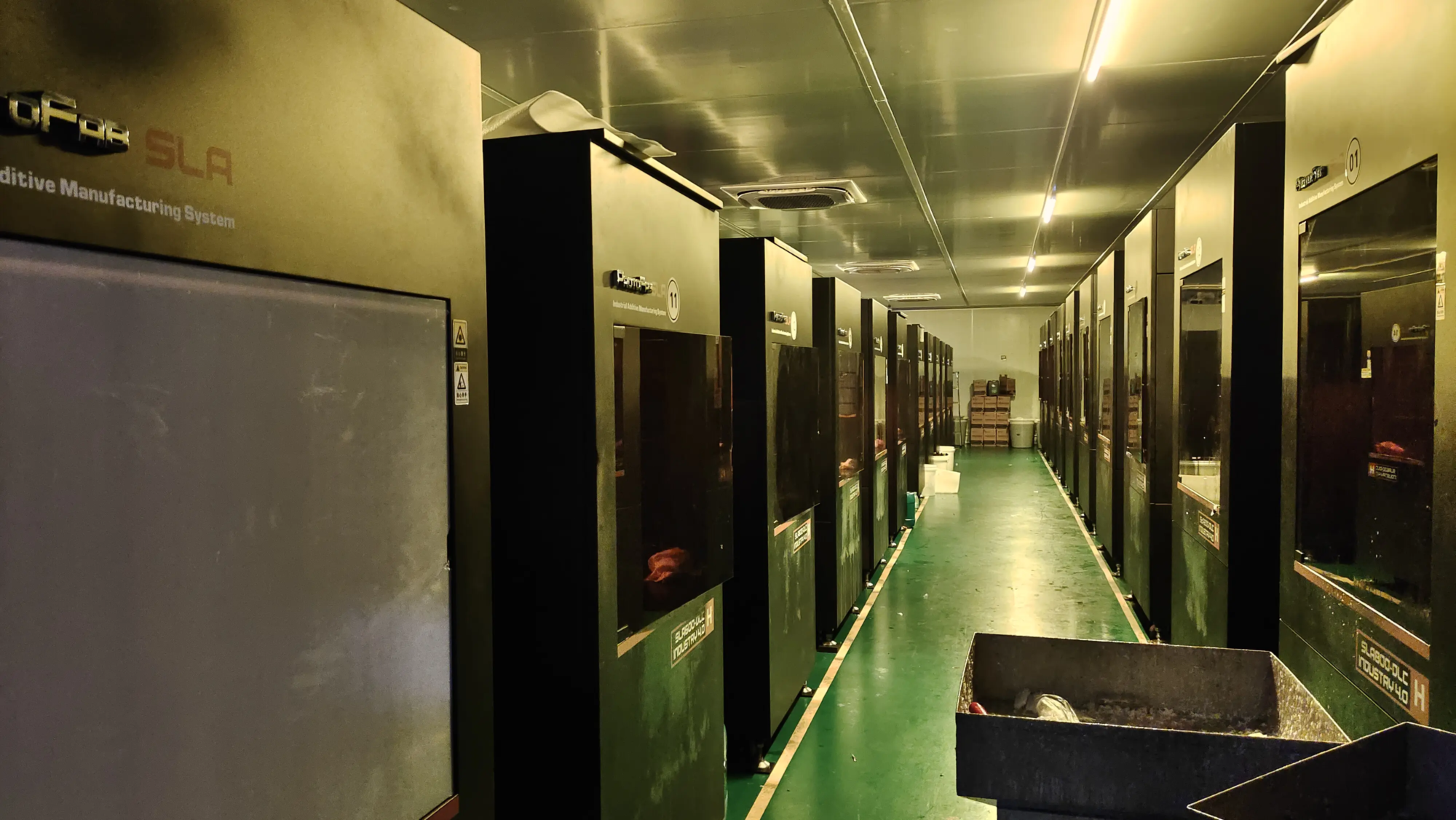
Blending art and engineering to create a Batman cowl via 3D printing is a rewarding endeavor that pushes creative boundaries. While the DIY approach offers unparalleled hands-on satisfaction, complex designs require precision. where is this huge light Excellent performance. As a leading rapid prototyping manufacturer, we transform ambitious concepts into flawless realities using industrial-grade SLM 3D printers and multi-axis CNC finishing. From aerospace metals to flexible polymers, our one-stop post-processing (sandblasting, professional painting, tolerances within ±0.03mm) ensures your hero gear can withstand real-world use.
Whether leveraging integrated technology to prototype custom fairings or mass-produce boutique garments, GreatLight provides the perfect solution for mission critical situations—Prove why we are among the top rapid prototyping innovators in China. Your vision is forged from steel (or nylon).
FAQ
Q1: How long does printing take?
A: A complete fairing takes an average of 60-80 hours. The split design reduces time but requires seamless assembly.
Question 2: Can I 3D print a fairing without a head scan?
A: Yes, but measure head circumference, depth, and height to accurately scale the universal model. Error >2mm will cause discomfort.
Q3: Is PLA safe to wear for a long time?
A: PLA will deform above 140°F (60°C). Avoid prolonged exposure to sunlight or use of PETG/ABS.
Q4: What if my printer bed is too small?
A: Split the model vertically at a natural seam, such as the jawline. Align with dovetail.
Q5: Can GreatLight print fairings in metal?
Answer: Of course. Our SLM printers can handle aluminum, titanium and stainless steel, making them ideal for fire-resistant, ultra-strong theatrical or stunt props.
Q6: How to add internal filling?
A: Lay down adhesive foam strips (3-10 mm thick). Prioritize forehead and cheekbone pressure points.
Need industrial-grade precision? GreatLight’s instant quote platform lets you upload designs for real-time pricing on professional 3D printing, machining and finishing. Start your Batman project today.