Embracing Innovation: A Comprehensive Guide to Making a 3D Printed MP5 Replica
The convergence of 3D printing and DIY culture has revolutionized prototyping and hobbyist projects. The creation of replica firearms like the iconic MP5 submachine gun has generated a great deal of interest among enthusiasts. Importantly, this guide focuses on Strictly restrict non-functional reproductions for display, prop or educational purposes. Any functional firearms manufacturing requires specialized licenses, steel components, and strict compliance with local laws –Do not attempt this without authorization.
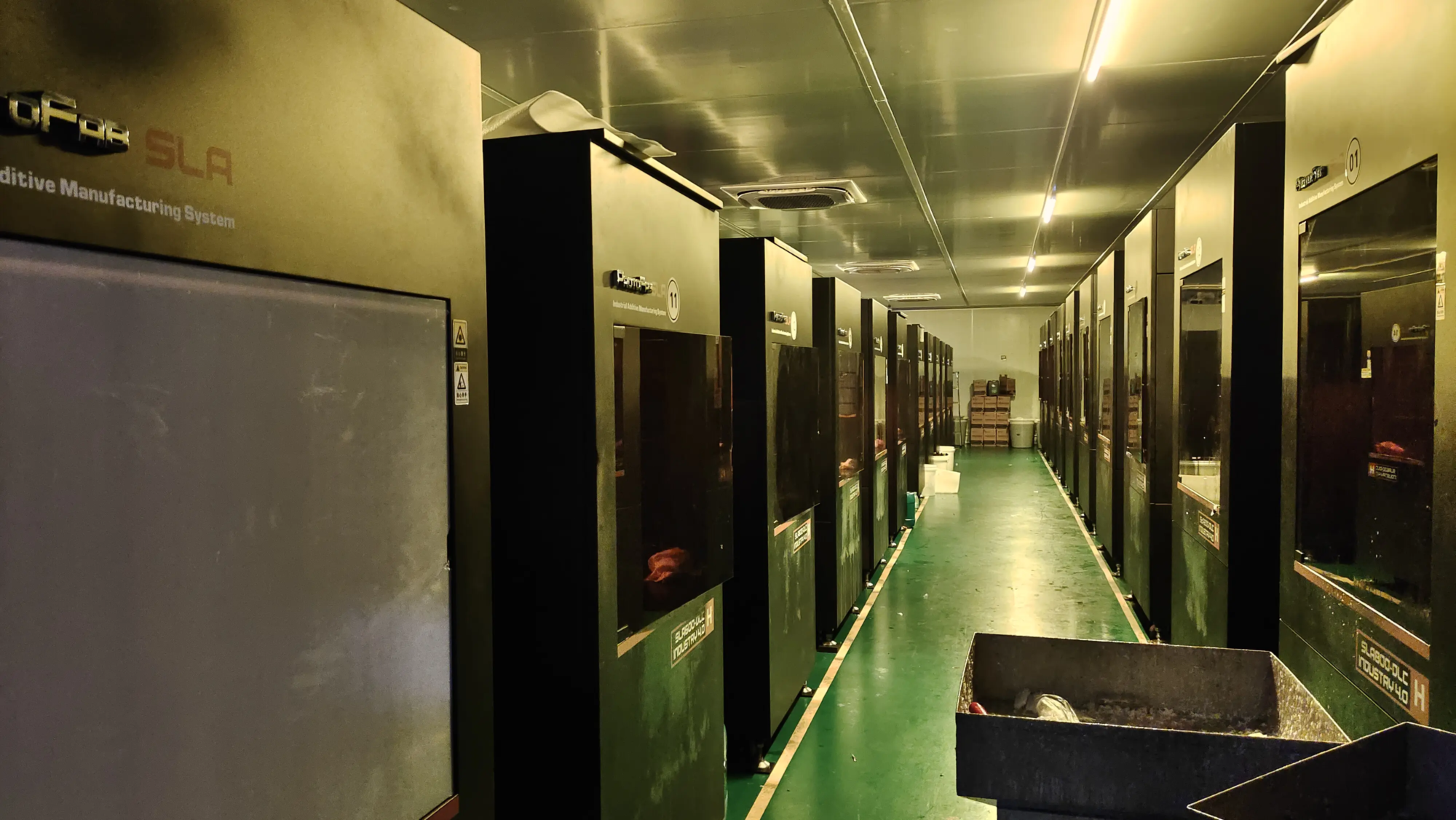
As a leader in rapid prototyping, huge light Combining industrial-grade technology with achievable innovation. Our SLM (Selective Laser Melting) 3D printers and post-processing expertise deliver unrivaled precision for complex metal parts, making them ideal for engineers, product designers and manufacturers. Although this MP5 guide uses consumer FDM printers, it highlights the potential of advanced 3D solutions.
DIY Guide: Step-by-Step Process
1. Design preparation
- Start with a reputable, legal and compliant CAD file from a platform like GitHub or DEFCAD (verify non-functionality).
- Design modified to ensure critical components (barrel, chamber) are permanently sealed. Add internal padding to prevent functional assembly.
- Software tip: Use Fusion 360 to make adjustments for printability—minimum wall thickness ≥1.2 mm, optimized support structure.
2. Material selection
- People’s Liberation Army: Cost-effective and easy to print, ideal for lightweight reproductions.
- PETG/nylon: Movable parts (such as bolt models) have higher impact resistance.
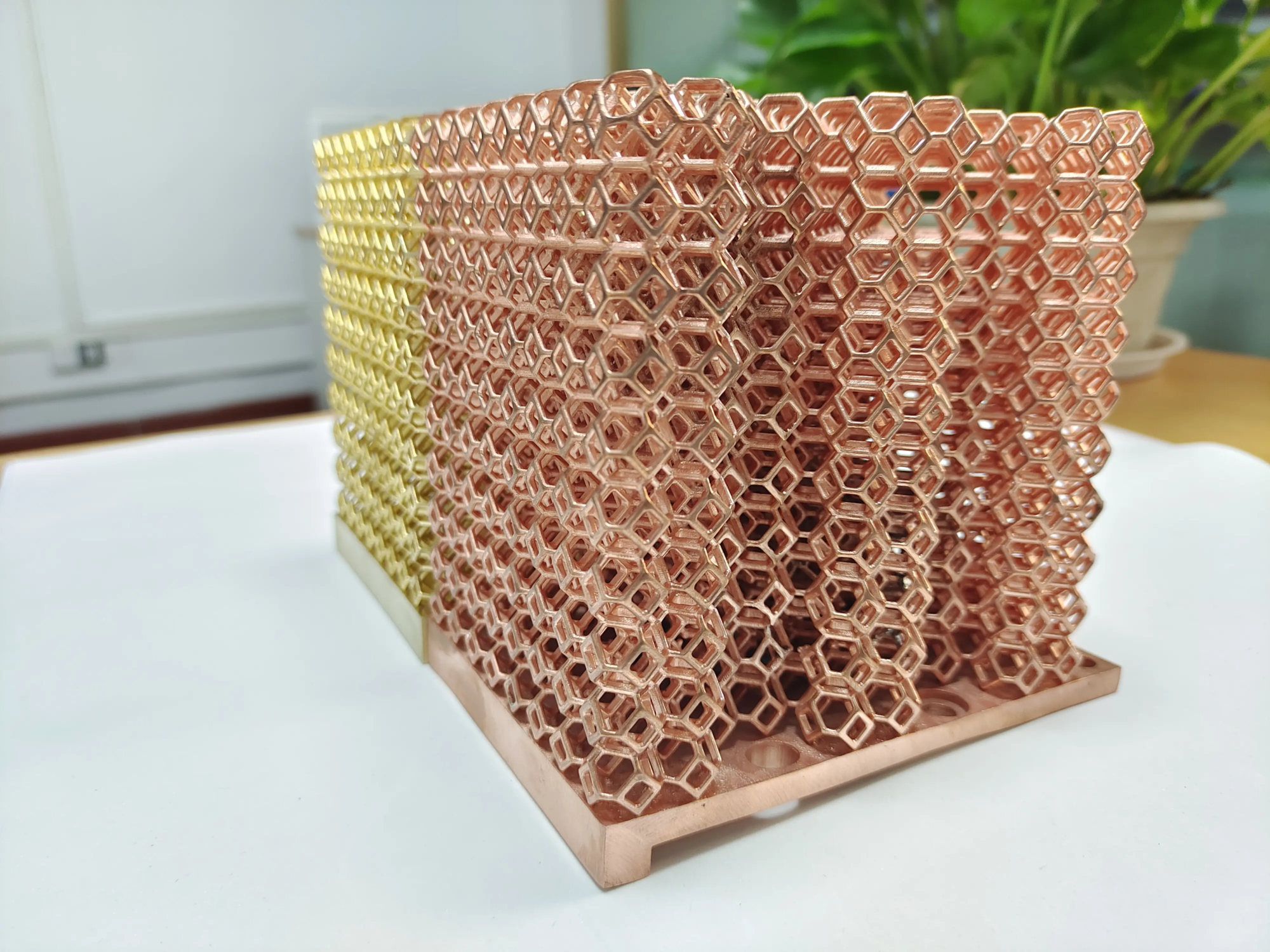
- professional alternative: For ultra-durable prototypes, huge light Available in Stainless Steel, Titanium or Aluminum SLM Printing – While impractical for DIY firearms, we excel in aerospace, automotive and medical parts.
3. Printing parameters
- Floor height: 0.15–0.2mm, achieving a smooth surface.
- filling: 30–50% with grid pattern for increased rigidity.
- adhesion: Recommended for edges/rafts of large parts. Enable supports with an overhang of ≥60°.
- Individually print components: receiver, stock, handguard and grip (approximately 80–120 hours total).
4. Post-processing
- Carefully remove the supports. Sand gradually (220 → 1,200 grit).
- Fill the layer lines with epoxy, then prime and paint with matte acrylic.
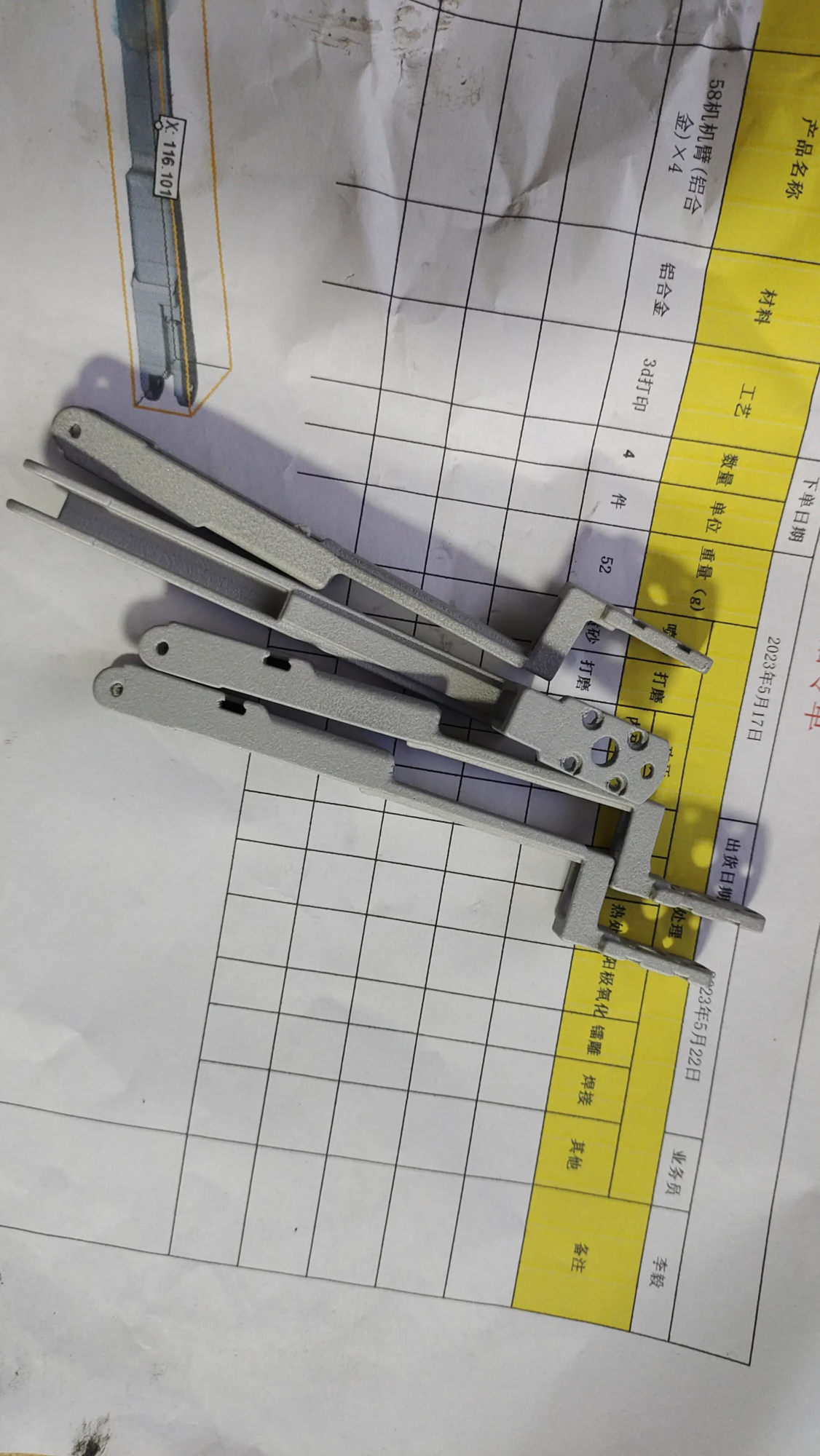
- GreatLight Pro Tips: For an industrial-quality finish, take advantage of our steam smoothing, sandblasting or professional painting services to turn DIY projects into exhibition-ready pieces.
5. Non-functional assembly
- Use pins, screws or snap joints. Incorporate inert weights (for example, metal rods in buckets) to achieve realism.
- critical: Attach fluorescent orange tip and permanent marker (e.g. "non-functional replica") meets toy safety standards.
in conclusion
The 3D printed MP5 replica embodies the DIY spirit – blending creativity, technical skills and education. However, legality and safety are crucial. Always prioritize compliance with firearms laws and program goals Show model only.
For innovators pushing the boundaries of functional industrial prototypes, huge light Ready. With cutting-edge SLM technology and comprehensive post-processing, from CNC machining to anodizing, we turn concepts into high-precision metal or polymer parts in just days. Whether iterating on medical device prototypes or aerospace components, our expertise ensures speed, affordability and reliability.
Explore Next Generation Manufacturing: Get an Instant Quote at GreatLight
FAQ
Q1: Is 3D printing MP5 legal?
A: It is generally legal to print non-functional reproductions for personal display (varies by region). Functional firearms require a federal license. Be sure to check local regulations.
Q2: Can consumer printers handle these designs?
A: Yes, use a printer with a build volume of ≥200x200mm (e.g., Creality Ender 5+). Industrial printers like GreatLight’s SLM system can achieve finer details on metal, but beyond what hobbyists need.
Q3: Will PLA deform over time?
Answer: PLA will deform above 60°C. PETG or ABS are more suitable for warm environments. For extreme durability, metal prototypes (via GreatLight) can maintain their integrity indefinitely.
Q4: How to make the imitation look real but have no function?
A: Focus on the visual details: matte paint, simulated bolts/sights, and ergonomic grips. GreatLight’s post-processing service adds realistic textures.
Q5: Can GreatLight print functional firearm parts?
A: We will not produce firearm parts without a verified license. Our core services cater to industrial prototyping – complex geometries with tolerances of ±0.03mm in metal alloys such as Ti64 or 316L stainless steel.
Q6: Which industries benefit from Ferrite’s SLM printing?
A: Automotive (lightweight stents), medical (biocompatible implants), robotics (heat-resistant gears) and consumer products (ergonomic tools) – all accelerated by our one-stop prototyping-to-production pipeline.
Disclaimer: This guide promotes responsible innovation. Imitation firearms must not resemble weapons of war in public places. GreatLight assumes no responsibility for illegal project results.
Clever design. Build responsibly. Achieve production at scale with GreatLight – innovation perfected.