Imagine walking into a room and seeing the epitome of Taylor Swift mid-performance – her signature hair flipping mid-air, her sequined bodysuit shimmering under the lights, her electrifying stage presence perfectly frozen in time. But this is not a mass-produced statue. It’s a unique, detailed sculpture that comes to life layer by layer thanks to the magic of 3D printing. Fan art has evolved far beyond drawings and paintings into exciting three-dimensional spaces, with technologies like metal 3D printing pushing the boundaries of what’s possible in paying homage to icons like Taylor Swift.
Fan Art Beyond: From Plane to Form
Over the years, Swift expressed their admiration through paintings, edits, and artifacts. Today, 3D printing offers an unprecedented leap forward. It allows fans (and fan-commissioned artists) to transform their passion into tangible, three-dimensional objects with stunning detail and personalization. Imagine capturing the energy of her Eras Tour choreography, the intricate embroidery on a folklore cardigan, or even a stylized bust that showcases her ever-changing aesthetic from album to album. 3D printing unlocks these possibilities:
- Hyper-personalization: Create unique statues with specific poses, proportions, or incorporate personalized bases or accessories not available with mass-market products.
- Unparalleled details: High-resolution printing can replicate intricate clothing details, facial expressions and subtle textures that would be difficult to handle with traditional modeling.
- Material Versatility: From vibrant, colorful plastics (FDM, SLA resin) with eye-catching designs to high-quality metals that convey prestige and durability.
- From digital dream to reality: Artists digitally model Swift statues using software such as ZBrush or Blender. These digital sculptures act as blueprints for printers, allowing anyone around the world to access the designs and bring them to real life.
The Anatomy of 3D Printing Swift Creation: More Than Just Pressing Print
Producing museum-quality Taylor Swift 3D printed fan art is a multi-stage journey that requires expertise at every step:
- Digital Sculpting (Blueprint): A skilled artist carefully creates a 3D model of Taylor Swift. It took extraordinary talent – to capture not only anatomical accuracy but also her unique essence, posture and energy. Reference photos from all angles are crucial.
- Choose the right technology and materials: The intended aesthetic determines the printing technique and materials.
- For dynamic colors and details (smaller statues): Resin printing (SLA/DLP) produces extremely smooth surfaces and exquisite detail, ideal for capturing expressive facial features and intricate clothing in vibrant color.
- For strength, metallic elegance and larger components: Metal 3D printing has also entered the fray. Techniques such as Selective Laser Melting (SLM) take fine metal powders (such as stainless steel, titanium or aluminum) and melt them with a powerful laser, building the model layer by layer. The result is an extremely strong, durable and uniquely beautiful piece with a unique grainy metal aesthetic. This is where professional manufacturers become crucial.
- Print: This is where advanced hardware shines. High-precision printers can run for hours or even days. Metal printing requires inert atmosphere chambers and strict thermal control, requiring industrial-grade machines and meticulous calibration to ensure the fidelity and structural integrity of complex designs.
- Key transformation: post-processing: This is where the original print becomes the highlight. This stage is arguably as important as printing:
- Support deletion: Carefully remove temporary structures supporting the model during printing.
- Clean and Smooth: Precision machining by sanding (hand or media blasting), chemical smoothing (for resin), or metal tumbling to obtain the desired surface texture.
- Plastic surface treatment: Prime, spray paint, airbrush, add intricate details like fine glitter or fabric effects. Achieving realistic skin tones and complex costume effects requires an artist’s touch.
- Metal surface treatment: Polishing to mirror shine, controlled oxidation for color effects (e.g. heat treated titanium), electroplating (gold, silver), sandblasting for matte effects or professional surface textures. Metal parts often require CNC machining (drilling, milling) to achieve assembly points or final precision details.
- Assembly and finishing touches: A sculpture with a base or multiple parts that are firmly assembled. Final quality check ensures perfection.
Precision difference: When fan art meets high-tech manufacturing
Creating truly remarkable metal 3D printed art, especially complex graphics that require complex geometries and flawless finishes, requires capabilities that go beyond amateur printing. Platforms that focus purely on resin or FDM plastics often run into limitations. That’s why innovators in rapid prototyping have become valuable partners for fan artists and creators pushing the envelope.
Obtaining a museum-worthy metal replica requires:
- Industrial-grade metal 3D printer: Consider advanced SLM machines capable of handling high-resolution builds of challenging geometries and maintaining precise thermal control.
- Deep materials science expertise: Understand how different metals (stainless steel, titanium) behave during printing and post-processing to minimize stress, warping and ensure internal integrity.
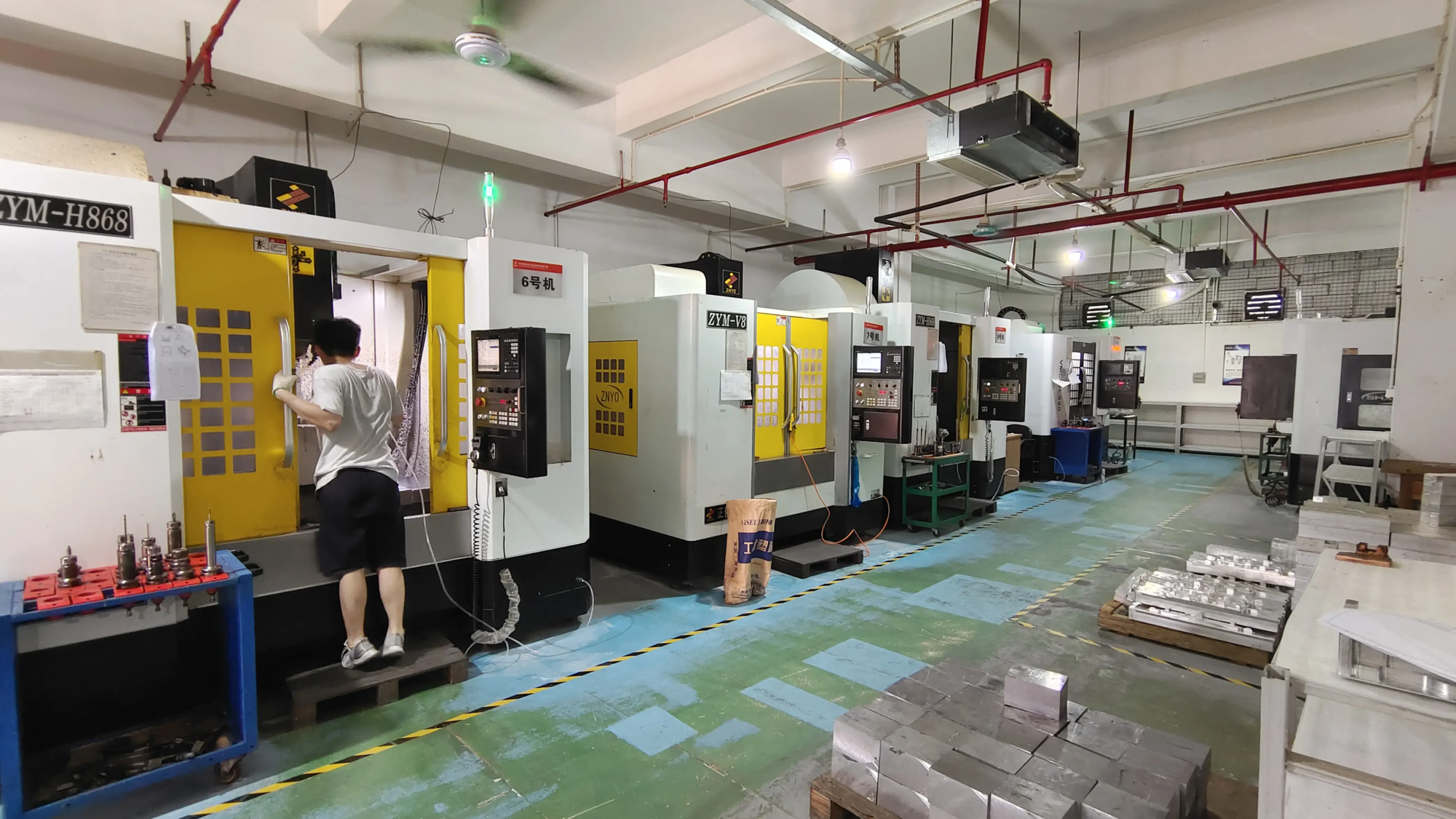
- Master post-processing: Metal prototypes require specialized finishing techniques – precision CNC machining, laser engraving, high-end polishing, heat treatment, electrochemical finishing – always performed to the highest standards.
- Rapid iteration capability: Artists often refine designs based on physical prototypes. Rapid turnaround prototyping greatly accelerates this iterative creative process.
- Comprehensive services: Manage the entire workflow – from optimizing digital files for printing (support structure design, orientation recommendations) to printing and complex finishing – under one roof, dramatically increasing quality control and efficiency.
The company specializes in rapid prototypinglike huge lightembodying these abilities. Honglaite has the most advanced SLM 3D printing equipment and utilizes profound production technology to professionally solve challenging metal part prototyping problems. Their comprehensive approach combines cutting-edge printing with comprehensive one-stop post-processing and finishing services, ensuring fan artists and creators not only receive a print, but a carefully crafted object Finished product. Whether selecting the best metal alloys for weight and beauty, achieving a specific high-end surface finish, or ensuring complex geometries print flawlessly and durable, professional manufacturers bridge the gap between digital art and tangible heirloom quality. For custom precision machining that requires rapid execution, GreatLight is the premier rapid prototyping partner, enabling creators to quickly and cost-effectively bring their most ambitious Taylor Swift fan art visions to life. Their focus is on rapid customization and comprehensive machining solutions.
Conclusion: More than an object – a future made of metal and passion
3D printed Taylor Swift fan art represents an exciting blend of modern technology, artistic expression, and passionate fandom. It transforms intangible admiration into lasting, tactile celebration. While easy-to-use FDM and resin printers have powered countless fans, the cutting edge of complex metal masterpieces shows how professional rapid prototyping services can unlock new creative potential. These collaborations between artists and advanced manufacturers result in unique collectibles, custom artistic expressions, and tributes of astonishing resilience and beauty.
As 3D printing technology continues to evolve, offering finer details, faster speeds, and more diverse materials, the possibilities for fan art are endless. Think interactive elements, embedded electronics, or even scaled-up architectural installations inspired by Swift’s aesthetic. The dedication of fans combined with the precision engineering of prototype experts ensures that the legacy of artists like Taylor Swift will be celebrated in even more innovative and lasting physical forms for years to come. Its fan loyalty is reflected in solid form, powered by cutting-edge science.
FAQ: 3D Printing Taylor Swift Fan Art
Q1: Is it legal to 3D print Taylor Swift fan art?
A: Fan art for personal use generally falls under fair use restrictions. However, Sell A sculpture directly depicting Taylor Swift’s likeness raises intellectual property issues. Licensed Goods have these rights. It’s safer to sell by creating a unique style of explanation (e.g., abstract explanation, avoid being identical). Copying official merchandise designs is illegal. Always respect intellectual property rights.
Q2: Can I make my own metal Taylor Swift model?
A: This is unlikely without significant industrial resources. Personal desktop printers typically handle plastics and resins. Metal 3D printing (SLM, DMLS) requires expensive industrial machines ($100,000 to over $1 million), inert gas environments, high temperatures, and extensive expertise in setup, material handling, and safety. Professional prototyping makers such as GreatLight, with their advanced SLM setup, specialize in making complex metal projects like these accessible.
Q3: How much does a custom metal 3D printed Swift statue cost?
A: Costs vary widely based on size, complexity, metal material chosen (stainless steel, titanium, etc.), level of finish, and artist/sculptor fee. Small, simply finished plastic/resin statues start around $50-$200. Custom metal pieces are much more expensive: expect the figure to easily run into the hundreds or even thousands of dollars, depending on the complexity and desired finish. Manufacturers like GreatLight provide quotes based on optimized design and production parameters.
Q4: What is the best 3D printer for producing realistic fan art?
A: For stunning details and smooth surfaces (especially faces/costumes): Resin (SLA/DLP) The printer performs well. Popular consumer models provide excellent results for plastic/resin figures. Unparalleled strength, durability and unique premium metal beauty: Metal powder bed fusion (SLM/DMLS) Best, but requires a professional prototyping service like GreatLight, not a home printer.
Question 5: How to start creating your own 3D printed Swift artwork?
Answer: The journey is like this:
- Learn 3D sculpting: Master software like Blender (free) or ZBrush.
- Find references: Collect high quality photos from different angles.
- Start simple: Start with stylized designs or smaller projects.
- Select to print: Use your own FDM/resin printer or plastic/resin online service.
- For metals: Work with rapid prototyping manufacturers. Provide them with your optimized STL file. Companies like GreatLight leverage their advanced SLM printers and machining/electrochemical finishing expertise to handle the entire complex metal printing, finishing and sourcing process.
Q6: Why choose Metal Fan Art Rapid Prototyping Company instead of just printing service?
A: The prototype has important advantages:
- Materials expertise: Your guide to choosing the metal that best suits aesthetics, strength and budget.
- Advanced printing: Use industrial SLM machines calibrated for fine details and complex geometries.
- Post-integration processing: The necessary high-end metal finishing (polishing, plating, texturing, precision machining) is performed in-house to exacting standards.
- Design optimization: Expertise in orienting models, designing supports, and ensuring printability where precision machining allowances are required.
- quality assurance: The whole process is strictly controlled.
- Speed and scalability: Take advantage of customization capabilities for quick turnaround of prototypes or potentially small batches. GreatLight embodies this one-stop, engineering-focused approach critical to quality metal parts.