Embrace personalization: 3D print your own Apple AirTag holder
Apple’s AirTags have revolutionized the way we track essentials, from keys and bags to luggage and even pets. While fully functional, the standard stand options may feel limited. Why settle for a generic one when you can design and create a truly unique, perfectly customized AirTag holder? Enter the world of 3D printing, where customization meets practicality. This guide explores the process of using desktop 3D printing to go from concept to practical, personalized AirTag accessories, as well as options for professional-grade metal solutions.
Beyond the basics: Why a DIY AirTag holder?
Commercial AirTag holders are available, but they typically prioritize mass production over personalization. 3D printing enables you to:
- Design uniqueness: Translate your personal style (minimalist, rugged, decorative, themed) into a tangible scaffolding. Easily integrate logos, text or complex patterns.
- Perfect fit: Seamlessly integrated design scaffolding specific Items: Unique keychain shapes, bike stands, custom luggage tag shapes, and even custom pet collar attachments.
- Function optimization: Customizable features such as connection method (clips, loops, straps), gripping texture, RFID signal transparency (for plastic holders) or sturdiness.
- Cost-effective iteration: Quickly and cheaply test multiple design variations until you arrive at the ideal solution.
Craft your design with care
The cornerstone of a successful brace is its design. Consider these key aspects:
- Aviation label size: The AirTag’s cavity is accurately modeled (approximately 31.9mm diameter x 8mm depth before including chamfer/base). Ensure a tight but removable fit – friction-fit lips or fixed lids are common.
- Attachment mechanism: How will it connect to your item? Options include:
- Key ring ring: A simple integrated loop.
- Screw or snap closure: To stay safer.
- Clamp mechanism: For quick attachment to bag/belt.
- Adhesive: Requires a flat surface (less common for DIY printing).
- Strap slot: For sewing on collars or fabrics.
- Wall thickness and strength: Make sure the walls are thick enough to be durable (usually 1.2-2.5mm+ for plastic), but don’t waste it. Reinforce high stress points such as connecting rings.
- Signal integrity: Plastic printing materials generally do not block AirTag’s U1 Ultra Wideband and Bluetooth signals. For potential metal stents, specialized designs are required (discussed below).
- File format: Design using CAD software (Tinkercad, Fusion 360, Shapr3D, Blender) and export the final model as an STL or 3MF file for printing.
Material selection: balancing form and function
The choice of material significantly affects the aesthetics, durability, feel and functionality of the stand:
- PLA (polylactic acid):
- advantage: The easiest holder (keychain) to print, wide color range, biodegradable (under industrial conditions), affordable and strong enough for light use.
- shortcoming: Fragile under impact, low heat resistance (may deform in a hot car), surface will degrade over time when handled roughly. Best for decorative or low-impact indoor mounts.
- PETG (polyethylene terephthalate):
- advantage: Tougher than PLA, more impact resistant, good chemical/heat resistance, weather resistance, clearer transparency options for better appearance retention.
- shortcoming: It is slightly more difficult to print (easy to draw), is not as rigid as PLA, and may have obvious scratches. Great all-rounder for a more durable stand for everyday use (bags, bikes).
- TPU (Thermoplastic Polyurethane – Flexible/Flexible):
- advantage: Highly flexible, impact-resistant, shock-absorbing, strong grip, drop/wear-resistant.
- shortcoming: Requires specific printer settings/extruder settings, the supports can be difficult to remove, sometimes feel sticky, and the surface can attract dust/lint. Ideal for braces that require cushioning (toolbox) or sewing collars with flexibility to avoid breakage.
- nylon:
- advantage: Very strong, flexible, wear-resistant and chemical-resistant. Rugged enough for harsh environments.
- shortcoming: Sensitive to moisture (requires drying filament), challenging print setup, prone to warping, requires careful drying/encapsulation. Suitable for industrial/outdoor grade mounts.
Achieve excellent printing results: Processes and Techniques
- slice: Use software (Cura, PrusaSlicer) to convert STL/3MF files into printer instructions (G-code). Button settings:
- Floor height: 0.1-0.2mm for smoother surface; 0.2-0.3mm for faster/stronger printing.
- Filling density: 20-40% is usually sufficient. Higher percentages increase weight and minimally increase strength compared to wall thickness. Gyro or grid patterns provide good strength/efficiency.
- support: Enabled for overhangs steeper than 45-60 degrees. Using a tree support (if possible) will make removal easier and reduce superficial scarring.
- Adhesion: For sketches/rafts with small footprints or complex geometries use edges to prevent warping/bed separation.
- Print settings: Follow the filament manufacturer’s guidelines for nozzle and bed temperatures. Make sure the bed is flat/adhesion is perfect. Monitor the first level closely.
- troubleshooting: Common problems include warping (check adhesion, ambient temperature/airflow), stringing (increased retraction), and ply shifting (check belt tension).
Professional polishing: post-processing
Original prints may have delamination lines, seams, and minor imperfections. Enhance your holder:
- clean: Remove supports (carefully!), sand (start coarse, end fine).
- smooth: Techniques vary depending on material:
- PLA/PETG/TPU/nylon: mainly polished. Vapor smoothing (e.g. solvent fumes) is only suitable for certain plastics such as ABS/ASA and requires important safety precautions.
- metal prints:Media blasting (sandblasting), roller grinding. ((see next section)
- painting: Primer (spray primer designed for plastics), acrylic/model paint, sealant (matte/gloss clear coat).
- Special finishes: Dyeing (especially nylon), plating (complicated, often specialized).
Engineering Excellence: Pushing the Boundaries with Specialized Metal Solutions
While desktop plastics excel in customization and accessibility, what if your vision requires true engineering-grade performance? What to do if you need:
- Unparalleled Durability and Abrasion Resistance: Suitable for industrial tools, outdoor equipment or harsh environments.
- Specific EMI shielding characteristics: While metal will block AirTag signals, strategic openings/gaps or non-conductive threads/inlays can be designed by professionals Create a functional metal stand without interfering with the signal. (This requires expert design).
- Complexity: These capabilities are difficult to achieve affordably with traditional manufacturing.
- Smooth, seamless metal aesthetic: Go beyond what paint or plating can achieve.
This is the place to work with professionals rapid prototyping manufacturers like huge light Possibility of changing:
Ferrite metal 3D printing accuracy:
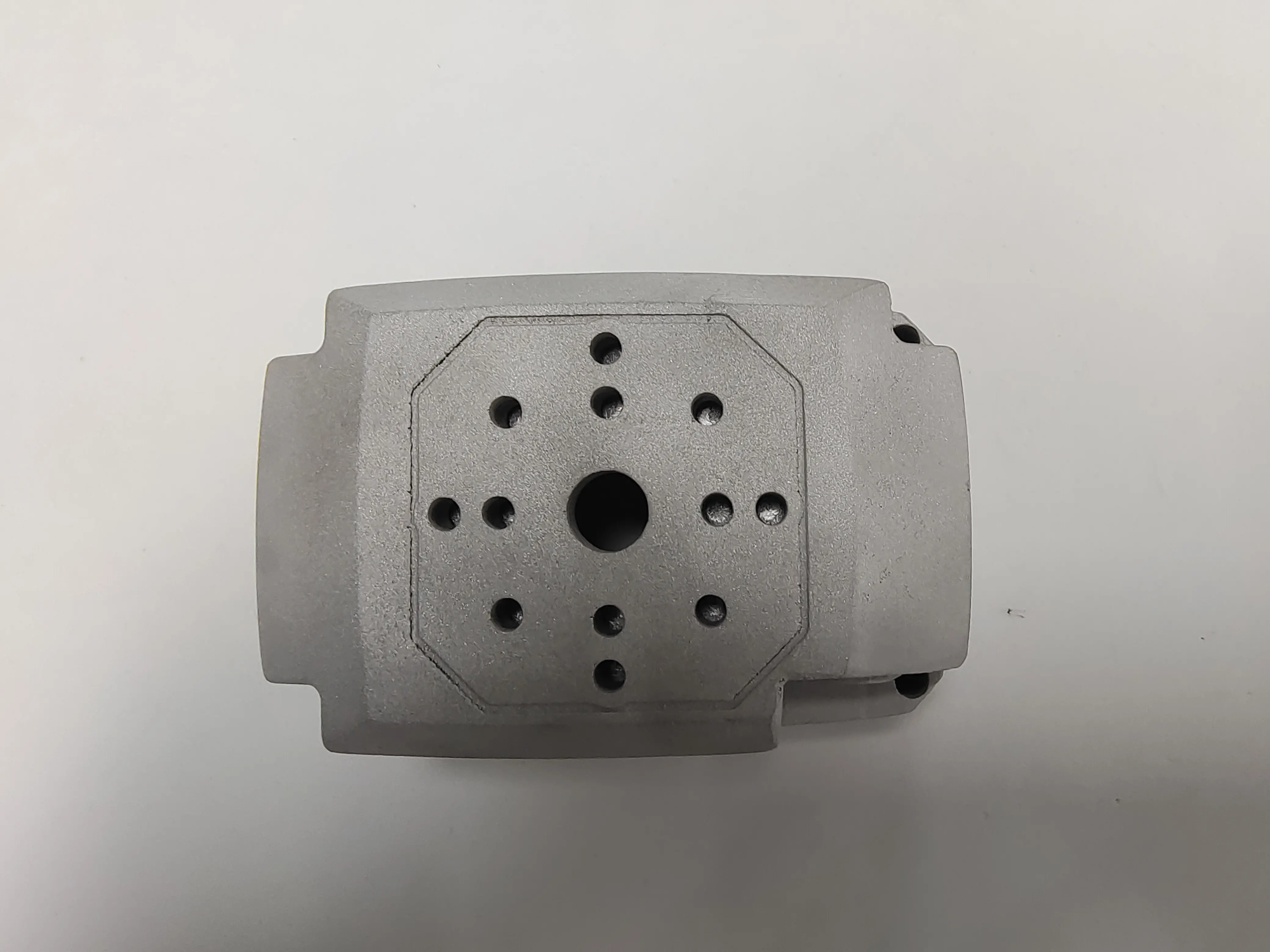
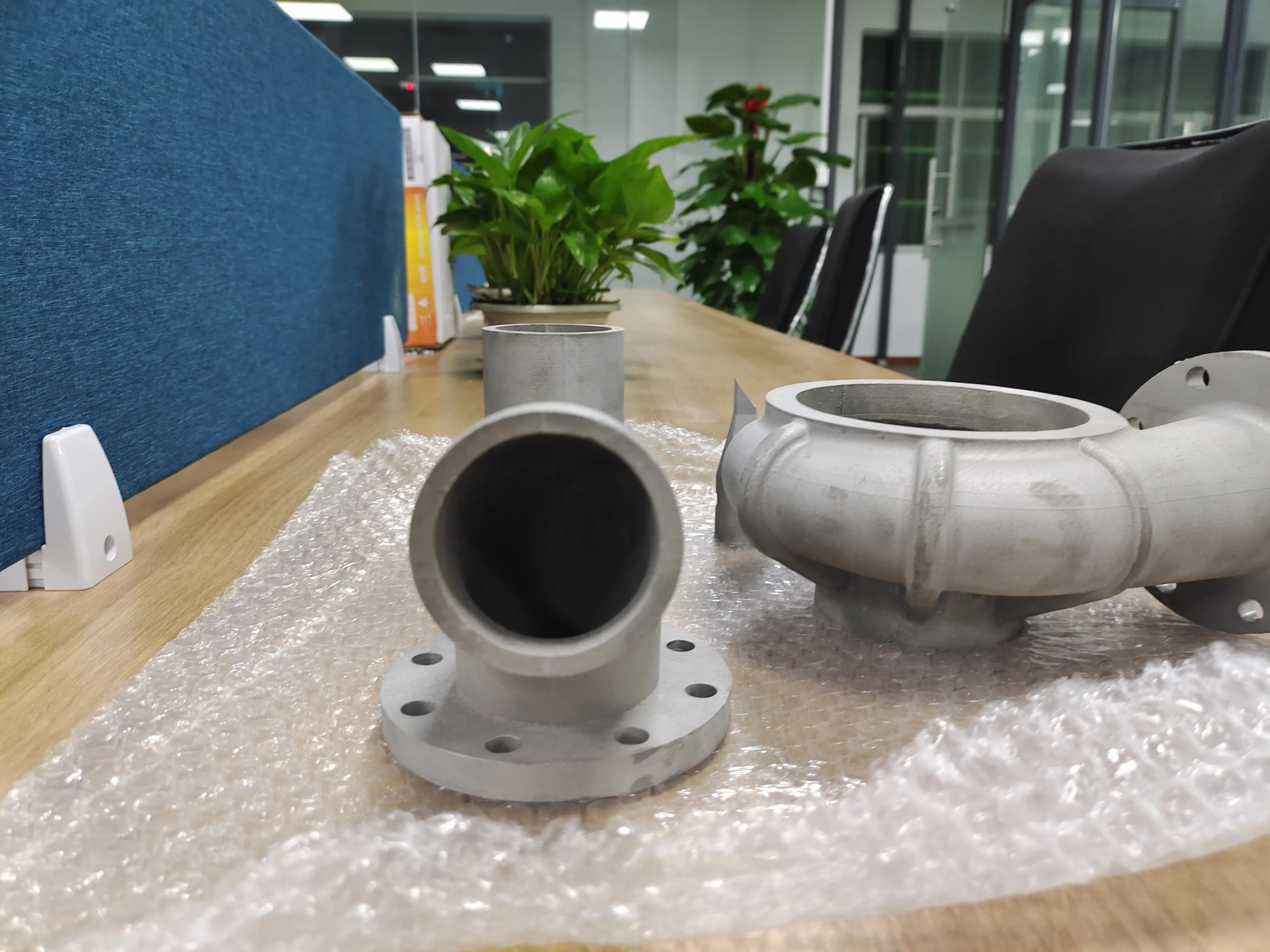
Take advantage of advanced Selective Laser Melting (SLM) GreatLight technology directly fuses fine metal powders layer by layer to build extremely strong, complex and dense metal parts. Their expertise provides:
- Superior metal solutions: Aerospace grade metals such as titanium (Ti6Al4V), stainless steel (316L), aluminum alloy (AlSi10Mg), nickel alloy (Inconel) and cobalt-chromium alloy can be used. These materials offer an unrivaled strength-to-weight ratio, corrosion resistance, heat resistance and service life that far exceeds that of plastics.
- End-to-end expertise: GreatLight provides true One-stop service:
- Pre-production consultation: Expert engineers work with you to optimize your metal bracket design, including printability, strength, weight, signal transmission window and functionality.
- Industrial grade SLM printing: Use state-of-the-art equipment to achieve exceptional precision, surface detail and material properties.
- Comprehensive post-processing: Handling everything critical to metal: stress relief heat treatment, precision CNC machining of critical interfaces, media blasting (bead blasting) to achieve a smooth satin finish, tumbling or specialized polishing, and ensuring hermetic sealing/sealing mechanisms.
- Speed and agility: As a leading rapid prototyping force, GreatLight excels at turning complex metal designs into high-quality parts quickly and efficiently—whether for prototype runs or low-volume end-use production.
- Peak customization: Material selection, surface finish, mechanical properties – all are precisely customized to the functional requirements and aesthetic vision of your AirTag holder.
For demanding applications that require the ruggedness and finish of metal while overcoming signal blocking challenges with expert design execution, GreatLight provides the means.
Conclusion: Your AirTags are yours
3D printing your own AirTag holder unlocks incredible creativity and functionality. From simple PLA keychains on your desktop printer to intricately designed PETG holders or durable TPU labels, the DIY route allows for personalization. Follow design best practices, choose plastics carefully, master slicer settings, and employ post-processing for truly professional results.
However, when your vision requires the ruggedness of aerospace-grade material titanium, complex geometries that require industrial SLM machines, complex metal designs for signal transmission, or flawless CNC machined surfaces that exceed DIY capabilities, work with a professional rapid prototyping partner such as huge light is the key.
Whether you crave the hands-on satisfaction of DIY plastic printing or require the engineering excellence of professional metal fabrication, you can create a custom AirTag holder that fits perfectly. your Demand has never been easier to obtain.
FAQ: 3D Print Your AirTag Holder
-
Can I 3D print a holder that won’t block the AirTag signal?
- plastic: Generally yes. Materials such as PLA, PETG, TPU, and nylon generally do not interfere with the Bluetooth or Ultra Wideband signals used by AirTags.
- Metal: Yes, But it requires expert design. Solid metal essentially blocks the signal. Specialty manufacturers like GreatLight can design brackets with specific gaps, openings, or integrated non-conductive materials such as ceramic or polymer threads/inlays to create dedicated paths to ensure proper signal transmission.
-
Which filament is best for a durable, everyday AirTag holder?
- polyethylene terephthalate The first choice for DIY plastic holders that balance toughness, durability, weather/chemical resistance, printability and cost.
- nylon Offers greater resistance to abrasion and chemicals, but is more difficult to print reliably.
- thermoplastic polyurethane Offers flexibility and shock absorption, perfect for items that may fall or need cushioning.
- For ultimate durability beyond plastic, Metal Like stainless steel 316L or titanium by professional service (GreatLight) is unmatched.
-
How to smooth the layer lines on a print stand?
- Polishing: Start with coarse-grained (e.g. 120) and progress to fine-grained (up to 800+). Wet sanding helps reduce dust.
- Primer/Spray Paint: Apply a high-fill spray primer designed for plastics. Sand the primer smooth and then apply the acrylics. Finally apply a clear protective layer.
- (Advanced/Warning): Solvent smoothing (eg acetone vapor for ABS/ASA only). Strict safety measures are required (smoke extraction, fire safety). Invalid/unreliable for PLA, PETG, TPU. Avoid indoors.
- (metal print): Professional processes such as media blasting (sand blasting) or CNC machining/tumbling can achieve smooth metal surfaces with GreatLight.
-
Can GreatLight print brackets directly from my CAD files?
- Absolutely! GreatLight specializes in taking customer-provided designs (STL, STEP, etc.) and converting them into functional metal prototypes or end-use parts. Their engineers can also assist with design optimization for SLM metal printing, manufacturability and post-processing needs. Please visit their website for a quote request and detailed specifications.
-
Is it cost-effective to print just one bracket?
- DIY printing: Because of the lower filament cost (material cost), it’s generally a “yes” to plastic mounts. Setup/design time is your primary investment. Ideal for prototypes and custom single pieces.
- Professional Services (Gletter): Cost-effectiveness becomes relative. A single complex metal bracket prototype involves materials, machine setup time, and post-processing. GreatLight specializes in providing high-value rapid prototyping services for critical projects that require superior metal performance or surface finish. For low-volume production, unit costs tend to be significantly lower.
- How safe are friction fit brackets? Will my AirTags fall off?
- Design is key: Make sure the AirTag cavity has a raised lip/ridge around the edge. The tolerance should be tight enough so that the AirTags snap in securely and require deliberate pressure to remove. Test prototypes thoroughly. Adding a small drop of adhesive for a permanent installation is an option. Alternatively, design snap-on lids or screw closures for maximum security.
Discover the power of personalization. Design, print and protect – your AirTag world awaits!