introduce
Ever considered creating your own rubber duck for perfect customization? While traditional rubber ducks are molded in rubber or plastic, 3D printing has completely changed how we bring this whimsical idea to life. Whether it’s for fun while bathing, quirky table accessories or industrial calibration (rubber ducks are very popular because "Debugging friends" For programmers! ), 3D printing releases infinite possibilities. With advanced technology and materials, digital designs can now be converted into tangible objects. As a pioneer of rapid prototypes, Great Enable creators and businesses to turn concepts into reality with precision and speed. Let’s explore how to 3D print your dream rubber duck and why working with experts to ensure perfect results.
Why 3D printed rubber duck?
- Personalization: Design duck’s unique shapes – your face, superhero, and even a dragon-shaped hybrid!
- Function: Do you need to float? Add to the buoyancy chamber. Want weighting? Embed metal.
- Rapid prototyping: Great for product designers who test ergonomics or buoyancy in water toys.
- Educational fun: A hands-on STEM project that learns 3D modeling and printing mechanisms.
Materials are important: Beyond ordinary rubber
Traditional rubber is not 3D printable, but modern alternatives offer versatility:
- TPU (thermoplastic polyurethane): Flexible, durable and soft touch – ideal for squeezing ducks.
- Resin: For ultra-smooth, detailed ducks with bright colors (e.g., SLA or DLP printing).
- PLA/PETG: Rigid plastic used for decoration or structural prototypes.
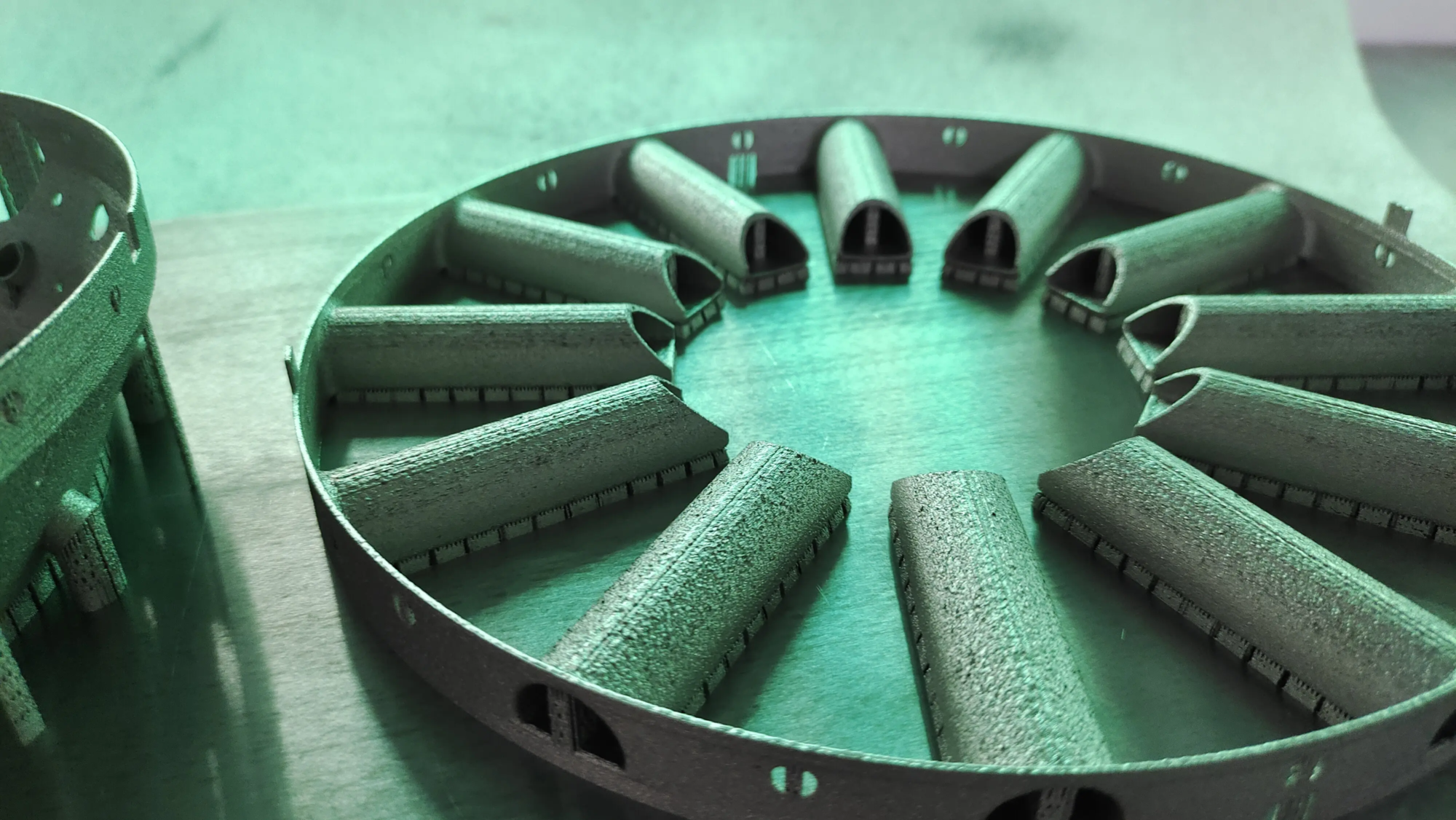
- Metal infusion: Stainless steel, aluminum or titanium (via SLM), used in high-quality, heavy-duty collectibles.
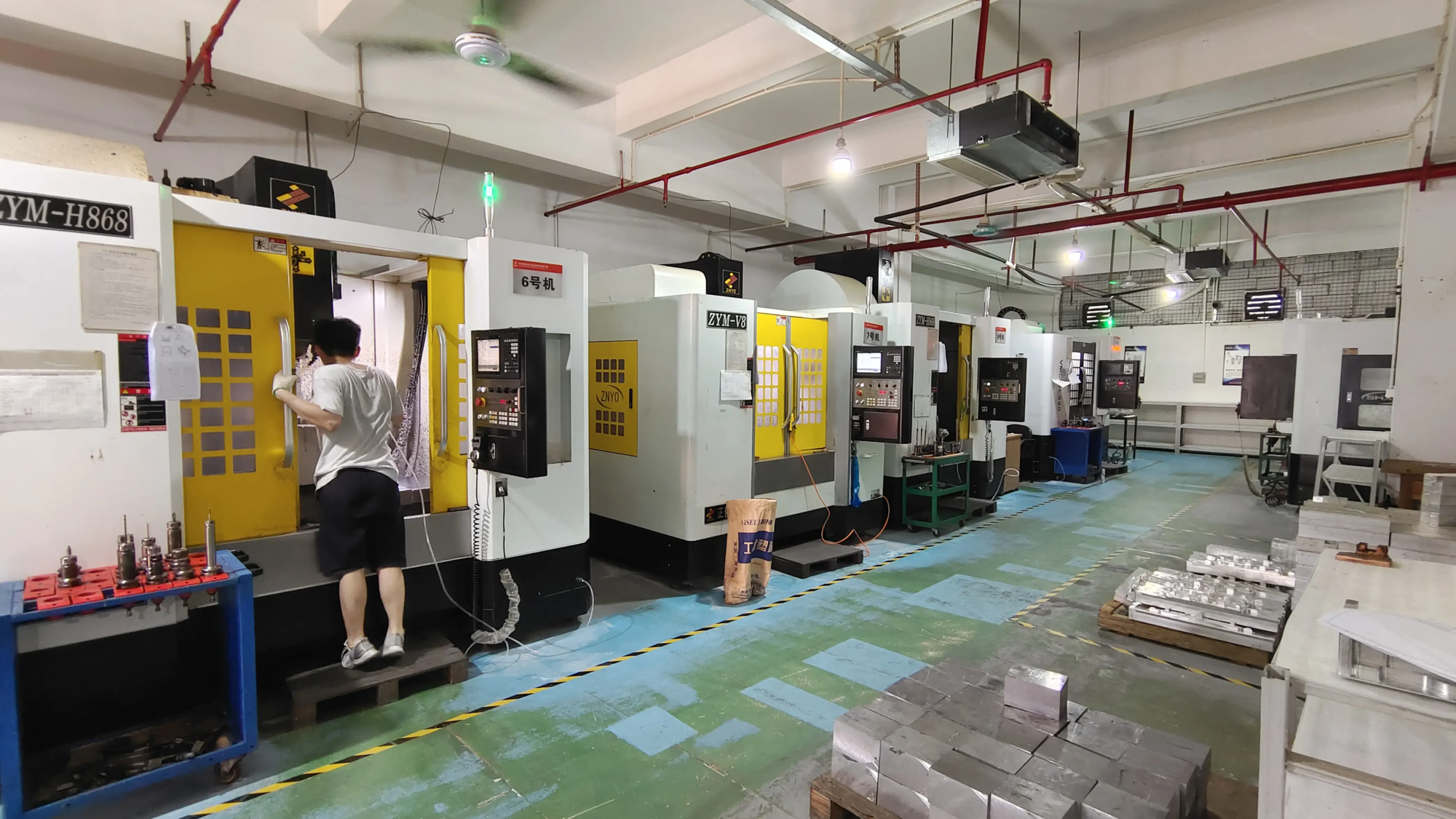
For prompts: TPU requires expertise to print without warping – Greatlight’s calibrated industrial printers handle seamlessly.
Process: From Design to Splash
- Design your duck: Use CAD software (Blender, TinkerCad) or download ready-made STL files. Make sure the walls are thick enough (2-3mm) to withstand after treatment.
- Optimized printing: Hollow model to save material, but include drain holes to prevent resin/moisture traps. For floating, use Archimedes’ principle to calculate the air chamber volume.
- print:
- Industrial-grade precision: Greatlight uses SLM (metal) and multi-jet fusion (polymer) for a perfect, layerless finish.
- Support and direction: The tilted design requires intelligent support structures to avoid collapse.
- Post-processing:
- Grinding/polishing: Achieving the smoothness of the baby duck.
- seal: Waterproof, equipped with food safety epoxy resin to achieve bathtub safety.
- dyeing: Dye TPU or use UV-resistant paint life.
Why choose professional services?
While hobby printers work for simple PLA ducks, complex design requires expertise:
- Material integrity: TPU and metal printing require a controlled environment to prevent warping or porosity.
- Safety standards: Non-toxic skin-safe finish, suitable for child-friendly ducks.
- Precise zoom: Carved miniature table toys or giant pool companions without losing details.
- Time/cost efficiency: Avoid printing or manual cleaning – Greatlight provides printable ducks in a few days.
Gremight is good at it here and provides End-to-end solution:
- One-stop post-processing: From heat treatment to silicone coating.
- Customized materials: Biocompatible resin, flexible hybrid or aviation metal.
- speed: Emergency prototype 24-hour turnover.
in conclusion
3D printed rubber duck blends creativity with engineering to transform nostalgic toys into personalized masterpieces or functional prototypes. Whether you are an amateur or a product developer, professional prototyping bridges the gap between imagination and reality. exist GreatWe combine cutting-edge SLM technology, materials science mastery and meticulous finishes to ensure your project floats, looks and performs perfectly. Ready to shine? Let’s create something incredible.
Custom ducks today → Visit Greglight
FAQ (FAQ)
Q: Can 3D printed rubber ducks float?
Answer: Yes! Use buoyant materials such as sealed TPU and design hollow air chambers. Avoid absorbent plastics (for example, untreated nylon).
Q: Is your printing duck safe for children?
Answer: Absolute. We use non-toxic, FDA-compliant resins and sealants. Request a food-safe epoxy coating for bathing toys.
Q: How much does a custom 3D printed duck cost?
A: The budget for Simple Plastic Duck starts at about $15. Complex metal or multi-color designs cost more ($50–$200+). Submit a free quote for your design!
Q: Can I print flexible rubber ducks?
Answer: Yes! TPU (Shore 85a-95a) mimics the flexibility of rubber. Greatlight ensures optimal printing settings to prevent stringing or layer splitting.
Q: Do you provide design services?
A: Yes. Our engineers optimize models for printability, buoyancy and power with no additional cost on your order.
Q: The durability of metal 3D printed ducks?
A: SLM printed stainless steel or titanium duck is almost indestructible and can make the mirror shine – jewelry or quality mirrors.
Q: What time is the turnover?
Answer: Plastic duck: 1-3 days. Metal: 5–7 days. Rush service is available.
Love your duck or we will guarantee it.
Start your project now →