Bringing your favorite Pokémon to life: The Ultimate 3D Printing Guide
Few things are nostalgic and exciting like Pokémon. From Pikachu’s cheeky smile to Charizard’s wings, these creatures have captured decades of imagination. Now, thanks to 3D printing, you can convert digital elves into tangible collections, gifts and even functional art. This guide will take you through every step, from purchasing models to the perfect finish – whether you are an amateur or seeking professional grades.
Step 1: Procure your Pokémon model (ethical and legal)
Adventure begins with the right digital model. But beware: Pokémon is a trademark, so please stomp carefully.
- Official source: Nintendo occasionally releases free models (for example, Pokémon Rumble Assets). Check if the fan community like Pokémon’s official website is limited.
- A platform for fan manufacturing: Websites like Thingiverse, Cults3D, or Myminifactory Host creator sharing model. Stick to label "Fan Art" and avoid commercial sales to respect copyright. Always credit artist!
- DIY creation: For true originality, use Blender or Zbrush to engrave yourself. If you have Qlone, use an app like Qlone to scan.
⚠️ For prompts: Never sell copyrighted prints. Personal use is usually safe, but mass production can cause legal trouble.
Step 2: Optimize the printing model
The original model rarely prints perfectly. Prepare them to avoid printing failures.
- Repair and optimization: Use Meshmixer or Netfabb to fix holes, non-Manifold edges and wall thickness. Aim at walls ≥1.5mm for durability.
- Extend thoughtfully: Resize in a slicer such as Ultimaker Cura or Prusaslicer. Mini (3-5 cm) requires resin to be introduced in detail; life-size Pokémon is used with FDM.
- Support and direction: The 45° angle model to minimize support. For complex functions (e.g., Pikachu’s ears), the support of the tree reduces scarring.
Step 3: Select the technology and materials
Choosing the right printer and material can affect aesthetics and functionality:
- Resin Printing (SLA/DLP): Great for complex Pokémon with fine textures. Materials such as Any Cubic’s plant-based resin provide distinct details for the micro.
- The best: Figurine, keychain, exquisite design.
- FDM (Filament) Printing: Great for giant prints or kid-friendly toys. Use PETG’s durability or silk PLA to have a metallic effect on the badge.
- The best: Large model, role-playing props.
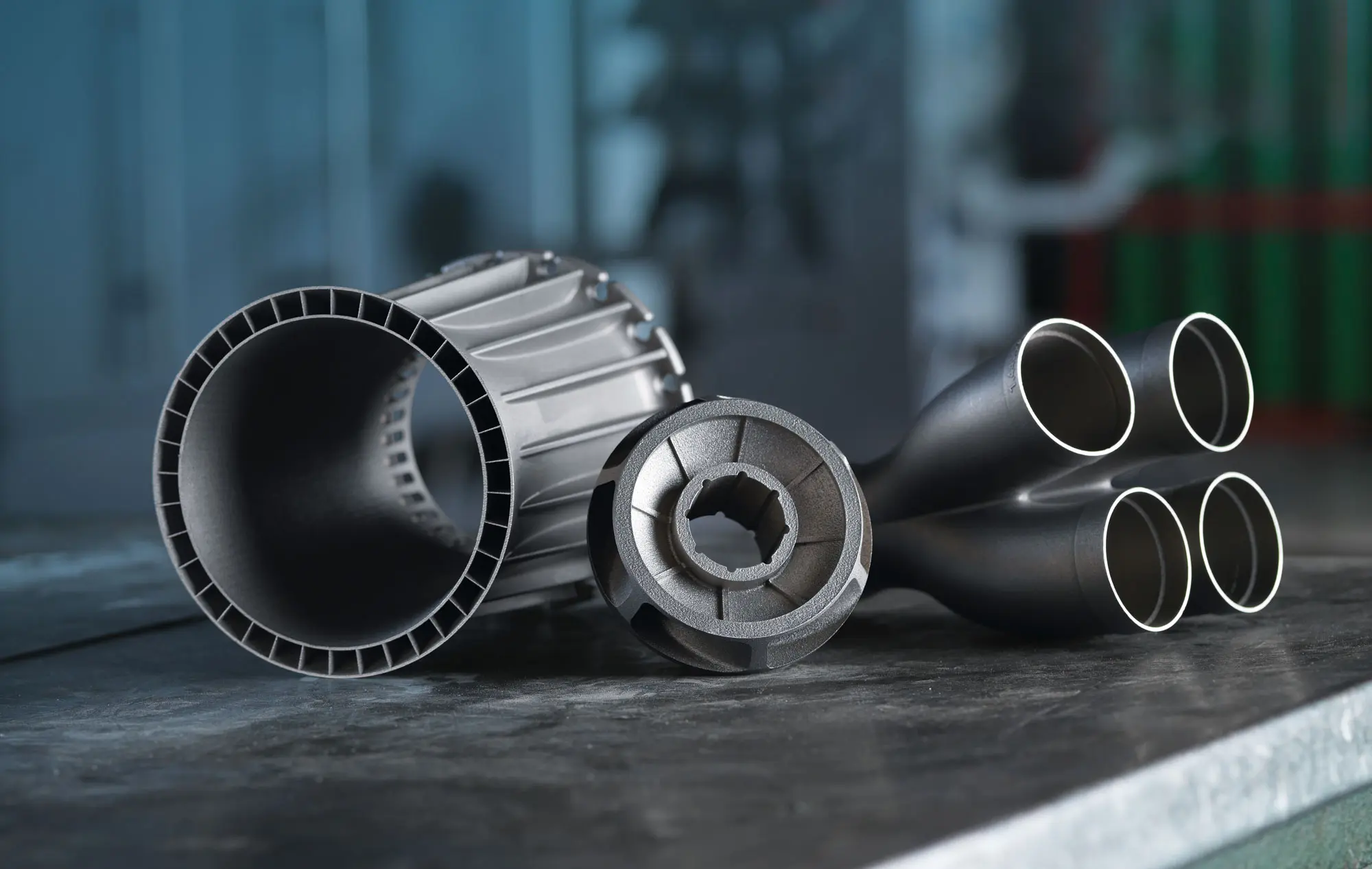
- Metal printing: Yes, Metal Pokémon is possible! SLM (Selective Laser Melting) can be produced in stainless steel, aluminum or titanium models and can be used in elegant badges, jewelry or heirloom pieces. The company likes it Great Specializes in SLM to ensure accuracy even on complex geometries.
Step 4: Post-processing and completion
Convert original printing to presentation:
- FDM workflow: Gradually sand (220→2000 grit), putty, prime number, and then acrylic coating to fill the seams. Use UV resin for glossy eyes.
- Resin Workflow: Wash in IPA, cure under UV light, clamp support, and polish with sandpaper. For the chromium effect, try vacuum metallization.
- Metal finish: Such as professional services GreatPost-processing is game-changer:
- Polished mirror-like luster
- Electropolishing to eliminate microscopic defects
- Color powder coating or engraving
- Heat treatment for structural integrity
When to go to major: Work with experts
Home printing has restrictions. For museum results (especially metal), professional services ensure perfection:
- What Greatlight is good at:
- Metal models printed by SLM, such as EEVEE PENDANT or Steel Gym badge.
- Multi-matter items (e.g., resin Charizard with metal wings).
- Complex post-processing: They handle everything from pressure-reducing heat treatment to CNC engraving.
Conclusion: Your Pokémon is mastered
3D Print your favorite Pokémon Bridge virtual world in reality. Whether you are making plastic Pikachu on Ender 3, or from Greatmagic lies in creation. This is a meaningful DIY challenge for amateurs, but for advanced, lasting results, working with rapid prototyping experts to boost your project from craftsmanship to heirloom. With advanced technologies like SLM and expert finishes, even metal legends are possible. Since childhood, I have a big dream, and then To printWoolen cloth
FAQ: Your Pokémon Print Question answered
Question 1: Is 3D printing of Pokémon legal?
Yes For personal use. Print fan art that you can freely download is usually safe. The sale of prints or distribution of paid models infringes Nintendo’s copyright. If you have any questions, please consult the terms of the model creator.
Q2: Which 3D printer is best for Pokémon microcosm?
Resin printers such as the Elegoo Mars 4 capture fine details like Fur Texture. FDM printers such as BAMBU LAB P1 can be used for larger, complex models.
Q3: My prints have layered lines. How do I get a smooth finish?
- FDM:SAND + Coat the fill primer; ABS with acetone vapor (not PLA).
- Resin: Wet the sand with more than 1,000 sandpapers and polish it.
- Metal: Professional tumbling or electropolishing (provided by services like Greatlight) provides a seamless surface.
Q4: Can Pokémon models be printed in 3D in metal?
Absolutely! SLM (metal) printing produces durable, high-detailed parts. Ideal for jewelry, keychains or collector items. Companies like Greatlight specialize in this – offering materials such as aluminum or stainless steel.
Q5: What is the typical cost?
- DIY: $5– $30 (resin/PLA + power).
- Metals through professional services: $50– $300+, based on size and finish. Example:
- 5cm Steel Bulbasaur: ~$80 (polished)
- 10cm Titanium Lugia: $250+ (with engraving).
Question 6: Where can I commission professional Pokémon prints?
For plastics/resin, use a platform like CraftCloud. For metal parts, rapid prototyping experts Great Provide end-to-end solutions – optimize design, print and complete perfect results. Visit Greatlight for custom quotes!