Embrace Innovation: The Ultimate Guide to 3D Printed Air Gun Equipment
The Airsoft community thrives in customization, realism and tactical innovation. With the rise of accessible 3D printing technology, players now have unprecedented design, modification and manufacturing custom equipment that suits their game style, which is the price of expensive after-sales service solutions and unlocking creative freedom. This guide explores the transformative world of 3D printed Airsoft devices, blending practical insights with materials science to help you navigate this area.
Why 3D printing is revolutionizing air guns
Unrivaled customization: From personalized pistol grips to a unique rail adapter, 3D printing allows you to prototype and produce features that are not available for commercial products. The right ergonomics and aesthetics can be dialed into your exact preferences.
Accelerated prototype: Test new range mounts or iterations of Magwell designs in days rather than weeks. It can be adjusted quickly without the need for expensive tools, and is ideal for refining niche parts such as analog suppressors or battery trays.
Cost Efficiency: Low-volume production avoids minimum order quantity. Professional brackets or discontinued components can be produced economically on demand.
Lightweight and complex geometric shapes: Weight reduction, integrated wiring channels or organic shaped lattice structures mimic real guns – it is impossible to use the conventional method to design with addize Inded Manufacturing Conquers.
The top 5 3D printed air gun apps
- Internal components:
Transmission reinforcements, lightweight piston heads or trigger components benefit from precision engineering. Material Tips: Nylon (PA12) or carbon filled thermoplastics have impact resistance. For high pressure parts such as Sears or Gears, Metal 3D printing It is not negotiable. - Magazine and accessories:
Extended base base plate, custom speed loader and drum – Mag interior is a popular print. Make sure the friction surface is smooth and the walls are thick enough to withstand drippings (minimum about 2.5 mm). - Optical and Mounts:
Create a red dot protector, a non-standard range riser or NVG mount. UV-resistant ASA or PETG prevents the sun from degrading. - Ergonomic upgrade:
The tilted front edge, the cheek rests, and the thumb stands, allowing your weapon to adapt to your anatomy. Textured surfaces can improve grip strength – use TPU for rubbery flexibility. - Cosmetics Kit:
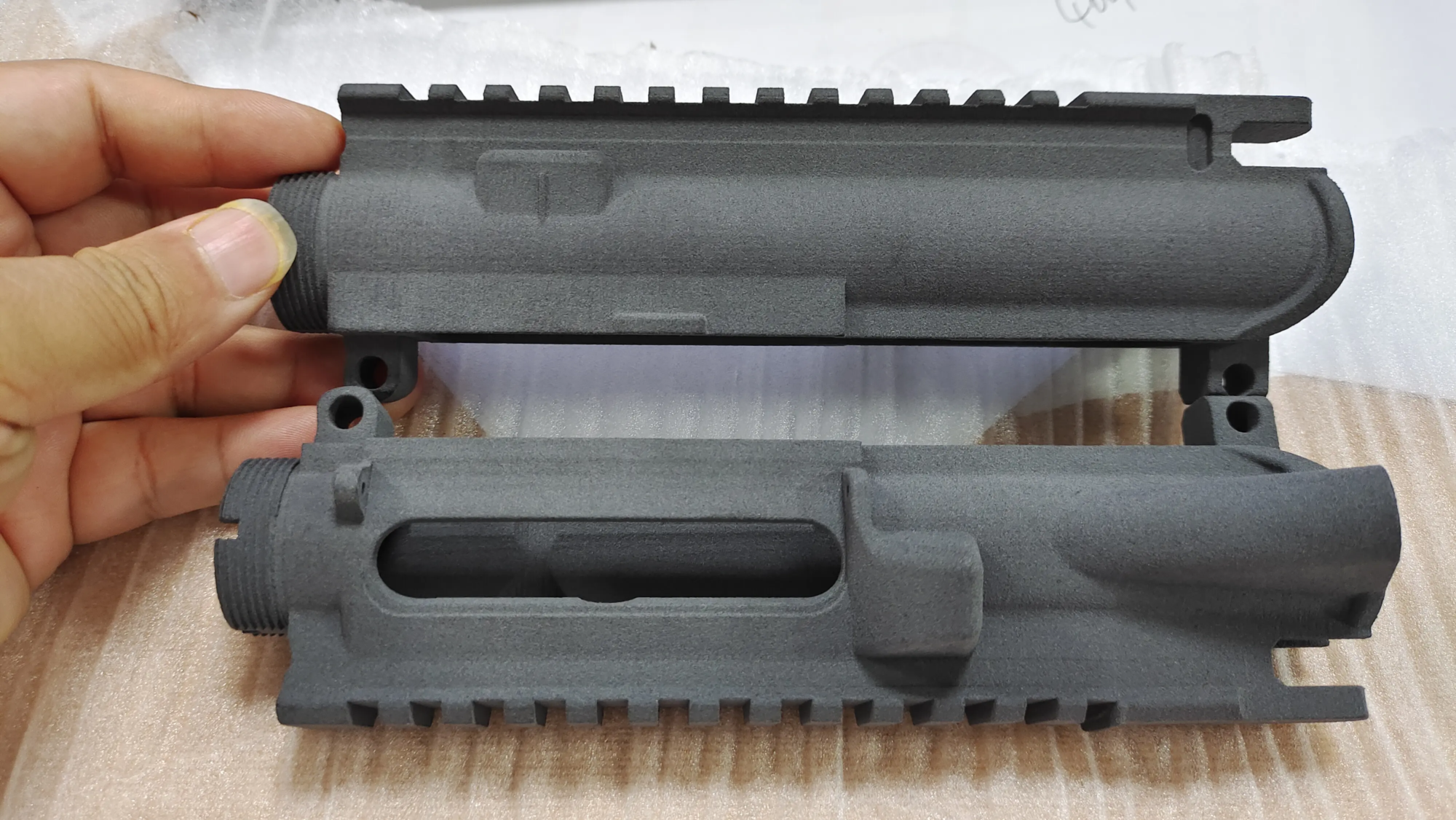
Transform the M4 into a futuristic bullfighting. Print the rail cover, simulate PEQ box or copy grenade launcher – can smooth the layer lines for paint preparation.
Material selection: Match technology with tactics
| Material | The best | limit | Technical use |
|---|---|---|---|
| PLA+ / ABS | Prototype, low pressure parts | Cold/impact fragile | FDM/FFF |
| PETG/carbon fiber | Magazine, stock, mount | Medium UV resistance | FDM/FFF |
| Nylon (PA12/PA6GF) | Critical External | Dry storage required | SLS, MJF |
| Metal (aluminum/stainless steel) | Gears, bolts, stress points | Higher cost | SLM, DML (Greglight’s Specialty) |
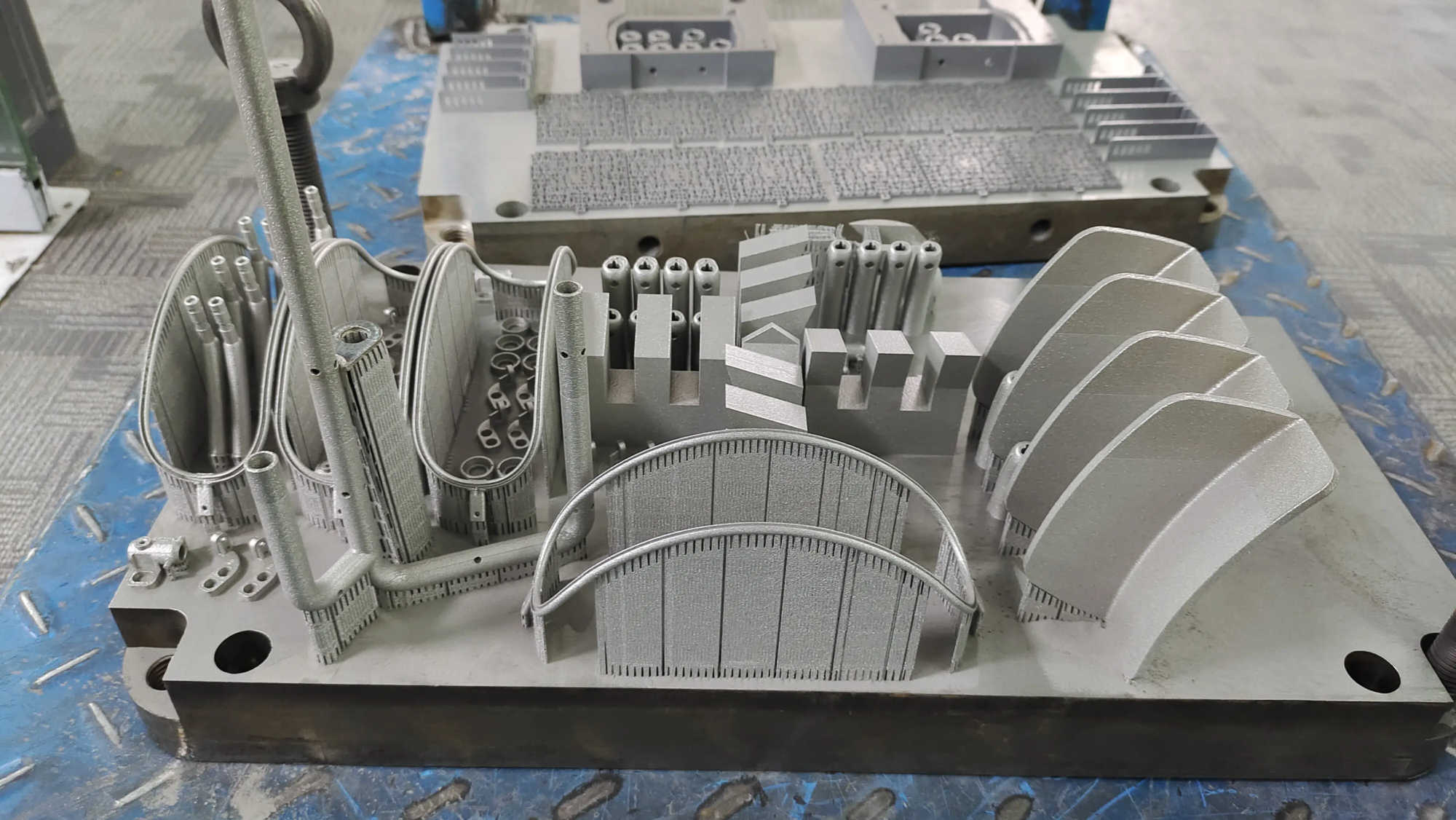
Critical Insights: For parts that face recoil, torsion or impact, metal 3D printing passes Selective laser melting (SLM) Provides excellent structural integrity. The company likes it Great Stand out here, using industrial SLM printers to create dense, heat-resistant metal components that are indistinguishable from the equivalents produced by CNC.
Navigation design and post-processing
- Wall thickness: Plastic at least 1.5mm; metal 0.8mm. Strengthen the load-bearing cross-section with ribs or burrs.
- tolerance: Allows ±0.2mm clearance of the moving interface. SLM’s metal printing handles have tighter tolerances (±0.05mm).
- direction: Align the prints to maximize adhesion along the stress vector. Tool paths are important!
- Post-processing:
- plastic: Sand > Primer Filler > Solvent Smoothing (Acetone Vapor for ABS).
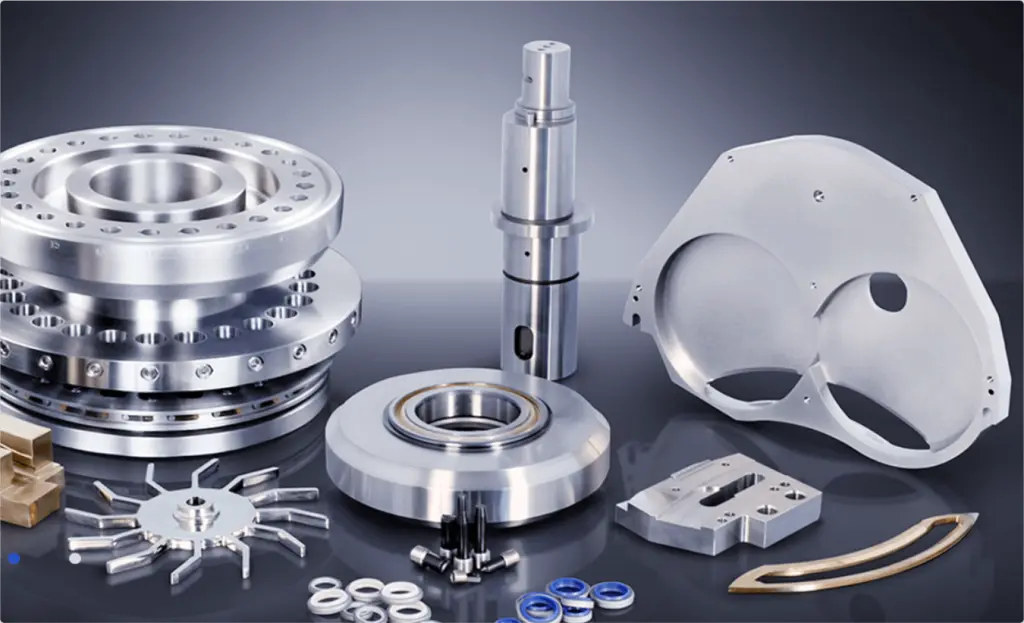
- Metal: Great Provides dimensional accuracy + polishing effects for shooting, heat treatment and CNC milling.
hint: Always test the prototype with low power springs first!
Spotlight: Professional grade metal printing for tactical needs
Great Utilize industrial SLM 3D printers – molten metal powder (stainless steel, titanium, aluminum alloy) to produce completely dense parts. Why consider them?
- Strength to weight ratio: SLM parts compete for forging metal in pressure endurance.
- Complexity without cost surge: Internal cooling channels or lattice structures add zero tool fees.
- One-stop optimization: From topological design design to post-treatment finishes (anodized, sand-piercing), they handle critical air gun components such as:
- Transmission housing
- High torque bevel gears
- Custom suppression bezel
- Bolt carrier
As the highest rapid prototype partner, Greatlightlines simplifies custom orders for fast turnaround (<5 days), material flexibility and precise verification, which is ideal for players with priority recovery capabilities.
in conclusion
3D printing makes air guns innovative and democratic, turning players’ creativity into tangible equipment. Desktop printers are suitable for cosmetic adjustments. Metal additive manufacturing sets up a gap in mission-critical components with high durability. Work with experts like Greatlight to ensure your creations can withstand the battlefield while customization exceeds traditional restrictions.
Ready to design advantages? Start the prototype.
FAQ: 3D printed air gun equipment
Q1: Is the 3D printed air gun gear field combat method?
A: Most fields allow printing of external (stock, grip). Timed tests may be required internally. Always check using the technical rules of your website.
Q2: The durability of plastic 3D printed parts?
A: PETG or nylon can compete with ABS plastic durability. Strengthen stress points and avoid using PLAs with loaded parts. Metals are still best suited for high impact.
Question 3: Can I print the entire air gun?
A: Printed receivers often violate IP laws. Focus on components (e.g., grip, trigger), rather than adjusting the frame.
Q4: Why choose metal 3D printing instead of injection molding?
Answer: Low capacity cost efficiency, design freedom of complex parts and faster iteration. SLM metal parts provide MIL-SPEC elasticity without the need for tool investment.
Question 5: How does Greatlight ensure partial reliability?
A: Their SLM processes include stress simulation, porosity testing and post-construction heat treatment and are returned by ISO certified QC. Request for proof of materials to be at ease.
Question 6: What is the biggest challenge in DIY Airsoft printing?
Answer: Layer adhesion under stress. Use high temperature plastics with the optimal layer height (0.1-0.15mm) and avoid flat orientation on the shear plane. For critical parts, please trust professional services.