Digital Fossil Record: How 3D-printed animal skulls could revolutionize evolutionary science
Skulls tell stories. As nature’s elegant blend of form and function, these complex structures are a scientific gold mine—encoding evolutionary adaptations, ecological strategies, and biological blueprints inherited over millennia. However, fragile fossils and limitations in accessing rare specimens have historically limited our ability to study them. Introducing 3D printing: a disruptive force bridging paleontology, biology, and engineering that will change the way we reconstruct, analyze, and understand the nature of evolution.
Beyond plaster casts: the shift to digital fossils
Traditionally, evolutionary biologists have relied on manual measurements, physical models, or two-dimensional photographs to compare skull morphology. This approach has its inherent flaws:
- Fragile and priceless fossils cannot be handled regularly
- Physical replicas are decayed or lack interior details
- Critical nuances such as internal cavities, biomechanical stress points or microscopic features are often overlooked
3D printing overturns these limitations. Researchers now use non-invasive CT or laser scanning to create high-resolution digital models of skulls and even scan fossils embedded in rocks. These data sets are transformed into physical replicas through additive manufacturing, enabling:
- Unlimited copies without damaging the original
- Hands-on scaling/scaling models
- Internal visualization of the sinus labyrinth, braincase, or tooth roots
The technology behind precision
Not all 3D printing can meet the needs of such demanding applications. Different methods meet different scientific needs:
- SLS (Selective Laser Sintering): Fine nylon powder melted by laser. Ideal for lightweight, intricate reproductions with microscopic detail.
- PolyJet/Material Jetting: Print photopolymer layer by layer. Capture textures such as bone sutures or cartilage impressions.
- FDM (Fused Deposition Modeling): Affordable molten plastic. Best suited for educational displays where surface accuracy is less important.
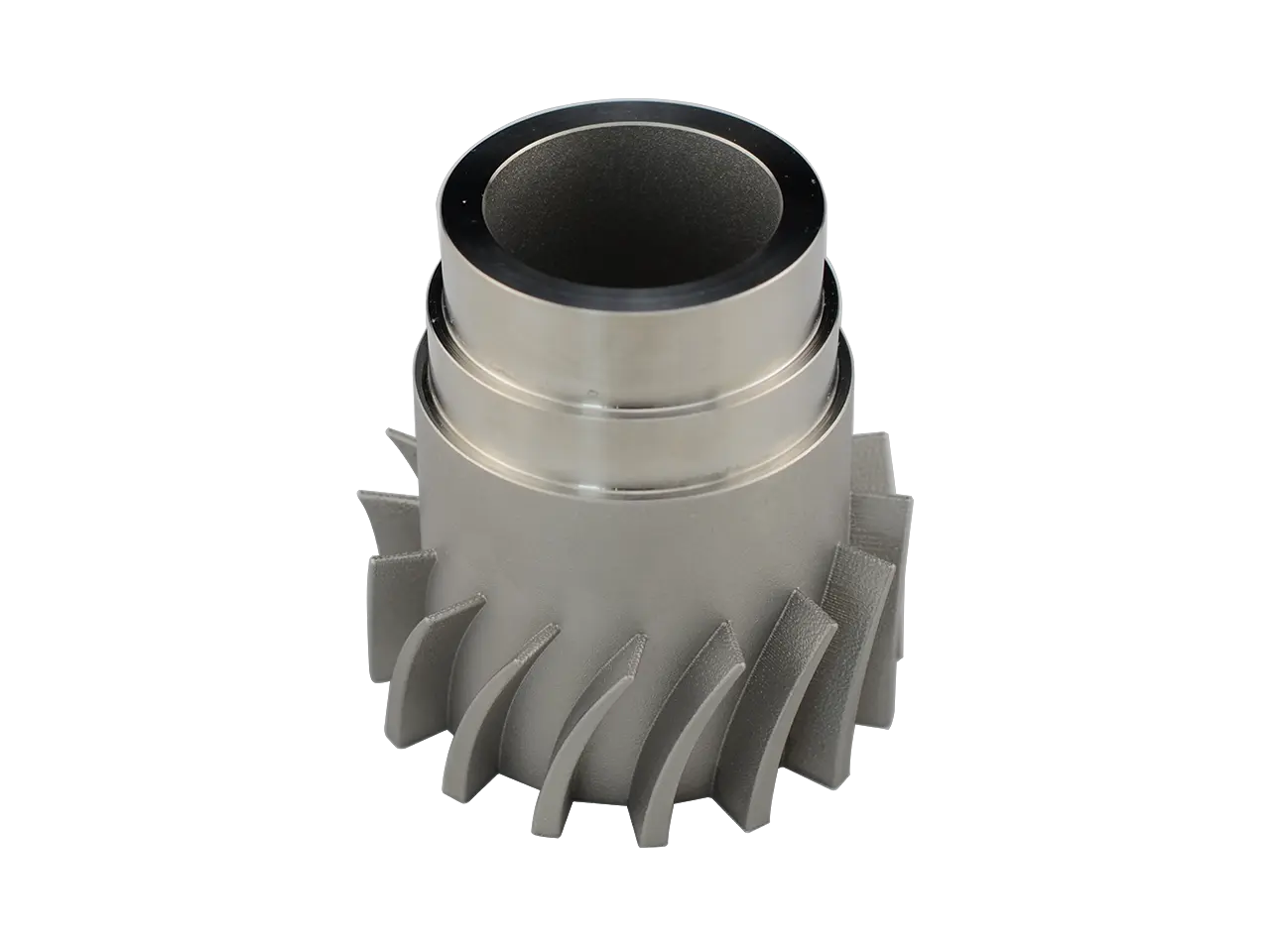
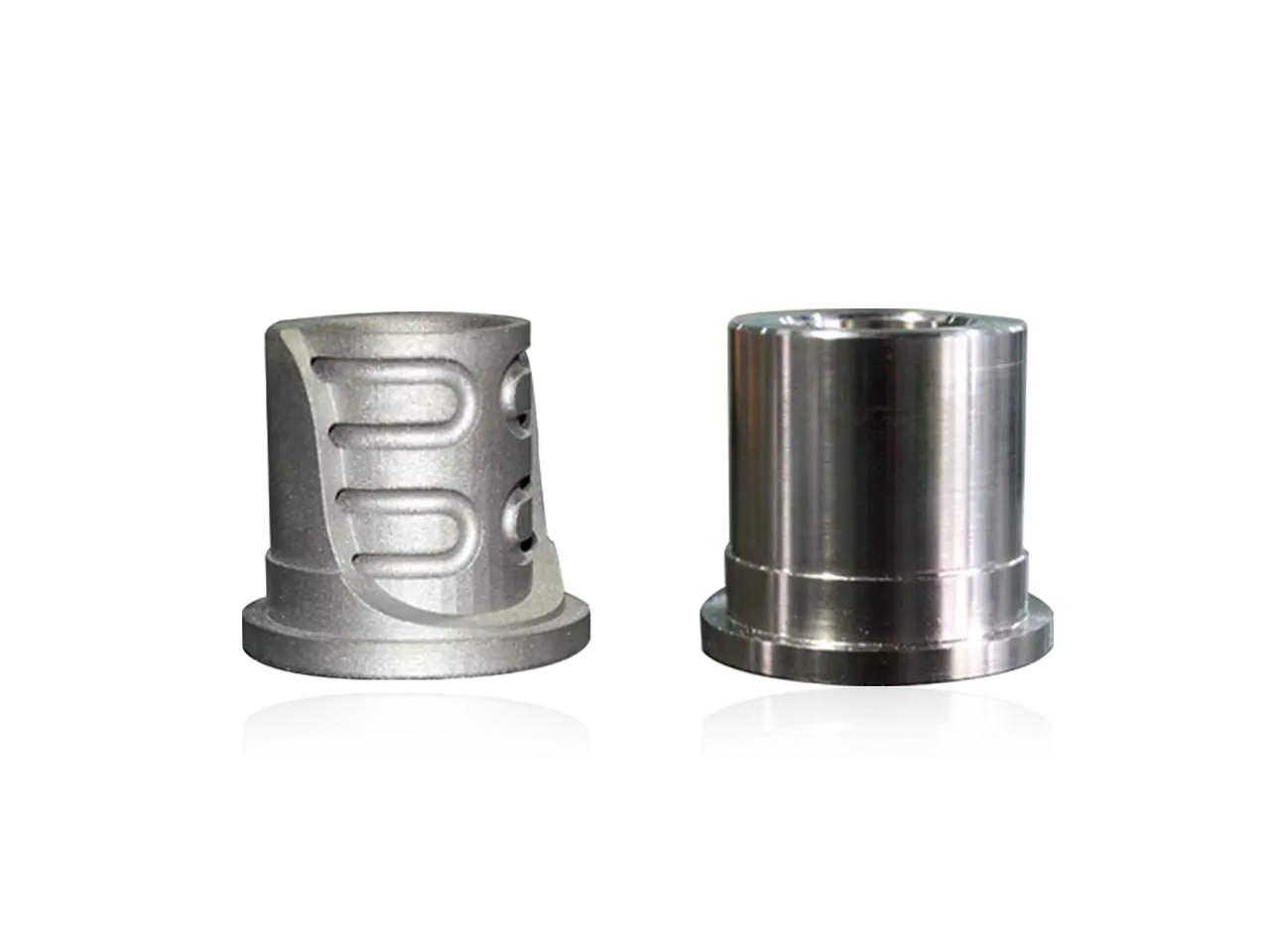
For functional biomechanical testingmetal 3D printing dominates – especially SLM (Selective Laser Melting). This industrial-grade technology uses high-power lasers to melt metal powders (titanium, stainless steel) to create fully dense, durable prototypes that mimic the structural integrity of bone. Scientists deployed SLM-printed skull components in stress simulations to test evolutionary hypotheses about the impact of bite force on carnivore dentition or herbivore thermoregulation.
Case study: Decoding evolution through printed skulls
- this "I was born a man" puzzle: When more than 1,500 bone fragments were found in a cave in South Africa, researchers scanned and reprinted parts of the skulls at different scales. Assembling tangible fragments accelerates morphological comparisons with Homo sapiens and Neanderthals, clarifying the timeline of evolutionary divergence.
- Sabretooth Tiger Mechanics: SLM-printed titanium skull models were stress-tested through finite element analysis, demonstrating that saber-toothed cats likely used neck muscles (rather than jaw force) to drive their fangs into prey, an adaptation unlike modern cats.
- The secrets of dolphin echolocation: CT scans of fossil ancestors such as Dorudon generate complex airway fingerprints. Hands-on manipulation reveals twists in the cochlea of the inner ear, explaining evolutionary changes in underwater hearing.
Beyond research: education, ethics and conservation
3D printing democratizes access to evidence of evolution:
- museum: Institutions such as the Natural History Museum in London are offering touchable T. rex skull prints, increasing accessibility.
- classroom: Students assemble printable chimpanzee-to-human fossil piles to visualize evolutionary sequences.
- Protect: Scientists have printed the skulls of endangered species such as Sumatran rhinos to predict morphological changes under climate scenarios.
ethical considerations: While replicating human remains remains controversial (requiring cultural negotiation), advances have reduced the destructive practice. Resin skulls replace ivory seized in education, stopping poaching.
Challenges and future prospects
Current limitations include scanning interference with mineralized fossils and replicating suture flexibility in juvenile skulls. Yet emerging technologies are converging:
- Multi-material bioprinting Modeling the cartilage-to-bone transition in ancestral amphibians.
- AI-assisted reconstruction Algorithm predicts fossil skull gaps.
- Click and Print Cloud Library MorphoSource, for example, hosts downloadable models for global collaboration.
in conclusion
3D printing animal skulls isn’t just a reproduction, it’s a resurrection. By transforming silent fossils into interactive, testable artifacts, the fusion of ancient biology and future manufacturing reveals the evolutionary narrative inscribed in the bones. As resolution increases and engineering simulates soft tissue interactions, we will dissect the whispers of natural selection with unprecedented fidelity. This revolution reaches beyond academia, inspiring future generations to get their hands on tangible evidence of our planet’s deep history—printing one skull at a time.
Improving evolutionary research with GreatLight Precision
Reconstructing complex biological structures such as fossilized skulls requires industrial-scale manufacturing capabilities, especially functional biomechanical testing. exist huge lightwe integrate cutting-edge SLM (Selective Laser Melting) The technology provides high-strength metal replicas with accuracy down to 50μm, ideal for simulating tooth impact stress or cranial plate joints.
Our expertise covers:
- Material innovation: Titanium alloy that mimics cortical bone density; stainless steel replica for educational processing.
- One-stop precision: From CT scan optimization to post-processing (heat treatment, sandblasting) to ensure anatomical accuracy.
- Scalable rapid prototyping: Accelerate peer review or museum exhibition deadlines with agile turnaround times of 1-5 days.
For evolutionary biology teams seeking durable, true-source models supported by engineering rigor. GreatLight solves rapid prototyping challenges Plastic prints collapse under stress testing or lose microscopic detail. Work with our experts to customize your next paleontology, biomechanics or conservation project – with groundbreaking accuracy at globally competitive prices.
Request a custom skull prototype quote now →
FAQ: 3D Printing Animal Skulls
Q: How accurate are 3D printed animal skulls compared to real fossils?
A: High-resolution CT/MRI scans capture details in excess of 0.1 mm. Combined with industrial SLM/SLS printing, replicas can achieve >99% morphological fidelity, which is critical for evolutionary studies.
Q: Can you print fragile structures like thin nose bones or teeth?
A: Metal printing (SLM) supports green overhangs below 45° without support. Polymers such as PA12 can withstand breaking forces comparable to real bone.
Q: Are museum quality prints affordable?
A: Yes, 3D printing can significantly reduce costs compared to traditional molding. GreatLight’s scalable SLM/FDM options are budget-friendly: Titanium for labs ($200-$2,000+), PLA for schools (<$50).
Q: How do you obtain scan data ethically?
A: Reputable providers use open source databases (e.g. MorphoSource), museum partners, or legally obtained specimens – never use endangered/protected species without permission.
Q: What about digitally reconstructing damaged fossils before printing?
A: Paleontologists use software (Avizo, Geomagic) to algorithmically “heal” the cracks, ensuring that the printed model reflects the original form rather than deterioration.