

Protect Your Project: The Final Guide to 3D Printing Arduino Uno Case
Imagine: You have spent weeks perfecting an Arduino Uno project. The code is flawless and the wiring is impeccable. But an unexpected overflow, rogue spark or careless impact can make your hard work useless. This is a powerful custom case. Enter 3D Print, this is the game changer for DIY enthusiasts and engineers. The custom 3D printed shell not only shields your boards; it improves the reliability and aesthetic appeal of your project. At Greatlight, we master the blend of functionality and innovation using advanced rapid prototyping techniques such as selective laser melting (SLM) to create high-performance cases beyond ordinary plastic boxes. Here is why and how to design a professional-grade Arduino Uno case.
Why Your Arduino Uno Should Get Customized 3D Printed Box
The Arduino Uno board is the brain behind countless prototypes, from simple IoT sensors to industrial control systems. However, they are susceptible to dust, moisture, electromagnetic interference (EMI) and body trauma. Common cases may provide basic protection, but 3D printing solutions offer:
- Tailored protection: Precisely designed shielded ports, ICs and connectors, while achieving passive cooling.
- Durability: Better to withstand the unfortunate or harsh environment of the workshop than ready-made fences.
- Modular: Add shield, sensor or battery pack as needed.
- Professionalism: Use brand, polished shell to enhance customer demonstration or commercial products.
Perfect design: main considerations
Successful case design balances technical limitations with usability. Here is what you need to cover:
- Precision fitting:
- Use accurate open source Arduino Uno sizes (68.6mm x 53.4mm) to avoid stress points or port misalignment.
- Secure the screw to the screw – no loose hardware!
- Material is important:
- Standard use (PLA/ABS/PETG): Reasonable price, can be used for home printers, perfect for prototypes.
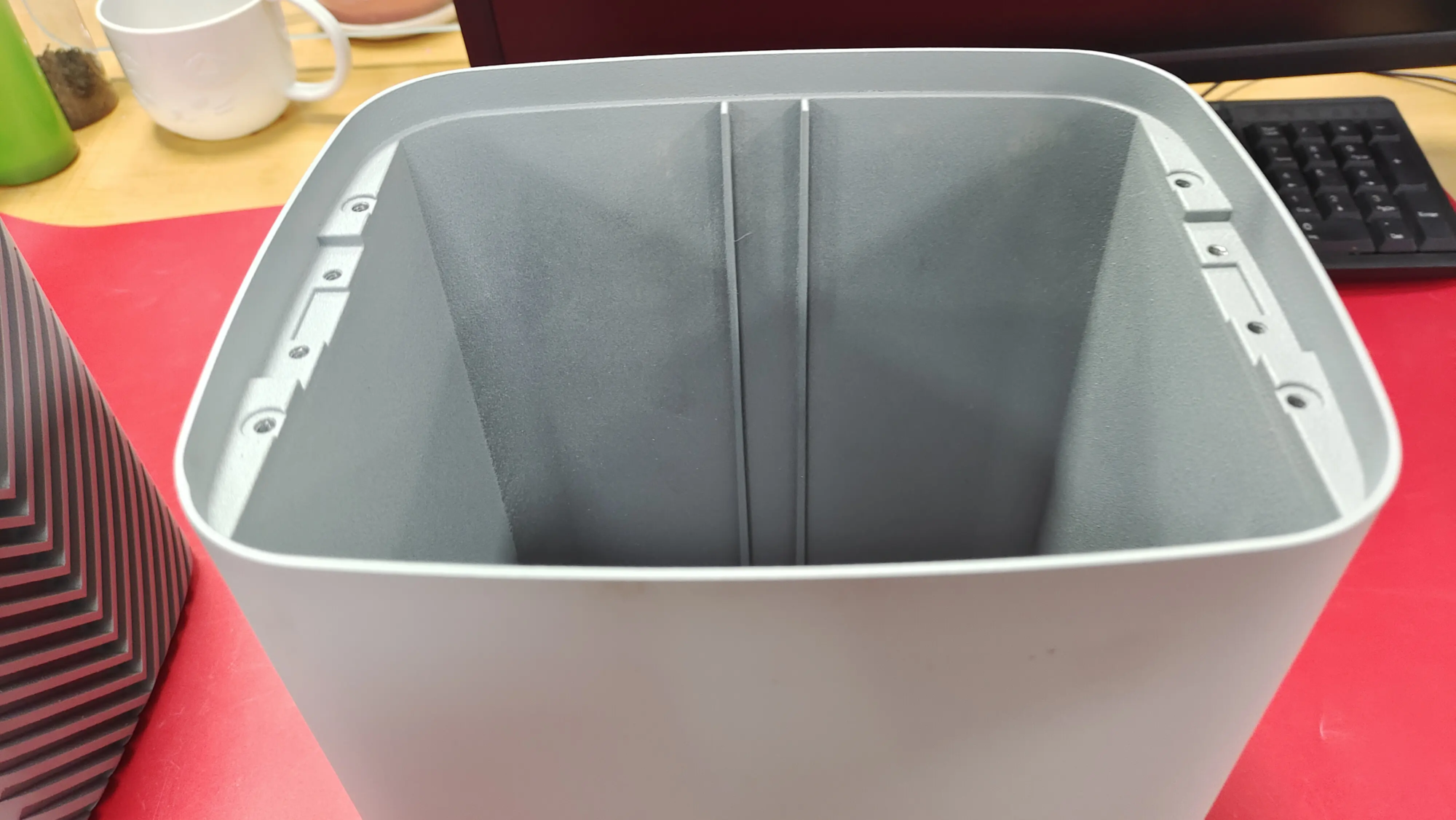
- Industrial demand (nylon, metal alloy): Used for EMI shielding, extreme temperature or high impact applications. Greatlight offers aluminum, stainless steel, titanium and specialty alloys through SLM printing, providing excellent conductivity and tensile strength.
- Thermal management: Add ventilation slots near the voltage regulator and CPU. Avoid overheating – Melting PLA is a common DIY risk.
- Port access: Ensure USB, Power and GPIO access is not pioneered. Rubber pads can be integrated during post-processing.
- aesthetics: Embed logo, label or textured surface. Greglight’s post-treatment services include polishing, powder coating or laser engraving for a premium finish.
Advantages of 3D Printing: Beyond Basic DIY Plastics
Enthusiasts’ fine silkscreen is suitable for simple cases, while professional projects require higher performance. That’s where Advanced manufacturing technology shine:
- Industrial FDM: Used for functional thermoplastics (such as ULTEM™ (heat resistance up to 300°C) or composites infused with carbon).
- SLM (Metal 3D Printing): Ideally create ultra-flat conductive cases. Greatlight’s SLM Tech incorporates a metal powder layer with a laser to make a radiator or EMI-SAFE shell with aerospace-grade characteristics.
Why use metal?
- EMI shielding (critical for motor controllers).
- Improved durability in oil, dust or high vibration settings.
- Passive heat dissipation through all metal bodies.
Create a workflow step by step
- design:
- Start with CAD software (Fusion 360, Tinkercad), or use Thingiverse’s community templates.
- Test fit digitally – expressing thermal stress and interference.
- Material/layer selection:
- Domestic Projects: PLA is very good; for professional use, switch to ABS or explore metal.
- print:
- Uninstall production to experts like Greatlime. Our SLM printers offer ±0.05mm tolerances, while the distortion on the consumer machine is zero.
- Post-processing:
- Grind, steam smooth or metal anodized. We provide everything to turn the print into parts ready to be assembled.
- assembly: Add a seal, gasket or heat pad before closing the housing.
Why work with rapid prototyping professionals?
The DIY printer is great, but limited. For mission-critical or commercial projects:
- speed: Greatlight’s 48-hour turnaround SLA beats a week-long DIY trial.
- Material range: Entering engineering grade metals and polymers – no supply chain struggles.
- Precision Engineering: Avoid using industrial quality control warped bases or cracked mounts.
- Cost-effective: Bulk orders benefit from economies of scale; no upfront instrument investment.
in conclusion
The 3D printed Arduino Uno case is more than just a cover – its insurance is for failure and creative displays. Whether you are making or deploying an industrial controller in a roamer, the right shell ensures longevity and professionalism. Amateurs can start with self-printing plastic, but for unparalleled elasticity in demanding environments, metal cases produced by SLM printing are essential. At Greatlight, we bridge this gap: delivering state-of-the-art SLM technology and comprehensive post-processing to transform your digital model into a rugged reality. As one of the major rapid prototyping companies in China, we offer customized hardware that will speed up the market with your ideas – without waiting or waste. Are you ready for armor innovation? Explore the possibilities that we are today.
FAQ: 3D Printed Arduino Uno Case
1. What is the best 3D printing material for Arduino Case?
For most users, PETG balances durability and resistance well. In the case of high heat or mechanical stress, it is converted to industrial thermoplastics such as metal (aluminum, titanium) or PEEK. Greatlight helps compare materials according to application.
2. Can I include a cooling fan in my design?
Absolutely. Integrated fans of fixed points during the CAD stage. For thermal critical projects, we recommend metal housing with fins for passive cooling.
3. How precise does the size need to be?
Critical! Arduino has tight tolerances. Aim the aiming port alignment ±0.1mm. Greatlight ensures accuracy drops to 0.05mm through CMM verification.
4. Can I ask for aesthetic finish post-treatment?
Yes. Options include bead blasting, powder coating (any RAL color), anodizing (for metal), and even custom laser engraving.
5. How long does it take to customize a metal box?
From design to shipment, Greatlight is available in 3-5 business days on most metal projects (due to our 45 SLM machines).
6. Is the SLM printing case too much?
There is no scalable pricing. While more expensive than PLA, metal printing eliminates tooling costs and provides unparalleled ROI for durable projects. Contact us for quantity discounts.
7. Why choose Greatlime instead of DIY printing?
Our industrial-grade equipment produces thermally stable high-density parts. Additionally, we handle disassembly, finishing and quality assurance calipers that cannot match this accuracy.


