Harnessing personalized comfort: How 3D printing is transforming sensory tools for autism
For individuals on the autism spectrum, the world can be a symphony of overwhelming sensory input—sounds can be painfully loud, textures unbearably stimulating, and transitions can be jarringly disorienting. Sensory processing differences are a core aspect of autism and often lead to anxiety, meltdowns, or shutting down. Sensory tools—physical objects designed to provide calming input, grounding, or focused stimulation—are a lifeline. However, it was found just right Tools are often a challenge. Pre-made options may not provide the exact texture, size, shape or pressure required. This is where its remarkable adaptability lies 3D printingpioneered by experts like GreatLight, is revolutionizing personalized sensory support.
Understand sensory needs
People with autism spectrum disorder (ASD) often experience sensory information differently:
- Hypersensitivity reaction: Sounds, lights, smells, textures, or touches may be strongly amplified, causing pain or distress.
- Low sensitivity: Need stronger sensory input, look for deep pressure, intense movement, or tactile feedback.
- Sensation seeking/emotions: Repetitive behaviors (stimulation) such as shaking or finger snapping often serve as self-regulation mechanisms.
Sensory tools help bridge this gap by providing:
- Sedation input: Smooth texture, gentle vibration, deep pressure (weighted items).
- Regulation: Fidget toys can channel restless energy and improve concentration.
- Oral sensory needs: Safe chews are an alternative to harmful bites on skin or objects.
- Tactile exploration: Objects with different surfaces for grounding and exploration.
- Visual focus: Items that provide an engaging visual pattern or movement.
Game Changer: 3D Printed Sensory Tools
Your sensory toolkit, designed specifically for your needs
Traditional manufacturing has difficulty meeting the extremely diverse needs of the autistic community. Off-the-shelf tools may be too big, too small, have the wrong stiffness, or lack critical features. 3D printing or additive manufacturing removes these barriers:
- Hyper-personalization: Every detail is tailor-made. Need a chew pendant specific Thickness and ridged texture Do you find peace? Requires fidget spinner weights slightly More on one side? want a handheld object unique A combination of smooth curves and articulated moving parts? 3D printing makes this feasible and cost-effective. Therapists or caregivers can collaborate to design tools based on observed preferences and sensory characteristics.
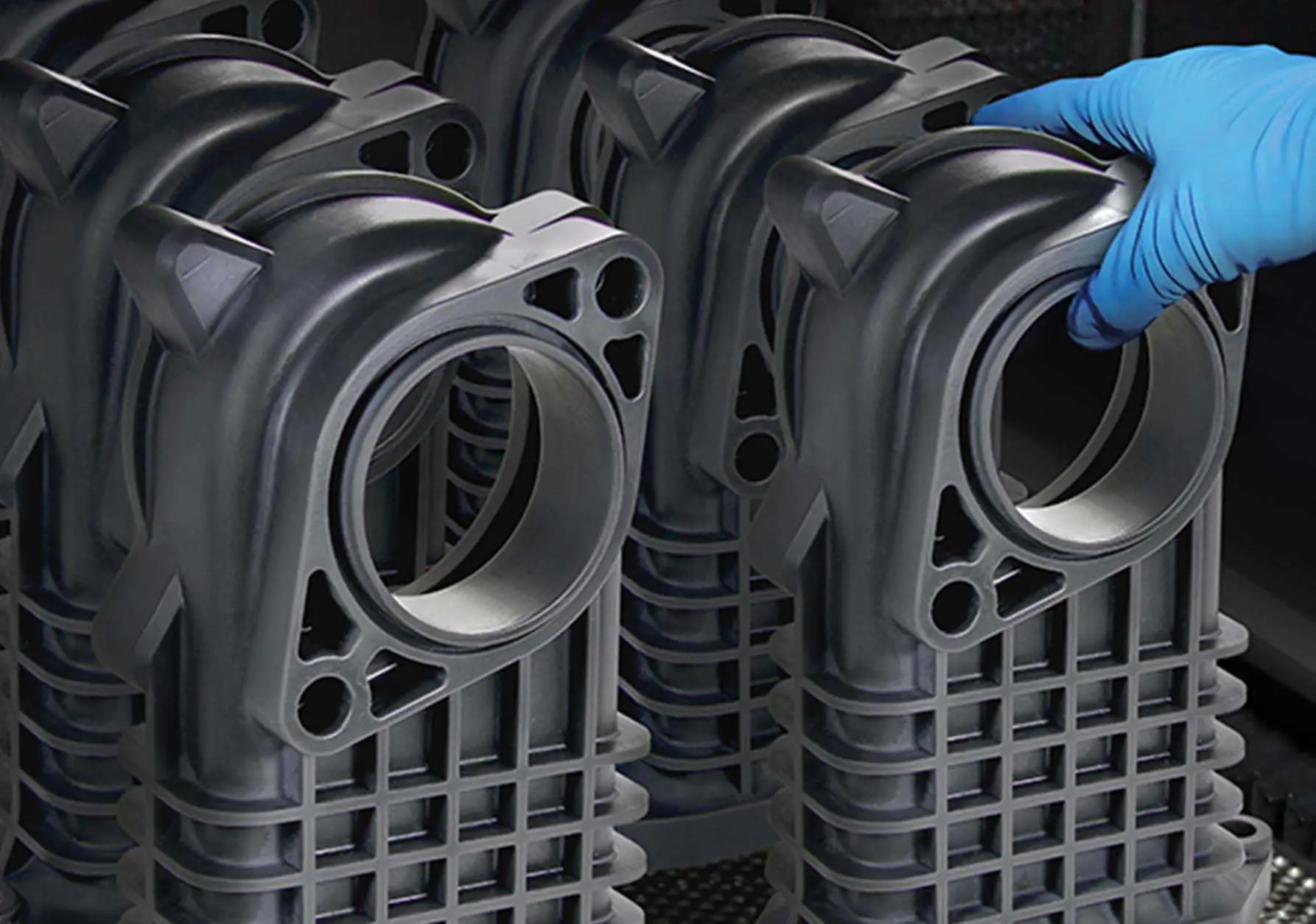
- Precision and comfort: Innovators like GreatLight use advanced technologies such as Selective Laser Melting (SLM) to create complex structures with exceptional dimensional accuracy. This is critical for devices that require specific grips, internal movement mechanisms, seamless connections to prevent irritation, or complex surface textures that are precisely mapped to alleviate allergies.
- Material Versatility and Safety: 3D printing isn’t limited to standard plastics. Food-grade, hypoallergenic silicone provides safety to chewable tablets. Strong thermoplastic polyurethane (TPU) creates a flexible, durable fidget. Strong yet lightweight metals such as titanium or aluminum alloys can form durable clasps, weighted elements within plastic casings, or strong frame structures. For tools that involve skin contact or chewing, it is crucial to choose materials that are certified for biocompatibility and safety, standards that ethical manufacturers uphold.
- Rapid prototyping and iteration: this "quickly" Rapid prototyping shines here. Need a prototype tool to test on individuals receiving treatment next week? Honglait’s advanced technology can achieve this goal. Feedback such as "A little smoother here" or "slightly larger" Design adjustments can be implemented quickly and reprinted quickly and affordably. This iterative approach ensures that the final tool actually works.
- Complexity without the cost: Complex shapes with internal lattices (for controlled softness), complex cam mechanisms (for specific tactile feedback patterns), or customized ergonomic shapes (manufacturing complexities that traditionally increase costs) are made simple and cost-effective with additive manufacturing.
Real-world sensory solutions made possible
Imagine:
- A unique shape weighted knee pad Featuring an ergonomic contour that fits children’s legs perfectly, integrated soft textures they’ll love, and a removable weighted core designed with metal SLM printing for precise density.
- Cheverri Designed with medical-grade silicone components precision-molded over lightweight, rigid internal components printed in biocompatible nylon or metal, they provide safe sensory oral input in a low-profile pendant that matches your personal taste.
- complex fidgety gears Features metal pins and shafts printed using SLM, enclosed in a durable plastic mechanism. This provides satisfying kinetic feedback not possible with cheap plastic.
- custom tactile disk Featuring varying textures—from ultra-fine ridges to larger bumps—the calming object was digitally scanned and accurately replicated onto the handheld tool.
- multi-sensory sedation device Combining smooth rotating elements, recessed vibrating modules and textured grip areas, all seamlessly assembled from components printed with special polymers using GreatLight’s multi-material expertise.
Why choose GreatLight for your sensory tools?
huge light Not Just Another 3D Printing Service; We Are Dedicated Professionals rapid prototyping Partners specialize in solving complex manufacturing challenges through precision engineering. When creating custom sensory tools requires the highest standards, GreatLight can deliver:
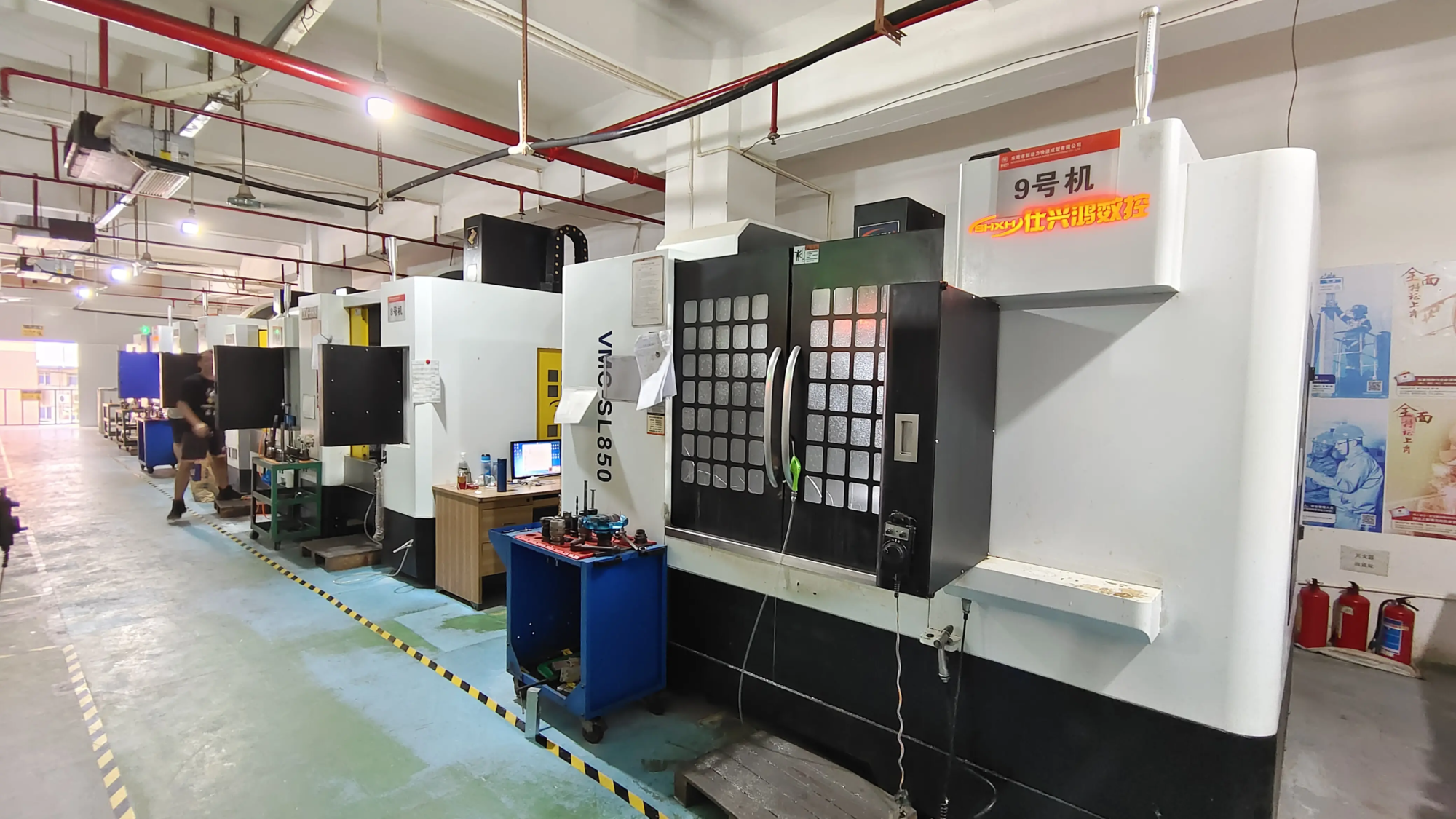
- Advanced Manufacturing Arsenal: We utilize state-of-the-art technology SLM 3D printer Mainly used for high-quality metal parts requiring unparalleled strength and precision.
- Materials expertise: In addition to metals, we specialize in handling a wide range of industrial-grade polymers suitable for sensory applications, with priority given to safety certifications (food grade, hypoallergenic).
- End-to-end excellence: we provide One-stop post-processing and finishing services. Tools are carefully ground to eliminate any support marks or roughness, polished for comfort, and coated with approved coatings – fully assembled, clean and ready for use.
- Customized Pioneer: we are good at Quickly customize precision rapid prototyping parts. Your unique sensory tool concepts are our mission. We work collaboratively to translate functional requirements into manufacturable designs.
- Speed and scalability: From a single purpose-built tool prototype to urgently needed small batches, GreatLight’s streamlined workflow provides fast turnaround without compromising quality. really quickly.
- Affordability Solutions: Advanced manufacturing processes enable us to deliver Offering high-quality, personalized sensory tools at competitive best-in-class pricesdemocratizing support for personalization.
- To solve the accuracy problem: Our core competitiveness lies in Professional solution to rapid prototyping problems of metal partsapplying a precision-first mentality to complex sensory tool components.
Ready to create the perfect sensory solution?
stop settling for "Almost right." Partner with GreatLight to harness the power of 3D printing to invent, improve and produce sensory tools with unparalleled personalization and precision. Unleash the transformative potential of truly customized sensory conditioning.
Customize and get a quote for your groundbreaking 3D printed sensory tools today: Contact GreatLight today!
Conclusion: The future of personalized calm
3D printing is more than just a manufacturing technology; This is a shift in how we respond to sensory processing challenges. By creating ultra-customizable, comfortable and precisely engineered sensory tools, it enables people with autism to self-regulate more effectively, reduce anxiety and improve their ability to cope with daily life. The traditional limitations of mass production tools – fit, functionality, material safety and low-volume costs – are addressed with additive manufacturing. company likes huge lightEquipped with advanced rapid prototyping capabilities and a commitment to precision and customization, we are a key player in converting this potential into tangible tools with far-reaching impact. Going forward, employing 3D printing will ensure that sensory support is not only available, but also perfectly customized. The future of sensory modulation is personal, fast, and incredibly accessible.
FAQ: Demystifying 3D Printed Sensory Tools
Q1: Are 3D printed sensory tools safe? What materials are used?
Answer: Safety is the most important thing. Reputable manufacturers prioritize materials that have been rigorously tested and certified for biocompatibility and hygiene. Common security options include:
- plastic: Food grade hypoallergenic silicone for chewable tablets (FDA grade); strong inert plastics such as PLA (polylactic acid – although less durable), PETG, Nylon 12 (usually medical grade), TPU (flexible).
- Metal: Medical grade titanium (Ti6Al4V ELI), aluminum alloy (AlSi10Mg), surgical stainless steel – critical for durable internal components, brackets, brackets