Reimagining craft: How 3D printed beads are sparking a creative revolution
Beads have been treasured by different cultures for centuries—as a symbol of status, art, or personal expression. Traditionally, their creation required detailed carving, molding or glassblowing. But in our digital age, a quiet revolution is unfolding: 3D printed beads. Combining forty artistic visions with cutting-edge technology, these beads push the boundaries of design, customization, and accessibility, giving creators unprecedented capabilities. Forget limitations; welcome unlimited imagination.
The Heart of the Revolution: Why Choose 3D Printed Beads?
3D printed beads don’t just digitally replicate old forms; It is unleashing a whole new dimension of creativity:
- Unparalleled design freedom: Complex geometric shapes—intricate lattices, interlocking patterns, hollow structures filled with smaller beads, even mathematically precise fractals—became effortlessly possible. Software replaces physical limitations. Imagine beads shaped like delicate snowflakes, microscopic cityscapes, or organic forms that mimic coral reefs, all combined like wearable art.
- Super customized: Standardization is out. Each bead becomes unique:
- Personalization: Name, initials, date, custom pattern embedded in the bead itself.
- Customized features: Precise hole sizes for specific threads, integrated clasps, modular jewelry system connectors.
- Dimensions and scale: Create beads from near microscopic details to large statement pieces with a consistent quality that is not possible with many traditional methods.
- Material innovation: In addition to ordinary plastic:
- Plastics and resins: PLA, ABS, PETG for colorful, lightweight beads. Specialty resins can achieve transparency, flexibility (like TPU) or an extremely smooth finish that mimics glass (SLA/DLP printing).
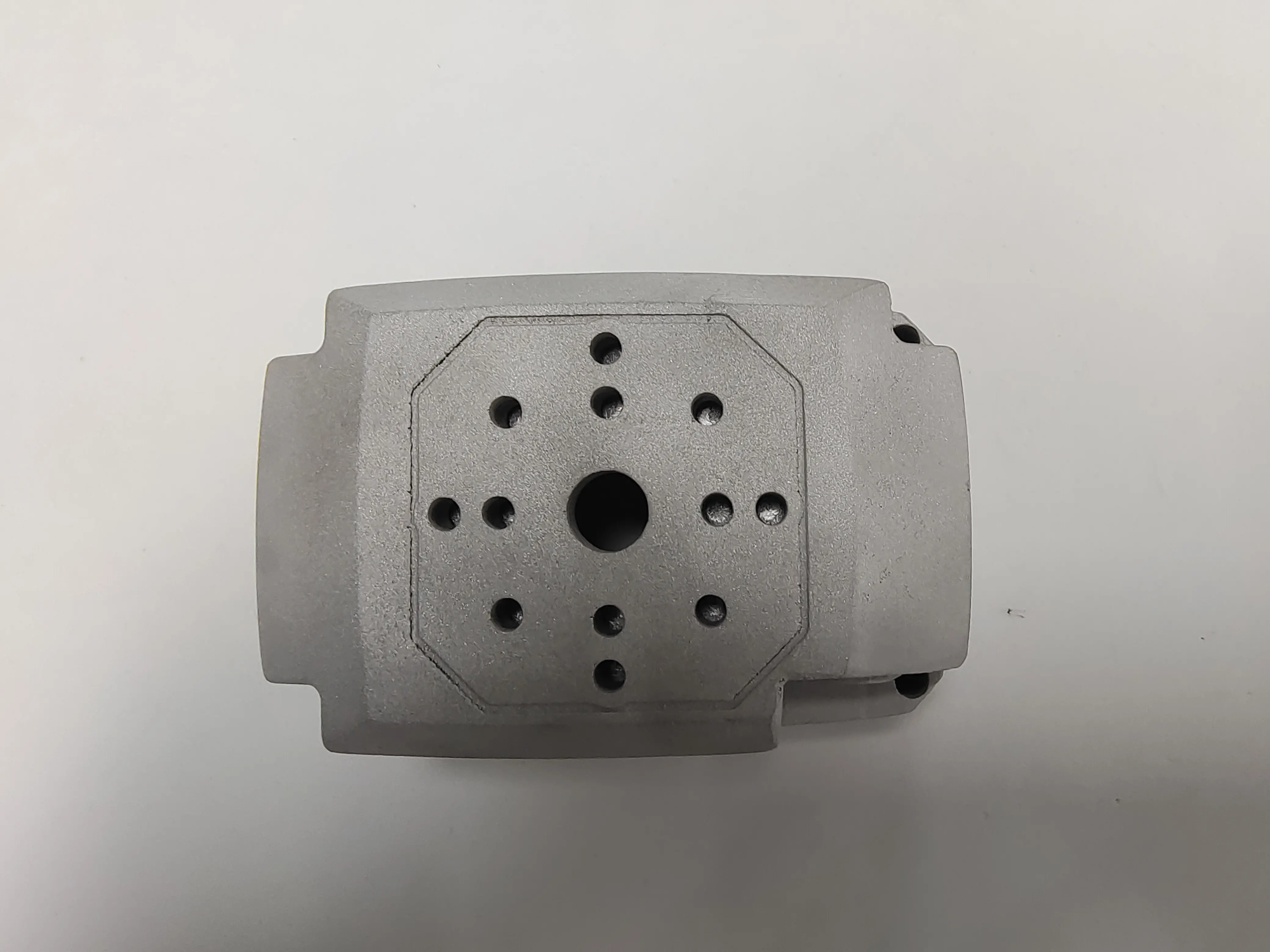
- The Metal Frontier: This is where the real transformation happens. Technology such as Selective Laser Melting (SLM) Enables beads to be made from precious metals such as stainless steel, titanium, aluminum, bronze and gold or silver alloys. These are not just coated plastics; They’re solid metal – strong, durable, heavy, and have a unique, luxurious aesthetic.
- Rapid prototyping and on-demand creation: Designers can iterate on bead designs in hours instead of weeks. The model immediately becomes a tangible prototype, allowing for refinement before final production. Artists and small businesses can economically produce limited editions or individual custom orders without factory minimum order quantities.
- Auxiliary functions: Desktop FDM/resin printers allow hobbyists to create beads with ease. Complex metal printing is possible through specialized rapid prototyping technology.
Overcoming challenges: the key role of post-processing and expertise
3D printed beads (especially plastic/resin) may initially show layer lines or require cleaning of the support structure. It is crucial for beads to achieve the desired beauty and smoothness. where is this Post-processing expertise becomes mission critical:
- Sanding and polishing: basic