The Grip of History: Why We 3D Print a Bear Trap Replica (and Why Metal Makes Everything Different)
Strolling through the museum, seeing an antique bear trap on display behind glass evoke a powerful reaction. It is a tangible connection to more demanding times, a tool that reflects the complex relationship between human beings and the wilderness. But what if you can bridge this gap more closely, hold a piece of history in your hand for research, display or save? At Greatlight, we recently went on a fascinating project: creating highly detailed, fully functional replicas of the classic Iron Bear Trap. Choosing the choice of using cutting-edge selective laser melting (SLM) 3D printing is not only for technical purposes—it is The only one The real weight, texture and cruel realism approach required to achieve history.
More than just curiosity: the value of copying
Bear Trap Replicas are not pathologically charming. They have key purposes:
- History Examinations and Education: Holding physically accurate replicas allows historians, students and repeaters to understand the mechanisms, sheer power, and the clever engineering of these devices in some way or in the distance. Educators can safely demonstrate the principles of lever, spring and trigger.
- Save and display: The original antique traps are fragile, dangerous, and increasingly rare. High-fidelity reproductions allow museums and private collectors to display these historically important objects without risking damage to irreplaceable originals.
- Model manufacturing and collections: For discerning collectors or model enthusiasts, meticulously crafted metal replicas of specific historical designs represent the pinnacle of detail and craftsmanship.
- Engineering Challenges: Building such equipment, with complex interactions of springs, triggers and interlocking jaws, requires precision and a deep understanding of the original intention and the limitations of modern manufacturing. This is a test of the strength of rapid prototypes.
Why can’t plastic be cut
Printing a bear trap with plastic may copy form, but fundamentally, it cannot capture the essence. A plastic trap feels like a toy. It lacks:
- weight: The weight of cold, ruthless metal is at the heart of the object’s existence and historical reality.
- texture: Cast or wrought iron has a unique surface quality – rough, depression, hardening – plastic cannot be truly imitated.
- sound: Metal clang The closure of the jaw is visceral.
- Material authenticity: These are iron and steel tools. Using anything else feels like an outdated compromise.
SLM 3D Printing: The Key to Authentic Metal Replication
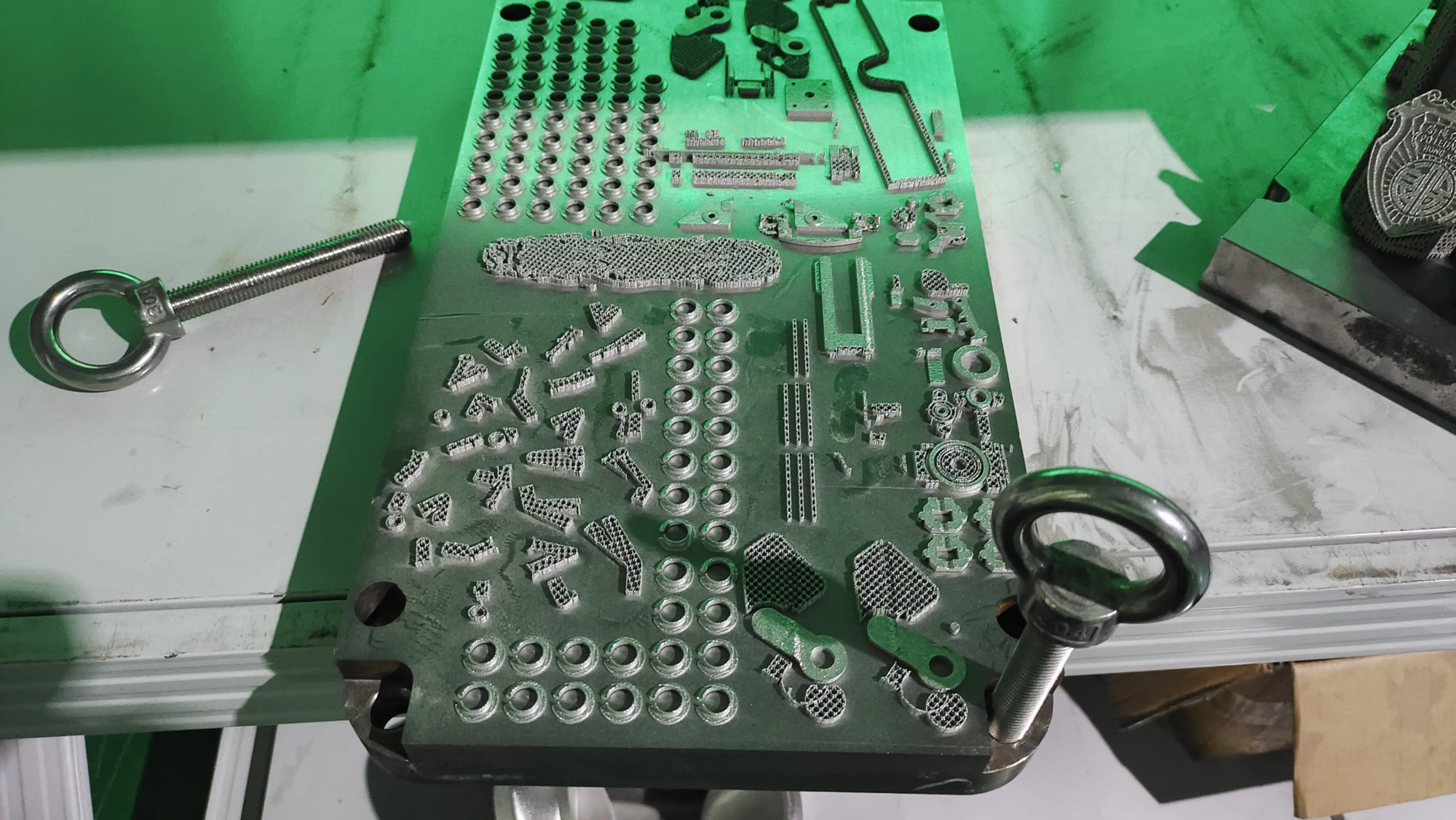
This is the expertise of Greatlight Rapid metal prototypingspecifically Selective laser melting (SLM)becomes essential. SLM is a form of additive manufacturing that uses a high-power laser to fuse fine metal powder layer by layer to build completely dense complex metal parts directly from digital 3D models.
For our Bear Trap Copy Project, SLM Printing is the perfect solution:
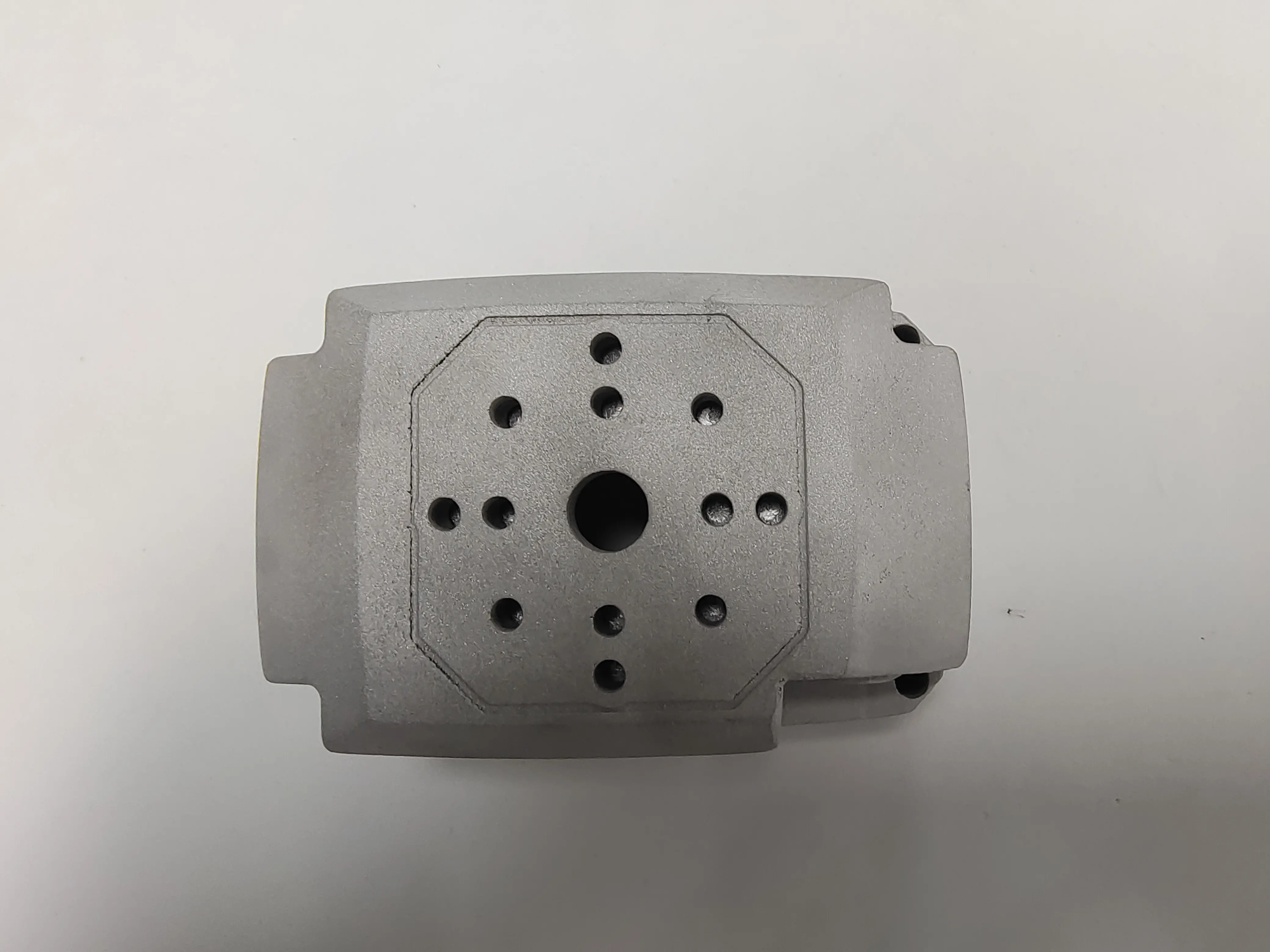
- Real metal structure: We mainly use Stainless steel 316L powdercreate a replica with true density, weight (8.5 pounds of this model!), durability and durability of forged metal. Other alloys (such as titanium or Maraging steel) are feasible for specific properties.
- Excellent detail fidelity: Modern SLM systems solve details that are easier to see than those of the human eye. We captured intricate tooth patterns (for absolute safety of course!), cast texture fax, spring details and subtle deformations – the subtle deformation used – elements that are crucial for historical accuracy.
- Complex geometric shapes, simplifying: The interlocking chin, spring coil and trigger mechanisms of bear traps involve complex curves and overhangs that challenge traditional machining. SLM seamlessly builds these features without complex multi-part components or expensive tool changes.
- Strength and Function (Control): SLM parts have near-process material properties. Printed components can handle the significant mechanical stresses required to simulate trap functionality – set it safely and trigger it to demonstrate using controlled force applications. It is crucial that Teeth design and printing intentionally blunt Prevent any risk of injury while maintaining visual accuracy.
- Comprehensive production: SLM allows printing of the main components of the trap – jaw, base plate, spring (simulation), trigger, pot – as a single, integrated part or minimal component, enhancing structural integrity and eliminating weaknesses in connection.
Great Advantages: From digital documents to museum-quality artifacts
Create a replica worthy of historical review, not just a printer. It requires end-to-end expertise:
- Model optimization: Our engineers carefully prepare historical CAD models for metal printing (usually reverse engineered from scanned or detailed drawings). This involves ensuring structural integrity under load paths, optimizing support for critical surfaces, and managing thermal stresses to prevent warping – especially for large flat bottom plates.
- Precision SLM printing: With our advanced SLM equipment, we build trap components layer by layer and build in a controlled inert atmosphere and fine-tune the stainless steel 316L. Achieving a density of nearly 100% non-negotiable strength and authenticity.
- Key post-processing: Metal printing alone is not the last step. Greglight offers a comprehensive range of One-stop post-processing and completion:
- Support removal: Carefully removes the carefully designed support structure.
- Relieve pressure/heat treatment: Annealing or stress-off assembly to enhance mechanical properties and stability.
- Precision machining: Essential for achieving a perfectly flush mating surface (e.g., the chin meets the base plate) and precise pivot holes, ensuring smooth, authentic operation. CNC machining services ensure critical functional tolerances are met.
- Surface finish: Use techniques such as vibrating finishes, sand blue (sand explosions) or media to achieve the desired historical surface texture – from rough cast surfaces to easily smooth patina. For display pieces, hand-mastered chemical patinas can simulate age.
- Assembly and calibration: Carefully assemble the spring assembly (with controlled simulation with modern springs) and triggers to ensure the mechanism works smoothly and safely.
- Security priority: Each step involves strict disease. The teeth are irreversibly passivated. Mechanisms are designed to operate only with medium, control powers under intentional settings, ensuring they are safe displays or demonstrations and cannot cause damage similar to actual bear traps. Security protocols define processing guidelines.
Conclusion: Continue, future forgery
3D printed bear trap replica Metal More than just technical exercises. It’s about tangible history. Using advanced SLM technology and comprehensive postprocessing mastery, Greatlight can recreate complex, historic objects with unprecedented authenticity and textures. The resulting replica has the weight, sensation, sound and material truth of its historical counterparts, making it a valuable educational tool, preservation assets and uniquely fascinating artifacts.
These replicas force us to face-to-face with the creativity and harsh reality of the past in an obvious way. They demonstrate the extraordinary power of modern additive manufacturing to bring history off the shelf Not only as a representative, but also a physical echo forged in the same basic material.
FAQ: 3D printed bear trap replica
-
Is the 3D printed metal bear trap dangerous?
- Absolutely not, design and manufacture responsibly. Famous manufacturers such as Greatlight’s carefully designed replicas Permanent teeth Inability to pierce the skin or cause puncture wounds. The mechanism has been calibrated for control, safe demonstration The only one. They are powerful museum-quality reproductions or display works, Non-functional trap.
-
Why 3D print a bear trap instead of using traditional metal casting/forging?
- complex: Intricate shapes, internal voids (such as spring tunnels) and details are more complex and expensive to create traditionally, often requiring carefully designed patterns, cores and extensive machining.
- Speed and cost (prototype/small run): For small or unique designs, SLM printing eliminates the need for expensive tools (molds/molds), making prototypes or custom replicas significantly faster and more economical.
- Accuracy and details: SLM can reproduce historical flaws and textures with incredible fidelity (based on scanned data), often exceeding the detailed resolution resolution of traditional methods.
-
What materials are used for metal 3D printing bear traps?
- Stainless steel 316L is the most common choice because of its excellent strength, corrosion resistance, reasonable cost and the ability to replicate the appearance and feel of historical forged/original cast iron.
- Tool steel or steel If higher strength or specific fatigue properties are simulated, it may be used in critical spring assembly.
- Bronze or copper alloy Can be used for presentations that require different aesthetics (although historically less common for the big trap).
- Greglight offers a wide range of material customization.
-
Can I get the exact copy of a specific historical bear trap?
- Yes, this is the main advantage of combining SLM printing with 3D scanning technology. High resolution scanning of original workpieces can be used to create highly accurate digital models and then printed in metal. Defects, damages and unique cast marks can be faithfully reproduced.
-
What post-processing is needed after printing metal?
- Basic: Removal of support structure, stress replacement.
- Function/appearance is crucial: Accurate machining of critical mating surfaces and holes, surface finishes (blasting, tumbling) to achieve texture.
- Aesthetics/Protective: Polish, grind, cut, powder coating, clear coating.
- Greatlight provides a comprehensive, integrated post-processing service to get finished replicas from build boards.
-
Is this a cost-effective solution compared to finding a real antique?
- For most people, yes. Real, working conditions antique bear traps, especially well-known manufacturers like Newhouse, Leigh or Blake & Lamb, are highly sought after collector items at a high price. High-quality metal replicas provide visual and tactile experiences at a fraction of the original cost without the ethical questions about antique preservation. They also guarantee structural integrity that certain antique traps may lack.
- How long does it take to generate a custom metal bear trap replica?
- Production time depends on size, complexity, specific alloy and selected post-treatment finish. Greatlight specializes in rapid prototyping. Although larger traps are longer than smaller parts, our process greatly accelerates yield compared to traditional methods. Delivery times are usually measured in days or weeks rather than months. Contact us for specific project estimates!
Greatlight’s expertise in Metal SLM 3D printing provides a powerful and reliable solution when historical accuracy, material authenticity and responsible craftsmanship are on your unique project, whether it’s a museum exhibition, educational tools or the core of a collector. Today we explore the possibilities of accurate prototypes.