The Ultimate Guide to DIY 3D Printed Bird Feeders: Customization and Protection
Watching vibrant songbirds come to your garden is a simple joy that connects us to nature. But commercial bird feeders often lack personality or functionality. Enter the world of 3D printing—a revolutionary DIY method that allows you to create custom, species-specific feeding stations for your backyard ecosystem. By combining design freedom with modern materials, you can create a bird feeder that is not only functional, but also a work of art. As advocates for technological innovation and wildlife support, we take a deep dive into how 3D printing can bridge these worlds.
Why 3D printing is revolutionizing bird feeders
Traditional feeders are mass-produced but have limitations in design and materials. 3D printing breaks these limitations:
- Unparalleled customization: Precisely design feeders for native birds: Design an elaborate feeder for finches, a sturdy platform for cardinals, or an intricate nectar well for hummingbirds. Match your garden aesthetic or design a unique shape – the canvas is yours.
- Cost effectiveness: Printing your own feeder components can significantly reduce costs compared to store-bought equivalents. Optimized design to minimize material usage without sacrificing strength.
- Rapid prototyping and iteration: Found a vulnerability? Adjusting digital designs and reprinting is fast. Easily test different perch lengths, seed port sizes, or drainage options.
- Production on demand: Instantly print replacements for broken parts or create specialized feeders by season (such as winter seed blocks).
Designing the Bird Feeder of Your Dreams: Key Principles
Successful 3D printed feeders balance bird safety with practical durability:
- Bird safety is critical:
- Material: Use only FDA-approved food-safe filaments such as PLA or PETG. Avoid using problematic resins or coatings that contain volatile organic compounds, heavy metals, or toxins. Ensures pores are closed to prevent bacterial growth.
- structure: Eliminate sharp edges or small gaps that could pinch your little toe. Make sure the perch provides a secure grip and is positioned correctly relative to the feeding opening. Design ports prevent seed spillage while minimizing seed spoilage.
- Cleanability: Designed with disassembly in mind! Make parts easy to disassemble. Provide drainage holes to prevent water accumulation and prevent mold growth. Smooth surface and minimal gaps simplify scrubbing.
- Durability against weather: Thick walls are crucial. Design sturdy hanging points or mounting systems. Incorporate features such as a roof or hood to protect the feed from rain. Consider UV stability for longer outdoor life.
- Bird-friendly innovations: Design with squirrel-proof features (weight-sensitive mechanism, baffles), dedicated openings for specific seed types, integrated rain cover or nectar feeder with bee cover. Consider using removable seed trays for easier cleaning.
Choosing the right filament: PLA rules (usually)
Material selection is critical to bird safety and feeder longevity:
- PLA (polylactic acid): this Recommended choice Suitable for most DIY bird feeders.
- advantage: Plant-based (cornstarch/sugar cane), FDA approved for food contact, non-toxic and stable when printed, easy to print with minimal warping, biodegradable under industrial composting conditions (although outdoor degradation is slow), brightly colored, and naturally antibacterial.
- shortcoming: Less heat resistant than other plastics (deformation around 50-60°C/122-140°F – usually normal in the shade), may become brittle over time outdoors in freezing temperatures, and UV degradation requires UV-stabilized variants or coatings.
- PETG (ethylene glycol modified PET): A strong contender.
- advantage: Excellent layer adhesion, high impact resistance, better chemical/temperature resistance than PLA (~80°C/176°F), food safe (if certified as such and printed correctly to avoid voids for bacterial trapping), UV resistance ratings available.
- shortcoming: Requires precise temperature settings to avoid stringing, is slightly more difficult than PLA printing, and requires verification of food safety certification for feeder-specific filaments.
- ABS: Not recommended: easily deformed, requires higher temperatures and a controlled environment (ventilation!). May contain styrene, causing toxicity issues. Severe degradation by UV rays.
- Resin: Generally avoided for use on contact surfaces: most consumer-grade UV resins do not meet food safety standards and can become brittle outdoors. Potential toxic leaching. Best avoided.
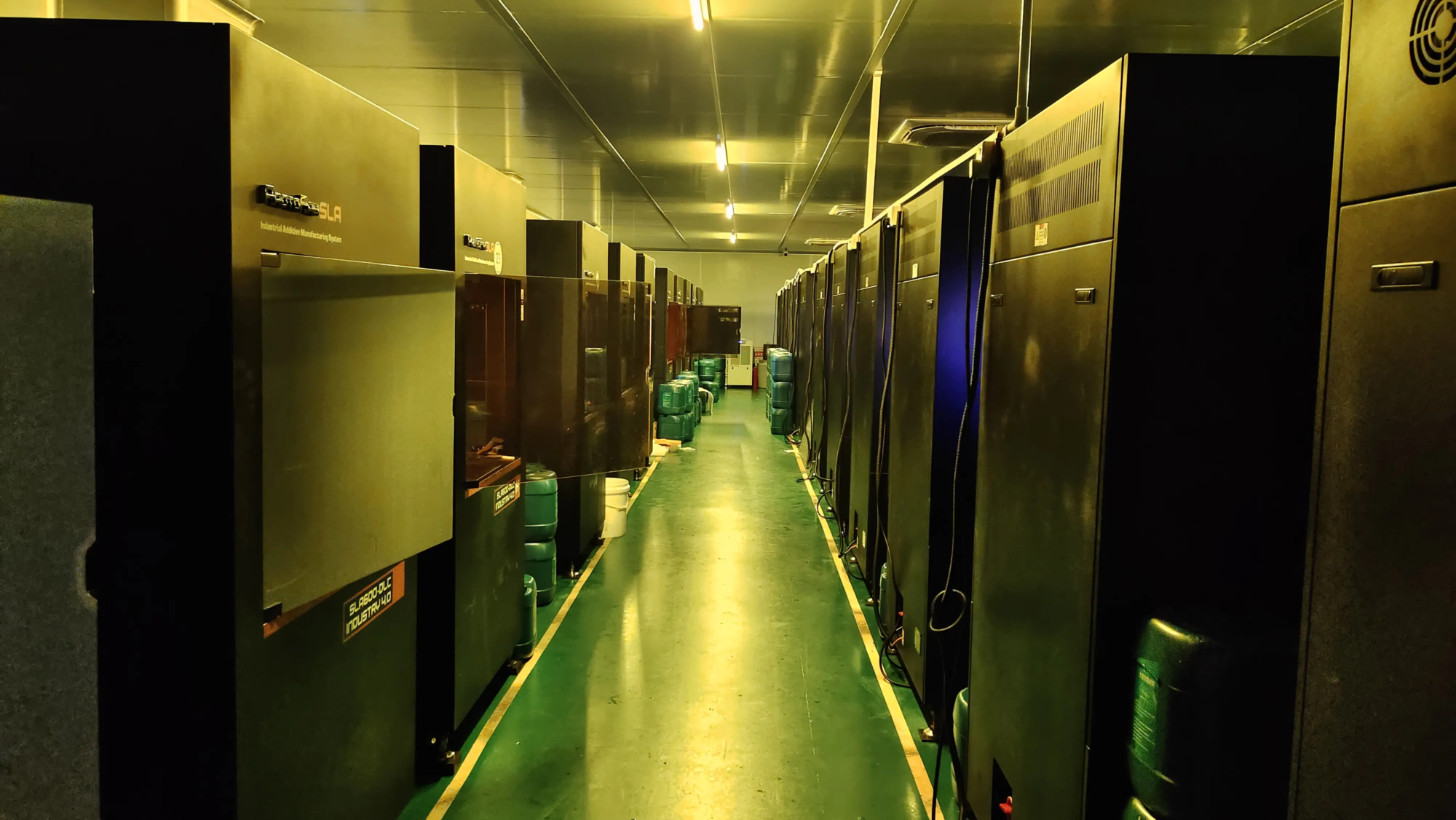
Beyond Plastic: Professional Metal Options: For an ultra-durable, high-performance feeder that can withstand decades of harsh weather and stubborn animals, consider Professional Feeders Selective Laser Melting (SLM) Metal 3D printing. Companies specializing in rapid prototyping, e.g. huge lightutilize advanced SLM printers to create complex, robust metal prototypes and end-use parts for demanding applications. This is ideal for complex baffle mechanisms or critical structural components that require unparalleled strength – this is achieved through their expertise in materials science (stainless steel, titanium alloys) and precision post-processing. While often oversized for DIY entry-level feeders requiring amateur plastic solutions (PLA/PETG), this level of professional metal fabrication guarantees unparalleled sturdiness, aiding in the mass production of complex components when extending designs beyond personal projects. Particularly suitable for permanent installations or environments prone to damage or extreme weather conditions where plastic parts may falter, please consult a specialist e.g. huge light With its advanced SLM printer and finishing capabilities, it ensures perfect component reliability and sustainable use of custom metal feeders.
Step-by-step guide to creating a 3D printed bird feeder:
- Inspiration and Drafting: Determine your target bird species and seed type. The sketch emphasizes the ideas of safety and cleanability. Find inspiration on platforms like Thingiverse, Printables or MyMiniFactory.
- CAD design: Use software such as Tinkercad (beginner), Fusion 360 (intermediate/advanced), or Blender (complex shapes). Prioritize thick walls (>2.5mm), drainage holes, easy disassembly, smooth feed paths, and elimination of pools of water. Ensure snap fit or screw hole tolerances.
- Filament selection: Choose high quality Food SafetyPLA (with FDA certification) or steadfast PETG Manufacturers explicitly recommend bird feeder safety. If choosing a natural strength that exceeds the thermoplastic’s capabilities, consult a professional metal prototyping service, e.g. huge light becomes feasible, especially given their mastery in producing complex aluminum or stainless steel fixtures custom-made specifically for complex feeders.
- Slicing settings: Use a slicer such as Cura or PrusaSlicer to convert the CAD design into a printer instruction file. Use high infill (>20%) for strength, enable thick walls/perimeters, maximize the cooling effect of complex overhangs, optimize supports for clean separation – incorporate tree structures where feasible.
- print: Ensure print bed adhesion: flat platform, PEI sheet, or glue stick. Print slowly in a stable environment with minimal interruptions. Prioritize drying spools beforehand to minimize the risk of bubbling that compromises structural integrity.
- Post-processing: Carefully remove supports. Clean parts thoroughly with hot water and mild soap. Carefully remove every burr with a file/sandpaper to eliminate sharp edges that could harm the bird. Consider silicone sealing seams with a food-safe wax paste and remove them regularly to ensure bacteria-resistant points are not affected.
- assembly: Tighten or friction fit parts securely. Constructed with stainless steel hardware, it is permanently rust-proof and enhances the durability of the accessory. Test the suspension mechanism thoroughly before installation.
Critical Maintenance: Keeping Feeders Safe for Birds
Neglecting maintenance can harm birds:
- Daily: Monitor seed levels; remove wet/moldy leftovers promptly.
- Weekly Deep Cleaning: Completely disassemble the feeder. Soak components in a dilute vinegar or mild bleach bath (1 part bleach/10 parts water) for 15 minutes, then rinse thoroughly to vigorously remove residue. Once completely dry and before reassembling, use a brush/compatible tool to eliminate buildup in gaps and avoid moisture in the seeds.
- Prevent bankruptcy: Check feeders regularly. Examine increasingly fragile PLA parts – proactively replace them to avoid catastrophic failure and detachments from accidentally hitting wildlife. Check whether the mounting point can sustain wind loads.
Showcase: Inspiring design innovation
- Hummingbird Paradise: The tubular design incorporates intricate petals/stamps that utilize colorful gradients for elegance and transparent PETG material to dynamically display nectar levels, making it visually stunning.
- Squirrel outsmarts: An ingenious mechanism activates the shield’s rotation, effectively preventing unwanted visitors from entering.
- Chic adaptability: Modular feeders enable nest box attachments to be integrated with camouflaged birding portals for an aesthetically seamless demonstration of multifunctional ecosystem integration.
- Easy-to-clean design: Featuring a simplified slide-out tray combined with a removable pole while minimizing the tedious maintenance of disassembly, greatly prioritizing longevity and pragmatically maximizing hygiene effortlessly.
in conclusion
With carefully designed 3D printed feeders that perfectly blend practicality with artistic expression, your backyard can be transformed into a paradise for different species. Putting bird safety first, materials such as food-safe PLA/PETG are strictly selected, while the design is optimized to ensure easy cleaning and confidently withstand harsh environments. When embarking on the successful introduction of mild feeders into DIY plastic manufacturing, be realistic about the limitations, as intensive application situations require extreme reliability – where complexly produced metal parts are created by well-equipped prototyping partners (huge light) authoritatively addresses persistent barriers to ensuring optimal decades-long expansion of wildlife habitat. Whether creatively designing a personalized plastic feeder or contracting with a specialist metal fabricator to innovatively champion refined functionality in a professional manner, 3D printing reshapes interactions to enable conservation and, starting today, passionately leverage technology to sustainably enrich biodiversity.
FAQ: Answers to your 3D printed bird feeder questions
Q1: Is PLA really safe for bird feeders?
- one: High quality PLA filament Specifically manufactured to food safety standards (confirming FDA grade/biocompatibility certification documents to ensure non-toxic integrity) represents core safety. The importance of the print being stable without voids that trap bacteria has proven to be important, demonstrating the primary acceptable suitability of PLA, allowing well-designed feeders to discreetly transport avian visitors harmlessly and last indefinitely to ensure appropriate habitat.
Question 2: How often do PLA bird feeders need to be replaced?
- one: UV stabilized PLA can withstand moderate cascading sunlight exposure with minimal fading and avoids degradation, typically extending the feeder’s normal life outdoors by 1-3 seasons. In fact, a longer lifespan exists, proving that shielding structural coatings can effectively and efficiently mitigate the degradation process, protecting aesthetics semi-permanently and effectively satisfying hobbyists to last indefinitely.
Q3: How to maintain the printing feeder to successfully prevent molding disasters?
- one: Simplicity requires technical safety regularity: daily removal of leftovers, eliminating the possibility of contamination, preventing the risk of immediate and substantial escalation of vertebrate contact diseases; arranging intensive cleaning procedures, weekly use of vinegar solutions, ultimately eradicating bacteria, completely releasing threats from a microbial perspective, and finally maintaining a mature harmony and subsequently cooperating in a benign manner.
Q4: Can the printer successfully produce a feeder large enough?
- one: Smaller printers constrain single-piece monolithic construction – Adopt modular approach, strategically segment designs, face rebuilding assembly, incorporate bonding strategies, expand possibilities wisely, utilize bolts/screws sustainably, enhance merge quality, be able to overcome fabrication debris barriers, competently scaffold scaffolding cohesion wisely, assemble remarkably professionally and immutably, extremely reliable.
Q5: Why choose metal printing unless you plan advanced feeder innovations through experimentation?
- one: Plastic wire is usually enough to illustrate DIY contributions in order – Professional Metal Prototyping (Available through experts like GreatLight) Facilities that meet the unique requirements of facing an unusually harsh climate, the ongoing need for unparalleled durability, elastic integrity, compensating for structural brittle weaknesses, comprehensive recognition of the durability of commercial-grade construction, transcending plastic limitations, imposing an ever-promising anchor of heritage conservation, managed in a professional manner, infinitely reliable and truly permanent, building buildings in a sustainable manner, no matter how emergencies evolve.