introduce
The rise of 3D printing allows creators to design personalized smoking devices, such as bongs, allowing for unparalleled customization. However, Using consumer-grade 3D printers for this purpose poses serious security risks Due to material limitations, structural fragility and chemical exposure. As a professional rapid prototyping manufacturer with industrial-grade SLM (Selective Laser Melting) printers and advanced post-processing capabilities, GreatLight emphasizes safety over convenience. This guide reveals the pitfalls of DIY 3D printed bongs and how to mitigate them, or why opting for professional manufacturing is the smarter choice.
Part 1: Material Dilemma – Not Just Plastic
Consumer 3D printers typically use thermoplastics such as PLA, ABS, or PETG. Although these materials are widely used, They are not designed for high heat applications or safe for inhalation:
- Thermal toxicity: Ordinary filaments can release carcinogens such as formaldehyde, styrene or microplastics when exposed to combustion (for example, from a lighter or hot smoke).
- Low thermal resistance: PLA softens at 60°C (140°F), well below smoke temperatures (90–150°C). Deformation can compromise structural integrity.
- Non-food safety certification: Most filaments contain industrial dyes, UV stabilizers, or plasticizers that are not approved for inhalation.
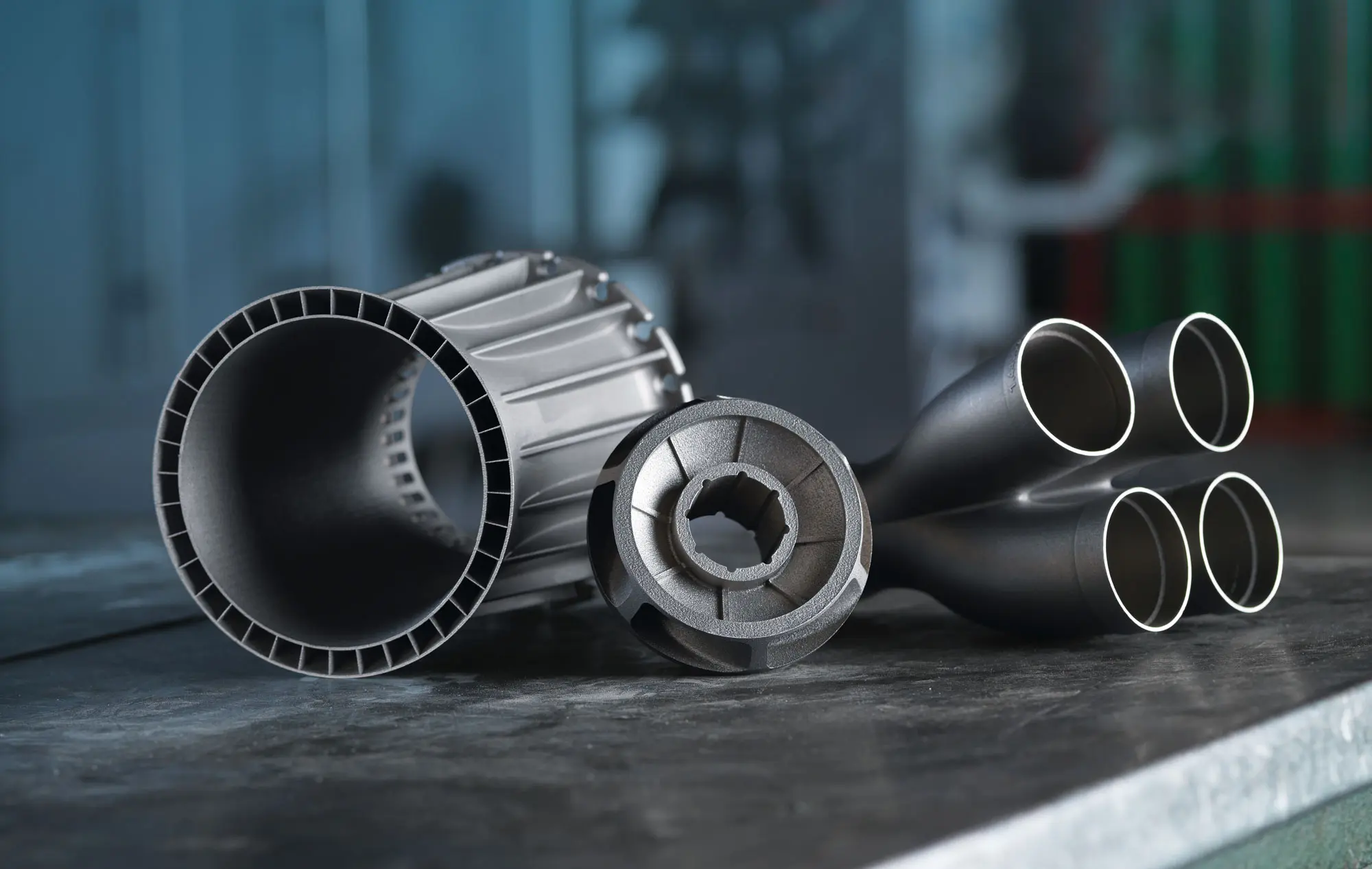
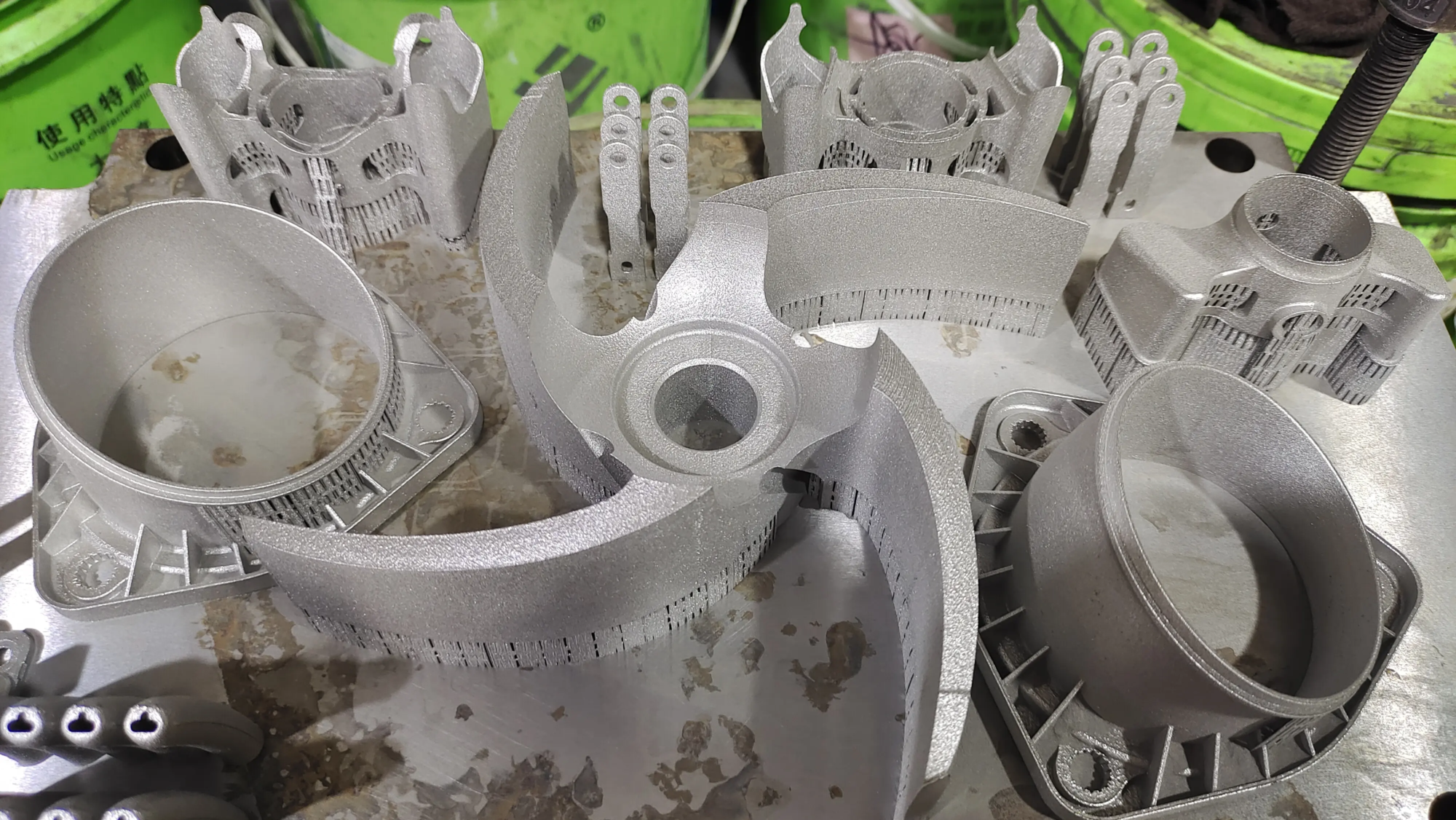
professional alternative: Industrial SLM printing of food-safe metals such as medical-grade stainless steel (316L) or titanium can completely eliminate these risks.
Section 2: Porosity – the invisible trap
3D printing inherently creates tiny pores and layer gaps (<0.1 mm wide) in the material:
- Bacterial breeding ground: These tiny gaps can trap moisture and resin residue, allowing mold, mildew and bacteria to grow, e.g. Pseudomonas aeruginosa.
- Unable to sterilize: Household cleaners (alcohol, boiling water) cannot penetrate deep into pores. Abrasive scrubbing can compromise surface integrity.
Mitigation strategies: For non-metallic prints, apply an FDA-approved epoxy resin to create a pore-sealing barrier. However, since the coating degrades over time, it will need to be reapplied.
Part 3: Chemical leaching – the silent threat
Heat can exacerbate the migration of toxins from plastic into smoke or water:
- Plasticizers and solvents: The filament contains additives that leach out when heated, polluting the smoke. For example, ABS releases styrene, a neurotoxin.
- metal safety: only Professionally printed on inert metals such as stainless steel to resist leaching. "consumer" Metal wire, such as copper-filled PLA, is not safe due to the polymer binder.
Lab Insights: Third-party toxicity testing shows that DIY water guns release VOCs (volatile organic compounds) 8-12 times higher than safe inhalation limits.
Section 4: Structural Failure Points
Thin walls, thin layer adhesion and design flaws make DIY water guns prone to:
- cracked/broken: Stress at layer lines can cause sudden failure when exposed to heat or impact.
- water leakage: Poorly sealed seams or inconsistent wall thickness can lead to confusing (and dangerous) failures.
Engineering solutions: Industrial SLM printers are designed using fluid dynamics simulations to create homogeneous metal parts with uniform wall thickness (>2mm) and stress testing.
Section 5: Post-Processing – Steps to Success or Failure
Even a well-printed bong can endanger the user if not professionally organized:
- polishing: Removes tiny gaps where pathogens lurk. GreatLight’s electrochemical polishing ensures a surface that is biofilm resistant.
- seal: Food-safe coatings such as cerakote (for metal) or epoxy (for plastics) need to be cured precisely—and DIY applications often miss critical points.
- disinfect: Autoclaving or ultrasonic cleaning is necessary but not possible with porous plastics.
Conclusion: Safety first, creativity second
3D printed bongs symbolize innovation but require strict safety protocols that are often beyond the capabilities of DIYers. While hobby printing may seem economical, the hidden costs—health risks, frequent replacements, and lack of performance—outweigh the benefits. For truly secure customization, trust industrial-grade manufacturing:
- GreatLight’s SLM printers and ISO-certified laboratories provide precision bong components made from biocompatible metals and undergo rigorous thermoelasticity, leakage and toxicity testing.
- With one-stop post-processing (polishing, coating, laser welding) we ensure your device is durable, sterile and safe for inhalation.
Remember: There is no compromise when it comes to inhaled substances. Choose safety. Choose reliability. Choose professional customization.
FAQ: 3D Printed Bong Safety
Q1: Can I use "food safety" PLA for bongs?
No. "food safety" Refers to contact with cold, dry food rather than heat, smoke or moisture. PLA’s low melting point and porosity make it unsafe for water guns.
Question 2: Do e-cigarettes (lower calories) make DIY bongs safer?
The impact is limited, but the risk remains. E-cigarette temperatures (~200°C) still degrade plastic and bacteria in the pores continue to grow.
Q3: How to test the safety of metal bongs?
We proceed:
- Heavy metal leaching test (ISO 10993).
- Pressure/leak testing.
- Microstructural analysis to eliminate pores.
- Biocompatibility verification.
Q4: Can I coat my DIY plastic bong to make it safe?
Temporarily. Epoxy coatings can degrade with heat/cleaning, exposing pores. Reapplication is inconsistent and impractical.
Q5: Why choose metal instead of glass or ceramic?
Metal, especially stainless steel or titanium, offers unparalleled durability, thermal stability and precise customization via SLM printing without the fragility of glass.
Are you ready to innovate in security?
Gretel specializes in Medical grade rapid prototyping For use in inhalation devices. From concept to finish, we design bongs that blend creativity with uncompromising safety.
🔗 Request a quote for a custom metal bong prototype | ✉️ Expert support 24/7