Reimagining Archery: A Comprehensive Guide to Making a 3D Printed Bow
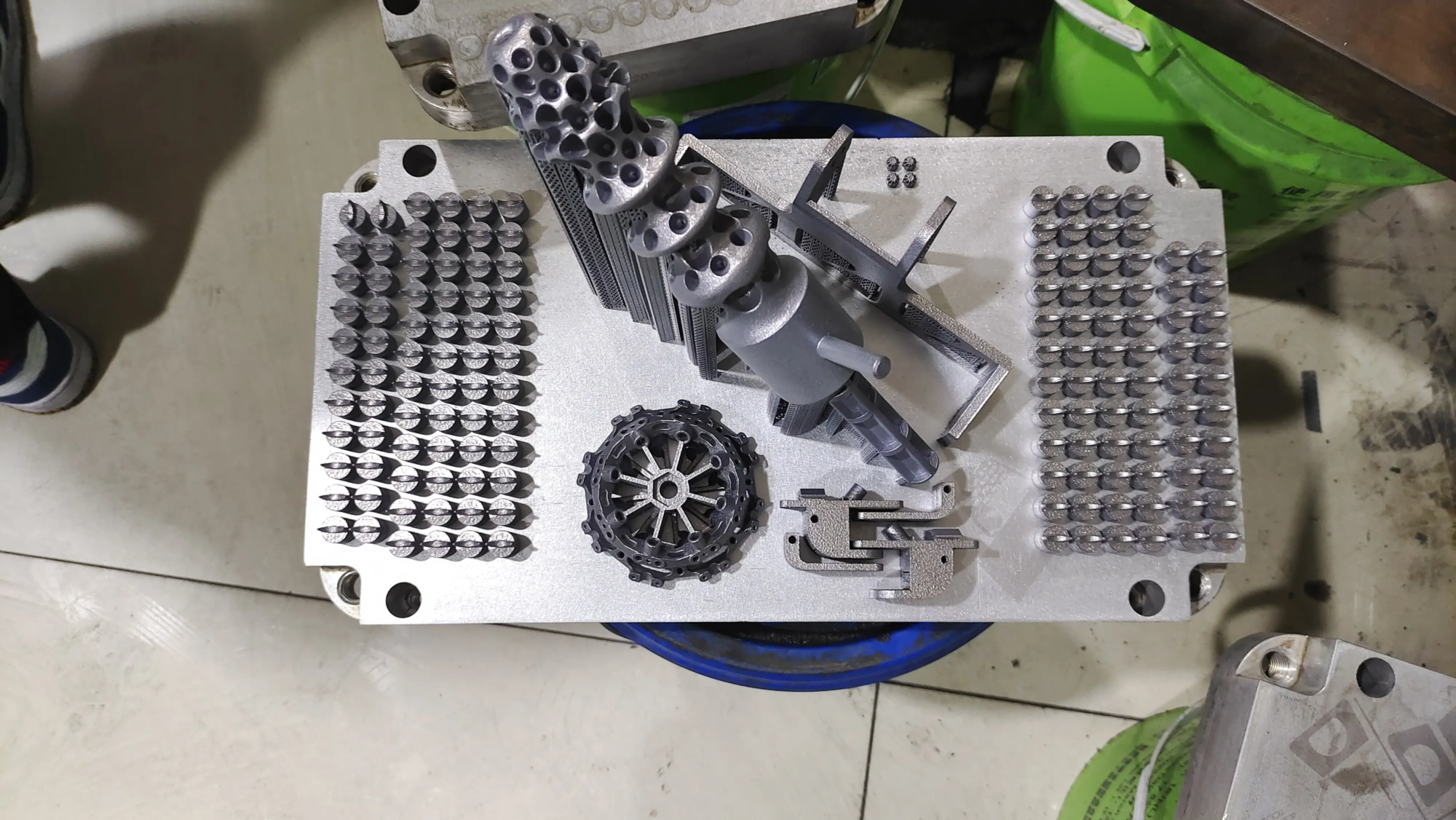
The fusion of archery and modern technology opens up exciting possibilities for enthusiasts and builders alike. Imagine having a fully functional bow designed and produced based on your grip strength, draw length, and aesthetic preferences—all from a 3D printer. At GreatLight, we champion innovation in rapid prototyping, enabling DIY enthusiasts to turn digital designs into tangible tools. While our expertise often revolves around metal parts achieved via SLM (Selective Laser Melting), this guide focuses on easy-to-use polymer-based 3D printing for archery projects. Let’s get started making your custom bow!
Why 3D print your own bow?
Traditional archery equipment is costly and requires mass production, limiting customization. 3D printing offers:
- personalization:Modified limb flexibility, handle ergonomics and pull strength.
- Affordability: Reduce filament and hardware costs.
- experiment: Quickly test prototypes before refining your design.
IMPORTANT NOTE: This project uses plastic filament (such as PLA, PETG, TPU) and is suitable for desktop printers. For metal bows that require industrial-grade SLM equipment and post-processing such as our services, consult a professional to manage stress loads and safety.
DIY Guide: Making a 3D Printed Bow
Step 1: Intelligent Design
Start with proven blueprints provided by platforms like Thingiverse. Popular designs include removable recurve bows or segmented flat bows for smaller print beds. Using CAD software (Fusion 360, Tinkercad) you can:
- Add reinforcement at stress points (tips of limbs, handle joints).
- Integrate modular joints for interchangeable limbs.
- Scale size based on your stretch length and strength.
Expert Tips: Avoid limbs that are even in thickness. The tapered design mimics natural wood and evenly distributes stress.
Step Two: Material Issues
Filament choice determines durability and performance:
- polyethylene terephthalate: Ideal for rigid parts (handles, risers). Combines strength, UV resistance and slight flexibility.
- TPU/nylon: Used for limbs that require controlled bending. TPU absorbs impact but has lower tensile strength than nylon.
- Avoid using PLA: Brittleness under tension can be dangerous to limbs.
Great Light Insight: SLM printing allows for unparalleled strength-to-weight ratios over metal equivalents such as aluminum risers, but always design with failure points in mind.
Step 3: Optimize printing settings
Maximize inter-layer adhesion and minimize weak points:
- filling: 100% on limb joints and handles; 40-60% elsewhere to balance stiffness/weight.
- direction: Print limbs flat (parallel to the print bed) to align layer lines with bending forces.
- speed and temperature: Print slowly at the manufacturer’s recommended temperature (30–50 mm/sec) for a denser layer.
- perimeter: 5–8 outer layers to prevent delamination.
Step 4: Post-Processing and Assembly
Rough prints compromise integrity. Leverage:
- Sanding: Use 200–400 grit sandpaper to smooth stress concentrated edges.
- annealing: For PETG, bake parts at 70–80°C (160–176°F) to enhance crystallization.
- assembly: Install the limbs into the risers using epoxy and steel bolts. Add fiberglass rods or wood cores for hybrid reinforcement.
- seal: Coated with weatherproof enamel to prevent moisture degradation.
Step 5: Rigging and Safety Testing
Tie the polyester string lightly. Incremental testing:
- Low tension traction behind obstacles or using pulleys.
- Gradually increase the stretch length while checking for cracks or deformation.
- Wear ANSI-rated eyewear during the test.
Conclusion: Where Tradition Meets Tomorrow
Making a 3D printed bow blends ancient archery with cutting-edge innovation. While desktop printers can make for exciting DIY adventures, keep in mind that high-stress applications like compound bows or metal parts require industrial solutions. At GreatLight, we specialize in metal rapid prototyping through SLM technology, turning complex designs into strong, precise parts. From aerospace to custom archery gear, our one-stop services, including CNC finishing, heat treatment and quality assurance, ensure your prototype exceeds expectations. Whether you’re a hobbyist experimenting with filament or an engineer looking for titanium parts, GreatLight bridges the gap between imagination and reliability.
Customize your precision parts today at competitive prices and manufacturing speeds – because breakthrough ideas shouldn’t wait.
FAQ: The Secret of 3D Printed Bows
Q1: Is the 3D printed bow safe to use?
Yes, if designed well and printed using appropriate materials (e.g. PETG, nylon). Always test carefully at low tension, check regularly for damage, and avoid dry firing (no arrow release).
Q2: Can I print the entire bow in metal?
The metal bow required advanced SLM printing and rigorous stress analysis. Industrial 3D printing (such as GreatLight’s services) can produce aluminum or titanium risers, but polymer composite limbs are still safer for DIY.
Q3: Which filaments provide the best flexibility for limbs?
TPU provides excellent flex for low-pound bows. For higher draw weights, nylon blends such as NylonX with carbon fiber provide superior flexibility and fatigue resistance.
Q4: How long does a 3D printed bow last?
Service life depends on material, frequency of use and maintenance. If properly maintained, a PETG/TPU hybrid bow can last over 1,000 arrows. Annealing and sealing extend service life.
Q5: Why do metal archery parts use GreatLight?
Our SLM printers create lightweight, high-strength metal parts with complex geometries. Combining CNC machining and post-finishing we ensure surgical precision and compliance with mechanical stress standards.
Q6: Can I sell my printed bow?
Only sell designs expressly licensed for commercial use. Check out the legal guidelines regarding weapons manufacturing. For commercial prototype contracts, GreatLight offers scalable production solutions.
Unleash the potential of your project – Explore custom rapid prototyping solutions at GreatLight today.