The body is sacred: Exploring the complex safety environment of 3D printed butt plugs
The allure of 3D printing—customization, rapid prototyping, pushing boundaries—inevitably touches every sector, including intimate products. Personalized sex toys, like butt plugs, seem to be the next frontier. However, this intersection of cutting-edge technology and intimate health requires extreme caution. While there are commercially available products that are safe for the body, trying a 3D printed version carries significant and often underestimated risks. This guide reveals these risks and explores only A potentially safe path forward – involving professional manufacturing expertise, not DIY.
Why 3D printed butt plugs pose inherent safety challenges
Unlike mass-produced silicone, glass or medical-grade stainless steel plugs, 3D printed versions face several key obstacles:
-
Material toxicity and biocompatibility failure:
- Thin filament fallacy: Common 3D printing filament enthusiasts (PLA, ABS, PETG, and even nylon) include no way Inherently body safe for internal use. They can leach plasticizers (phthalates), release incompletely cured residual monomers (especially resins), contain color or flexibility additives, or contain metallic nanoparticles. These substances can irritate sensitive anal/rectal tissues, cause allergic reactions, or may disrupt endocrine function.
- Metallic nuances: And metals such as stainless steel or titanium able Biocompatible, not all alloys or printing methods are suitable. Powder processes such as SLM require careful selection of material grades certified for medical contact (e.g. Ti-6Al-4V ELI, 316L VM). Impurities, improper powder handling, or incorrect process parameters may compromise biocompatibility.
-
Porous dangers:
- Micro Hideout: Almost all 3D printing processes, especially fused deposition modeling (FDM) and stereolithography (SLA), produce surfaces filled with micropores, cracks, and layer lines Even after cleaning. These tiny imperfections become breeding grounds for bacteria, fungi, and viruses. Thorough cleaning is physically impossible, and use by even one person greatly increases the risk of infection (e.g., bacterial vaginosis, urinary tract infections) or spreading of sexually transmitted infections. Any residue will become rancid.
- Metal density matters: Powder-based metals require high density. Low-density or trapped pores during SLM/SLS processes may also contain pathogens. Achieving true non-porous properties requires advanced technology.
-
Structural integrity issues:
- Stress and Strain: The anal muscles are very powerful. Layer adhesion defects common in FDM or insufficiently sintered metal powder structures under SLS/SLM can lead to catastrophic failure – breakage in the body. Retrieval of the broken pieces required emergency medical intervention.
- Sharp edges and design flaws: Improperly supported or insufficiently smoothed drape during printing can create sharp edges or fragile protrusions that cannot be adequately smoothed by hand, risking internal tears or punctures. Designing the base (flare end) to ensure safety is critical and even more difficult to perfect in DIY printing.
-
Lack of supervision: Mass-produced sex toys fall into a gray area, but reputable brands often adhere to voluntary material safety standards or FDA guidance for similar materials. DIY or unregulated commercial 3D printed products have zero oversight for biocompatibility, sterility, or structural integrity intended exclusively for internal use.
- Post-processing limitations: Home sanding, polishing or dipping in food-grade silicone rarely achieves the seamless, non-porous finish needed for safe long-term interior contact. Core porosity remains unchanged.
The only way to achieve potential safety: professional manufacturing is non-negotiable
If customized absolutely necessary Explore 3D printing of intimate products, DIY methods are absolutely unsafe and unacceptable. Safety depends entirely on use Professional rapid prototyping services Has specific medical-grade features:
-
Material selection above all else:
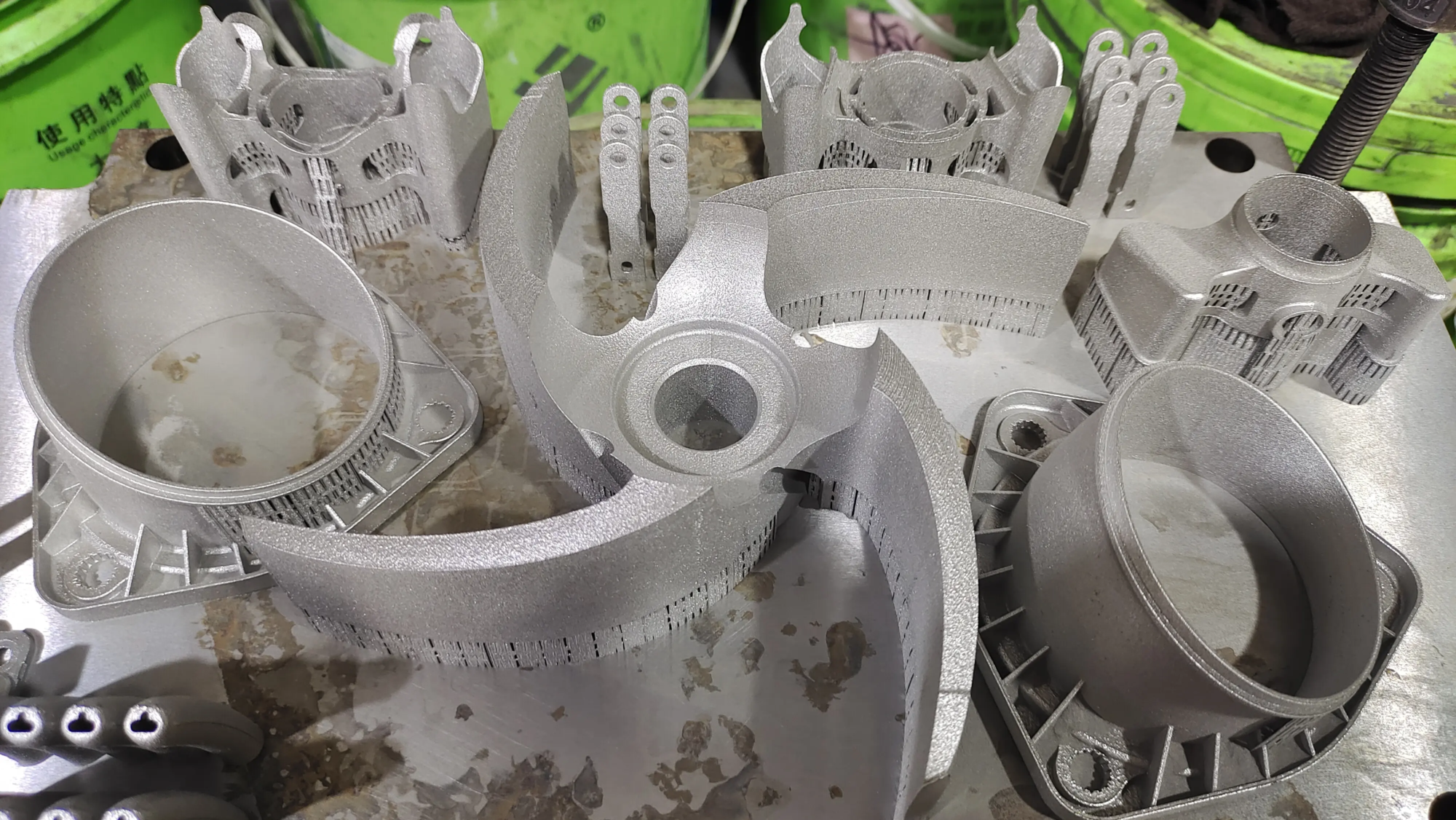
- Primary Options: Implant-Grade Metal: Focus on services with extensive experience Selective Laser Melting (SLM) Use certified biocompatible alloys – titanium (Ti-6Al-4V ELI) or high purity stainless steel (316L VM) for internal body contact. These metals can achieve the excellent density and surface finish required.
- Strict resin (use with extreme caution): Only high-performance biocompatible resins specifically certified to ISO 10993 or USP Class VI standards for long-term mucosal contact will be considered. Check the certificate carefully. These are expensive and require specialized printers/processing. The subsequent sanding/polishing must be flawless.
- Coating precautions: Apply a medical-grade silicone coating to the printed core possible If done professionally, it will be a safer road. The core must be absolutely smooth before coating, and the coating must be pinhole-free, seamlessly bonded, and itself meet biocompatibility standards. Any flaws negate its advantages.
-
Achieve true pore-free:
- High Density SLM: Professional-grade SLM equipment can achieve close to theoretical densities (>99.9%) through optimized parameters and high-quality metal powders.
- Advanced post-processing: Services must provide:
- Metal: Precision CNC machining to final size/smoothness, electrochemical polishing (removal of surface microscopic defects), hot isostatic pressing (HIP) (collapse of internal pores under heat/pressure).
- Resin/Coating: High gloss polishing to a mirror finish exceeding Ra < 0.1 µm, carefully performed to avoid damaging the biocompatible surface.
- Design expertise and quality control:
- Professionals can design bases that deploy safely, eliminate the risk of suction, ensure smooth transitions, and provide advice on appropriate size and shape.
- Strict quality control processes check for microcracks, measure surface roughness (Ra), verify dimensions, and sometimes test porosity/density via microscopy or other methods.
- Certificates of conformity that verify material batches and usage processes are critical.
Introduction to professional abilities: Gretel
although huge light Serving primarily industries requiring high-precision metal components (aerospace, medical devices, automotive), our capabilities highlight the level of care required to handle such sensitive applications:
- Advanced SLM infrastructure: We utilize industrial-grade selective laser melting machines capable of processing titanium (Ti-6Al-4V ELI) and stainless steel (316L) powders to achieve high densities critical for biocompatibility and elimination of porosity.
- Medical grade material processing: Experience handling traceable medical grade raw materials in compliance with relevant ISO/ASTM standards.
- Comprehensive post-processing: We offer CNC machining, precision grinding, electrochemical polishing, hand polishing to ultra-smooth surfaces and hot isostatic pressing (HIP) on request