Unravel the future: How 3D printed wired clamps revolutionize organization and efficiency
In an increasingly interconnected world of technology, from our houses to complex industrial systems, there is still an ongoing challenge: Cable management. Twisted wires are not just eye-catching wires. They pose risks such as tripping hazards, damage to cables, damage to overheated airflow and a lot of wasted time during maintenance or troubleshooting. Enter modern powerful solutions: 3D printed cable clamp.
3D printing technology goes far beyond general store-buyed plastic holders, unlocking the potential of not only functionally functional wired clips, but also optimizes for specific environments and demanding applications. Let’s explore why 3D printed cable clamps quickly became the preferred choice for the industry as a whole and how they translate simple wire organization into strategic advantages.
Why 3D printing is supreme in cable management:
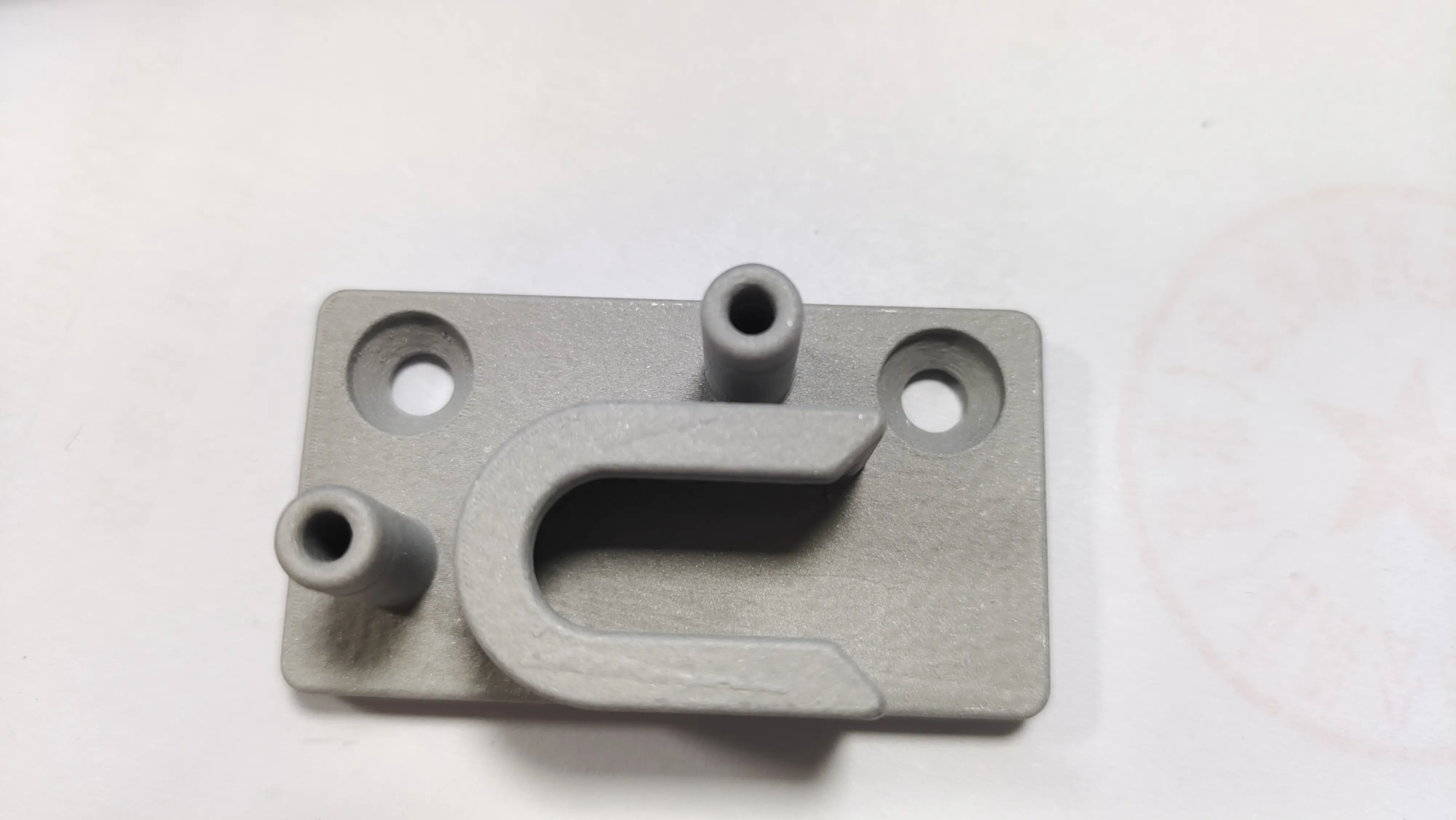
- Unrivaled customization: This is the jewel in the crown. Ready-made clips often force you to adapt to the settings them. 3D printing reverses this. Need a clamp that fits unusually thick bundles perfectly mounted on curved surfaces, containing a logo or a clip with a unique locking mechanism? Just design it. Whether used for complex server racks, professional robotics, aesthetic home setups or durable outdoor equipment, editing can be precisely tailored.
- Speed and innovation in prototyping (very suitable for rapid iteration): Develop perfect editing? Use rapid prototyping to test form, fit and function instead of weeks instead of weeks. Print multiple design iterations quickly and cost-effectively, based on real-world testing such as grip, ease of insertion/disassembly or installation safety before committing to full-scale production. Greatlight performed well here, quickly transforming CAD design into tangible prototypes.
- Optimized performance and material selection: 3D printing is not limited by traditional molding restrictions. Designers can create impossible geometric shapes through injection molding – combining features such as integrated grommets, snapshot fitting, specific strain relief, non-marked surfaces or internal channels for added stability. Crucially, you can exactly match the material to the environment:
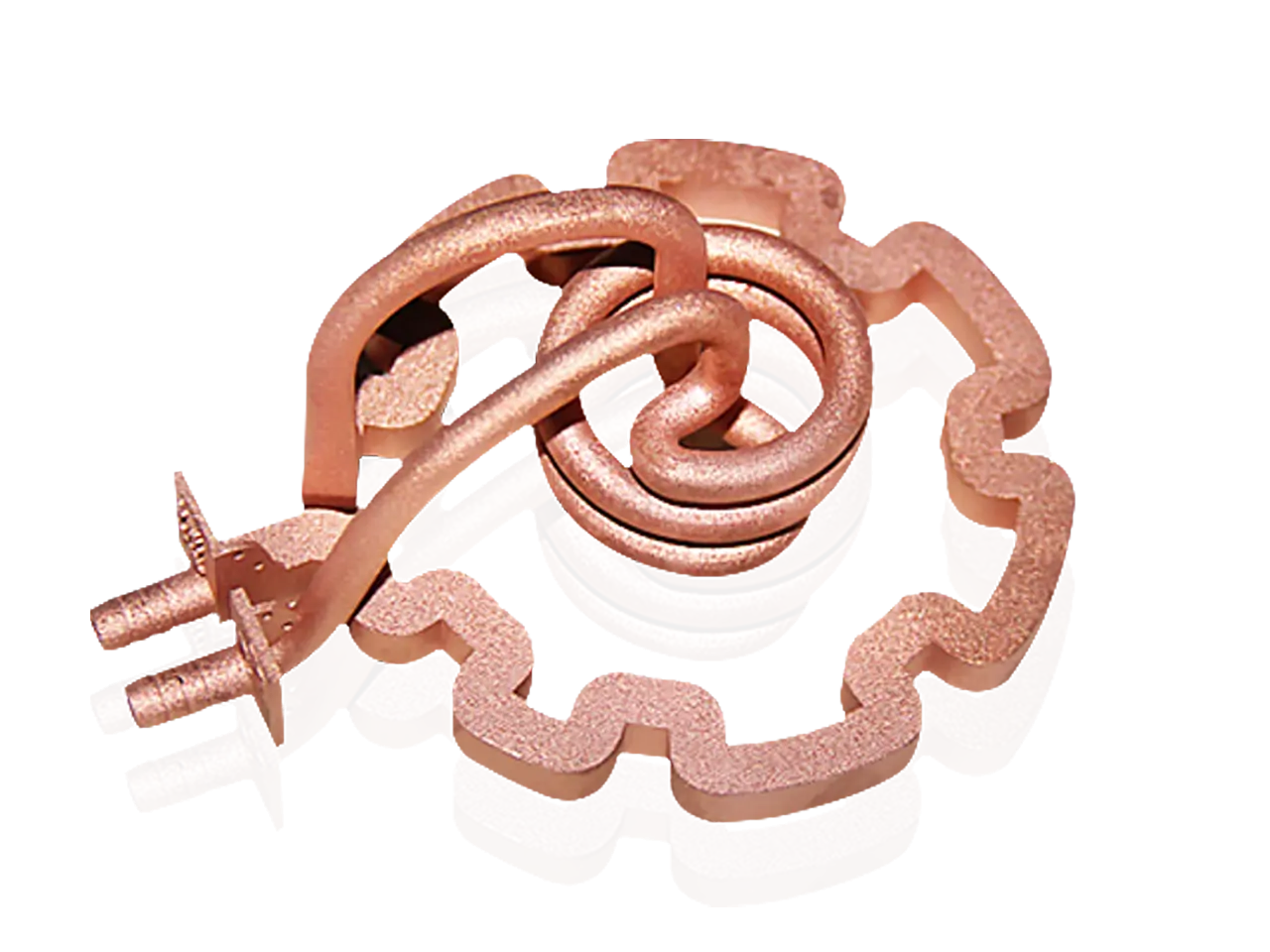
- High strength and heat resistance (metal): Selective laser melting (SLM) is the core strength of Greatlight that produces clips from powerful metals Stainless steel (316L, 17-4PH), titanium or aluminum alloy. These withstand extreme temperatures, high vibrations, constant pressures, corrosive environments (chemical plants, oceans) and heavy loads – ideal for industrial machinery, aerospace, automobiles and demanding outdoor facilities.
- Durability and chemical resistance (engineered polymer): Materials such as nylon (PA), PEG, ABS and ULTEM™ offer excellent mechanical properties, resistance and elasticity against oils and chemicals, suitable for factory flooring, laboratories and powerful electronics.
- Flexibility and ease of use (elastomers and standard plastics): TPU (thermoplastic polyurethane) provides vibration damping and flexibility for clips that require soft cable retention. PLA and ASA are ideal for cost-effective, lightweight, aesthetically pleasing editing for consumer products or indoor use.
- Cost-effectiveness of low/medium volume and complex designs: For prototypes, professional one-time or small batches, 3D printing eliminates the expensive tools (molds) required for injection molding. This makes custom editing very economical. It can also glow for highly intricate designs in which traditional manufacturing processes will be very expensive or impossible.
- Sustainability Advantages: The manufacturing of additives is not so wasteful in nature, using only the necessary materials to build parts layer by layer. Designs for optimized functions often use less monolithic materials, while local production reduces transportation emissions. Metal powders can usually be recycled during printing.
Designing a powerful 3D printed cable clamp: main things to note
Creating effective clips is more than just 3D models. Remember these:
- Cable beam diameter and weight: The editing must accommodate the bundle comfortably without excessive strain or pinching. Heavier bundles require stronger materials and possibly larger mounting points.
- Installation surface and method: Design the clip base to match the surface (flat, bent, adhesive, bolt?).
- Retention and accessibility: How do cables enter and exit the cable? Need an active lock-in? Consider relieving strain relief from cables.
- Environmental conditions: Extreme temperatures, UV exposure, chemicals, moisture? Determine material choice.
- Safety requirements: Non-conductive material? Fire protection grade (UL 94)? Smooth edges prevent cable damage?
- Printing direction: Optimize intensity direction (avoid delamination perpendicular to the layer) and finish. Support structural requirements should be minimized by a good design.
Industry licensed by custom 3D printing clips:
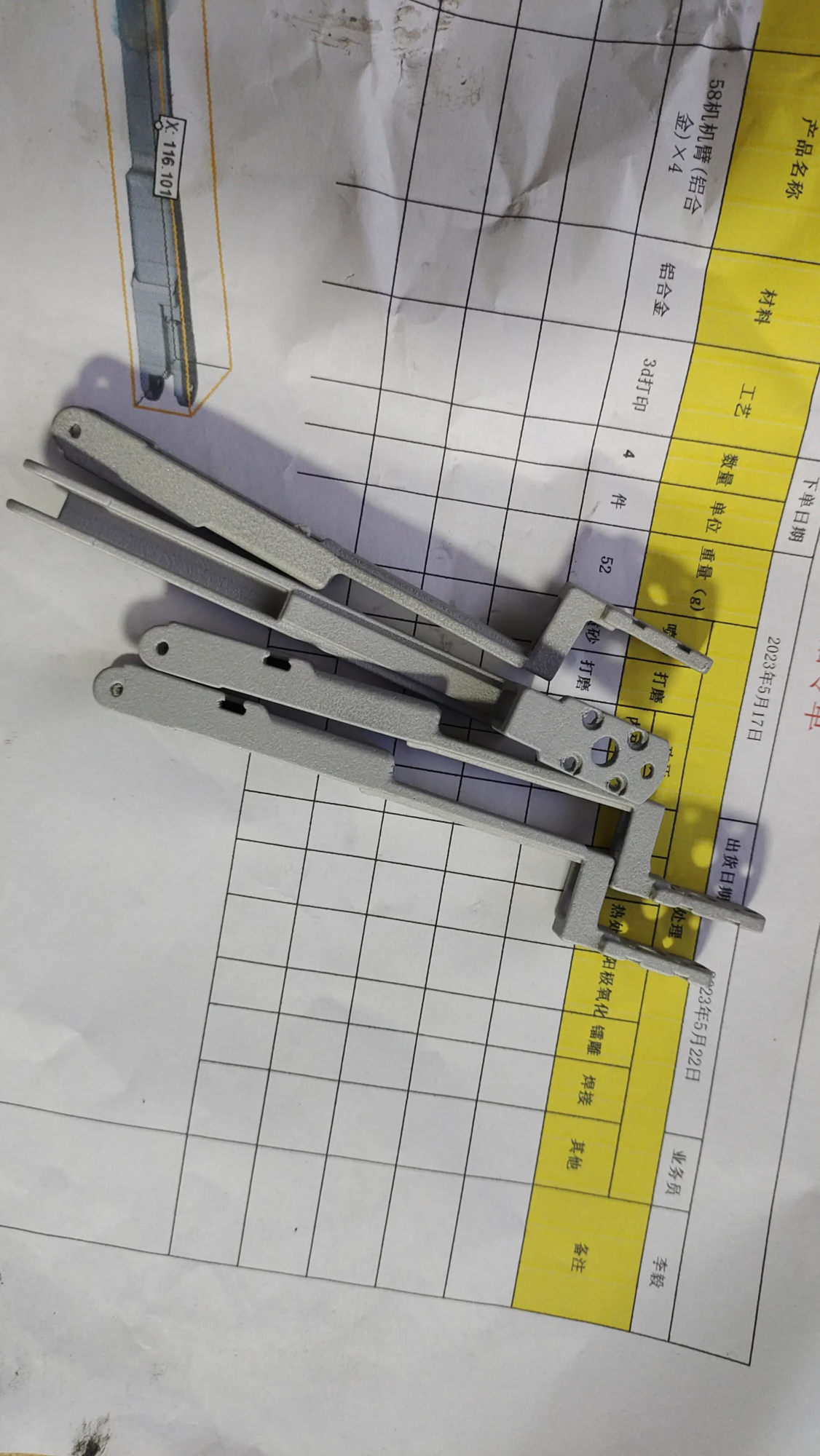
- Industrial automation and robotics: Manage complex wiring in robot arms, control panels and machines in high vibration environments. Metal clamps ensure reliability.
- Data Center and IT: Organize large server racks and network cables for optimal airflow and maintainability. Custom clamps conform to specific rail profiles and cable density.
- Aerospace and Defense: Lightweight, extreme ambient performance (temperature, vibration) and strictness. Titanium and premium stainless steel perform well here.
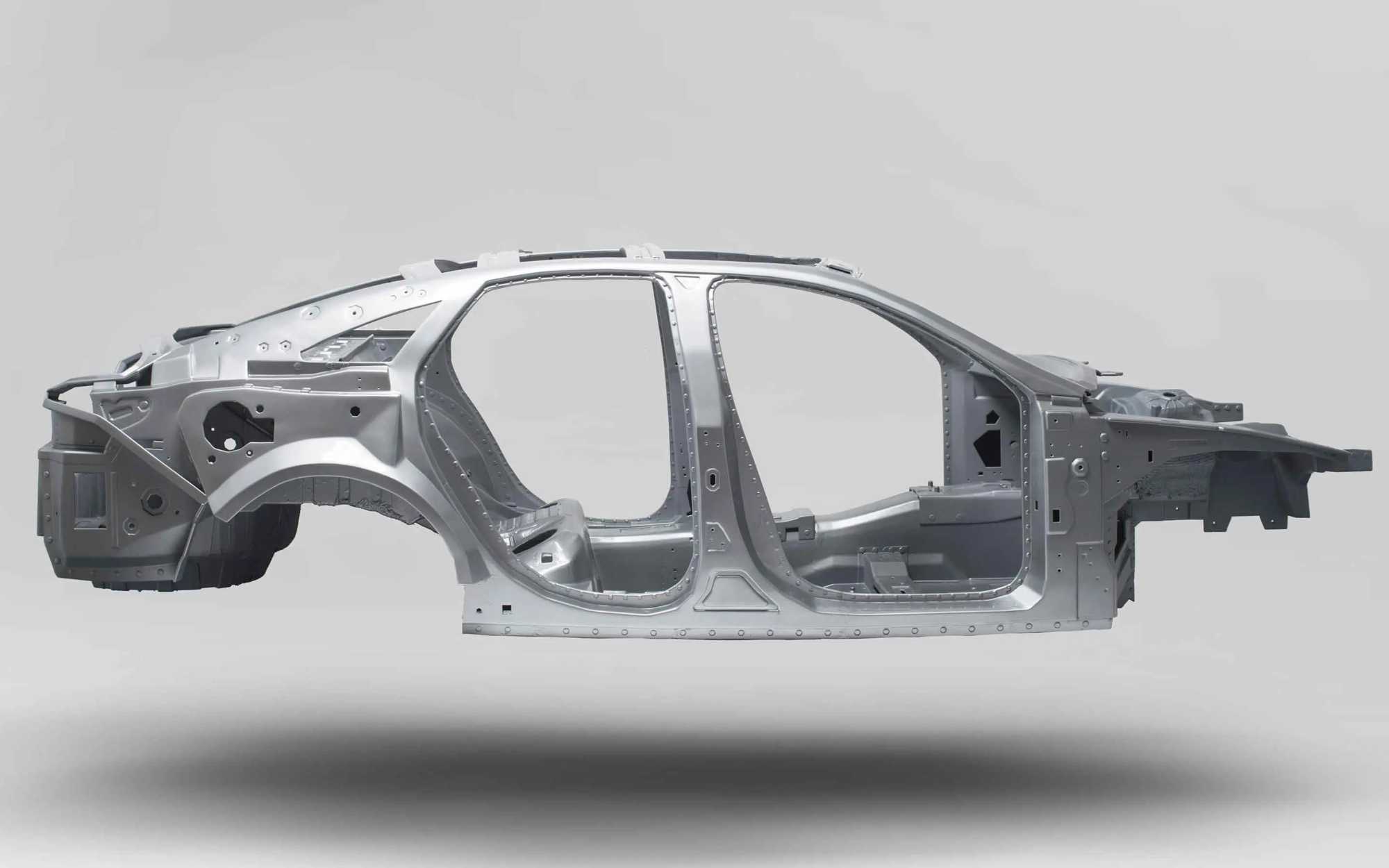
- Cars and electric vehicles: Internal trim clips, wire harness routing in engine bays (thermal resistant plastic/metal) and battery management system.
- Medical equipment: Cleanable (high voltage plastics, such as medical grade stainless steel), precise cables are routed around exquisite instruments.
- Consumer Electronics/Furniture: For desktop integration on desktop cable management mounts or integrate clips directly into product designs (e.g. VR headsets, sound systems).
- Renewable energy: Use gas-resistant materials to fix cables on solar panels or wind turbines in outdoor conditions.
Great: Your partner is on the perfectly organized cabling
The journey from cable chaos concept to flawless functional wired clips requires expertise, advanced technology and seamless execution. This is Greglight Manufacturing Demonstrated its leadership in rapid prototyping.
As a professional rapid prototyping manufacturer based in China, Greatlight has Advanced SLM (Selective Laser Melting) 3D Printing Equipment and cutting-edge production technology. We focus on overcoming the toughest challenges Rapid prototyping of metal partsprovides powerful and lasting solutions for your demanding wired management needs.
In addition to metals, our capabilities span a wide range of polymer materials to ensure that they are suitable for any requirements. What really sets us apart is us Comprehensive "One-stop" Serve:
- Expert design consultation: We help refine your editing design for optimal printability and functionality.
- Cutting-edge manufacturing: Use SLM for high-quality metal parts and advanced polymer printing technology.
- Complete post-processing suite: Surface finishing (grinding, polishing, bead blasting, coatings – including electroplating, powder coating, anodizing), heat treatment, cleaning, dyeing, assembly and strict quality control of metal strength.
- Quick turnaround: It is crucial for us to understand time – Most materials can be quickly customized and handled.
- Cost-effective accuracy: Achieve high precision and quality at competitive prices, especially for prototypes and small batches.
in conclusion
3D printed cable clamps not only represent the sorting of wires, but also many. They embody a leap in functional design, operational efficiency and reliability. The ability to create custom fit solutions with optimized materials – from everyday plastics to engineering-grade thermoplastics and ultra-high metals of SLM – solves the challenge of cable management that off-the-shelf options simply cannot be made. Whether it’s preventing expensive downtime in the factory, ensuring mission-critical systems operate perfectly in harsh environments, or simply creating a stylish, organized home office with tailored 3D printing accuracy available.
Don’t let cable mess compromise your design, safety or efficiency. Working with experts, you can bring the ideal cable TV management solution to life quickly and reliably. Greatlight is one of China’s premier rapid prototyping companies, equipped with technology, material expertise and post-processing capabilities to transform your CAD design into high-quality, perfectly functional cable TV clips.
Experience the difference accuracy and customization that can be made. Contact Greatlight Manufacturing today for a quote or precise rapid prototyping needs for your custom 3D printed corded clips. We offer innovative solutions quickly at the best prices.
FAQ: 3D printed cable clamps
Q1: Are 3D printed cable clamps sufficient for industrial applications?
one: Absolutely! Strength depends to a large extent on the material and design. Metal 3D printing (SLM) creates clips from stainless steel, titanium or aluminum alloys that are very strong, heat resistant and withstand heavy loads and vibrations, making them ideal for demanding industrial environments. The use of suitable engineered polymers (eg Nylon, Uletem) also provides substantial strength for many industrial uses.
Q2: The cost-effectiveness of 3D printing wired clips and buying ready-made?
Answer: For A large number of required standard partsmass-produced injection clips are usually cheap per unit. However, 3D printing shines when needed:
- Custom or unique design.
- Prototype used for testing.
- Low to medium production volume.
- Highly complex geometric shapes.
In these cases, 3D printing eliminates expensive tools (molds) and saves a lot of time, making it highly cost-effective overall.
Q3: What is the turnaround time for a custom 3D printed clip with Greatlime?
A: As a leader Rapid prototypingGreatlight specializes in rapid turnover. While the exact time depends on complexity, material, quantity and post-processing, we prioritize speed without sacrificing quality. Simple plastic prototypes can sometimes be shipped within a few days. Metal parts (SLM) and complex finishes add time, but Greatlight’s efficiency ensures the fastest lead time for custom parts. "Quickly" It is the core of our service.
Q4: Can you print clips with materials that resist extreme heat or chemicals?
one: Yes. We offer a wide range of material options:
- high temperature: The metal through SLM (316 liters stainless steel, titanium, stainless steel, inconel) is very good. Engineering plastics such as PEEK and ULTEM can withstand very high temperatures.
- Chemical resistance: Metals (especially 316 liter stainless steel), nylon (PA), PP and PPSU are strongly resistant to various chemicals/fuels. We help you select the best material based on specific chemical exposures.
Q5: Do you offer surface finishing options to make the appearance more professional?
one: really! Greglight provides a comprehensive One-stop post-processing serviceinclude:
- Smoothing/polishing: grinding, bead blasting, tumbling (plastic/metal).
- Painting/Paint: Electroplating, powder coating, anodizing (for aluminum), custom color painting.
- Functional treatment: Heat treatment (strength of metal).
- Texture and Color: Dye (nylon), apply specific surface texture.
We ensure that the final part meets functional requirements and aesthetic goals.
Question 6: I have a design; can Greatlight print it? Which file format do you accept?
one: Yes! We accept standard CAD file formats .STEP,,,,, .STL,,,,, .IGES,,,,, .X_Tor .SLDPRT. Our engineering team can review your designs before printing and advise on any manufacturing optimizations.
Question 7: Are 3D printed clips suitable for outdoor use?
A: With the right material choice, Yes. For UV resistance and weathering, ASA plastics are better than ABS. Metals such as anodized aluminum or 316L stainless steel are highly elastic outdoors. Engineering plastics such as glass-filled nylon or Eutem also provide excellent climatic properties. We can recommend the best materials based on your specific outdoor exposure conditions.