Unlocking innovation: How 3D printed cable ties are reshaping the fastener landscape
For decades, the humble cable tie (or twist tie) has been the unsung hero of assembly and organization. Its simple nylon design can be found everywhere from industrial machine wiring machines to home DIY projects, providing a fast, reliable solution. But what if this ubiquitous fastener could transcend its limitations? 3D printed cable ties were born—a revolutionary advancement that would redefine the functionality of fasteners, moving well beyond the limitations of mass-produced plastic and into a world of custom performance and unprecedented design freedom.
Beyond Black Nylon: The Power of Additive Manufacturing
Traditional injection molded nylon ties have served us well, but they essentially force us to compromise:
- Fixed form: Standard sizes and geometries are not suitable for every unique application.
- Limited material properties: Nylon, while durable, has limited strength, temperature resistance, and chemical compatibility.
- Plain aesthetics: Primarily functional; limited range of color or overall visual characteristics.
3D printing breaks these limitations. By building objects layer by layer from digital models, additive manufacturing (AM) transforms cable ties from commodity products into high-performance, customized components:
- Completely customizable: Design custom lengths, widths, head designs, tooth profiles (even variable tooth angles!) and locking mechanisms optimized for specific loads, environments or assembly/disassembly needs. Create geometries not possible with injection molding.
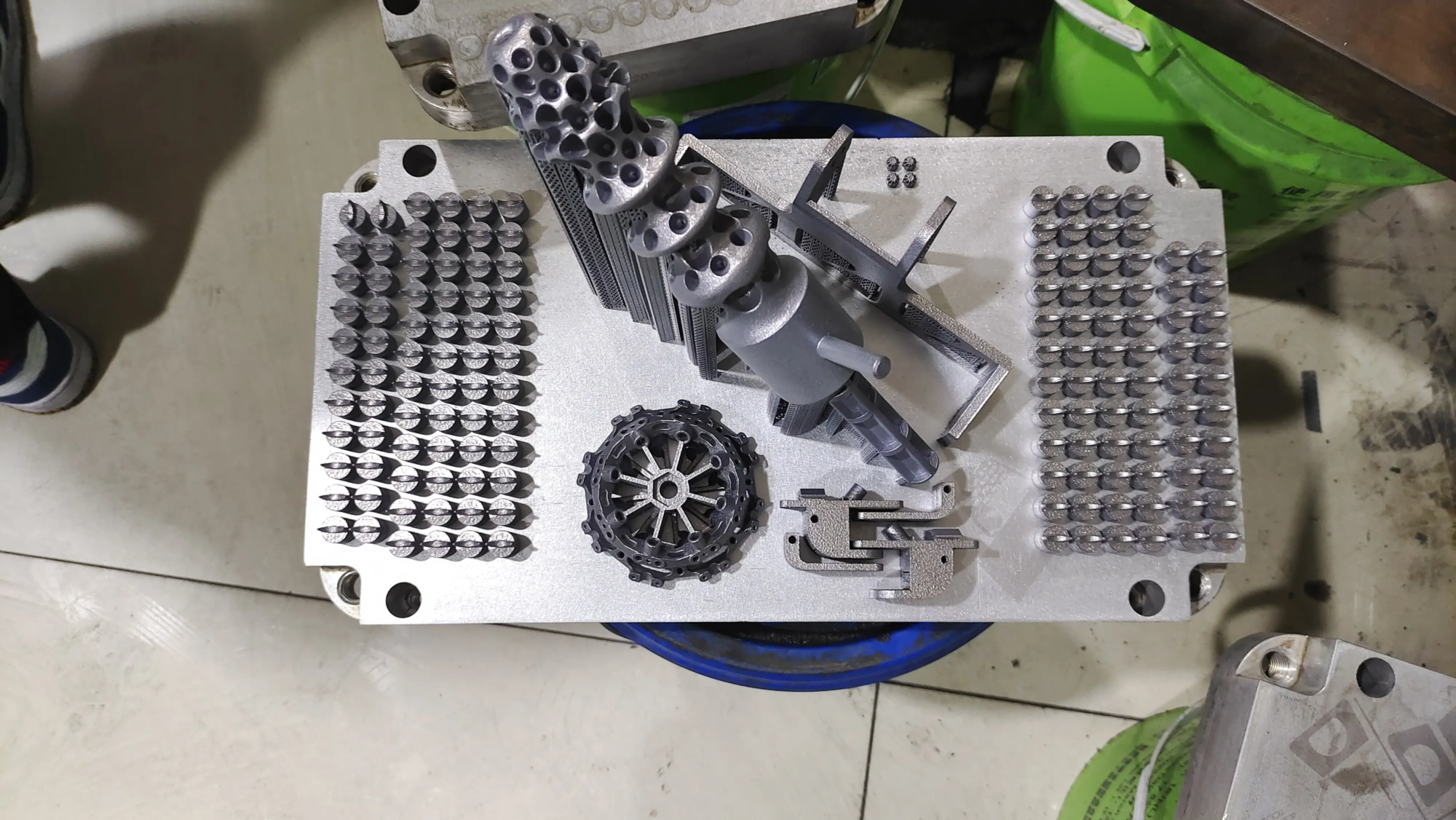
- Materials Science Revolution: Beyond nylon/plastic. Obtain specialized polymers with enhanced strength, flexibility, UV resistance, flame retardancy, low friction or biocompatibility. Crucially, Metal 3D printing unleashes unparalleled strength: Titanium, aluminum alloys, stainless steel and Inconel offer superior mechanical properties, corrosion resistance and performance under extreme heat or pressure, making them ideal for mission-critical aerospace, defense and high-temperature industrial applications.
- Smart design integration: Embed functionality within The tie itself – a QR code for tracking, a guide channel for auxiliary wires/cables, a mounting point for strain sensors (using conductive wire) or other components.
- Rapid prototyping and on-demand production: Design iterations become incredibly fast. Test concepts digitally, print functional prototypes overnight, refine them, then move seamlessly to low-volume production. Eliminate expensive tooling and long lead times. Produce exactly what you need, when and where you need it.
- Waste reduction and sustainable flow: Additive manufacturing is inherently less wasteful than subtractive processes. On-demand production minimizes excess inventory and obsolescence. Designing for disassembly/reusability becomes feasible.
What are the advantages of 3D printing zip ties?
The range of applications is wide and growing:
- Aerospace: Ultra-lightweight titanium or high-performance polymer ties protect critical wiring harnesses, tubing and shielding. Custom shapes navigate tightly packed components. Material certification ensures compliance with strict standards. (Where is this Metal printing really shines).
- Automobiles (Electric Vehicles/Racing Cars): Protect high voltage battery wiring using custom heat/corrosion resistant materials (PEEK, Ultem, metal). Develop unique fastening systems for low-volume prototyping or complex wiring harnesses in premium vehicles. Optimize weight and space.
- Medical devices: Biocompatible plastic (MED720) ties for surgical tool or internal equipment wiring. Unique design allows for one-handed operation in a sterile environment. Custom packaging/organizational trays.
- Robotics and Advanced Automation: Customized cable management solutions for complex, highly flexible robotic arms or complex automation cells. Integrated rails protect sensitive wiring.
- Electronics and consumer goods: Small cable ties for PCB or wearable devices. Custom color/branding integrated into the fastener itself. Solutions for unique housing designs.
- Industrial Maintenance and Repair (MRO): Print urgently needed, obsolete or custom fasteners on-site or overnight, significantly reducing equipment downtime.
Designing for Success: Beyond CAD
Creating truly effective 3D printed cable ties requires expertise beyond simple modeling:
- Material selection: It is critical to select the optimal polymer or metal alloy based on mechanical requirements, thermal environment, chemical exposure, fatigue life and biocompatibility needs.
- Structural integrity: Simulating stresses (shear, tension, torsion, cyclic fatigue) using finite element analysis (FEA) ensures reliability, especially for safety-critical applications. Optimize infill density and print direction for increased strength without excess weight/material.
- Print optimization: Orientation settings, support structure design, and resolution selection can significantly affect surface finish, accuracy, and mechanical performance—especially important for complex locking mechanisms.
- Fit and Function Test: Prototyping remains critical to verify locking/unlocking reliability, friction characteristics and installation behavior.
How GreatLight can power your zip tie revolution
as a leader rapid prototyping and additive manufacturing, GreatLight is at the forefront of enabling innovative fastener solutions such as 3D printed cable ties. Here’s how we turn potential into reality:
- Advanced SLM technology: Our most advanced Selective Laser Melting (SLM) 3D Printer Providing unparalleled precision and density in titanium Ti6Al4V, aluminum AlSi10Mg, stainless steel (316L, 17-4 PH), Inconel and other metals, giving the tie unparalleled strength, heat resistance and corrosion resistance.
- Wide material matrix: In addition to metals, we offer a wide range of engineering-grade thermoplastics (nylon variants, PEEK, PEKK, ULTEM, TPU, flexible resins) as well as specialty composites tailored to your functional needs.
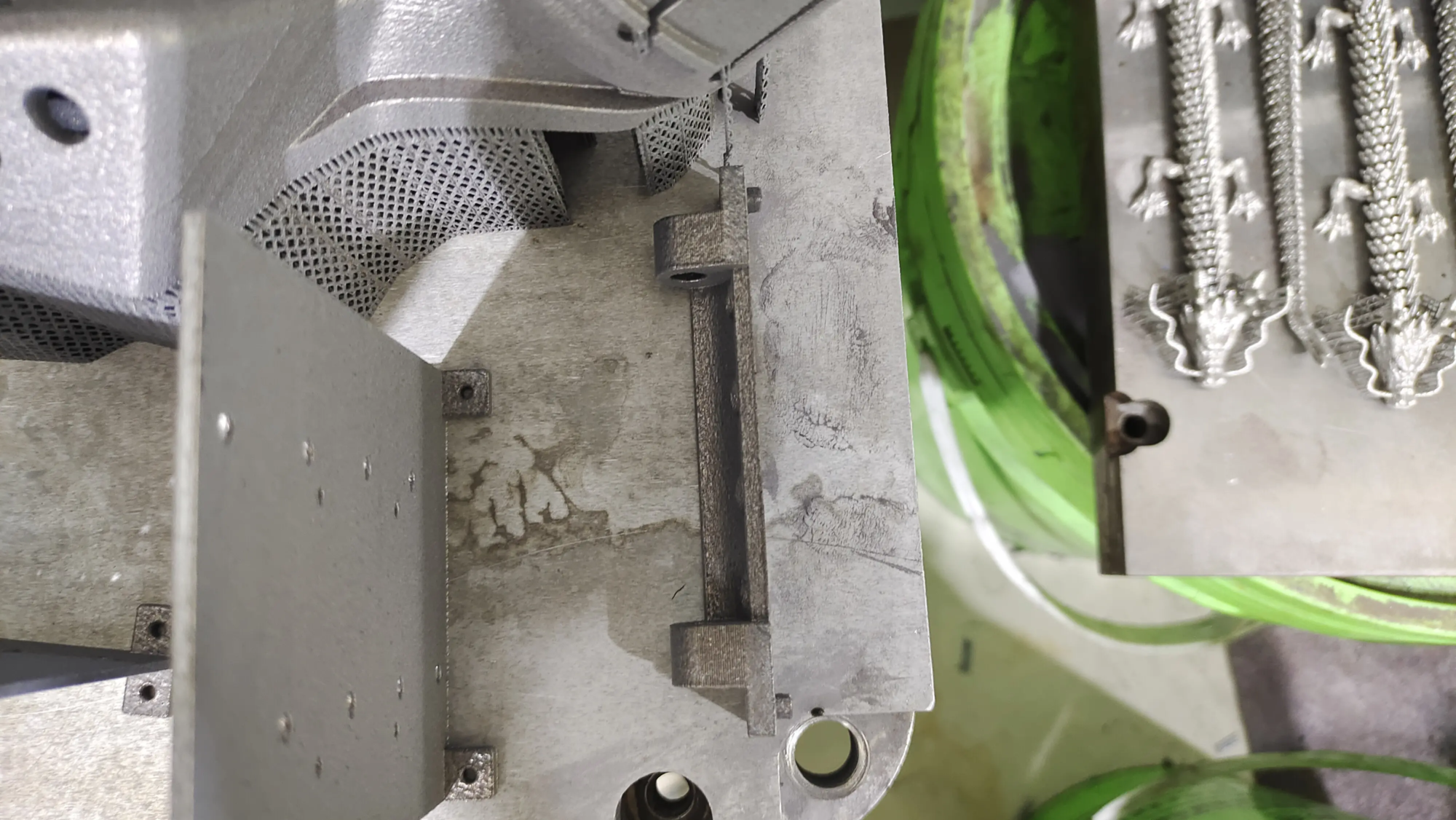
- Comprehensive post-processing expertise: We don’t just print; we get it done. Our one-stop service includes meticulous heat treatment (annealing, stress relief), Precision CNC machining For critical surfaces/tolerances, surface treatment (shot blasting, electropolishing, coating/painting), support removal and thorough cleaning/packaging. This ensures parts meet dimensional accuracy, appearance standards and functional performance.
- Engineering cooperation: Our experienced team works with you to optimize designs for additive manufacturing, perform FEA simulations, select optimal materials and process routes, and ensure manufacturability and durability.
- Speed and scalability: We focus on Quick turnaround Used for prototyping and bridge tools. From concept to small to medium-volume production, we efficiently deliver high-quality, customized solutions.
Conclusion: Control over innovation is getting tighter
3D printed cable ties represent a giant leap forward from the simple nylon ties we know. They transform fasteners from passive components to active design elements, enabling unprecedented customization, superior material performance, integrated intelligence and rapid iteration.
While mass-produced nylon ties will still be used for simple tasks, the future undoubtedly belongs to custom ties requiring high-performance metals and engineered polymers. This innovation unlocks solutions previously thought impossible, improving efficiency, reliability and creativity in aerospace, automotive, medical, robotics and countless other fields.
At GreatLight, we leverage advanced SLM metal printing, industry-leading polymer capabilities and expert post-processing capabilities to empower engineers and designers to embrace this revolution. Stop compromising on ready-made solutions. Take advantage of the design freedom, material versatility and rapid manufacturing benefits of 3D printing. Learn how the vast potential of custom cable ties and rapid prototyping can solve your complex manufacturing challenges.
Are you ready to design the future of fastening? Contact GreatLight today to transform your vision into an accurate reality.
FAQ: The Secret of 3D Printed Zipper Ties
Q1: Are 3D printed cable ties as strong as traditional cable ties?
A1: They can become stronger! Strength depends entirely on the material chosen and print optimization. Standard PLA/Nylon printed ties are usually on par or slightly better than injection molded nylon. However, using high-performance polymers such as PEEK or PEKK, or especially metals printed via SLM/SLS (titanium, aluminum, stainless steel), can make cable ties superior in terms of tensile strength, temperature resistance and durability. Design optimization through FEA further enhances potential performance.
Q2: In addition to plastic, what other materials can be used for 3D printing cable ties?
A2: The possibilities go far beyond the basic PLA:
- Engineering plastics: Nylon (PA11, PA12), ABS, ASA, PETG, ULTEM (PEI – high height), PEEK/PEECK (high height/chemical resistance), UTPU/Flexililes.
- Composite materials: Reinforce nylon with carbon fiber or fiberglass for added stiffness/strength.
- Metal: Stainless steel (316L, 17-4 PH), aluminum alloy (AlSi10Mg), titanium alloy (Ti6Al4V), Inconel (625 or 718). Metals excel where extreme strength, heat resistance or corrosion resistance are critical.
- major: Medical biocompatible resin.
Question 3: Is 3D printing too slow/expensive for things like zippers?
A3: Cost-effectiveness depends on volume and intent. For mass production (millions) injection molding is still cheaper per unit. However, 3D printing dominates in:
- Prototyping/Design Iteration: Designs can be quickly tested without the need for expensive molds (mold cost is $0).
- Small batch production: Manufacturing quantities in the tens to thousands can economically avoid large upfront tooling investments.
- custom made: Produce unique, high performance or specialty designed fasteners that cannot be molded.
- Emergency maintenance and repairs: Eliminate downtime with emergency printing of replacement parts. Speed depends on complexity/volume/material, but advanced printers like SLM offer fast manufacturing turnaround.
Q4: Can I get complex or customized designs easily?
A4: Absolutely! This is a key advantage. Additive manufacturing inherently handles complex geometries with ease. CAD makes it easy to create cable ties with unique lengths, widths, head shapes, tooth shapes, integrated features (hooks, sensors, tags) or locking mechanisms. Design freedom is orders of magnitude greater than traditional molding limitations.
Q5: How long does it take to produce customized 3D printed zippers?
A5: At Honglaite, rapid prototyping is our core strength. Simple plastic prototype batches can usually be found at 1-3 working days From final design/data. More complex metal parts utilizing SLM technology, especially those requiring post-processing such as heat treatment or machining, often require 5-10 working days. Complexity and volume directly impact timing. We prioritize speed without compromising on quality.
Q6: Is GreatLight responsible for post-processing of these parts?
Answer 6: precisely. We offer comprehensive One-stop organizing service. For metal ties, this includes necessary post-processing such as stress-relieving heat treatment, precision machining to ensure critical tolerances, surface enhancement (polishing, shot blasting, plating/painting), and thorough cleaning/packaging. For plastics, we expertly remove supports and ensure cosmetic quality. We provide ready-to-use parts.