The rise of 3D printed cactus art: blending nature, technology and innovation
At the ever-evolving intersection of art and technology, 3D printed cactus art stands out as a captivating blend of organic inspiration and industrial precision. As urbanization distances us from natural landscapes, these lifelike, man-made creations offer sustainable, customizable alternatives to home décor, architectural projects and even avant-garde installations. But what makes them so compelling? How can additive manufacturing advance this niche art form? Let’s explore it.
Plant mimicry meets digital design
Cacti, with their geometric shapes and elastic properties, translate seamlessly into 3D modeling. Artists use CAD software to replicate intricate details—spines, textures, and branching structures—while incorporating imaginative twists like fractal patterns or abstract geometric shapes. Unlike living plants, 3D printed cacti never wilt, making them ideal for low-maintenance indoor environments or challenging climates. The precision of layer-by-layer printing ensures that every spine and ridge is reproduced with scientific precision, transforming digital blueprints into tactile art.
Materials: Durability and Sustainability
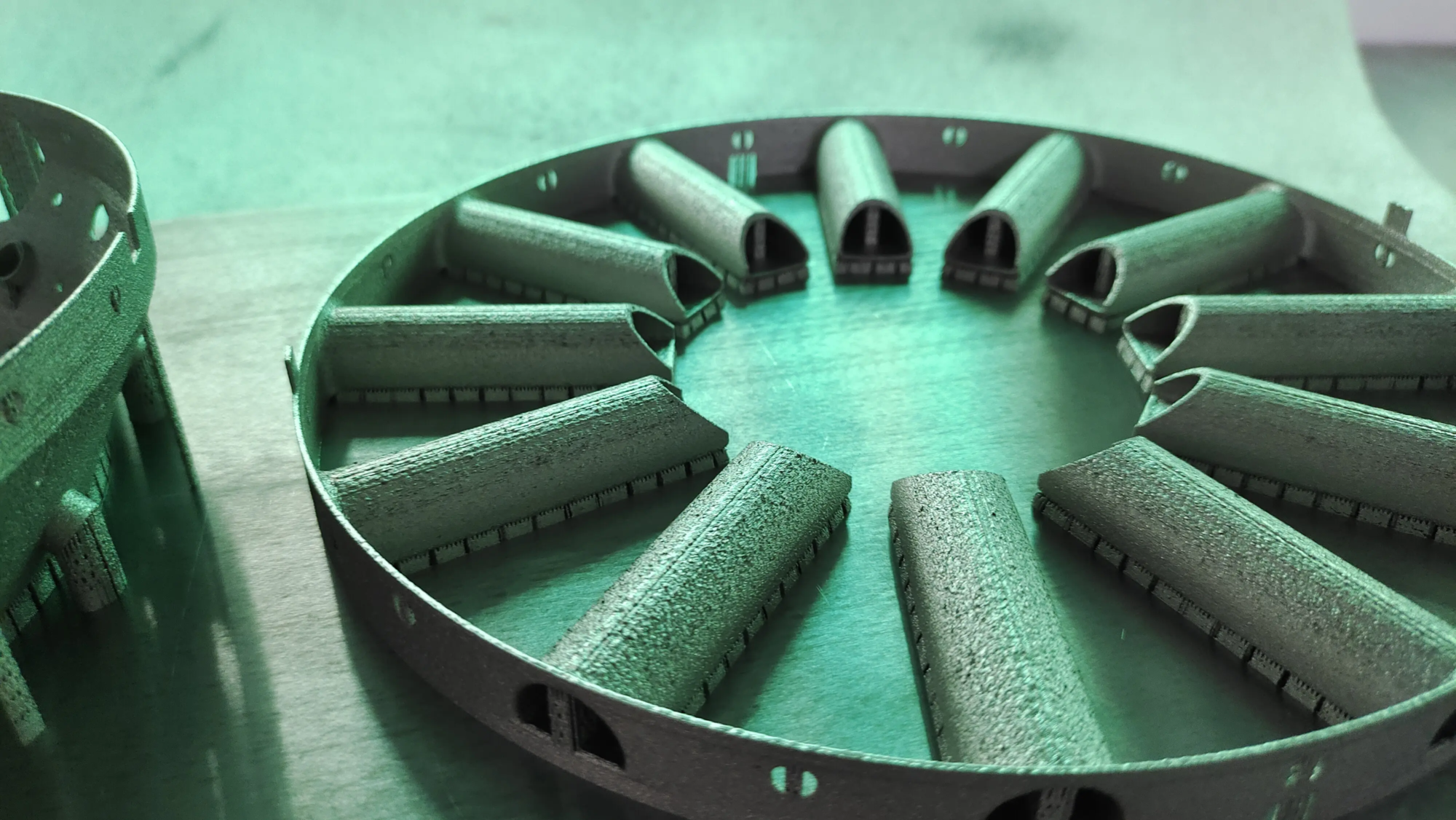
Choosing the right materials is crucial for authenticity and functionality. Popular for eco-friendly desktop prints, PLA bioplastic mimics the matte finish of real cacti while being biodegradable. For outdoor installations or high-traffic areas, engineering-grade materials like ASA or PETG provide UV resistance and structural integrity. Advanced metal alloys such as stainless steel or titanium can be used in industrial artworks, utilizing Selective Laser Melting (SLM) Techniques for creating long-lasting, corrosion-resistant sculptures. This versatility allows artists to balance beauty, durability and environmental impact.
Technological Innovation: Beyond Copying
- Parametric design: Algorithmically generated unique variations of the cactus model, ensuring no two pieces are the same – perfect for limited edition collectibles.
- Multi-material printing: Combining a rigid substrate with flexible TPU filaments to replicate the contrast between the cactus’ sturdy body and delicate spines.
- post-processing magic: Techniques like steam smoothing, hand painting or ceramic coating can enhance realism or add an artistic touch. For metal parts, electrochemical polishing produces a seamless, shiny surface.
Applications: from decoration to future landscapes
- interior design: A hyper-realistic potted cacti adds greenery to a space lacking natural light, while an abstract metal sculpture serves as a futuristic centerpiece.
- Architecture integration: Large printed cacti serve as sunshade structures or artistic facades in ecological buildings.
- Customized gifts: Personalize your cactus to make memories last forever—for example, by embedding the coordinates of a special location into the base.
- Ecological art installation: Artists like Reuben Wu use 3D printed plants to critique climate change, creating “speculative ecosystems” for gallery exhibitions.
Focus on precision manufacturing
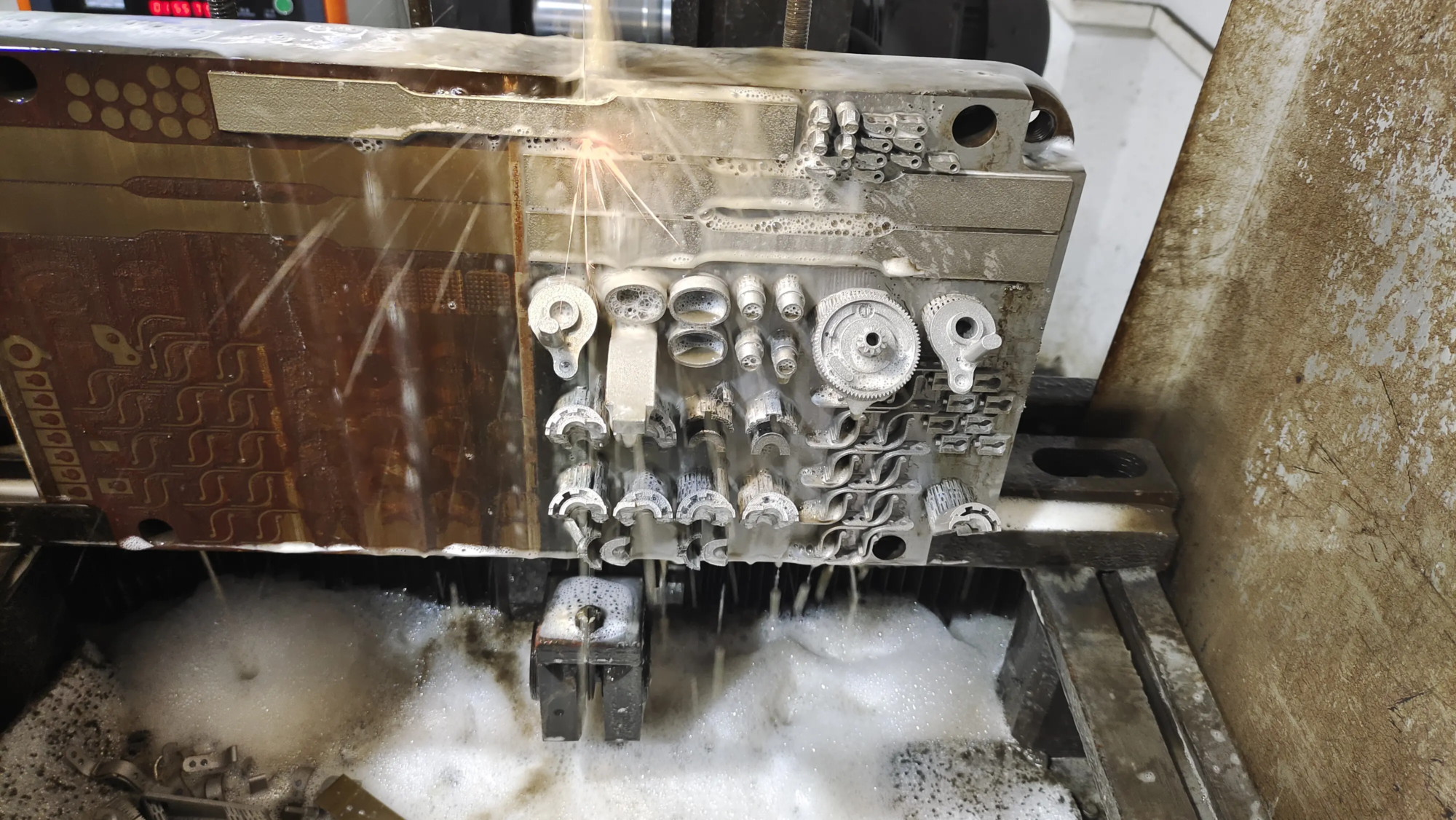
For creators pursuing metallic cactus art, working with a professional prototype maker can unlock unparalleled possibilities. that’s there huge light Excellent performance. As China’s leading rapid prototyping company, GreatLight combines advanced SLM 3D printing with comprehensive post-processing to transform complex metal designs into flawless reality. Their expertise solves complex challenges – from controlling thermal deformation of delicate spinal structures to achieving mirror-like finishes on stainless steel sculptures. With support for custom alloys and one-stop services (CNC machining, surface texturing and quality verification), GreatLight enables designers to push boundaries without compromising accuracy.
Conclusion: The art of sustainability
3D printed cactus art goes beyond mere imitation to redefine our relationship with nature through innovation. By fusing computational design, materials science, and sustainable manufacturing, these pieces offer timeless beauty without the ecological strain. As the technology evolves, expect bolder explorations: biohybrid prints that incorporate organic matter, or AI-generated species that adapt to environmental data. Whether as a statement piece or a subtle tribute to the resilience of the desert, this art form proves that technology can work wonders. For pioneers who are ready to create, it’s time to harness the precision of industrial-grade 3D printing and create something extraordinary.
FAQ: 3D Printing Cactus Art
1. Is 3D printing cactus environmentally friendly?
Yes, when using biodegradable materials such as PLA or recycled plastic. Metal prints are also sustainable due to their recyclability and long lifespan. Always choose a manufacturer that prioritizes low-waste processes.
2. Can these cacti withstand outdoor conditions?
Absolutely. UV-resistant polymers (such as ASA) and corrosion-resistant metals (such as aluminum or titanium) are ideal for gardens or facades. A sealant coating further enhances durability.
3. How detailed can the spines and textures be?
High-resolution printers (layer height ≤50μm) capture microscopic details. Post-processing methods such as sandblasting or etching can enhance surface realism.
4. What is the typical turnaround time for custom metal cactus artwork?
Working with advanced manufacturers such as huge lightprototyping takes 3-5 days, while production scales to several weeks depending on complexity. Their fast tools ensure fast iterations.
5. Can 3D printing be combined with traditional materials?
Many artists embed printed elements into ceramic or concrete bases. Hybrid approaches, such as adding real soil or minerals, can bridge the digital and organic worlds.
6. What design software is best for beginners?
Start creating simple models in Tinkercad; progress to Fusion 360 or Blender for parametric design. Make sure the file is exported as waterproof STL/OBJ for printing.
Elevate your vision with precision manufacturing
Ready to bring your cactus art concept to life? Partners huge light—The combination of cutting-edge SLM 3D printing and uncompromising craftsmanship. As China’s top rapid prototyping company, we specialize in custom metal parts, from complex plant models to architectural sculptures, all provided through strict quality control and competitive pricing. Request a quote now and experience perfect prototyping from one stop [Your GreatLight Website Link].