Build your own kingdom: a comprehensive guide to 3D printing of amazing castles
castle. Symbols of power, romance and architectural wonder throughout history. Once accessible only through a large trip or museum visit, these grand structures can now provide spacious structures for your own home or table! Thanks to the revolutionary power of 3D printing, creating its own miniature fortress, from whimsical fairy tale design to historically accurate retention, it is not only possible; it is an incredibly beneficial and accessible hobby. This guide will take you through design, print and complete your own 3D-printed castle, turning filaments or resin into a crafting kingdom.
Why print the castle? The charm of a miniature fortress
Apart from the purely cool factor, there are compelling reasons to start the project:
- Unleash creativity: Design your dream castle with unique towers, castle, suspension bridge and hidden access. There is nothing impossible in 3D design.
- Educational Value: Immerse yourself in history and architecture. Replicate the famous castle professor structural design and historical background.
- Tabletop Games: Elevate your dungeons and dragons, warhammers, or other RPG campaigns with custom, highly detailed terrain and buildings.
- Reimagined Model Architecture: A modern twist on the classic modeling suite that offers unparalleled detail, customization, and satisfaction with your own printing.
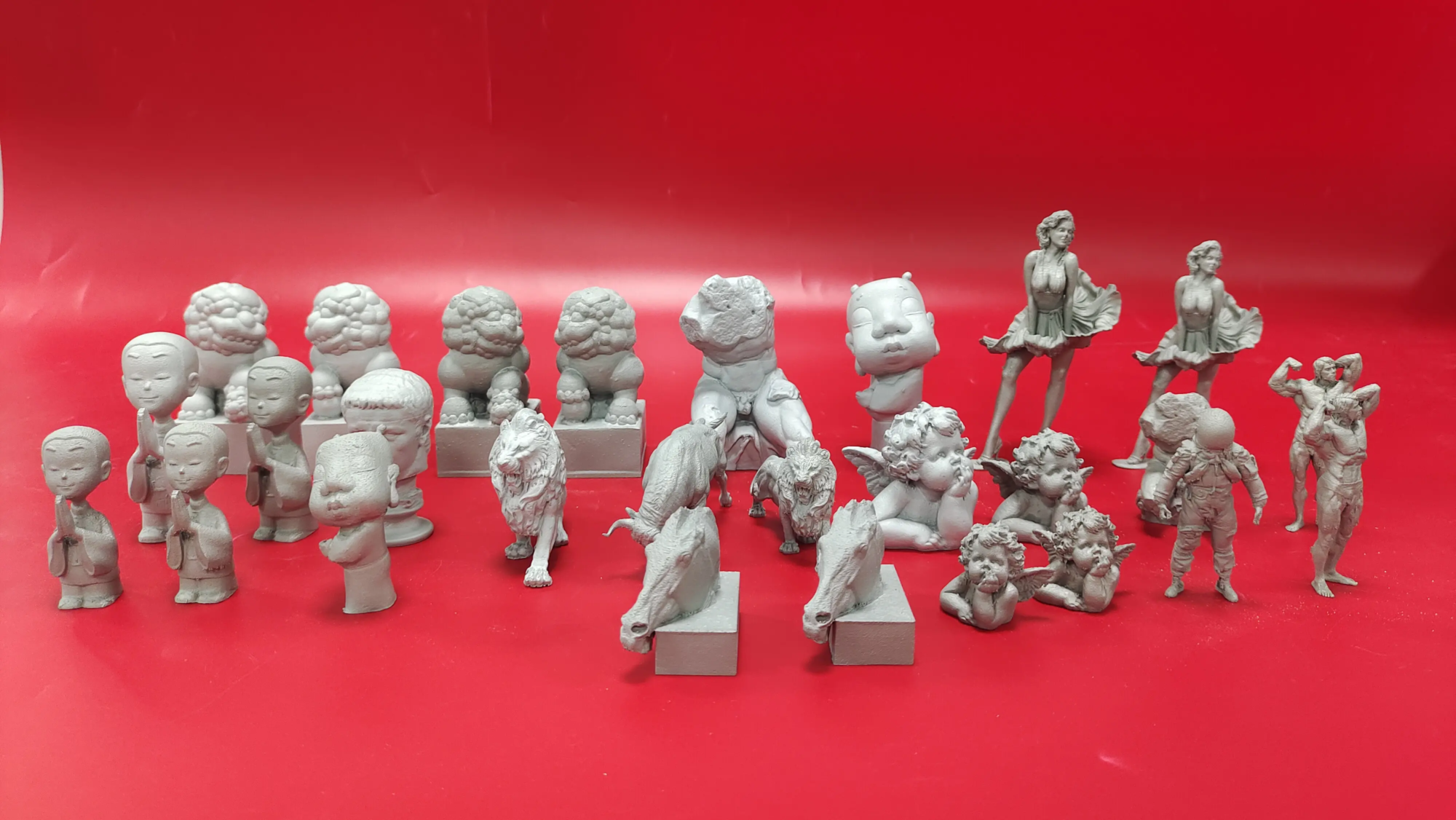
- Affordable art: Create amazing decorations at a fraction of the cost of commissioning a sculptor or purchasing high-end collectibles.
Getting started: Basic tools for the domain
Please collect yours before rushing into the gate "knight":
- 3D printer: The most common options are:
- FDM (Fusion Deposition Modeling): Plastic filaments (PLA, PETG, ABS) were used. Perfect for larger builds, usually more cost-effective, but may require more post-treatment for a smooth surface. Ideal for beginners and powerful desktop terrain.
- SLA/DLP/LCD (resin): Use liquid resin to cure with photo. Produces incredible detail and ultra-smooth surfaces, perfect for complex models with tiny windows, bricks and textures. Better to suit smaller, focused castles, but require treatment of resins and chemicals.
- Design software:
- CAD created: Similar tools Tinkercad (beginner), freecad (the middle), mixer (Advanced – Steep learning curve, but very powerful), Fusion 360 (Professional grade – suitable for amateurs, perfect for parameter design). If you have the skills, design from scratch!
- Repository: Platform likes Thingiverse,,,,, cults3d,,,,, myminifactoryand Printable It is a treasure house of prefabricated castle models – towers, walls, entire complexes, medieval villages, fantasy. Search keywords similar "Modular castle," "D&D Castle," "Medieval tower," "Fortress STL."
- Slicing software: Your designer won’t talk about printers. Slicer likes Ultimaker Cura,,,,, Plusla,,,,, Lychee Slicer (for resin) or Creality films Convert 3D models (STL files) into one-layer instructions (G code).
- Material: Choose wisely!
- FDM: PLA (simplest, biodegradable, rigid), PETG (sturdy, heat resistance), ABS (strong, demand, shell, smoke).
- Resin: Standard, robust, flexible or castable resin depending on the details and end use. Priority is given to ventilation and PPE.
- Post-processing weapons:
- Tools: Wire cutter (support), sandpaper/file (various grit), hobby knife, tweezers, small pliers.
- Materials: Primer (spray filler primer is gold!), acrylic paint, washing, dry pigment, sealant (matte/gloss varnish), glue (Superglue/Ca Glue, plastic cement).
- Safety equipment: Gloves (essential for resin treatment), safety glasses, ventilation masks (especially for polishing and spraying).
Your DIY guide: From pixels to grand glory (step by step)
buckle! It’s time to build the fortress:
-
Step 1: Get your castle blueprint
- Option A: Download: Found the perfect STL? Great! Make sure it is varied (watertight) and appropriately sized. Check comments/comments for printability notes.
- Option B: Design your own: It’s easy to get started! Outline your vision. Focus on core elements: keeping, walls, towers, portals. Use boolean operations in CAD to create space. Remember the printing direction – design the draping to minimize support. For complex builds, create modular snippets to glue or glue together.
- hint: Break down large models into printable parts to fit the printer’s bed. Include alignment pins/keys in your design.
-
Step 2: Prepare for siege (slicing)
- Import your STL(S) into your slicer. Orienting the model – minimizing drape and the surface area that needs support is most important. A little fishing can help.
- Generate support: Due to the castle and its complex geometry, it is essential for most castle models. Use tree support in FDM to easier removal and reduce scarring. For resin, standard support is crucial – automatic positioning on islands/overhangs and manually fine-tuned.
- Layer height: Lower = smoother finish and more detailed details, but longer printing time (e.g., FDM is 0.1-0.2mm; resin 0.025-0.05mm).
- Fill density: Balance the strength and material/time. 10-20% are usually enough to display the work. Increase load on desktop parts.
- Wall thickness (circumference): There are at least 2-4 walls for rigidity. More walls = stronger.
- Material settings: Precisely configure wire/resin and printer recommended temperature, speed and cooling.
- Slice and preview: Crucial! Check the layer by layer view before printing to capture potential errors, unsupported areas or slicing artifacts.
-
Step 3: Lift the wall (Print)
- Make sure your build board is impeccable and flat.
- For FDM: Make sure the first layer adheres perfectly.
- For resin: Make sure the tank FEP film is clean and not damaged, the resin has been fully mixed.
- Start printing, then Monitor (especially the first few floors). If there is a major problem, please prepare to pause/cancel.
- Patience is the key: castles rarely rise in one day. Expect to have a possible long print duration.
- Step 4: Fierce Attack (Post-processing)
- Delete the print:
- FDM: Let the bed cool (especially PLA). Use the spatula/scraper gently.
- Resin: Carefully lift the build board. Clean parts thoroughly in an IPA (or a manufacturer-recommended cleaner) to remove unauthorized resin and then cure under UV light according to the resin specification.
- Support removal:
- FDM: Cut out bulk with a rinse cutting machine and carefully peel/scrape. The sand blocks are smooth.
- Resin: Use a rinsing cutting machine to support it on the base. Carefully polish any small pieces. Much easier than FDM support! If necessary, heal again after polishing.
- assembly: Dry fit all printed parts. Clean the connecting surface. Use Superglue (CA) for resin or strong PLA bonds. The work of plastic cement is a miracle of printing FDM parts in the same material. Carefully aligned.
- Grinding and smoothing: The key to FDM printing. Start with coarse sand to remove layer lines and support marks and gradually move to fine grain size (up to 400-600). Sandpaper (multi-layer) fills defects. Resin prints may simply require light-staining at seams or support.
- Painting and weathering: Your masterpiece deserves color!
- Main: Apply a multi-layer spray filler primer. If necessary, gently sand between coats.
- Primer: Spray or spray gun dominates stone/wall color.
- detail: Hand-painted roof, wooden beams, flags, portals.
- Weathered (secret sauce!): Apply dark wash (diluted paint/ink) to the gap to enhance depth. Use a dry brush (light paint on the dry brush) on the raised details. Add rust, moss or burnt marks to realism.
- Complete the touch: Sealed with a clear matte varnish to protect the paint. Selectively apply gloss to water/windows. Add implants, static grass for ground effect.
- Delete the print:
Improve prevention: DIY meeting may
Although DIY printing provides great satisfaction, some dream castles require higher details, unparalleled durability or peculiar materials (such as polishing) Metal. Maybe you need functional components, parts for architectural design verification, or museum-quality replicas made of sturdy stainless steel or complex aluminum.
Here, the expertise of professional rapid prototyping partners becomes priceless. Rapid prototyping Be prepared to bring these ambitious visions into life.
Utilize the cutting-edge Selective laser melting (SLM) 3D printing technology, they provide much more than a typical home machine:
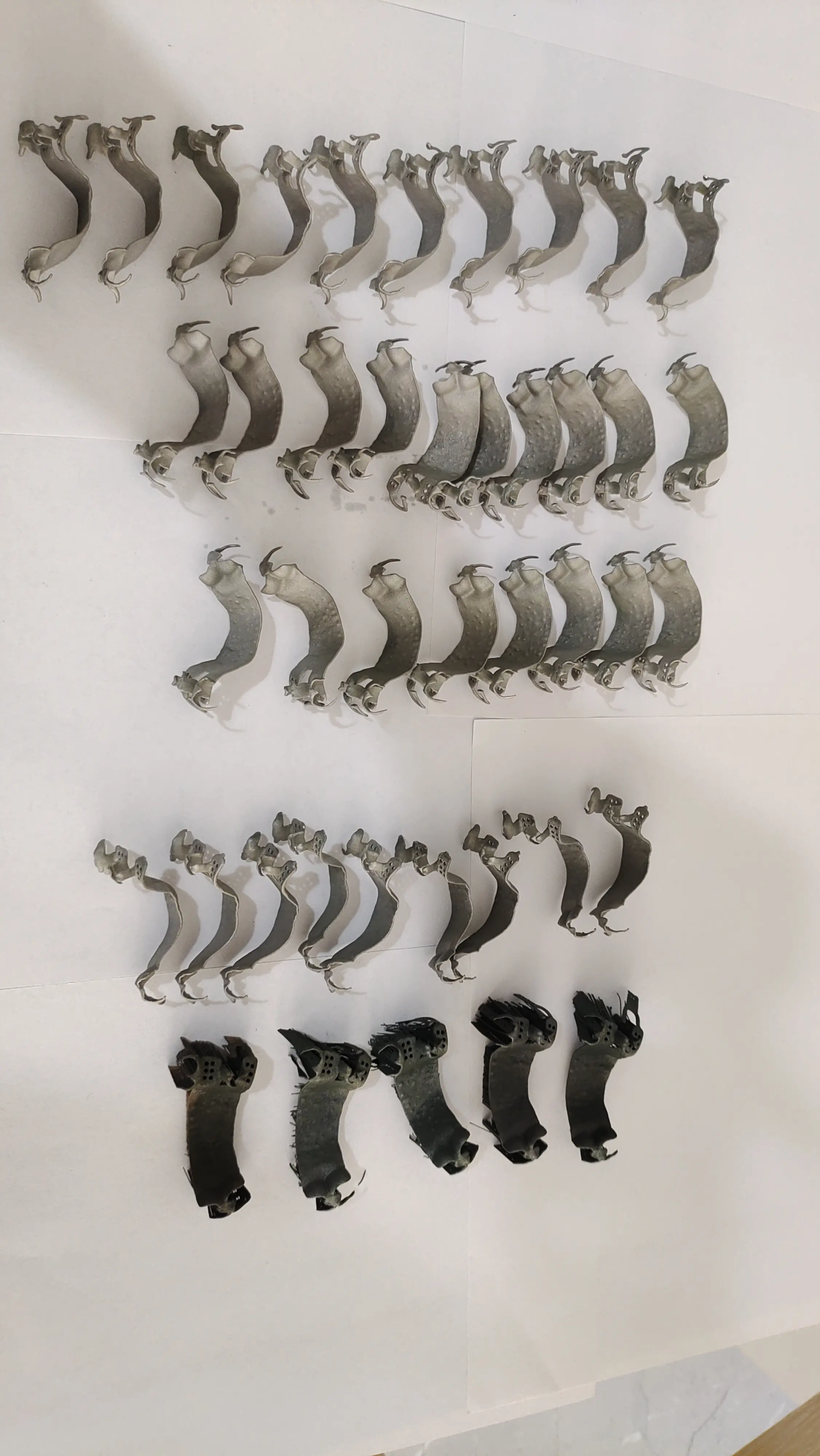
- Complex metal implementations: SLM creates complex parts directly from powdered metals (stainless steel, aluminum, titanium alloys, etc.), achieving amazing detail and structural integrity that cannot be achieved using plastic printers or traditional methods.
- Building accurate printing: The complex Gothic stone, exquisite curtain windows or complex interlocking structures are perfectly recreated without the limitations of printability.
- Excellent strength and durability: Metal Castle is heirloom fragments – powerful, heat-resistant, suitable for demanding applications or permanent displays.
-
State-of-the-art post-processing: Gregthile does not stop printing. They provide complete One-stop servicecomplex processing:
- Use expertise to support removal.
- Precision CNC machining for critical interfaces or perfect mating surfaces.
- Surface finishing: bead blasting, polishing (mirror finishing!), tumbling, heat treatment, anodizing, powder coating – tailored to achieve exact aesthetic or functional requirements.
- Quality inspection.
Whether you need a beautiful component to cover the DIY tower or envision a complete magnificent metal fortress, Custom precision prototypes and end-use parts fast and competitively priced. For castle projects or professional applications that require huge demands, working with professional SLM service providers like Greatlight can unlock new possibilities.
Conclusion: Your Kingdom is waiting
3D printing your own castle is more than just a project. It’s an adventure of creativity, engineering and craftsmanship. From the first spark of inspiration in the design software to the weathered final stroke, the process is in-depth. Whether you are making tiny souvenirs, spacious tabletop views, or dreamy metal masterpieces, tools and knowledge are now at your fingertips.
Start small, learn techniques, embrace the occasional misprint (they happen!), and rise with pride for your unique fortress. Not only do you have obvious imagination, but you can also gain valuable skills in this incredible technique. At those moments when imagination far outweighs the capabilities of desktop printers? Remember, professionals like Rapid prototyping Have the ability to turn the most ambitious metal castle dream into a breathtaking reality.
So start the slicer, load the filament or resin, and then start building your legacy – once.
FAQ: Your castle print query has been answered
Q: I am a complete beginner. Can I really print a castle?
Answer: Absolutely! The beginning is simple and small. Download verified, easy-to-print STL files (such as single towers) or use beginner-friendly software like Tinkercad. The PLA filaments on the FDM printer are the most forgiving starting point. Before working on complex designs, focus on learning the basics of slicing and printing.
Q: How long does it take to 3D-print a castle?
Answer: It changes a lot! A small tower may be printed in 2-5 hours. A large detailed castle is divided into multiple pieces and can take a total printing time of days or even weeks. Factors include model size/complexity, layer height, fill density, print speed and printer. Plan accordingly and be patient.
Q: What are the best materials for displaying castles vs. tabletop games castles?
one: exhibit: PLA (easy to effect), PETG (more durable) or resin (most detailed/smooth).
Tabletop Games: PETG (durable, handled), ABS (hard but difficult to print) or specially formulated "Tough" Resin. Durability is the key to the game.
Q: I’m struggling with the castle and tower support of the castle. Are there any skills?
Answer: Dangling is the root of the castle!
- direction: If possible, rotate the model to minimize extreme overhanging.
- FDM: use "The support of the tree" (In Cura/Pruaslicer) – Usually, they are easier to remove and use less material. Try to increase the support density/overhang angle threshold slightly.
- Resin: Make sure to pack the support densely under each island and any steep overhang. use "Light" or "Medium" Support details. Add extra support manually, while the auto-generated support seems to be very little.
Q: Can I really print castles with metal?
Answer: Yes! But it is not usually on consumer printers. Professional Selective laser melting (SLM) Services, just like the services provided Rapid prototypinghigh-power laser fused metal powder. This produces incredibly strong, detailed and durable metal parts (stainless steel, aluminum, etc.), perfect for heirloom quality replicas, high-end building models or functional components. The process involves huge costs compared to plastics, but it brings unparalleled results.
Q: How much post-processing is really needed?
A: For basic appearance, minimum (remove support, glue parts). For truly professional, realistic finishes, especially on FDM prints, post-processing is crucial. It includes:
- Grinding/Filling: Eliminates layer lines and imperfections.
- Start: Create a unified dock and highlight defects to fix.
- Painting: Make the castle come to life.
- Weathering: Add realism, depth and hide minor flaws. Resin prints require less polish, but still require painting/weathering to achieve realism. Embrace it as part of the artistic process!
Q: Where can I find good castle STL files?
A: Popular repositories include Thingiverse, Printables, Cults3D and Myminifactory. Search with specific keywords ("Modular castle," "Medieval fortress," "Fantasy Tower," "D&D keeps," "+ stl"). Many talented designers offer free paid models. Always check for comments and printable instructions.
Q: I have designed a complex castle, but it keeps failing during the printing process. what should I do?
Answer: Ordinary culprits:
- Model error: Make sure it is manifold/watertight (using automatic repair tools in Meshmixer/netfabb).
- support: Inadequate support for overhangs/islands. Refined settings.
- direction: Change the printing angle for improved stability/detail.
- Speed/temperature: calibration! Print calibration test. slow down.
- Filigree/resin: Ensure dry wire and correct settings; make sure the resin has been calibrated for exposure time.
- printer: Check the level, belt, flow rate (extrusion multiplier).
If the problem persists, consider assigning models or consulting professional services in different ways. Great Provide expert design analysis and feasibility feedback as well as their printing services.