The Frontier of Feline Conservation: Unleashing the Power of 3D Printed Cat Helmets
Our feline companions bring us immeasurable joy, but their adventurous spirit—whether climbing a bookshelf or exploring nature—comes with risks. From recovering from surgery to adjusting to unpredictable circumstances, cats sometimes need an extra layer of protection. Enter 3D printed helmet: A revolutionary blend of technology, security and customization that reshapes the way we protect our beloved pets.
Why do cats need helmets?
It’s not about turning the fluffy into a little astronaut (although they will change the appearance). Helmets address key health and safety scenarios:
- Postoperative care: Cats recovering from head/neck surgery or neurological problems need to protect sensitive areas from accidental bumps or scratches.
- Brachycephalic breeds: Persians and other short-nosed breeds are susceptible to head trauma due to their skull structure; lightweight helmets can reduce the risk of injury in a fall.
- Epilepsy or vestibular disease: Helmets can prevent head injuries during seizures or vertigo.
- Outdoor adventure: For cats traveling in a harness, a helmet can protect against falls, debris or low branches.
- Hyperesthesia: Feline ADHD can lead to frantic scratching; the helmet acts as a physical barrier.
Traditional solutions like foam or fabric cones often fail—they don’t fit, create pressure, impede movement, and don’t protect against impact. Custom 3D printed helmets redefine feline safety standards.
The transformative advantages of 3D printing
3D printing, or additive manufacturing, uses digital design to build objects layer by layer. For a cat helmet, this brings unprecedented benefits:
- Perfect anatomical fit: Using 3D scanning (MRI/CT) or precise measurements, the helmet fits perfectly to your cat’s skull, ears and jaw, eliminating pressure points and ensuring comfort without compromising vision or hearing.
- Lightweight and durable: Materials such as biocompatible nylon (PA12), flexible resins or medical-grade polymers combine feather-light properties with impact resistance, which is critical for cats with their low tolerance for heavy gear.
- Function customization: The helmet integrates features not possible in mass production: ventilation channels for airflow, anchor points for monitoring sensors, openings for tubes or sutures, and a shock-absorbing mesh structure.
- Speed up production: Rapid prototyping reduces design-to-safety time from weeks to days, which is critical for emergency medical cases.
- Sustainability: Material waste is minimal compared to subtractive methods.
The engine behind innovation: precision manufacturing
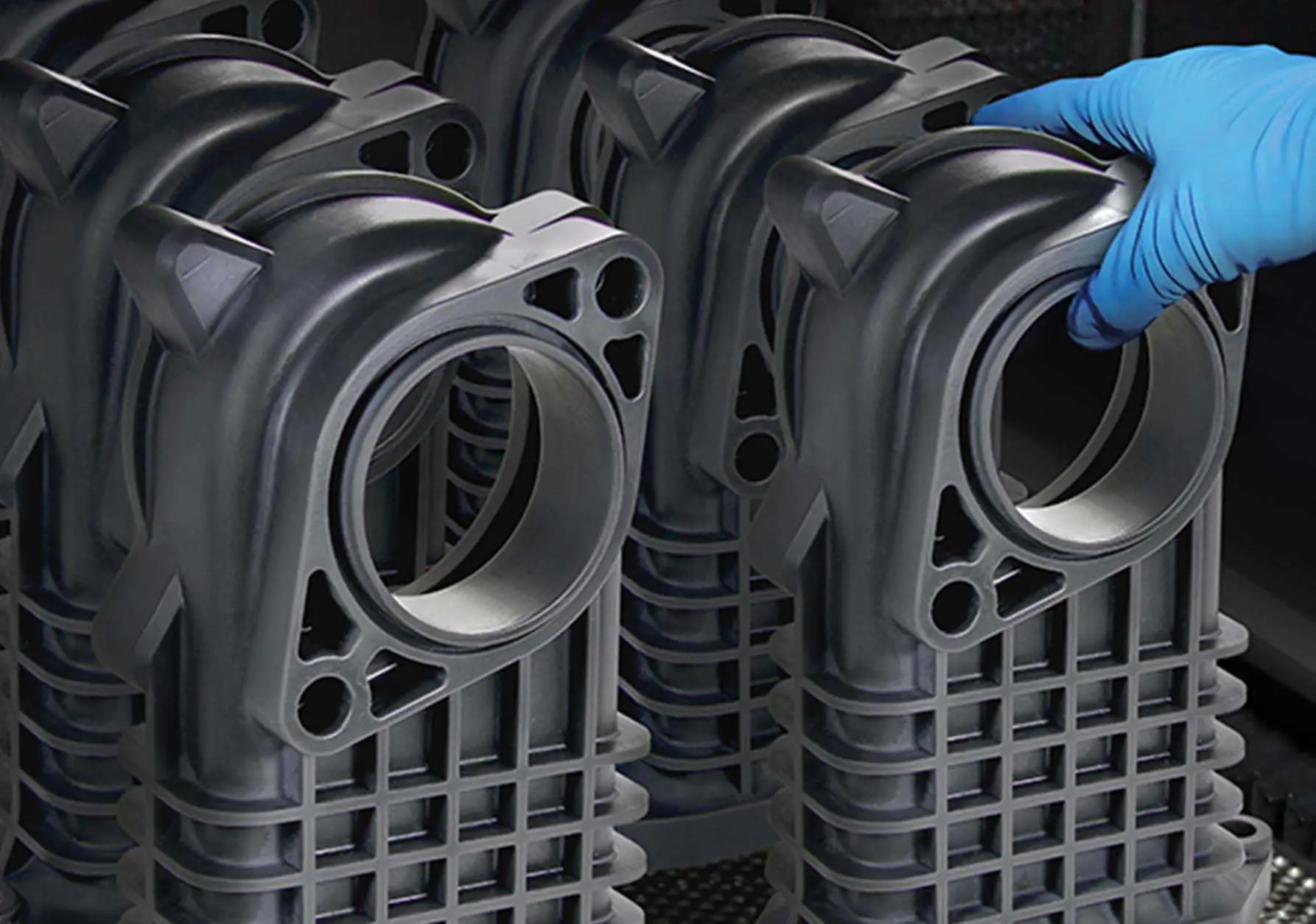
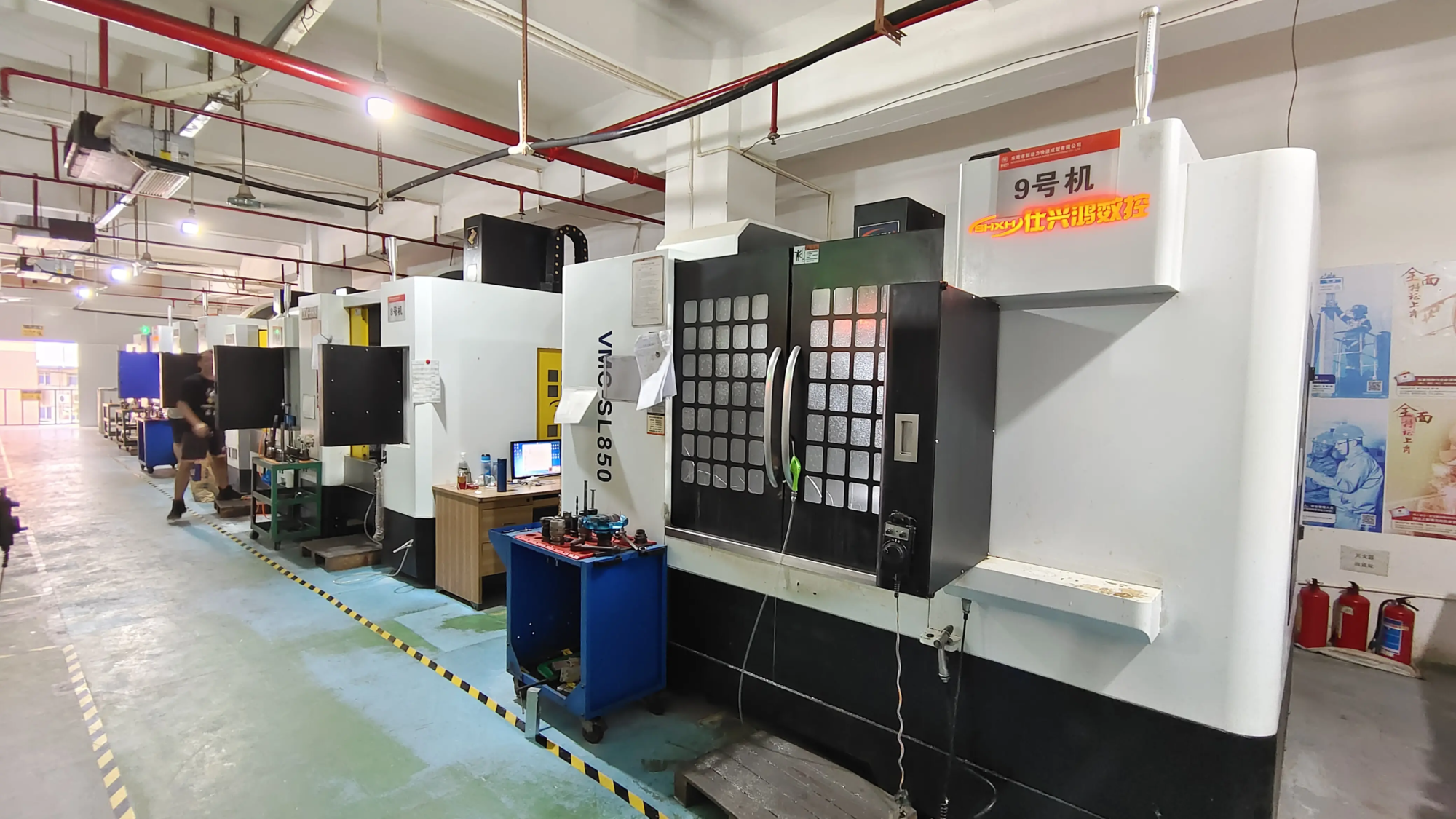
Creating a functional, safe helmet requires cutting-edge expertise. where is this huge light Improve possibilities. As a premier rapid prototyping manufacturer specializing in metal and polymer solutions, GreatLight SLM (selective laser melting) technology Has profound engineering strength:
- Advanced materials: Expertise in biocompatible polymers (e.g. TPU, PEEK) and lightweight metals ensure safety and comfort. Materials are rigorously screened for toxicity and durability.
- Numeric precision: They use CAD/CAM software to convert anatomical data into optimized designs, simulating stress distribution and impact resistance before printing.
- End-to-end service: GreatLight handles everything: design consultation, material selection, printing (using an industrial-grade SLM printer), vibratory polishing of smooth edges, sterilization and quality assurance.
- Customized solutions: GreatLight works with veterinarians to create helmets for specific situations, such as an asymmetrical helmet for cats recovering from ear surgery or a ventilator for pets with short heads. Their quick turnaround accommodates urgent veterinary schedules.
Safety first: strict standards are important
A helmet is only as good as its safety. Key considerations:
- Non-toxic certification: Materials must be FDA/USP Class VI certified or meet ISO 10993 biocompatibility requirements.
- Impact test: The helmet is simulated to absorb impact without breaking.
- Weight optimization: For most adult cats, weight should be kept under 50 grams to avoid neck strain (depending on design).
- Safety Ergonomics: A flexible strap or harness system prevents escape without compromising comfort or skin health. GreatLight features a skin-safe coating.
- Follow-up actions: As healing progresses, the helmet will need to be adjusted—a key advantage of rapid reprinting.
Real-world operability: Customization matters
Imagine:
- A Maine Coon cat recovering from cranial surgery is protected by a breathable mesh helmet.
- A Devon rex prone to seizures is protected in a vulnerable moment.
- An adventurous Bengal cat wearing an aerodynamic helmet during a rock climbing hike.
This condition is now possible, reducing reliance on sedation or confinement and improving recovery outcomes.
Conclusion: The future of feline care is safer and more responsive
3D printed cat helmets represent more than just a niche technology – they are a paradigm shift in proactive pet care. By combining anatomical precision with certified materials, they protect cats during their most vulnerable moments without compromising their natural instincts. Although still in an emerging stage, collaboration between veterinary medicine and advanced manufacturers such as huge light Innovation is accelerating. It shows how customizable engineering can solve a problem—often before mass-market alternatives notice the need. As the technology develops, we’ll see helmets integrating smart monitoring sensors, temperature regulation, and even "crumple zone" Imitate car safety design. Ultimately, it’s about applying human-grade engineering compassion—because furry family members deserve the highest possible safety.
FAQ: Answers to your biggest questions
Question 1: Is a 3D printed helmet safe/comfortable for my cat?
Absolutely. These helmets are made from lightweight, hypoallergenic materials and are custom-fitted to often provide more comfort than traditional cone helmets. Consult your veterinarian to ensure suitability.
Q2: How long does it take to make a custom helmet?
For advanced prototype designs like the GreatLight, turnaround time after design approval is typically 3-7 days. Urgent situations can prioritize faster workflows.
Q3: What materials are used for cat helmets?
Medical grade polymers (flexible nylon, TPU, PEEK) dominate – chosen for their biocompatibility, weight and durability. In rare surgical cases, metal (titanium/aluminum alloy) may be used for structural support.
Q4: How much does it cost to customize a helmet?
Costs vary widely ($200-$800+) depending on complexity, materials, and customization. Rapid prototyping minimizes overhead compared to custom handcrafted solutions.
Q5: Can helmets prevent head injuries during falls?
Yes, the design incorporates impact-dissipating structures (like lattice) to absorb impact, uniquely protecting brachycephalic breeds or unstable cats beyond the capabilities of soft materials.
Q6: How do I purchase a helmet for my cat?
Begin by confirming medical needs with your veterinarian. Providers like GreatLight work directly with veterinary clinics for measurements and design. Owners often share scans/photos of cats.
Q7: Can a helmet replace an electronic collar?
Usually yes – for surgical protection, neurological disease or trauma risk – but check with your veterinarian. Cones remain a simple solution for obstructing access to wounds.
Q8: Can these helmets be reused/modified?
For chronic conditions, upgraded designs are possible. Due to hygiene regulations, most helmets are disposable/single condition specific.
Embracing 3D printing isn’t science fiction; it’s reality. It is a strategic safety product made specifically for your cat. To explore partnerships for custom surgical or protective pet solutions with rapid prototyping expertise, industry leaders such as huge light Pioneer efficiency and innovation – because hands-free treatment is finally made for paws.