Unlock your entryway: achieve DIY style with custom 3D printed coat hooks
Have you ever had an argument with a store-bought coat hook? Flimsy plastics break easily, one-size-fits-all designs clash with your vibe, and nothing will fit perfectly in that awkward corner. What if you could design exactly What do you need—sturdiness, style, and the perfect size—and print it yourself? Welcome to the free world of DIY 3D printed coat hooks! It’s more than just a hanger for coats; it injects personality into your space and solves organizational challenges with creative engineering.
Why 3D printing dominates the field of coat hooks:
Forget about limited choices and boring designs. 3D printing offers you advantages over other methods:
- Unleash your creativity: Design quirky animal shapes, stylish geometric shapes, botanical patterns, personalized initials or simple cylinders. Your hallway becomes your gallery.
- Perfect fit guaranteed: Got an oddly shaped alcove? Need a precise hook setting for a large coat? Design hooks to match your exact dimensions and wall contours. No more stability!
- Important Powers: Choose engineering-grade filament or even metal as hooks to handle heavy winter coats and loaded shopping bags. Engineered with reinforced mounting points for rock-solid reliability.
- The bliss of rapid prototyping: Found a flaw? Adjust your digital design and reprint overnight. Perfect ergonomics, aesthetics or functionality with minimal cost and time.
- True cost effectiveness: Avoid paying for branded markups or unused features in store-bought packages. Print only what you need and possibly reuse filament waste.
Make your own hook: a step-by-step DIY guide
Ready to design?
-
Concepts and Measurements:
- How is the atmosphere? Modern? rural? Is it fun?
- Measure the space: How many hooks are there? How much weight must each hook hold? What is the spacing? Check stud position!
- Deciding on installation: screws into drywall (requires anchors), studs, or integrated adhesive pads?
-
design:
- software: Beginner: Tinkercad (web-based, intuitive). Intermediate+: Fusion 360, FreeCAD (free, powerful parametric design), Blender (organic shapes). Find pre-made designs on Thingiverse or Printables, but customize them!
- Key design tips:
- Thick sole: Mounting area must Large enough (for example, at least 5-6 mm thick around the screw holes).
- Reinforced hook neck: Where the hook curves downward from the base – avoid sharp corners (use fillets/radii) and ensure sufficient thickness/volume of material to resist shear forces.
- direction: Print hook that lays flat on the back? Or upright? Flat will generally minimize support and increase strength on the hook profile, but consider layer adhesion within the hook curve. It might be cleaner to stand upright. If you’re not sure, test both directions!
- Add talents: Integrate text, graphics, logos or sculptural elements. Remember: function first, form later!
-
Material selection:
- People’s Liberation Army: Affordable, easy to print, and rich in color options. Best hook for light use in cooler areas. Will deform under sustained load/heat.
- Polyethylene glycol: Tougher, more durable, chemical/UV resistant, flexible layer adhesion. A great all-purpose choice for medium sized hooks.
- ASA/ABS: High heat resistance, UV stability (suitable for outdoor/garage), stronger than PLA. Enclosure and ventilation required due to fumes. Best suited for demanding environments.
- nylon: Extraordinarily strong, flexible and wear-resistant. Printing is challenging (requires high temperatures, drying filament, enclosed chamber). Ultimate durability under heavy loads.
- Metal (via SLS/SLM): Ultimate strength, rigidity and premium aesthetics (stainless steel, aluminum alloy). Required for extreme loads or industrial/commercial environments. (Not a DIY enthusiast – will need a professional service like GreatLight – see below).
-
print: Optimize settings!
- Floor height: 0.2mm – 0.3mm Balance speed and strength.
- Circumference/Enclosure: At least 3-4. Create thick exterior walls.
- filling: 40%+ (grid, gyroscope, triangle). The higher the percentage = the stronger the hook. Dense around the mounting point/hook neck.
- support: use "Touch build board only" Used for complex overhangs (like deep hooks). If possible, avoid providing support on functional surfaces. Tree supports can be effective.
-
Post-processing: Optional, but improves appearance.
- Sand (start coarse and finish fine).
- Prime and paint (use appropriate plastic primer/paint).
- Smooth with solvent vapors (safety precautions required).
- Clear coat preserves paint/filament color.
- Install: Use the appropriate size screws and anchors (wall plugs) for your wall type and hook’s load-bearing capacity. Make sure the wide head of the screw matches the mounting hole.
Beyond PLA: When DIY meets high-performance needs
For hooks that withstand heavy loads, all-weather outdoor exposure, or demanding commercial environments, hobbyist filaments are stretched to their limits. This is where industrialization comes in Metal 3D printing Possibility of changing:
- Unparalleled strength: Stainless steel, aluminum, and titanium alloys can withstand tremendous force, vibration, and abuse.
- Extremely durable: Anti-rust, temperature-resistant and scratch-resistant. The service life is decades.
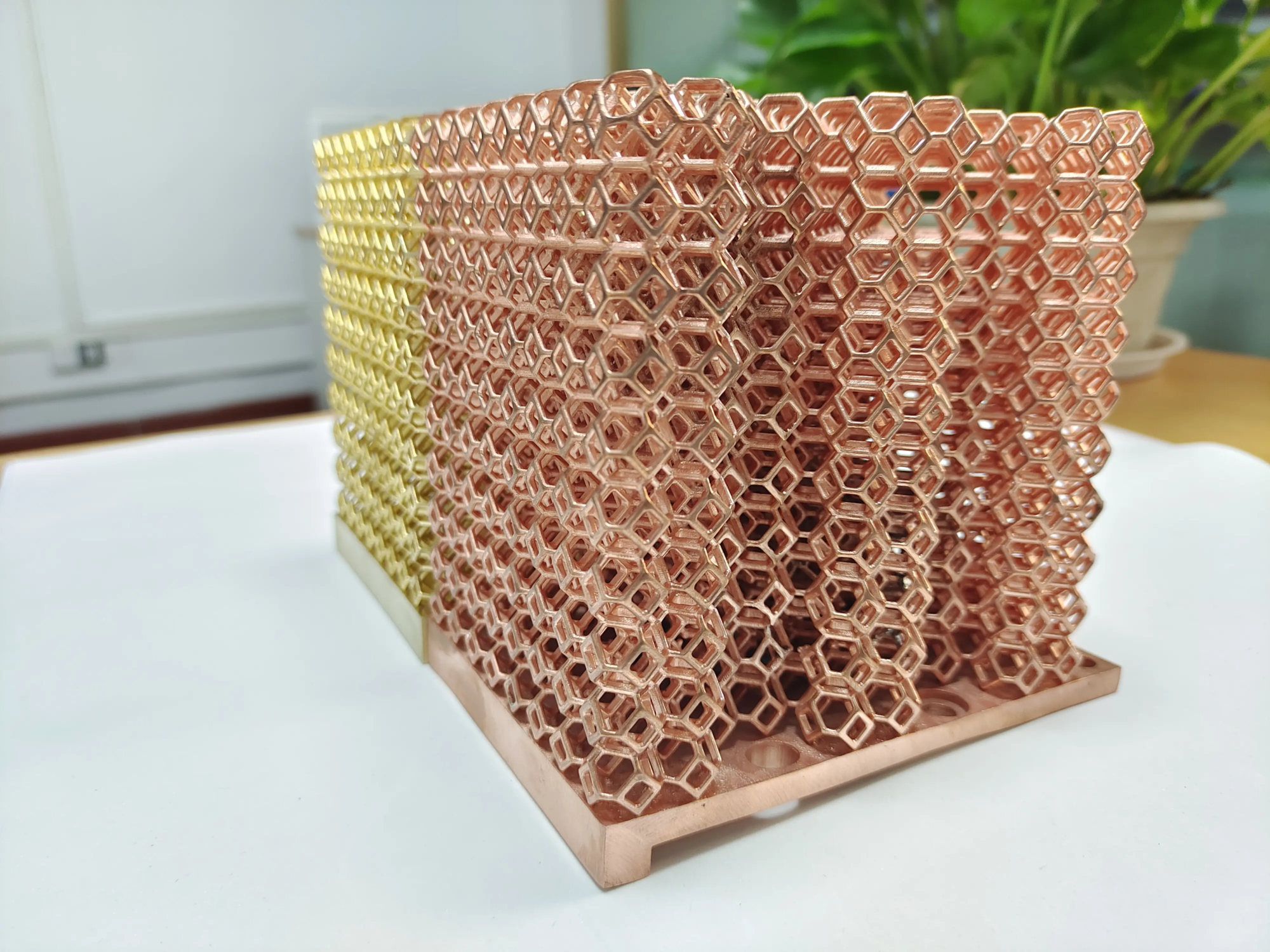
- Sleek and precise: Achieve complex, elegant designs not possible through machining alone. Consider integrating seamless curves and hollow structures to reduce weight without sacrificing strength.
- Professional completion: High quality metal prints can be polished, sandblasted or plated for a premium look.
Why outsource metal printing? Choose Gretel:
While DIY printing is fun, creating sturdy, load-bearing Metal Coat hooks required Industrial Selective Laser Melting (SLM) Technology and expertise. This is the place to work with professionals like huge light shine:
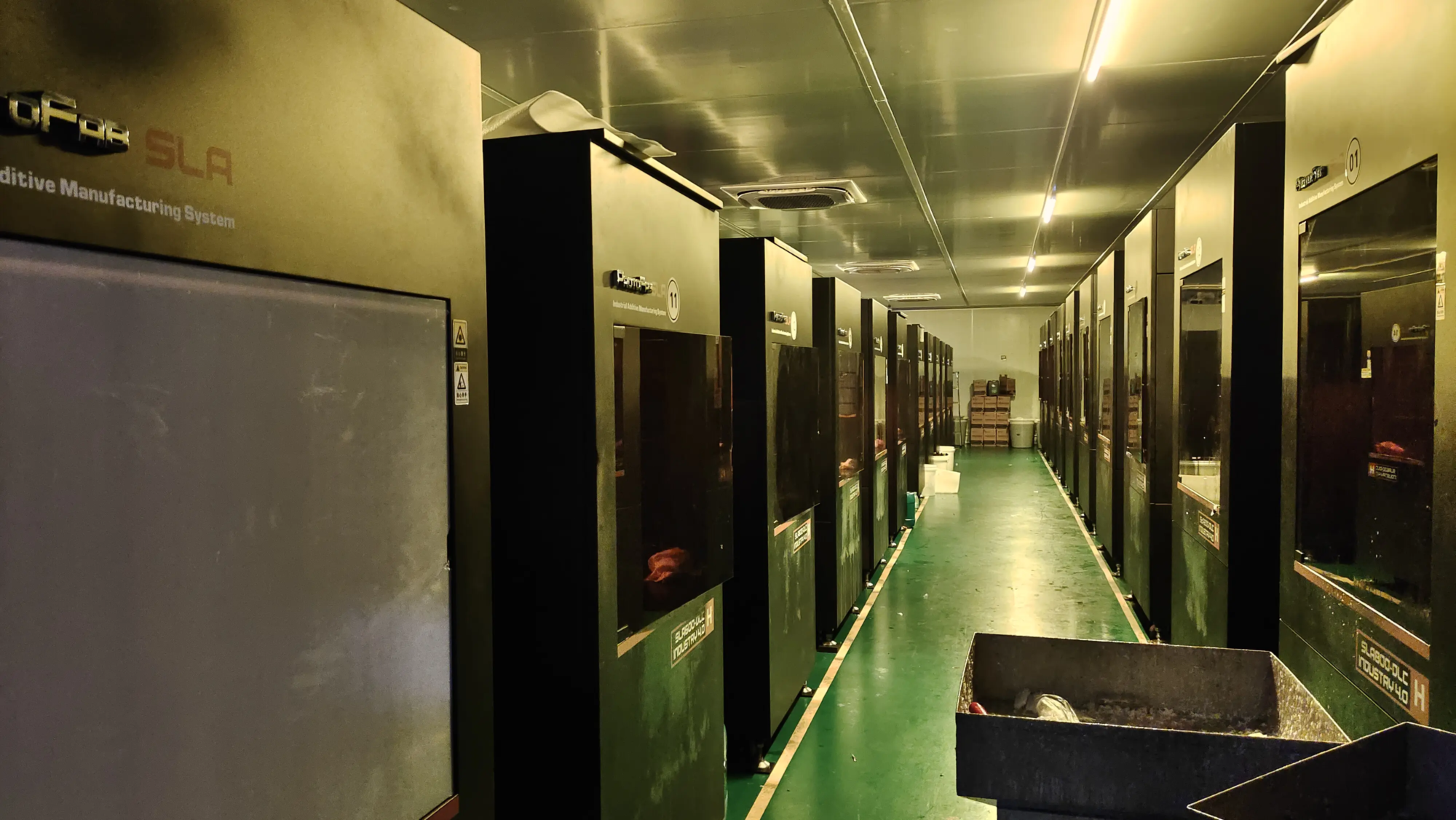
- Advanced SLM 3D Printer: State-of-the-art equipment ensures excellent material fusion, density and dimensional accuracy of metal parts. Consistent results every time.
- Material mastery: With expertise in processing a variety of metals including stainless steel, aluminum alloys, titanium, and Inconel, we can tailor it to your specific performance needs.
- Designed for Strength: Our team optimized the design for additive manufacturing to maximize the hook’s integrity under load, including an internal lattice structure that optimizes weight without compromising functionality.
- End-to-end solution: In addition to printing, GreatLight offers comprehensive Post-processing Serve:
- Critical stress relief heat treatment.
- For precision CNC machining of mating surfaces or threads.
- Surface treatment (grinding, polishing, sandblasting, electroplating).
- Strict quality control testing.
- Rapid prototyping expertise: Need iterative testing? We turn around metal prototypes faster than traditional manufacturing, accelerating your project.
- Scalable Precision Manufacturing: Whether it’s a carefully crafted statement piece or a batch of products for installation, we deliver consistently high quality.
- Competitive customization: Professional grade metal part production without the high cost. We deal with complexity effectively.
Conclusion: Your space, your style, your solution
3D printed coat hooks combine personalized design with practicality. DIY printing with filament enables home creators to creatively solve everyday problems. However, for scenarios that require superior strength, longevity and a luxurious finish, metal 3D printing can unlock a higher level of functionality. company likes huge light Bridging this gap, introducing professional-grade materials and manufacturing techniques, such as advanced SLM metal printing and professional post-processing, transforms custom hook designs into a durable, high-performance reality. Stop fighting against ready-made solutions. Embrace design freedom—outline your vision, choose your materials, and print the perfect anchor for your outerwear and style.
Frequently Asked Questions About 3D Printed Coat Hooks
Q: How much weight can a 3D printed coat hook bear?
A: This highly depends on the material, design, print settings (fill, shell), mounting method and wall construction.
- People’s Liberation Army: Only suitable for light duty (reliable up to 2-5 kg). Best for scarves/lightweight jackets.
- Polyethylene glycol: Significantly better (5-15 kg+, with good design and installation). A common choice.
- ASA/ABS/Nylon: Robust (with optimized design and installation, weight can exceed 20-30 kg).
- Metal (SLM): If designed properly, high-strength metal hooks can easily carry upwards of 50-100 kilograms per hook. Regardless of material, always reinforce mounting points in your design and anchor to wall studs wherever possible to withstand heavy loads.
Q: How thick should the base/mounting plate be?
Answer: This is critical! For screw-mounted hooks, the base around the screw holes should At least 5-6mm thick. This distributes the tensile force over a larger area and prevents breakage. Thicker manufacturers rarely adversely affect strength.
Q: What anchors/screws should I use?
A: Match them to your wall type:
- Drywall: Use a heavy-duty plastic wall plug ("anchor point") is rated for the weight of the hook. Choose the right size for the plug (e.g. M5/M6 screw hole > use larger plug).
- Studs (ideal): Use long screws (>50mm) to screw directly into the wood studs. No plug required. Make sure your hook is designed to fit the screw head.
- ceramic tile: Use specialized tile anchors. Drill slowly!
- Metal/Rock: See hardware details. Use bolts and anchors designed specifically for masonry/metal studs.
Q: What fill percentage should I use?
Answer: For structural hooks, 40% or higher recommend. increase to 50-60% Suitable for hooks that use low infusible materials (such as PLA) to bear heavier loads. Focus on filling patterns like triangles or gyroscopes to improve impact resistance.
Q: Can I print coat hooks vertically?
Answer: Yes, but there are trade-offs:
- advantage: Reduced visible layer lines on hook curves, hook surface may be smoother "arm." Bracing can be avoided entirely.
- shortcoming: The layer bonding line runs vertically up the neck/bottom of the hook. This creates a weak point that is susceptible to shear forces, as the layers can delaminate when pulled downwards. Horizontal/flat printing generally results in better strength in critical bend/stress areas. If printing vertically, ensure excellent layer adhesion (calibrated extruder, proper temperature).
Q: Are 3D printed hooks safe?
Answer: Yes, If designed correctly. Prioritize strength in material selection and structural design (reinforced mounting plates, hook necks). Slightly over-engineered. It is crucial to secure the anchors/screws into a solid structure. Avoid hanging heavy objects without support. For high stress applications, metal printing is done through professional services such as huge light Provide the ultimate security guarantee.
Q: If I provide STL, can Honglait print the hook resin directly?
Answer: Of course! GreatLight specializes in rapid prototyping and manufacturing excellence. Whether you need a durable plastic prototype made from a resin/mineral cast grade material optimized for hooks or you need unparalleled strength Custom Metal (SLM) Printed Hooks (Ideal for demanding applications), offered by GreatLight. We take care of the entire process—optimized design for manufacturability, professional printing, necessary post-processing, and rigorous quality inspections—to ensure the hooks are functional, beautiful, and durable. Customize your precision parts today Wei Guang Industrial Co., Ltd..