Unlock Precision Coin Management: An Expert’s Guide to DIY 3D Printed Sorting Machine
Tired of the boring jingle of change? Frustrated by manually counting pennies, nickels, dimes, and quarters? Overflowing coin jars have value, but how to obtain it efficiently has been a pain point. Welcome to elegant solutions: 3D printed coin sorter. This isn’t just another tip; It’s a combination of practical DIY ingenuity and precise functionality unleashed by easy-to-use 3D printing technology. Build your own tangible tools to overcome everyday chaos.
Why 3D printed coin sorters are so popular:
- Accuracy and speed: Automatic separation of coins based on diameter (and sometimes weight/thickness in advanced designs) greatly speeds up sorting compared to manual filtration.
- custom made: Adapt to your major coin set (US, EU, UK, CAD, AUD) or adjust the hole size for older/foreign coins. Design the funnel, collection tray and mechanism exactly to your needs.
- Affordability: Use off-the-shelf plastic filament (PLA/PETG) – much cheaper than buying a commercial sorting machine. Your printer takes care of production.
- Learning and fun: This project combines CAD basics, practical mechanical principles, and the immense satisfaction of creating a functional tool.
- Repeatability: Print copies for gifts, community projects, or businesses that need efficient change counting.
Embark on a DIY Coin Sorting Journey: Core Steps
-
Draw your design blueprint: Before clicking “Print”, conceptualize an embodiment of a classifier. Popular methods include:
- Hole Slide Sorter: With vertically stacked layers, the holes become progressively smaller. Coins cascade down, falling through the first hole that is large enough (e.g., quarters > pennies > nickels > dimes). Simple, effective, minimal moving parts. Best for global coin systems.
- Slide rail/ramp sorter: The coins slide down an inclined track/channel, with slots positioned to collect coins of specific sizes based on diameter. Provides smooth flow but requires stable ramp design.
- Drum/cylinder sorter: The coins enter a rotating cylinder with carefully placed holes/slots – rotation and gravity aid in separation. Mechanically a little more complicated, but fun to watch!
- Lever/Rocker Sorter: Features a rotating tray in which coins settle and activates a lever mechanism that guides coins to the correct bin. Interesting mechanical design challenges.
-
Find the perfect size – Coin measurements are important: For hole sliding sorter, Accuracy is critical. Calculate the aperture carefully:
- Smallest coin sorting hole: Set it up a bit bigger than the largest diameter coin you want to pass through it. (For example, if you are sorting US coins and want the quarter to fall first: US quarter diameter ≈ 24.26 mm → hole ~ 24.3-24.5 mm).
- Biggest coins intercepted: The hole must be smaller Larger than the next largest coin diameter to ensure it doesn’t drop prematurely. (Example, next coin: US Penny ≈ 19.05mm → hole must be >19.05mm to catch the penny after the quarter is dropped, e.g. approximately 19.1-19.3mm).
- Safety margin: Allows for slight printing tolerances and minor irregularities on coins; includes a 0.1-0.3 mm buffer depending on printer accuracy.
- Depth is important: The hole/throat needs to be of sufficient depth/chamfer to prevent the sides from getting stuck.
-
Tool Selection – Designing Digital Masterpieces: Take advantage of intuitive CAD tools:
- Tinker CAD: Very suitable for beginners. Easily create hierarchical hole classifiers with precise hole locations. Combine shapes effectively.
- Fusion 360: Provides powerful control over complex geometries such as curved ramps, detailed collection bins, and intricate mechanisms. Very suitable for parametric modeling.
- Free CAD: A powerful open source alternative.
- Extra tips: Take advantage of the built-in measurement tools! Design within real-world constraints.
-
Print Perfectly: Settings Matter
- Material selection: PLA+ or PETG are highly recommended. PLA is easy; PETG has excellent layer adhesion and durability. Avoid using brittle resins for functional parts.
- Button settings:
- Floor height: 0.15mm – 0.2mm for smooth coin path and tight tolerances.
- Wall/Perimeter: At least 3-4 layers to ensure structural integrity around the hole.
- filling: ~30% (e.g. Gyroid mode) balances strength and efficiency.
- Support/Bridge: Crucial for angled ramps or overhanging holes/boxes. Effectively enables dynamic supports.
- calibration: Calibration is non-negotiable. Make sure the extruder is clean, the belts are tight, and the bed is perfectly flat. Print a test cube to verify dimensional accuracy forward Invest time in the sorter.
- Final countdown – assembly and fine-tuning:
- Carefully remove the support (scissors, tweezers). Light grinding around coin contact points optimizes flow.
- For multi-part designs: Use an adhesive suitable for your filament (superglue or epoxy). Ensure precise alignment.
- Regression testing: Test thoroughly! Repeat the run with different denominations of coins, and if the coin keeps getting stuck at a particular point, adjust the angle, hole size, or slope.
Beyond plastic: When your vision requires industrial precision and durability
While FDM printers make excellent sorting machines for hobbyists, truly demanding applications require professional-grade solutions: HVAC coin trays in heavy-duty retail counters, industrial sorting batch production systems, permanently detailed collector displays.
This is the advantage of Ferrite industrial rapid prototyping technology:
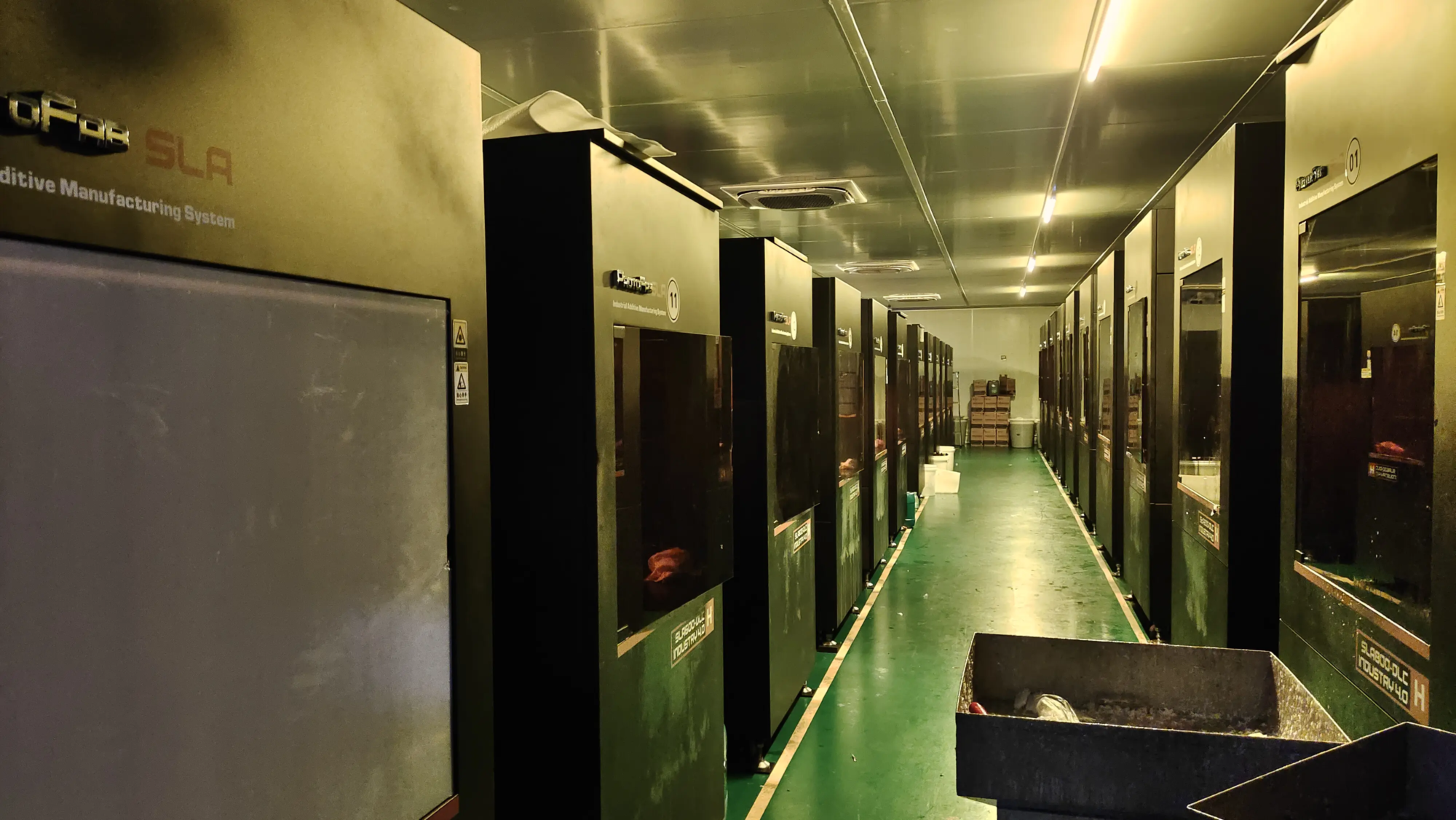
- Unparalleled precision: Our SLM (Selective Laser Melting) technology uses high-power lasers to melt metal powders with micron-level precision. Achieve functional prototypes or end-use parts with apertures that accurately match nominal coin specifications (±0.05 mm tolerance achievable). Ideal for precision sorting facilities.
- Metal Mastery: Go beyond plastic prototypes. Print rugged and durable parts in:
- Stainless steel (316L): Master ease of cleaning and corrosion resistance – best for practical use.
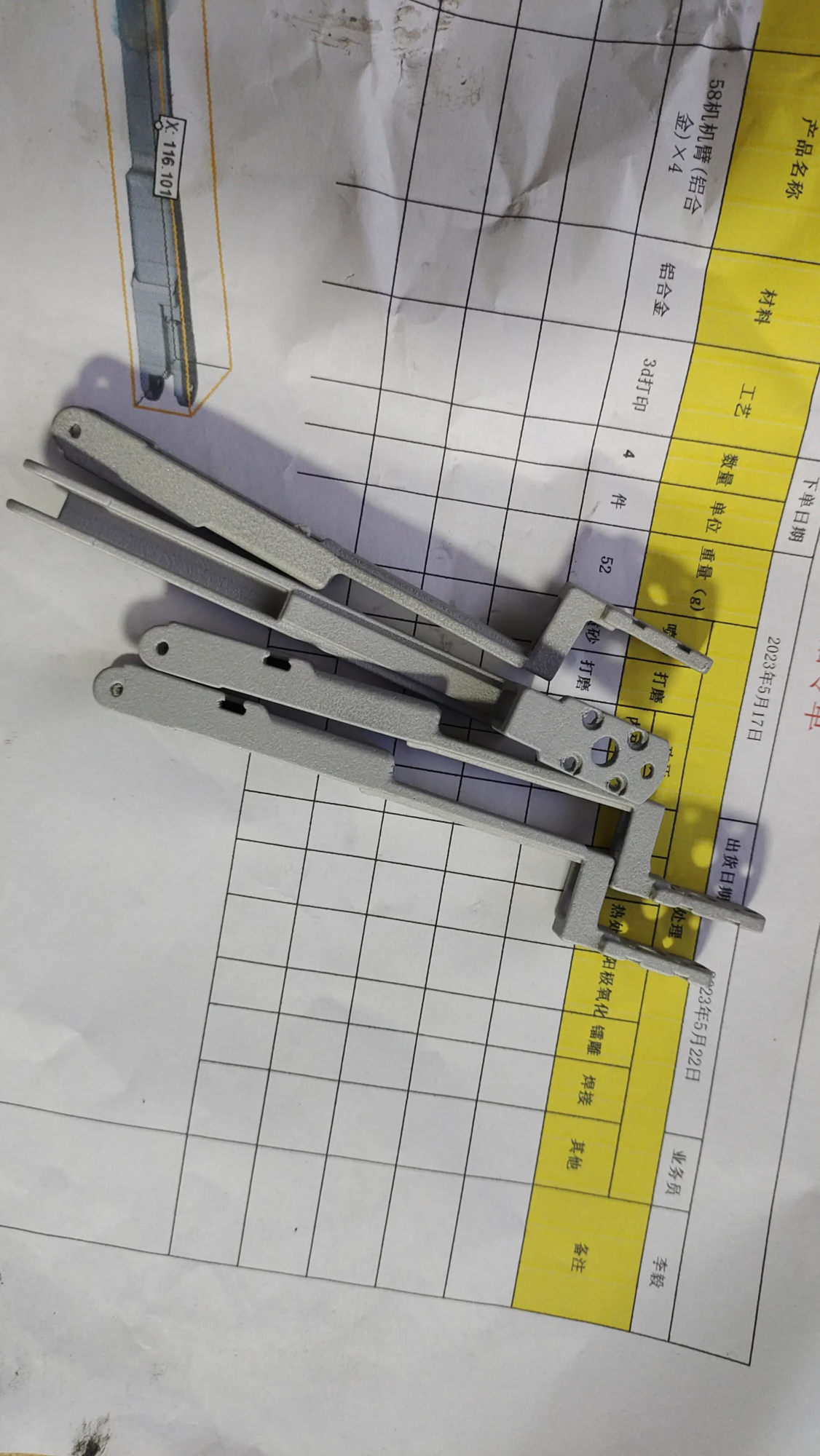
- Aluminum alloy: Enables lightweight yet strong body parts with excellent thermal conductivity.
- Tool steel (e.g. H13): Suitable for interacting layer/sorting chutes requiring extremely high wear resistance over thousands of coin impacts.
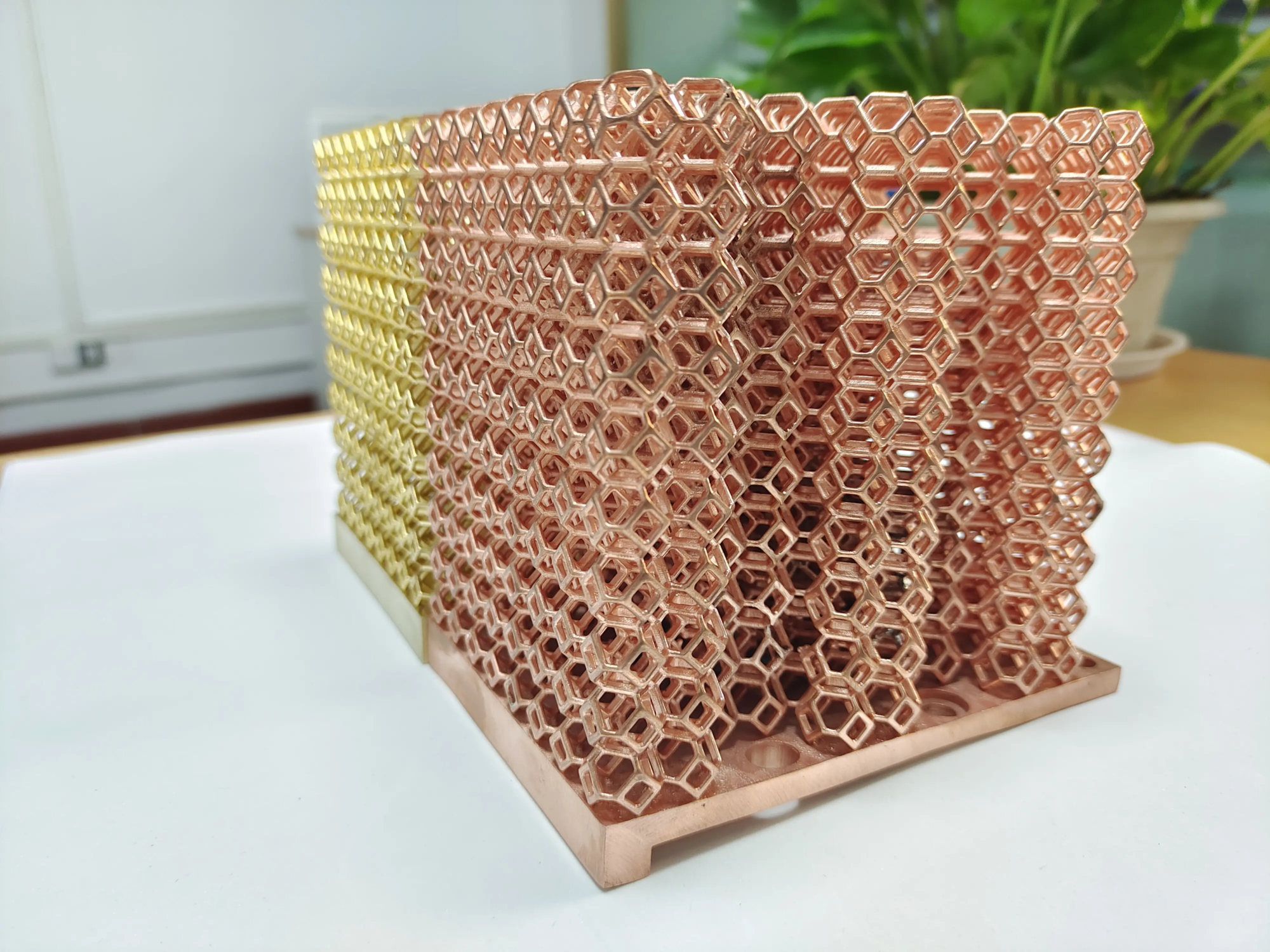
- Copper alloy: Imagine a frictionless channel of copper coins?
- Release complexity: SLM enables designs that cannot be achieved by machining: complex internal channels, optimized coin flow baffles, lightweight grids combined with strong impact surfaces, seamlessly integrated collection bins.
- Final functional prototype: Directly bridge to advanced prototypes capable of handling rigorous operational requirements without waiting for tools. Ideal for startups launching commercial-grade products.
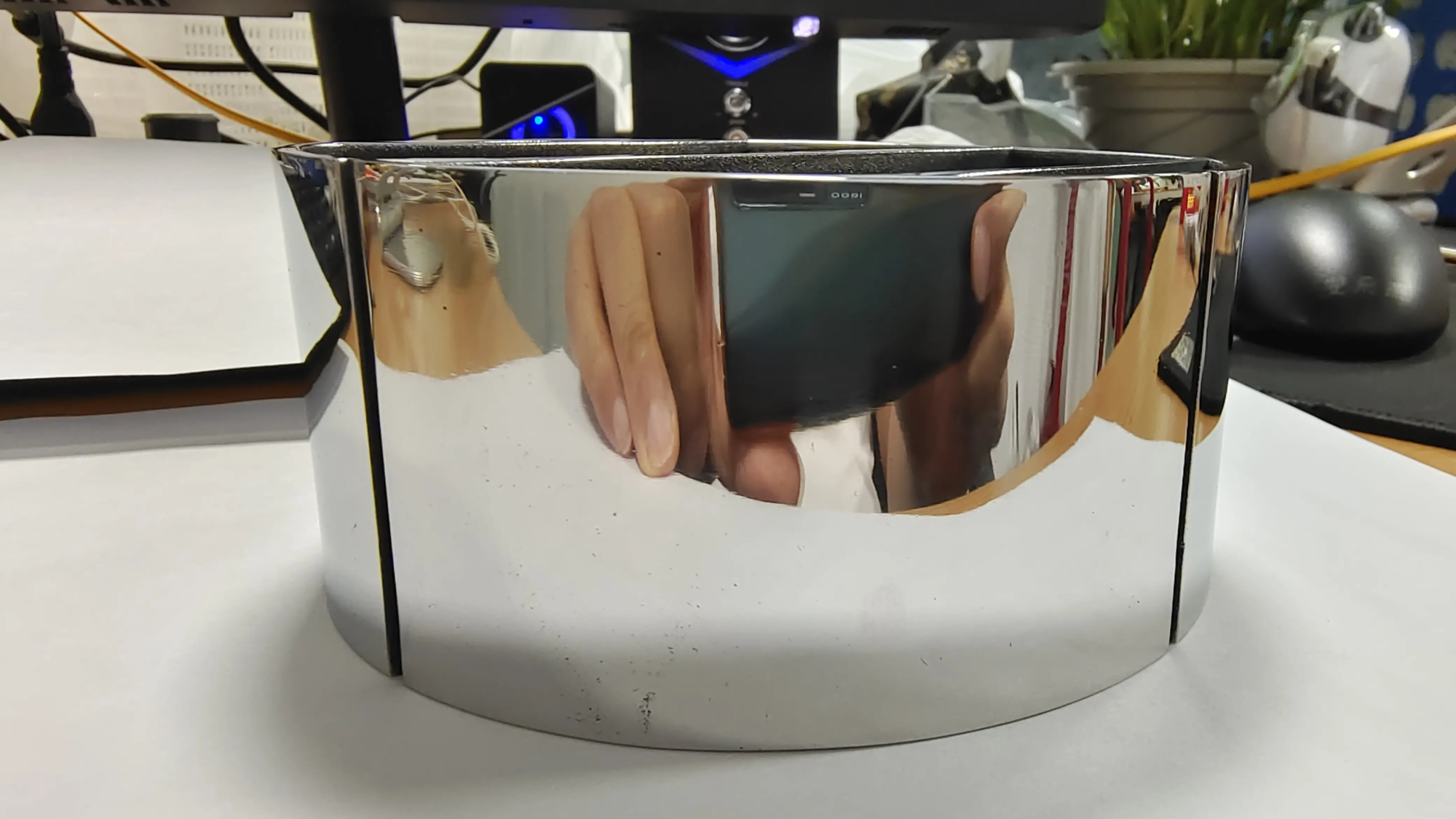
- Rugged finish: In addition to printing alone, you can also take advantage of GreatLight’s One-stop service: Precision machining (ultra-fine hole alignment, critical surface milling), polishing the coin path to a frictionless mirror finish, smooth sharp transitions to ensure coins don’t get stuck when dropped; electroplating, sand blasting or stable protective coating (anodizing).
Conclusion: From Chaos to Coin Control
DIY 3D printed coin sorters allow you to simplify mundane tasks with personalized, tangible technology. this "flow" Coins visibly fall into sorted bins, a uniquely satisfying triumph over chaos – a tangible manifestation of CAD skills and manufacturing principles.
For ambitious manufacturers prototyping commercial designs with reliability in mind, or those seeking perfect metal structures not possible through traditional methods, GreatLight is ready. We push rapid prototyping beyond limits: leveraging advanced SLM technology and supplemented by professional post-processing, "Prepare to deploy" Precision metal coin sorting solutions are tailored to stringent benchmarks – well beyond hobbyist-level limitations.
Ready to transform chaotic coin management into elegant efficiency? Whether uploading an optimized STL for industrial metal printing or initiating a conversation about developing a single precision sorting solution – GreatLight delivers prototypes with intent, designed for execution. Explore our additive metal manufacturing possibilities today.
FAQ: Answers to your 3D printed coin sorting machine questions
-
Q: What printer do I need?
- one: Any reasonably calibrated, medium-resolution FDM printer will work. However, CoreXY/I3/MK3S Designs often have superior dimensional consistency compared to mass production "Budget" Machines struggle with variable tolerances.
-
Q: Which filament works best?
- one: Prioritize PLA+ or PETG filament – effective balance of stability and strength.
-
Q: Why are my coins stuck?
- one: Carefully diagnose the origin: print wider than design? ↣ Check the calibration/z-step parameter > widen the hole slightly. Filament driven binding? ↣ Dramatically smooth edges. Coin tilted horizontally? ↣ Increased throat depth/dramatically modified slope angle. Layer gaps or inconsistencies? ↣ Verify extruder functionality/steps/mm.
-
Q: Can I design an international coin sorting machine?
- one: Absolutely indispensable! Research the exact diameter/thickness of currencies mixed together – British pounds, euro cents, Canadian dollars. Design supports adaptive hole layers/channel gaps with different size thresholds. Parametric models allow for quick scaling modifications!
-
Question: How would you classify pennies from around 1982?
- notes: Older ones have copper bulk; newer ones have galvanized core.
- one: Mechanical challenge by purely geometric methods only ↣ Alternative repetition "funnel" Strategies to exploit coin weight thresholds achievable with internal miniature load cells. Easier: Manual initial sorting by year magnet coupons.
- Q: Can GreatLight be printed? actual coins?
- one: The key is ↣🍂 No 🍂↣ Globally, exchanging currency remains an illegal state prerogative. Hong Laite production precision sorting contain Architecture that facilitates compliant coin aggregation processing workflows—never replicating global fiat currency assets protected by historical legislation.
Optimized coin management or industrial-grade metal sorting solutions are still achievable. Embrace DIY ingenuity – When precision is crucial, partner with proven mechanized prototyping techniques.