Uncovering the future of robotics: The rise of 3D-printed crab robots
The world of robotics is constantly evolving, taking inspiration from nature to achieve feats once thought impossible. One of the most fascinating recent examples is the development of bionic robot crabs. These agile machines mimic the complex movements and adaptations of crustaceans and represent a fascinating fusion of bionics and cutting-edge manufacturing. The core of their creation lies in Advanced 3D printing technologyspecial Selective Laser Melting (SLM)plays a key role in transforming complex designs into functional reality.
Why crab? Nature’s engineering genius
Crabs possess extraordinary locomotive abilities – navigating rough terrain, squeezing through tight spaces, resisting strong currents, and even plundering sideways. Their segmented legs, articulated joints and strong yet lightweight exoskeletons present a fascinating engineering blueprint. Electronically replicating this biomechanical complexity is a significant challenge, requiring manufacturing technologies capable of producing parts with complex geometries, internal channels, embedded features and high strength-to-weight ratios. This is where traditional manufacturing often struggles, but 3D printing is thriving.
3D printing: The engines that power robotic crustaceans
Robotics engineers are increasingly turning to metal powder bed fusion technologies, such as SLM (Selective Laser Melting) Overcome the barriers inherent in building complex bionic robots:
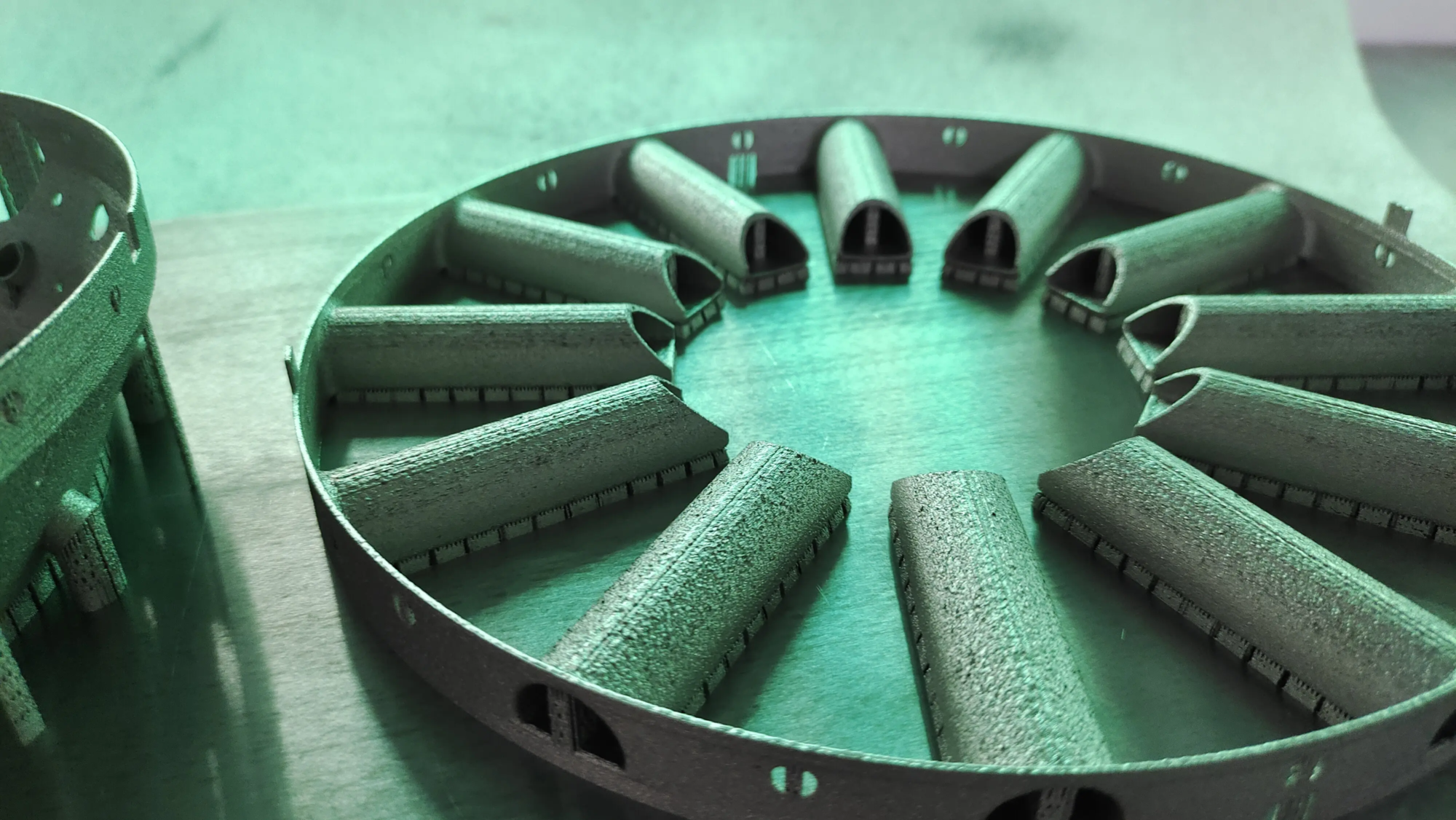
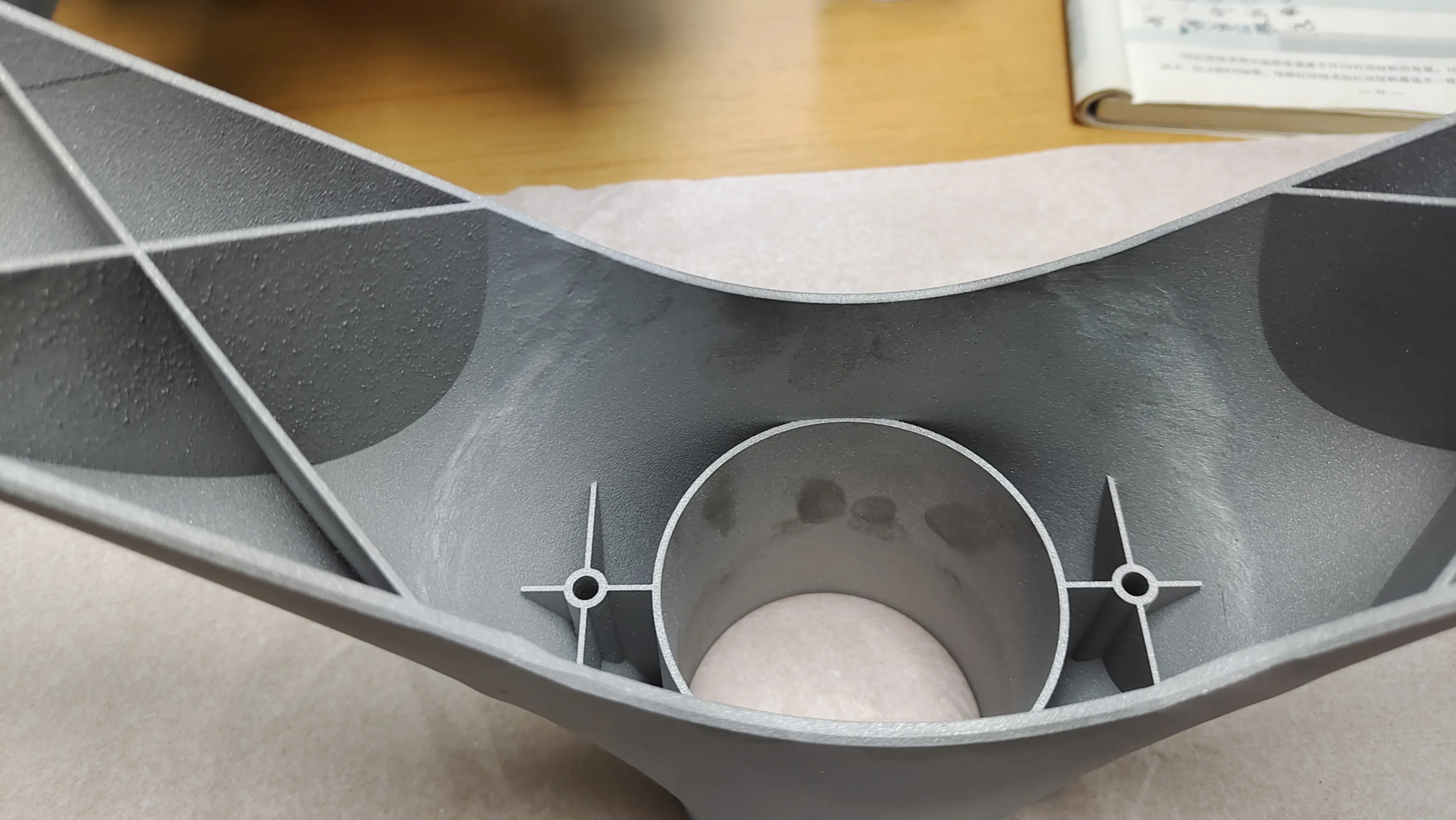
- Complex geometry becomes real: Crab robots require a large number of small, interconnected parts in unusual shapes—multi-jointed legs, articulated claws, complex exoskeleton sections for protection and flexibility, and internal channels for wiring or hydraulic/pneumatic lines. SLM additively manufactures parts directly from powdered metal layer by layer, enabling the creation of these complex, organic-like geometries with internal structures not possible through milling or casting. This makes true bionics possible.
- Lightweight efficiency: Speed and agility are crucial. SLM specializes in producing lightweight components through topology optimization. Software algorithms can create lattice structures inside (similar to bones) or create hollow sections within solid walls, maximizing strength while minimizing unnecessary mass. This enables the robot to perform fast, energy-efficient movements, which is crucial for real-world applications.
- Important Powers: Despite their light weight, critical components such as leg joints, load-bearing structural members and claws must withstand significant stress and potential impact. SLM uses high-performance alloys (such as titanium Ti6Al4V, aluminum alloys, stainless steel – 316L, maraging steel) to produce parts with density and mechanical properties superior to many traditional casting methods and comparable to forged materials. This ensures durability and reliability.
- Integrated features and integrations: SLM allows multiple traditionally assembled parts to be combined into an optimized assembly. For crab robots, this means joints with integrated bearing mounts, housings with internal routing channels, sensors embedded directly into the structure or heat exchangers built into the actuator mounts, reducing assembly complexity, potential failure points and overall system weight.
- Iterate quickly: The design cycle for complex robots is fluid. SLM prototyping accelerates testing and improvements. Engineers can quickly print a new leg joint design, test its kinematics and strength, collect data, tweak the CAD model overnight, and print the revised version the next day. This rapid iteration is critical to optimizing performance and quickly resolving unforeseen mechanical challenges.
Challenges addressed by advanced additive manufacturing
Building a functional crab robot isn’t just about printing parts. Challenges include:
- Multi-material integration: Seamlessly integrate printed metal structures with softer polymers for seals or clamps, flexible components and complex electronics.
- Surface quality: The finished SLM surface often needs to be refined to achieve optimal sealing or low friction at the joint.
- Accuracy requirements: Critical kinematic components require extremely tight tolerances to achieve smooth, predictable motion.
GreatLight Advantage: Driving innovation in robotic prototyping
Creating fully functional, reliable robotic systems such as these groundbreaking crab robots requires more than a 3D printer. It needs to be deep Professional knowledge, advanced equipment and strong manufacturing capabilities. where is this huge light Stand out and become a leader Rapid prototyping and precision manufacturing.
- Advanced SLM features: GreatLight operates state-of-the-art Selective Laser Melting (SLM) system, which is the underlying technology that enables the complex, high-strength metal components necessary for the robotic crab’s chassis, legs, and actuators. Our mastery of SLM parameters ensures consistent part quality and optimized material properties, which are critical for demanding robotic applications.
- Your partner for rapid prototyping solutions: we are good at Professionally solve rapid prototyping problems of complex metal parts. Faced with complex leg joint geometries? Do exoskeleton parts need lightweight lattice structures? Do pneumatic lines require embedded channels? GreatLight’s expertise turns your complex CAD designs into functional metal prototypes quickly and accurately.
- End-to-end excellence: one-stop post-processing: In addition to printing, GreatLight offers comprehensive Post-processing and finishing services. This is critical for Crab robots and includes precision machining of mating surfaces and bearing housings, stress-relieving heat treatments, surface smoothing through sandblasting or CNC machining, and specialized coatings for enhanced performance and durability. We streamline the process from prototyping to functional parts.
- Speed and material flexibility: Time to market is critical. we prioritize Quick processing Without sacrificing quality. In addition, we have an impressive Material flexibilityproviding a variety of metals (including specialty alloys) to choose from, and able to guide material selection based on application needs.
- Cross-scale accuracy: Whether prototyping a single micro-gear for leg drive or a large structural chassis section, GreatLight offers custom precision machining Tailored to the strict requirements of robot development. Complex geometries and tight tolerances are our strengths.
Ferrite doesn’t just make parts; We support engineers and innovators. as One of the leading rapid prototyping companies in Chinawe are committed to providing advanced manufacturing solutions best priceaccelerating the journey from concept to functional robotic wonder.
in conclusion
The development of a 3D printed crab robot demonstrates the transformative power of additive manufacturing in the field of robotics. SLM printing is freed from the constraints of traditional manufacturing and can truly biomimetically replicate the complex forms, lightweight strength, and integrated functionality found in nature. These agile, adaptable robots have huge potential for ocean exploration, confined space search and rescue, infrastructure inspection in harsh environments, and more. As additive manufacturing advances, driven by pioneers huge lightthe lines between biological ingenuity and engineering machines will further blur, unleashing unprecedented capabilities through rapid prototyping and precision manufacturing.
Frequently Asked Questions (FAQ) about 3D printed crab robots
Q1: Why specifically use crab design?
A1: Crabs have several advantages: incredible multi-directional movement (including sideways), stability on uneven/slippery surfaces, compact size allowing access to limited spaces, strong exoskeleton for protection, and unique claw manipulation capabilities. These properties translate well into multifunctional robotic platforms for real-world tasks.
Q2: What are the commonly used 3D printing materials for crab robot parts?
A2: Key materials include:
- Ti6Al4V (titanium): Excellent strength to weight ratio, corrosion resistance (critical for underwater/marine environments).
- Aluminum alloy (e.g. AlSi10Mg): Good strength, light weight, good thermal conductivity and high cost performance.
- Stainless steel (such as 316L, 17-4PH): Structural parts and joints have high strength, corrosion resistance and good fatigue life.
- Maraging steel: Ultra-high strength, suitable for high-stress components such as claw mechanisms.
- (middle school) Plastic/polymer: For seals, clamp pads, flexible hinges, printed via SLS/FDM.
Q3: What are the main challenges in building such a walking robot?
A3: In addition to manufacturing, significant challenges include:
- Motion control: Coordinate the movement of multiple legs smoothly and efficiently.
- Power efficiency: Balancing actuator power requirements and battery life, especially for autonomous operation.
- Troop management: Make sure the legs and joints can provide enough strength for pulling/climbing without breaking.
- Real-time sensing and feedback: Equip robots with sensors (IMU, cameras, force sensors, etc.) for navigation, obstacle avoidance, manipulation, and terrain adaptation. Safely integrating sensors into printed structures presents another manufacturing challenge that SLM can help solve.
- Hydraulic/Pneumatic/Cable R: Efficiently route necessary wiring through the robot body. SLM’s ability to create internal channels is key.
Question 4: For such complex robots, what are the advantages of SLM printing compared to other manufacturing methods?
A4: SLM is a good fit because:
- Unparalleled geometric freedom: Create internal lattices, complex channels, organic shapes.
- Functional integration: Combine multiple parts into a single assembly with complex internal features.
- High strength materials: Print directly into mechanically strong metals.
- Lightweight: Topology optimization significantly reduces mass while maintaining functionality.
- Iterate quickly: The turnaround of the design-test-optimize cycle is faster than CNC machining (especially for complex geometries) or casting.
Q5: Why emphasize rapid prototyping partners like GreatLight?
A5: Successfully address the complexity of bionic robot design Expert collaboration is required. Gretel offers:
- Technical expertise: Get an in-depth look at SLM processes, materials science, and Design for Additive Manufacturing (DfAM) guidance for robotics challenges.
- Advanced equipment: Use modern SLM printers with precision and repeatability.
- Comprehensive post-processing: Basic finishing steps for functional parts are handled seamlessly.
- Speed and material knowledge: Quick turnaround and guidance on selecting the best metal alloy for each specific robot component.
- To solve the problem: Serve as a partner in resolving complex manufacturing hurdles encountered during the development process.
(Question 6: Can Honglite handle the very small, high-precision parts required for robot joints?)
A6: Of course. Our arsenal includes High-precision CNC machining Center together with advanced SLM technology. This combination allows us to achieve the extremely tight tolerances required for smooth joint kinematics, complex micro-components such as gear trains, and the fine surface finishes necessary for sealing or low friction in robotic components. Our customized process –