Looking ahead: The rise of 3D printed curling
The roar of granite sliding across pebbled ice and the frantic sweep of a broom have defined the sport of curling for centuries. At its heart is the curling stone: a symbol seemingly forged from tradition. But driven by the precision and innovation of metal 3D printing, a quiet revolution is underway. The future of curling stones is no longer limited to fabled Scottish quarries, but rather precision-crafted layer by layer, allowing for unprecedented customization and accessibility.
Breaking the shackles of tradition: granite bottleneck
Traditional curling stones are monolithic sculptures carved from rare Elsa Craig granite, primarily sourced from a quarry island off Scotland. This exclusivity creates significant challenges:
- cost: Mining, transporting, and shaping dense granite into standard stone (approximately 42 pounds) is a resource-intensive endeavor that results in high costs ($500-$1,000+ per stone).
- Availability: Reliance on a single, limited source makes gemstones vulnerable to supply chain disruptions or depletions.
- consistency: Obtaining the same mass, frictional properties and rotational behavior from a natural granite block is inherently difficult.
- custom made: Historically limited to secondary aesthetics. Changing engineering performance is impractical.
Enter Metal Additive Manufacturing (AM)special Selective Laser Melting (SLM)which provides a powerful solution set.
The technology of recasting stone
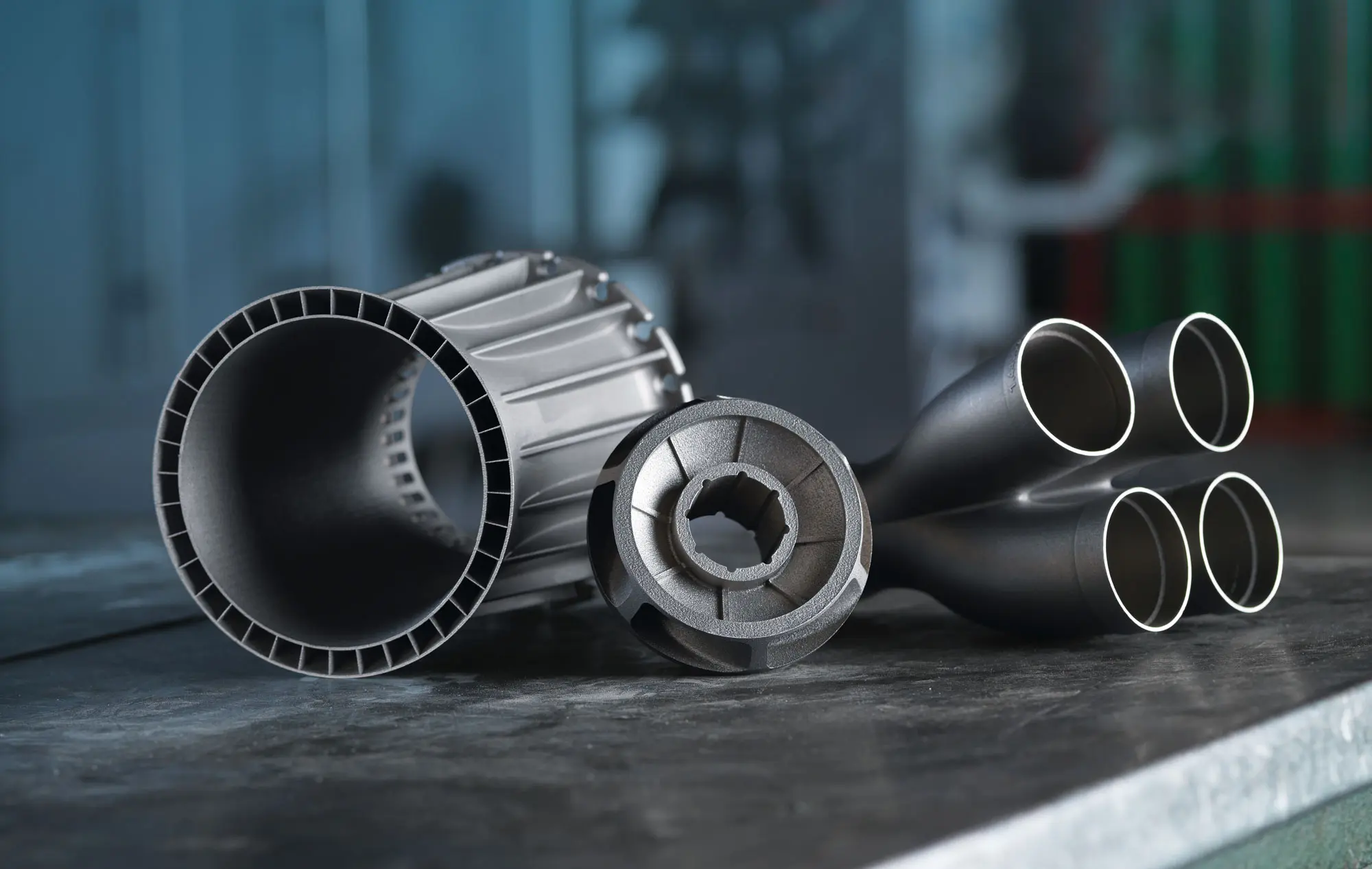
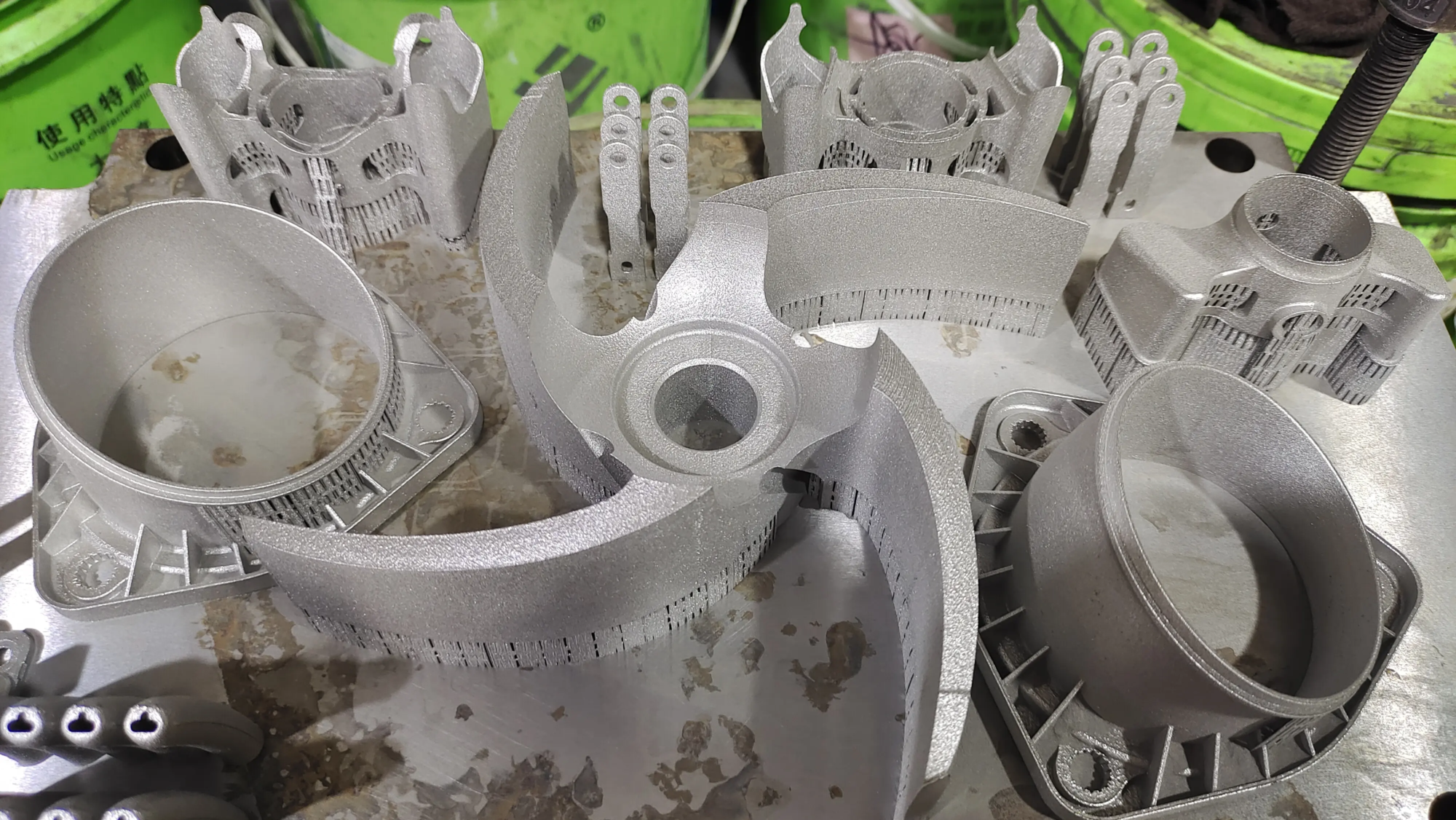
SLM 3D printing is based on digital 3D models and uses high-power lasers to fuse fine metal powder particles layer by layer to build complex metal objects. This process brings game-changing possibilities to curling:
-
Unparalleled customization and innovation:
- Customized balance and dynamics: Players can optimize weight distribution for increased control of spin ("curly") and plot the weight. Internal channels or lattice-filled structures, not possible with solid granite, allow for fine-tuning of inertial properties.
- Engineering running belt: Narrow ring in contact with ice ( "running band") determines friction and curl. SLM can print complex ribbon geometries with precise porosity surfaces. Think of a band optimized for specific ice conditions (fast/slow cobble) or playing style.
- Integrated sensors: Cavities for IoT sensors that monitor speed, rotation rate, impact force, and temperature can be designed to Stone core, enabling advanced analysis without external modification.
- Inclusive design: Easily create lighter curling stones for youth/junior leagues or ergonomic handles for adaptive curling.
-
Progress in Materials Science: Achieving properties comparable to granite (approximately 95% density) requires advanced alloys:
- Special alloy: Stainless steel (17-4PH, specific 410 variant) has excellent strength and moderate corrosion resistance. Tool steel has excellent hardness and wear resistance and resists ice friction. Proprietary alloys are also under development.
- Density control: Achieving a density close to that of granite (~2.65 g/cm3) is critical. This involves precise powder selection, laser parameter optimization (energy density) and hot isostatic pressing (HIP) during/after printing to eliminate microvoids and homogenize the grain structure.
- hardness: SLM processed steel/tool steel easily reaches or exceeds granite hardness (>Mohs 6-7) on the running belt, thus ensuring longevity.
-
Improve accuracy and consistency:
- Each stone is based on the same digital design, eliminating the differences inherent in carving natural stone.
- Industrial calibration ensures mass and center of gravity are perfectly replicated between sets.
- Enhanced accessibility and sustainability:
- Reduce reliance on limited Ailsa Craig granite reserves.
- Potential for distributed manufacturing – stones could be produced closer to the club, reducing transport emissions.
- 3D printing, although energy intensive, minimizes material waste (near net shape) compared to subtractive manufacturing of granite blocks.
Challenging the Frontier: The Integration of Tradition and Technology
This innovation is not without obstacles:
- Material verification: To gain regulatory approval and player confidence, rigorous, long-term real-world testing in varying ice conditions is required. Friction dynamics, impact elasticity over thousands of throws, and ice surface interaction must be proven to be the same or superior.
- Cost adjustment: Currently, prototyping and low-volume production via SLM is more expensive than mass-producing granite. As adoption grows, economies of scale will be crucial for wider club affordability. (This is the advantage of GreatLight)
- Regulatory Approvals: Bodies such as the World Curling Federation (WCF) must formally recognize 3D printed curling stones that meet certain performance benchmarks as competitively legal.
- Cultural acceptance: Gaining the trust of players accustomed to the feel and tradition of granite stone takes time and demonstrable performance success.
Where GreatLight is involved: Your innovation partner for metal additive manufacturing
exist huge lightwe specialize in pushing the boundaries of metal additive manufacturing. Our expertise Selective Laser Melting (SLM) Technology allows us to uniquely meet the precise needs of advanced applications such as 3D printed curling stones:
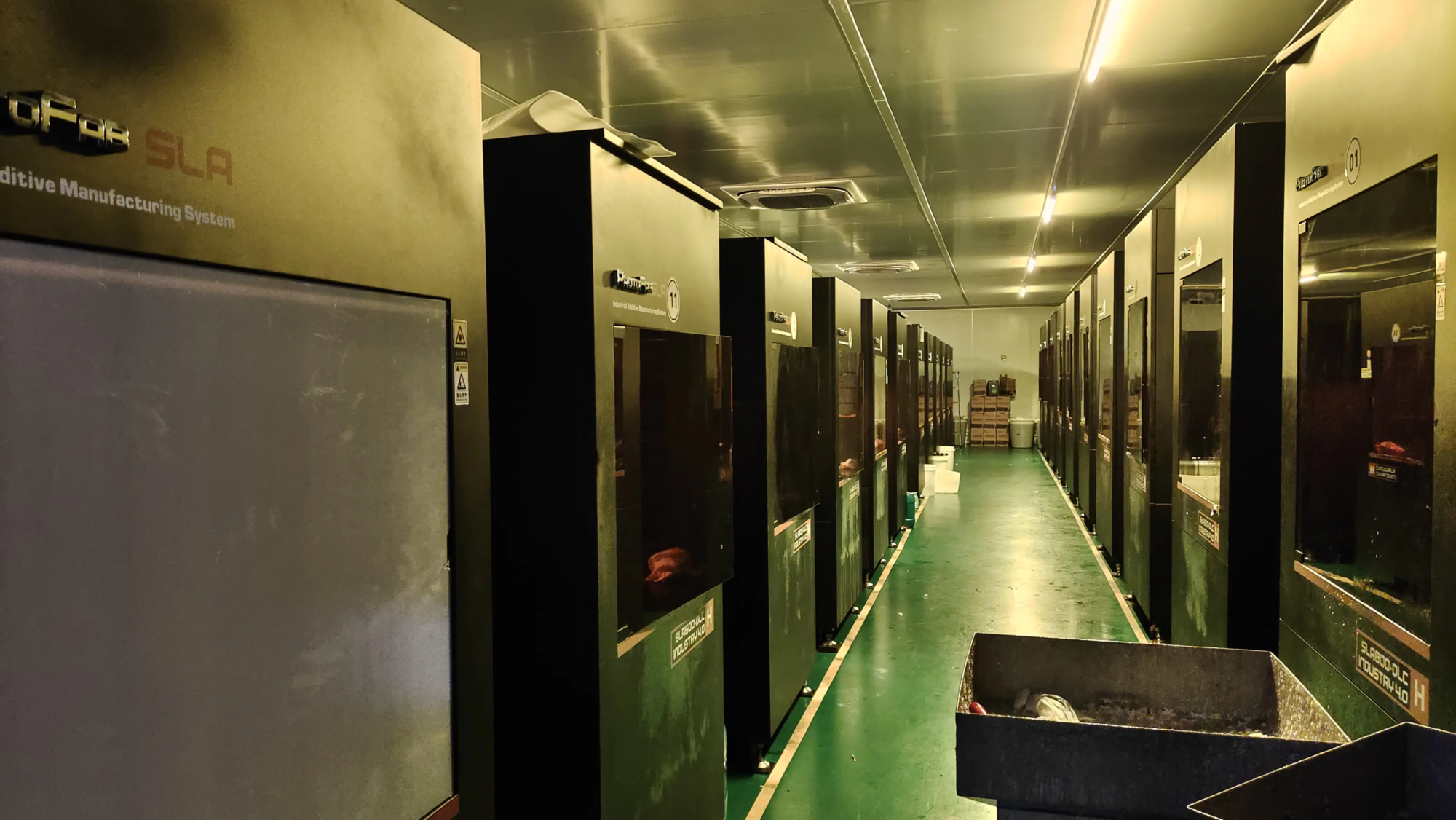
- Advanced SLM Equipment and Expertise: We operate a state-of-the-art SLM system capable of processing a wide range of high performance alloys (stainless steel, tool steel) to achieve the density, hardness and mechanical properties required for curling stone performance.
- Materials Science Capabilities: We don’t just print; we understand metallurgy. Our team works to optimize material selection, processing parameters (laser power, scanning strategy, layer thickness, build direction) and post-processing (HIP, heat treatment, specialized finishing) to meet exact functional requirements.
- Precision turnkey prototyping: From complex internal lattice structures to custom running belt geometries and integrated sensor housings, we offer End-to-end rapid prototyping solution. This includes professional CNC machining of the handles as well as post-processing such as sandblasting, polishing or special coatings.
- Overcoming challenges: We work with innovators to rigorously test prototypes against the performance metrics critical to curling: density measurements, hardness testing, friction coefficient analysis, impact testing and fatigue life predictions.
- Custom power source: Need a specific alloy blend? Need custom internal balancing? our capabilities true customization Empowering designers to explore unknown possibilities.
- Production ready solution: As technology matures and volumes increase, our scalable SLM manufacturing infrastructure supports the process from prototype validation to competitive production runs.
SLM-printed curling stones are innovation in action, and GreatLight provides the industrial-grade additive manufacturing platform to make it feasible.
Conclusion: Cleaning it all up with innovation
3D printed curling stones are not just a replacement; They represent the evolution of a classic sport into cutting-edge technology. SLM offers the potential for unprecedented levels of performance customization, consistency and accessibility previously unimaginable in conventional granite. While challenges remain – mainly reducing costs and gaining official approval – the trajectory is clear. The fusion of advanced materials science, digital design mastery and complex printing processes marks a major leap forward.
Sports technology often advances at the grassroots level through passionate innovators. manufacturers like huge lightWith deep expertise in metal SLM prototyping and production, we are a key partner in enabling this transformation. We have the technology stack – high-precision SLM printers, materials science acumen, comprehensive finishing – and the manufacturing mindset to improve prototypes into reliable performing products. This capability allows us to support pioneers developing the next generation of curling equipment.
The delicate dance between precision engineered stone and meticulously prepared ice continues. But thanks to additive manufacturing, the complexity of the stones themselves has reached new levels. The future of curling is a perfect blend of tradition and radical innovation that continues to push the buttons.
FAQ: 3D Printed Curling Stones
-
Are 3D printed curling stones legal?
- As of the end of 2023, they have not yet been approved by the World Curling Federation (WCF) to participate in official top competitions (such as the Olympic Games, World Championships). However, they are actively undergoing rigorous testing and evaluation. As performance data becomes stronger, regulatory changes are expected. They are ideal for club level practices, casual matches and select local leagues open for testing.
-
What are they actually made of?
- Mainly specialty metal alloys processed by selective laser melting (SLM). Common materials being tested include specific grades of stainless steel (such as 17-4PH or 410), tool steels and potential proprietary metal blends. The goal is to approach or exceed the density and hardness of granite, especially at the running zone.
-
Are they as durable as granite?
- Advanced metal alloys printed using SLM and post-processed (such as hot isostatic pressing – HIP) can achieve hardness exceeding that of granite. The running belt’s resistance to ice friction appears promising in early tests, but extensive long-term validation across thousands of throws is needed. Metal structures generally have higher impact resistance.
-
how "curly" Compare?
- This is the core of testing. Ideally, engineered running belts are designed to copy Accurately simulates the curling behavior of traditional granite. Crucially, SLM allows designers to Actively optimize Belt geometry and surface properties may provide More predictable curl Or customizability for specific ice conditions, beyond the inherent variability of granite.
-
Won’t metal corrode?
- Select alloys such as stainless steel offer excellent corrosion resistance. Running belts (which are affected by most moisture) may use high-strength tool steel or coatings. Storage/maintenance regimen is comparable to traditional stone – wipe down, dry properly.
- Are they lighter?
- They don’t have to be like this! The overall mass target is approximately 42 pounds (19 kilograms). SLM allows