The Rebirth of Mechanical Marvel: 3D Printed Curta Calculator and the Frontier of Rapid Prototyping
Kuta calculator. The name evokes a bygone era: intricate brass gears, sophisticated mechanisms, and the satisfying clicks and whirs of purely mechanical calculations. Designed by Curt Herzstark while imprisoned in the Buchenwald concentration camp in the 1940s, this handheld mechanical marvel is a masterpiece of miniaturization and has been hailed as "pepper grinder" calculator. Produced into the 1970s, it blended art and engineering rarely seen today. Now, thanks to continued innovation in the field of additive manufacturing, dedicated enthusiasts and engineers are achieving something extraordinary: breathing new life into the Curta by recreating it using 3D printing. This project is more than just a nostalgic homage; it’s a compelling case study in pushing the boundaries of what’s possible in rapid prototyping and precision manufacturing.
Resurrected Genius: Curta Meets the 21st Century
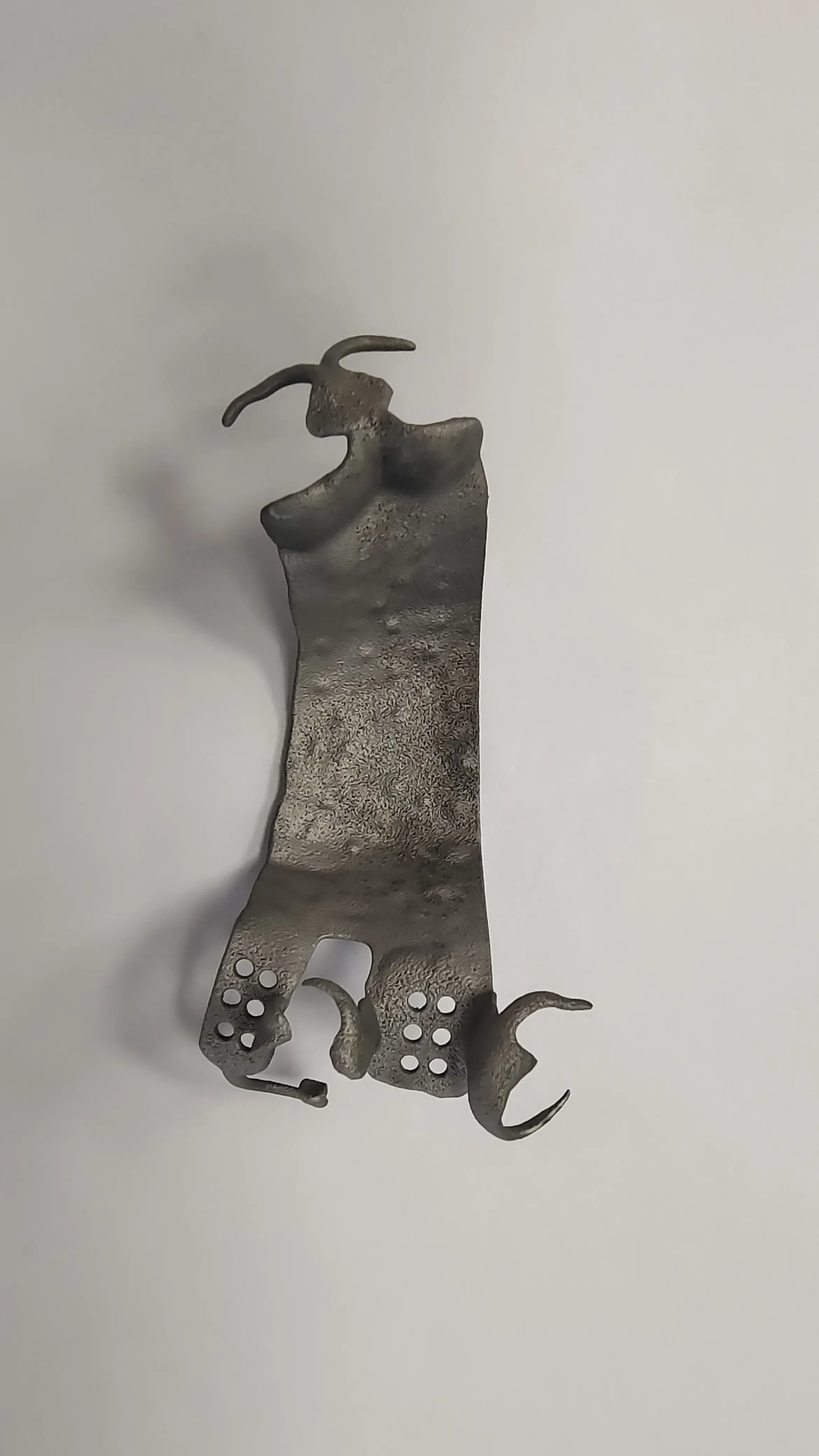
Recreating the Curta calculator has long been the holy grail for mechanical computing enthusiasts. Its internal mechanism is extremely complex, with more than 600 individual parts painstakingly assembled into a cylinder roughly the size of a large spice jar. Traditional manufacturing of such equipment today is expensive due to the sheer number of custom components that require high-precision machining. Enter 3D printing—specifically, sophisticated rapid prototyping technologies like selective laser melting (SLM) and advanced plastic sintering.
Similar projects "rattle" Engine diagrams drawn by Chris Fenton and variations championed by manufacturers such as Dr. Mark have proven that complex functional replicas are possible. These efforts involved meticulous digital modeling of every pinion, drum and carriage, translating Herzstark’s genius into CAD files suitable for additive processes.
Why 3D printing is the key to unlocking the complexity of Curta
The resurgence of Curta perfectly demonstrates the unique capabilities of modern rapid prototyping:
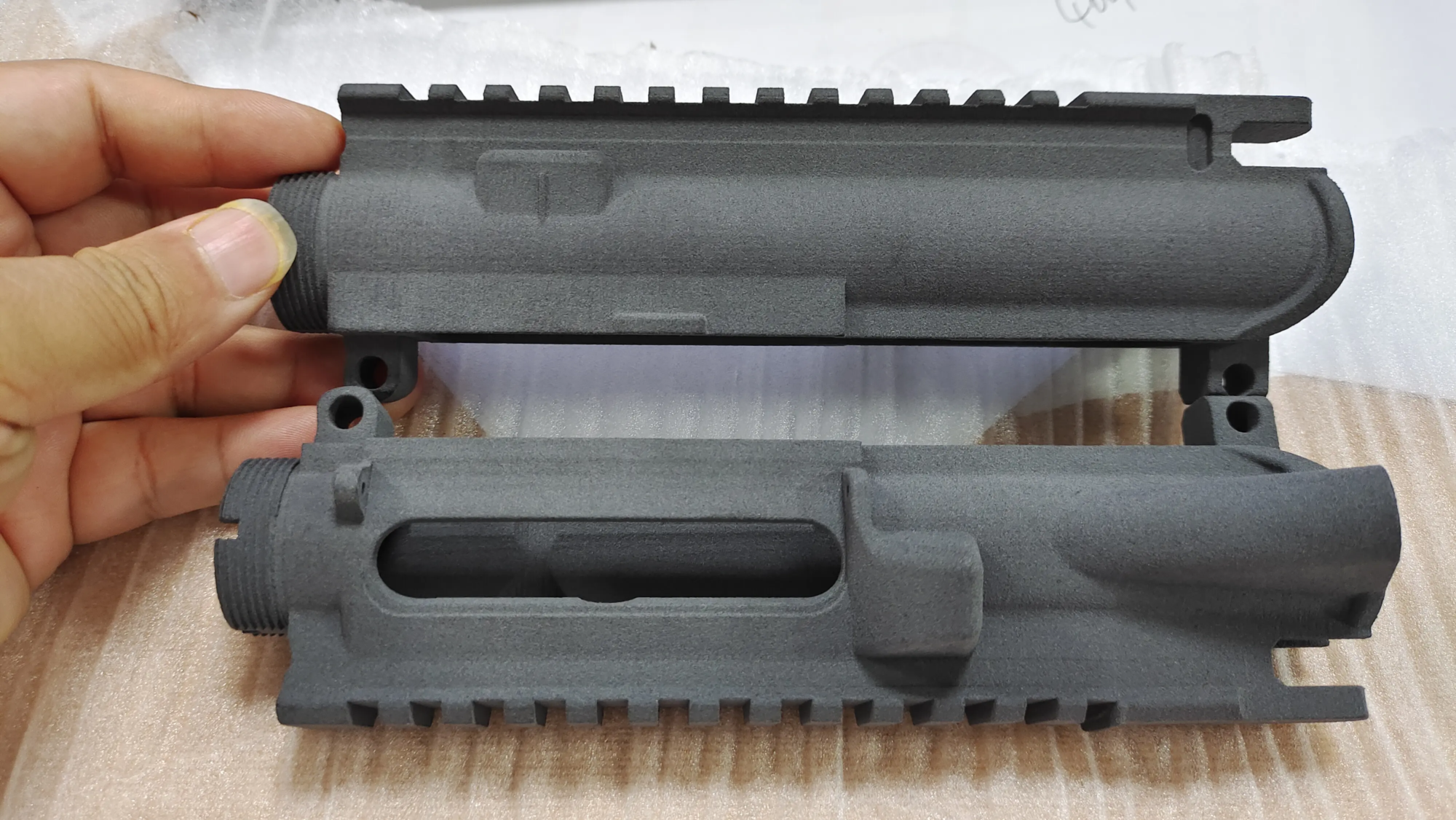
- Complexity without the cost: Unlike subtractive manufacturing (CNC machining), additive manufacturing builds parts layer by layer. The Curta’s complex gears, interlocks and internal frames require dozens of expensive setups and hours of individual machining, but can often be printed in one go or reduced to complex sub-assemblies. SLM is capable of producing fully dense metal parts and is particularly suitable for small, high-strength gears and shafts that require metal-like stiffness and performance.
- Functional integration and integration: 3D printing allows designers to combine multiple smaller components into a single integrated part. While fidelity to the original design often requires separate parts for authenticity and functionality, opportunities exist to simplify assembly without compromising mechanical integrity, significantly reducing potential points of failure.
- Iterate and optimize quickly: Prototyping a Curta is not a "Once and for all" effort. Optimizing gear mesh, clearance tolerances, friction reduction and material properties are critical to smooth operation. Rapid prototyping enables designers to quickly print new versions of troublesome components using a variety of materials, such as durable resin or nylon, or adjust tolerance margins based on actual testing. This rapid design-test-improve cycle is invaluable.
- Material Versatility and Customization: Modern additive manufacturing offers an unprecedented range of materials. From strong engineering thermoplastics (such as PEEK, nylon PA12) that can withstand repeated mechanical stress, to advanced metal powders (stainless steel, titanium, aluminum alloys) processed through SLM for ultimate strength and wear resistance, the choice directly affects the feel, durability and performance of the replica. GreatLight’s expertise includes precise selection and processing of the right materials each component Within the printing assembly.
Prototyping Challenge: Accuracy Beyond Standards
Building a functional Curta replica involves more than just printing the parts; It masters the art and science of precision manufacturing:
- Microscopic dimensions and tolerances: Critical gears run within microns of each other. Print shrinkage, warping, or slight deviations in resolution may cause binding or slippage. High resolution printers (SLA, DLP for resin; fine powder layer for SLS/SLM) plus expert calibration are non-negotiable.
- Surface finish: Post-processing is crucial. Printed parts often require meticulous support removal, polishing (chemical or mechanical), and sometimes light machining to achieve smooth sliding surfaces and low-friction engagement, which are critical to Curta’s delicate operation.
- Material properties: It is critical to understand the creep, fatigue strength, coefficient of friction and thermal expansion of printed materials under load. For metal parts printed with SLM, controlling internal stress during printing and ensuring proper heat treatment after printing are critical for dimensional stability and longevity.
- Assembly tips: Even with the perfect parts, assembling a 3D printed Curta requires incredible patience, precision tooling, and a deep mechanical understanding. Lubrication and adjustment are critical final steps.
GreatLight: Driving precision prototyping capabilities
The ambitious goal of producing a functional 3D printed Curta calculator underscores the pinnacle of what skilled rapid prototyping can achieve. At GreatLight, we are committed to tackling these complex challenges head-on. Our core strengths are perfectly aligned with the needs of this type of project:
- Advanced SLM features: Our state-of-the-art selective laser melting equipment is capable of producing complex, high-strength, dimensionally accurate metal parts, which is critical to replicating the critical curta mechanism that requires the inherent properties of metals.
- End-to-end expertise: We don’t just print parts. GreatLight offers a complete set of One-stop post-processing and finishing services Tailored to the specific needs of precision machined components – including expert support removal, precision machining, rigorous polishing, passivation (metals), heat treatment and specialized coating applications.
- Material mastery: we provide Quick customization and processing A wide selection of advanced polymers and metals. We work closely with our customers to select the best materials for each specific part In a component like Curta, balance strength, wear resistance, friction, weight and cost. Custom material solutions are our specialty.
- Prototyping partners: We understand the iterative nature of complex builds. Our manufacturing agility supports rapid design cycles, which are critical for refining mechanisms like Curta, providing rapid feedback and functional prototypes for validation.
Projects like the 3D printed Curta calculator demonstrate that rapid prototyping is not just a manufacturing method but an enabler of innovation, historic preservation and engineering excellence. It shows that with the right tools, expertise and meticulous attention to detail, even the most mechanically complex artifacts can be reborn.
Conclusion: More than just nostalgia – proof of modern manufacturing
The journey to create a functional 3D printed Curta calculator was much more than a nostalgic pursuit. It’s a rigorous exercise that pushes the limits of digital design, additive manufacturing precision, materials science, and meticulous craftsmanship. It highlights the remarkable developments in rapid prototyping technology, particularly the capabilities brought about by processes such as SLM metal printing, allowing modern engineers to recreate mechanical complexities that were once considered too complex or too costly to replicate.
This effort is a strong validation for companies like Huileite. Our expertise in advanced SLM printing, comprehensive material solutions including rapid customization, and precision post-processing from a single source make us perfectly positioned to handle the demanding realities of such ambitious projects. we provide Professional rapid prototyping solutions Translating complex digital models into working mechanical reality is necessary, whether it’s a historical marvel like the Curta or a cutting-edge component driving the industries of the future. The rebirth of Curta symbolizes the fusion of traditional ingenuity with the transformative power of modern rapid manufacturing.
FAQ: 3D Printing Curta Calculator and Rapid Prototyping
-
Q: Why is 3D printing ideal for rebuilding the Curta calculator?
- one: Curta consists of hundreds of extremely complex micro-parts with complex geometries and tight tolerances. Traditional manufacturing methods such as CNC machining of each part would be very expensive and time-consuming. 3D printing excels at producing complex shapes without adding cost challenges, allows for functional integration (combined parts), and enables rapid design iteration throughout the testing process.
-
Q: What is the biggest technical challenge in 3D printing functional curta?
- one: The most important challenges are achieving and maintaining micron-level precision tolerances between interacting components (gears, shafts), minimizing friction on the printed surface, selecting materials with suitable mechanical properties (strength, stiffness, low creep under load), managing internal stresses during metal printing (SLM), and performing expert post-processing (finishing, machining, polishing) to ensure smooth operation. Assembly requires extreme precision and skill.
-
Q: What technologies are used in 3D printing?
- one: Usually a combination of:
- Plastic Parts: High-resolution resin printing (SLA/DLP) or SLS (for strong nylon) is often used for complex structural parts, levers and housings that require detail and medium strength/low wear.
- Metal Parts (Critical Gears/Shafts): Selective Laser Melting (SLM) produces fully dense, durable metal parts critical for high wear areas such as precision gears where metal strength, stiffness and longevity are required. Commonly used metals for SLM include stainless steel (strong, corrosion-resistant), aluminum alloys (lightweight), titanium (strong, lightweight), and specialty alloys.
- one: Usually a combination of:
-
Q: How important is post-processing for a project like this?
- one: Absolutely critical. Raw printed parts, especially those from metal SLM or resin processes, require extensive finishing: careful removal of supports, precision machining of critical interfaces, polishing to achieve smooth bearing surfaces, surface preparation (passivation/anodizing), lubrication and meticulous inspection. Poor post-processing can cause even perfectly printed parts to fail to function due to friction, binding, or premature wear. GreatLight’s one-stop post-processing capabilities are crucial here.
-
Q: Can GreatLight prototype something as complex as a Curta?
- one: While rebuilding a complete curta requires tremendous dedication and engineering talent from the designer, the machining capabilities required for such a high-precision project fit perfectly with GreatLight’s core strengths. We focus on Customized precision machining, Advanced SLM metal printing, Complex assembly supportand Detailed post-processing. We solve complex prototyping challenges that require micron-level precision, diverse material solutions and comprehensive finishing services. Our expertise is essential for the successful manufacture and finishing of critical parts of extremely complex mechanical assemblies such as Curta replicas with SLM printed parts.
- Q: Where does this project demonstrate the value of rapid prototyping?
- one: In addition to Curta, it highlights how rapid prototyping can foster innovation: allowing complex designs that were previously impossible or impractical to be cost-effectively manufactured; enabling rapid testing and improvement (critical for optimizing mechanisms); facilitating material experimentation; digitally preserving complex intellectual property (like Curta designs); and demonstrating the feasibility of producing complex components on demand as a series of custom rapid prototypes. GreatLight provides the manufacturing expertise to make these possibilities a reality.