Making the Iconic Doctor Doom Mask: A Deep Dive into the 3D Printed Metal Cosplay Masterpiece
Dr. Doom’s mask is more than just a costume, it’s a symbol of intimidation and genius. For cosplayers and collectors looking for authentic, high-detail replicas, 3D printing has revolutionized the game. But creating faithful metal performances requires precision, advanced technology, and artistry. Here’s how modern prototyping services can turn digital designs into wickedly realistic effects.
Challenge: Why metal?
Unlike plastic or resin masks, Doctor Doom’s armor requires metallic realism. Traditional fabrication methods, such as hand-hammering steel, are expensive and time-consuming. 3D printing bridges this gap by:
- Realize complex geometries (e.g., angular cheekbones, riveted plates).
- achieve weight loss through hollow structures.
- Match screen-accurate textures (Brushed Steel, Battle Scars).
Phase One: Digital Design and Optimization
Successful printing starts with careful 3D modeling:
- Scan and engrave: Convert reference images into meshes using photogrammetry or CAD tools like ZBrush.
- wall thickness: Wall thickness ≥2mm prevents metal prints from warping; internal mesh reduces weight without sacrificing strength.
- Segmentation: Large masks (like Doom’s helmet) are segmented for easier printing, with interlocking connectors for assembly.
For tips: Embedding positioning pins during the design stage – it simplifies post-print assembly.
Phase 2: Material Selection – Beyond PLA
| PLA lends itself to prototyping, while metal embodies the essence of Doom. Options include: | Material | advantage | very suitable |
|---|---|---|---|
| Stainless steel | Durability, weldability | Permanent exhibition/conference | |
| titanium | Lightweight and hypoallergenic | long costume role play | |
| bronze infused | Antique, antique finish | "weathering" combat damage |
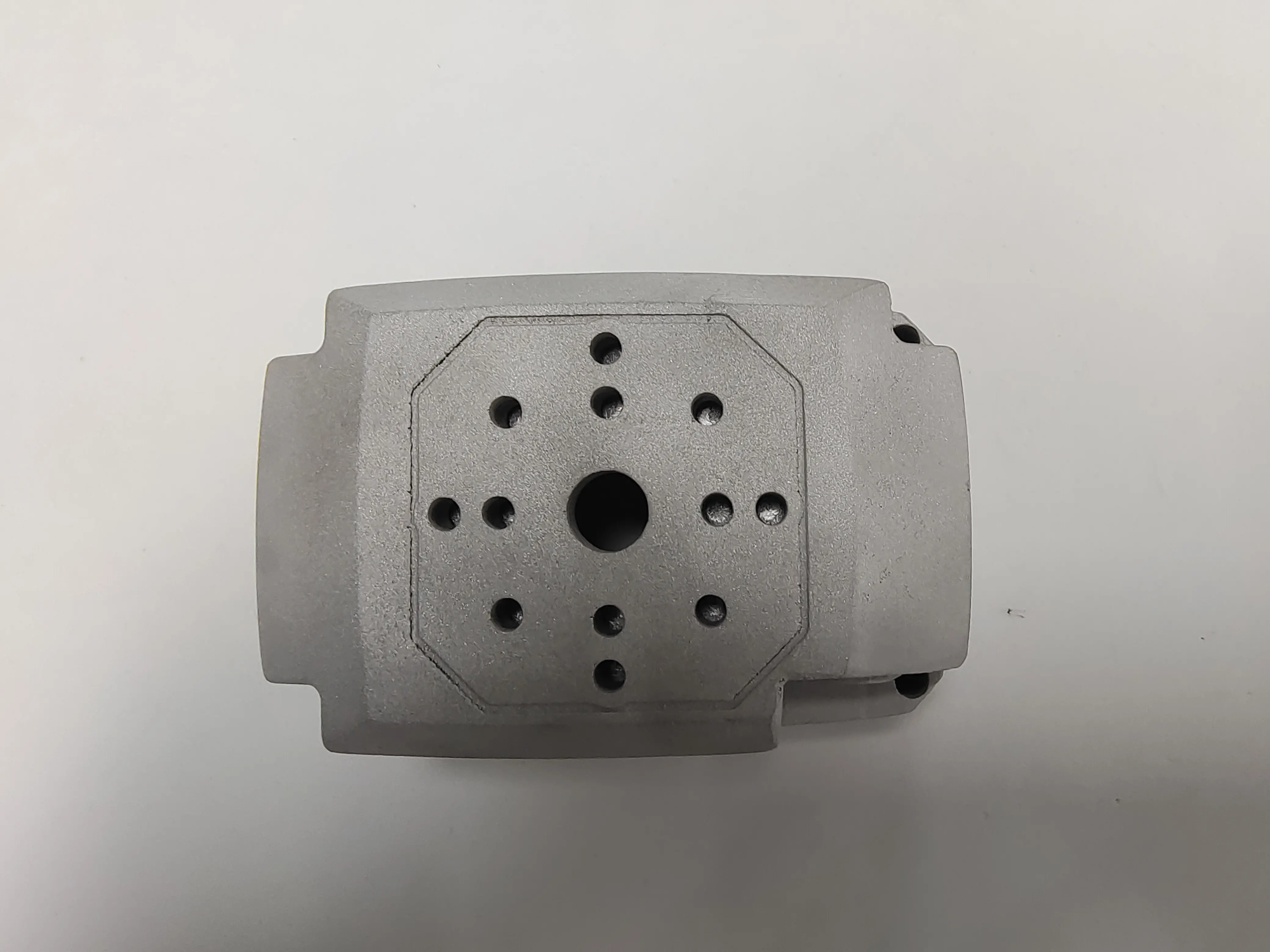
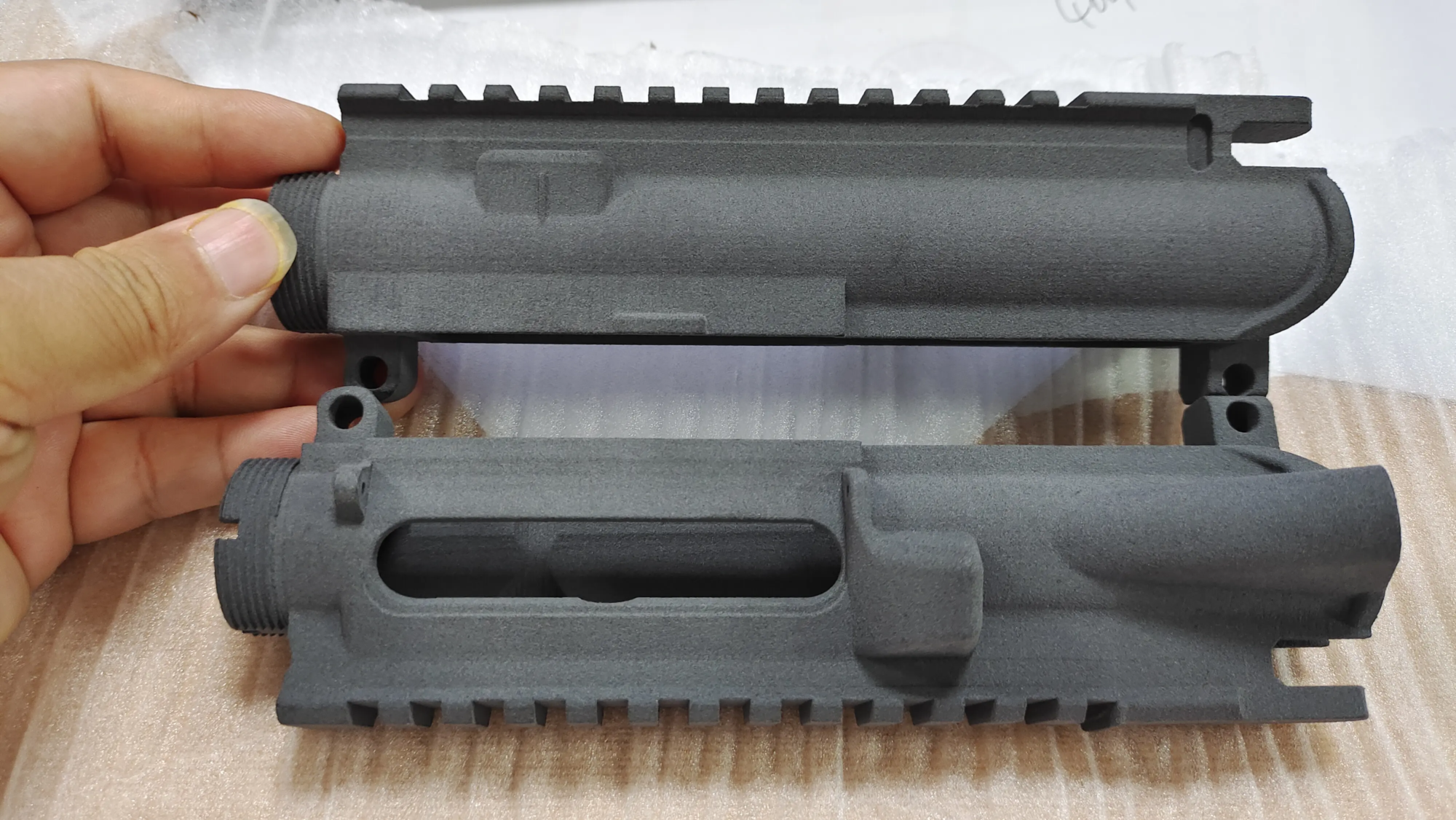
SLM (Selective Laser Melting): The first choice for metal masks. High-power lasers fuse fine metal powders (layer by layer) into fully dense parts that preserve microscopic details such as engravings or textures.
Stage Three: Printing and Post-Processing – Where the Magic Happens
print:
- The SLM printer’s resolution is 20–100μm, ensuring armor plates and vents appear clear. The support structure anchors the overhang (such as the chin of the mask) and is removed via CNC cutting.
Post-processing:
- Sanding/Polishing: Eliminate layer lines by hand sanding (grit size 400→3000).
- chemical etching: Acid bath creates authentic "scratched steel" texture.
- plating: Chrome finish achieves Doom’s signature shine.
- weathering: The artist uses enamel washes and dry brushing to add depth/rust.
Case Study: GreatLight’s SLM Printed Doomsday Mask
In a recent project, GreatLight solved this challenge:
- Technology used: SLM uses 316L stainless steel.
- time frame: 22 hours printing + 16 hours finishing.
- result: 0.8kg mask (vs. 4kg solid steel) with articulated jaw movement via hidden hinges.
Conclusion: Why expertise matters
Making Doctor Doom’s mask involved a cross-section of disciplines – precision engineering, metallurgy and art. For projects that require uncompromising quality, industrial-grade SLM printing (combined with an experienced prototyping partner) can open up possibilities that go far beyond DIY methods. Whether it’s a cosplay, movie prop or collectible, metal 3D printing can resurrect the novel in tangible form and deliver the menace that Victor Von Doom deserves.
Frequently Asked Questions About 3D Printing Doctor Doom Masks
Q1: Can I safely print wearable metal masks?
Yes! SLM printed masks feature padded mounts, weight distribution engineering, and vents for comfort. Internal padding prevents skin-to-metal contact.
Q2: How much does a metal doomsday mask cost?
Prices range from $800 to over $2,500 (depending on material, finish and complexity). Plastic/resin versions cost around $100-$400, but lack authenticity.
Q3: How durable are 3D printed metal masks?
SLM-printed stainless steel can withstand drops, temperature changes, and long-term wear and tear. Its strength is 90-98% of traditional forged metal.
Q4: Can I add electronic devices (such as glowing eyes)?
Absolutely. The cavity of the LED housing is designed during the modeling process – the GreatLight team embeds wiring channels without compromising structural integrity.
Q5: Who owns the 3D model files?
Customer retains full intellectual property rights in custom designs. Existing fanworks may be subject to license restrictions.
Ready to build your legacy? As one of China’s leading rapid prototyping experts, huge light merge Sustainable Land Management Innovation and finished by hand. From aerospace alloys to role-playing marvels, we transform vision into fabricated reality—scalable, precise, and affordable, empowering creators. Request a quote today.