The rise of 3D printed egg cartons: innovation, sustainability and customization possibilities
Egg cartons may seem simple, but they face ongoing challenges: the environmental hazards of petroleum-based foams, the risk of breakage from molded paper pulp, and the inflexibility of specialty egg sizes. 3D printing is a transformative technology that offers solutions that optimize form, function and sustainability. This isn’t science fiction; Today, innovators and manufacturers are deploying printed cartons. While the spotlight shines on plastic polymers, metal prototypes add exciting dimensions, opening the way to scalable production. Let’s explore why 3D printing cartons isn’t just a niche experiment; They are signals of engineering progress.
Why print egg cartons?
- Extreme customization: Print cartons accurately molded into chicken eggs, duck eggs, quail eggs or goose eggs instead of "close enough." Custom designs accommodate extra-large farm eggs or special shapes without creating waste.
- Environmentally friendly materials: Use biodegradable PLA (corn starch based), recycled PET, wood composites or algae filaments. Unlike Styrofoam cartons that persist in landfills, they decompose harmlessly.
- Enhanced protection: Generative design algorithms optimize internal lattice absorption effects significantly better than pulp.
- Reusable life: Industrial-grade PETG or cellulose can withstand hundreds of wash cycles – perfect for homesteaders or farm-to-table cafes.
Design points
create valid Cartons require thoughtful engineering:
- structural integrity: Shell thickness ≥2mm, using honeycomb/fiber filling to minimize breakage while saving filament.
- Egg cavity geometry: Angled grooves prevent eggs from rolling; textured bottom gently supports them.
- Ergonomics: Incorporate finger grooves, stackable ridges, or magnetic closures—features not possible with pulp molding.
Materials and Technology
| process | most suitable | Material | Durability | Food safety? |
|---|---|---|---|---|
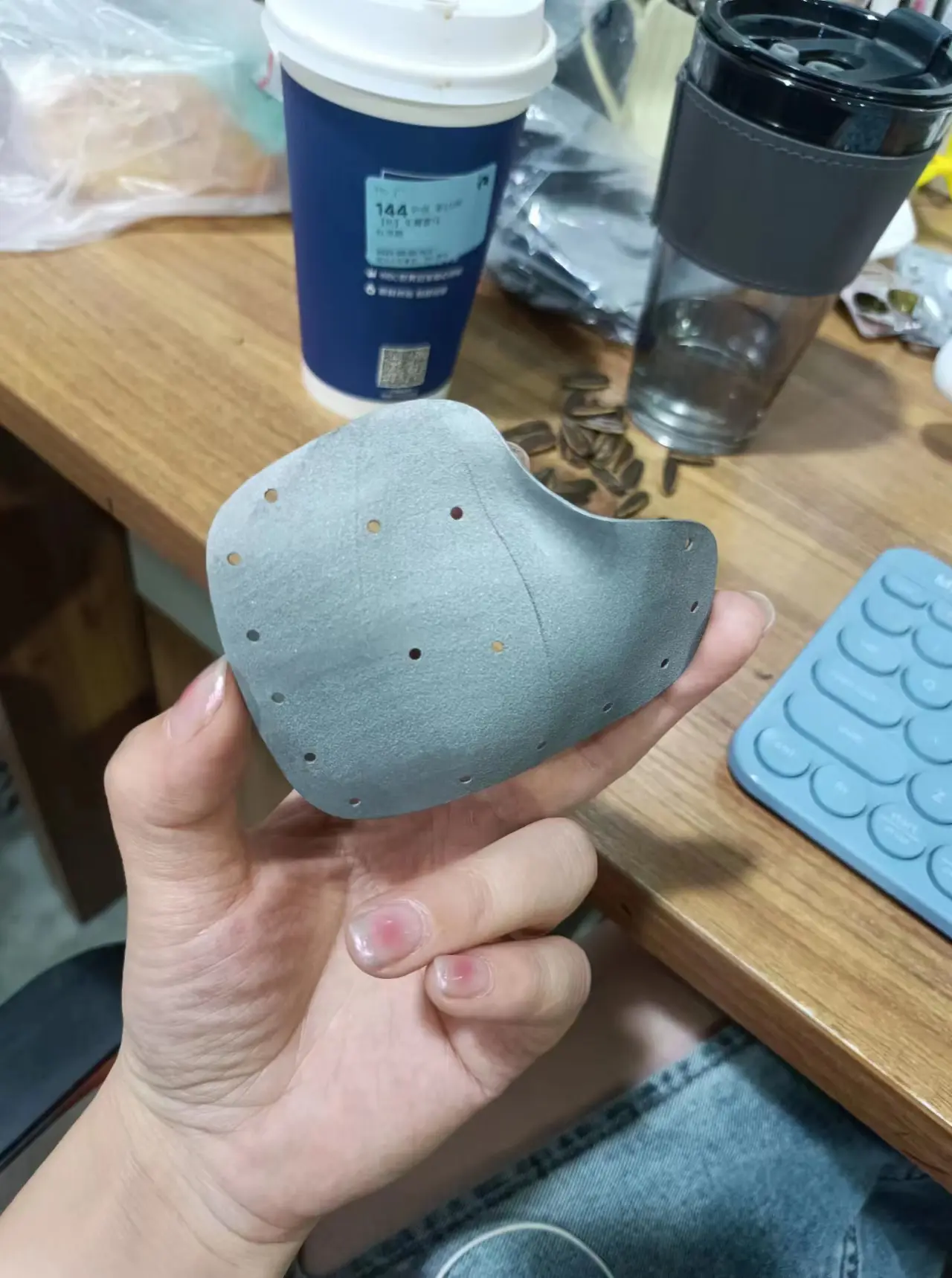
| Fused Deposition Modeling (FDM) | Home/SOHO | PLA, recycled PETG, wooden PLA | ease | ⚠️PP coating |
| Selective Laser Sintering (SLS) | Production | Nylon 11, TPU | high | ✅NSF certified |
| Stereolithography (SLA) | jewel-like details | Castable/flexible resin | changeable | ✖️Post-curing |
📌 Important note: Meet food safety requirements certified filament, Disinfectionand non-toxic paint. Prioritize FDA-compliant materials and seal pores with vapor polish. Failure can lead to bacterial growth.
Case Study: Urban Chicken Farm Utilizes Printed Cartons
A Seattle egg supplier switched to sorghum-based PLA for farm tool-printed cartons. income?
- Dropped and damaged: ↓72% compared to pulp cartons
- reusability: More than 150 cycles before filament fatigue
- customer loyalty: Enhanced with brand color-coded design
Such success highlights accessibility – industrial SLS printers ensure robustness; home FDM is sufficient to meet the needs of process-scale producers.
Scaling up: from rapid prototyping to mass production
Prototyping excels in designing pilot batches. The printed tool/mold then enables cost-effective injection molding – digitally recycling designs between factories and farms. Here, companies like huge light An example of expert integration:
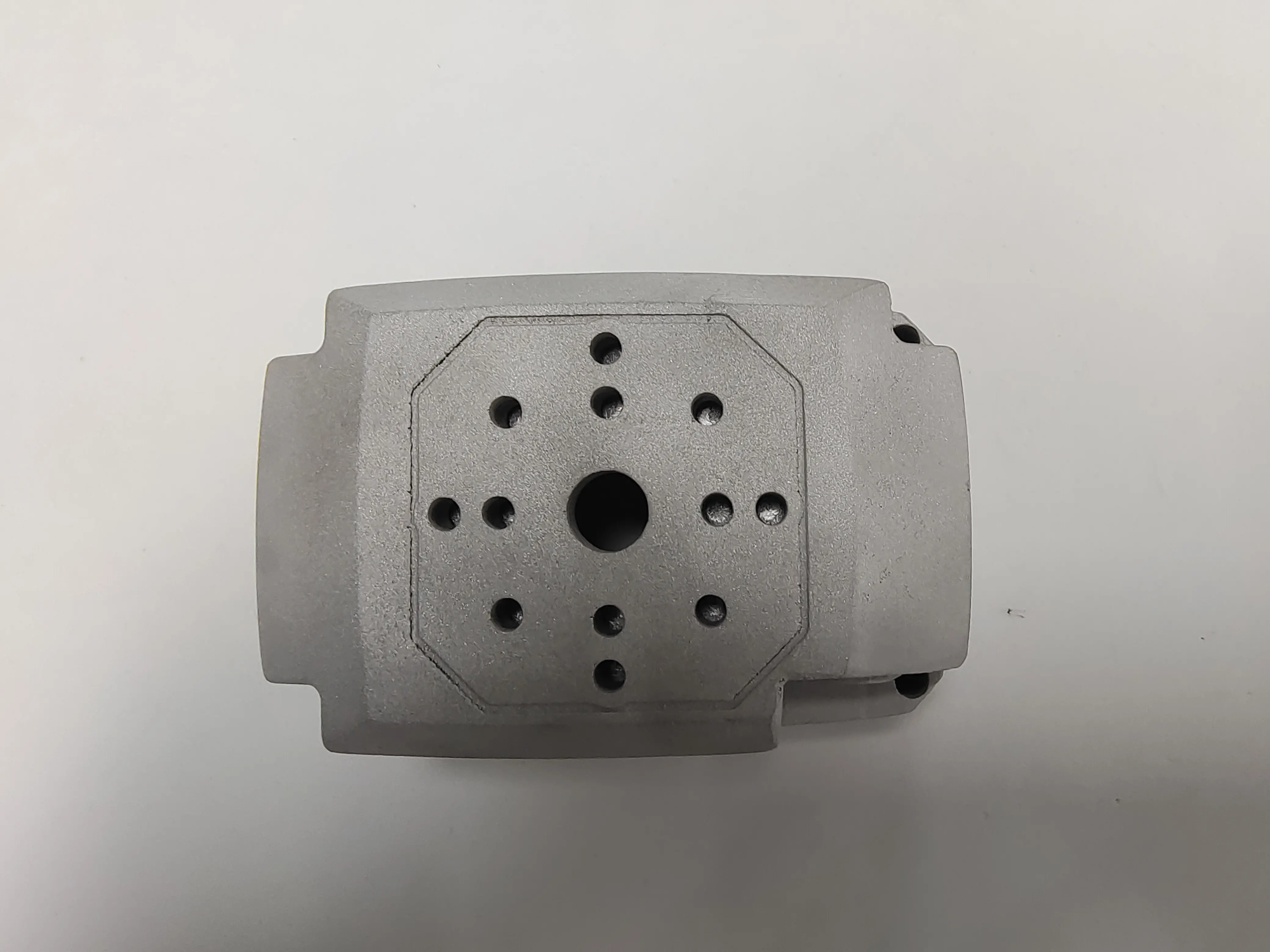
- Utilizing SLM (metal) printing to achieve ultra-precision wear-resistant mold cores
- End-to-end handling of polishing, coating, certification
- If extreme temperature flexibility is required, tungsten-infused alloys are available
👉 Whether it’s a unit-scale niche creation or a mass production mold, rapid prototyping can accelerate egg packaging innovation without sacrificing structural intent.
in conclusion
3D printing disrupts the egg carton norm with customization, eco-friendly options and superior construction. Despite the complexity of materials and hygiene compliance, filament/resin advancements reward creators. company likes huge light Connect prototyping with scalable manufacturing to maximize designers’ freedom and producers’ ecological responsibility. This is more than just a novelty, it represents engineering pragmatism that reinvents everyday sustainability. We have observed global local producers adopting printed cartons as a pragmatic and viable alternative, elevating the consumer experience beyond bland generic containers and moving fully towards thoughtful personalization, delivered responsibly, with no landfill deficit, for the mere temporary convenience of egg shipping, beyond the parameters of structural integrity historically constrained by the constraints of pulp molding, the natural evolution of hyper-personalized eating that resonates deeply with attentive buyers seeking respect for the planet, breakfasts that are simple, reliable, complete and effective, unfettered by fragile traditions, begging for passage. Modified through additives Manufacturing possibilities are provocative yet practical Regenerative agriculture Support networks meaningfully minimizing waste across the entire cradle-to-cradle packaging lifecycle Persistence Smartly conceived Carefully curated Nutritional sovereignty Proudly packaged in community-focused aesthetics Intelligent optimization Ethically scalable Awaiting imaginative applications Hope Proliferation Guiding principles Globally adaptable Locally unique Maintaining trust while uplifting peers Humanizing harmony Truly ensuring healthy nutrition Sustainably iconic Uninterrupted Joyously strong across generations.
Frequently Asked Questions About 3D Printed Egg Cartons
Q1: Can I print food-safe egg cartons at home?
⚠️ warn: The original print contains bacteria in the layer lines. Use NSF certified PLA/PETG, apply food grade epoxy coating, and disinfect frequently. Or make a prototype via a home printer and order SLA/SLS produced cartons from a certified store.
Q2: Isn’t traditional pulp cheaper?
Paper pulp is suitable for commoditization, but printing can reduce the cost of small batch specialized designs (such as duck eggs). Reduce replacement purchases and shipping weight and increase ROI with reusable prints.
Q3: How to prevent printed cartons from moisture?
PETG can survive on wet farms. Use a wax coating to seal FDM printed PLA. Avoid ABS – hydrolysis will reduce the performance of the layers.
Q4: Will metal print cartoon cartons?
Functionally none (weight/cost inefficient). However, metal prototyping facilitates molding: printing a TI/Al mold core for an injection molding machine makes the polymer harden more than 10 times faster.
Q5: Where does a company like GreatLight fit in?
As the leader of China’s EAT (expertise– Authority – Trust), they solve advanced prototyping challenges:
- 🔧 Print complex geometric shapes with SLM printer
- 🔩Surface treatment (sandblasting, anodizing)
- ⚙️Extend validation studies into molds/fixtures
Their metal-polymer hybrid pipe facilitates field trials of cartons prior to capitalization of molds.
Ask us about filament selection, drop test architecture, or scalability pathways. We will overcome technical barriers together! 🥚🖨️💧🔋🐓🚚♻️🌎🔐🛠️