The Dawn of Precision Planting: How 3D Printed Electric Seeders Are Transforming Agriculture
Over thousands of years, humans’ relationship with agriculture has evolved from hand-sowing seeds to complex mechanized systems. The seed drill was a fundamental invention that ensured seeds were buried at a uniform depth and spacing, thereby dramatically increasing yields. Today we stand on the cusp of another revolution: 3D printed electric seeder. This innovative fusion of additive manufacturing and precision engineering is not just a novelty; It’s a practical solution designed to democratize efficient growing for farmers around the world.
What is a 3D printed electric seeder?
Imagine a compact, rugged device that can sow seeds row by row with precision, powered by a small electric motor but made almost entirely through 3D printing. Unlike bulky traditional drills, this version utilizes CAD-driven design and layer-by-layer printing to create a cohesive unit that includes:
- Seed funnel: Stores seeds, often with customizable chambers for different seed sizes.
- Electric drive system: Powers the seeding mechanism – usually driven by a battery-powered DC motor to achieve a steady speed.
- Precision measuring institution: Use a gear or roller to release the seeds one by one at set intervals.
- Openers and cutters: Break up the soil to form a trench at the optimal depth.
- Seed placement tubes and mulch: Guide the seeds into the furrow and cover them lightly.
The result? Unrivaled precision in seed spacing (±5mm) and depth control (adjustable from 10mm to 50mm) minimizes waste while maximizing germination rates. This kind of precision is crucial in an era when climate pressure demands efficiency.
Why 3D printing is a game changer
It is difficult for traditional manufacturing industries to meet the customization and small-volume needs of professional agricultural tools. This is the advantage of 3D printing:
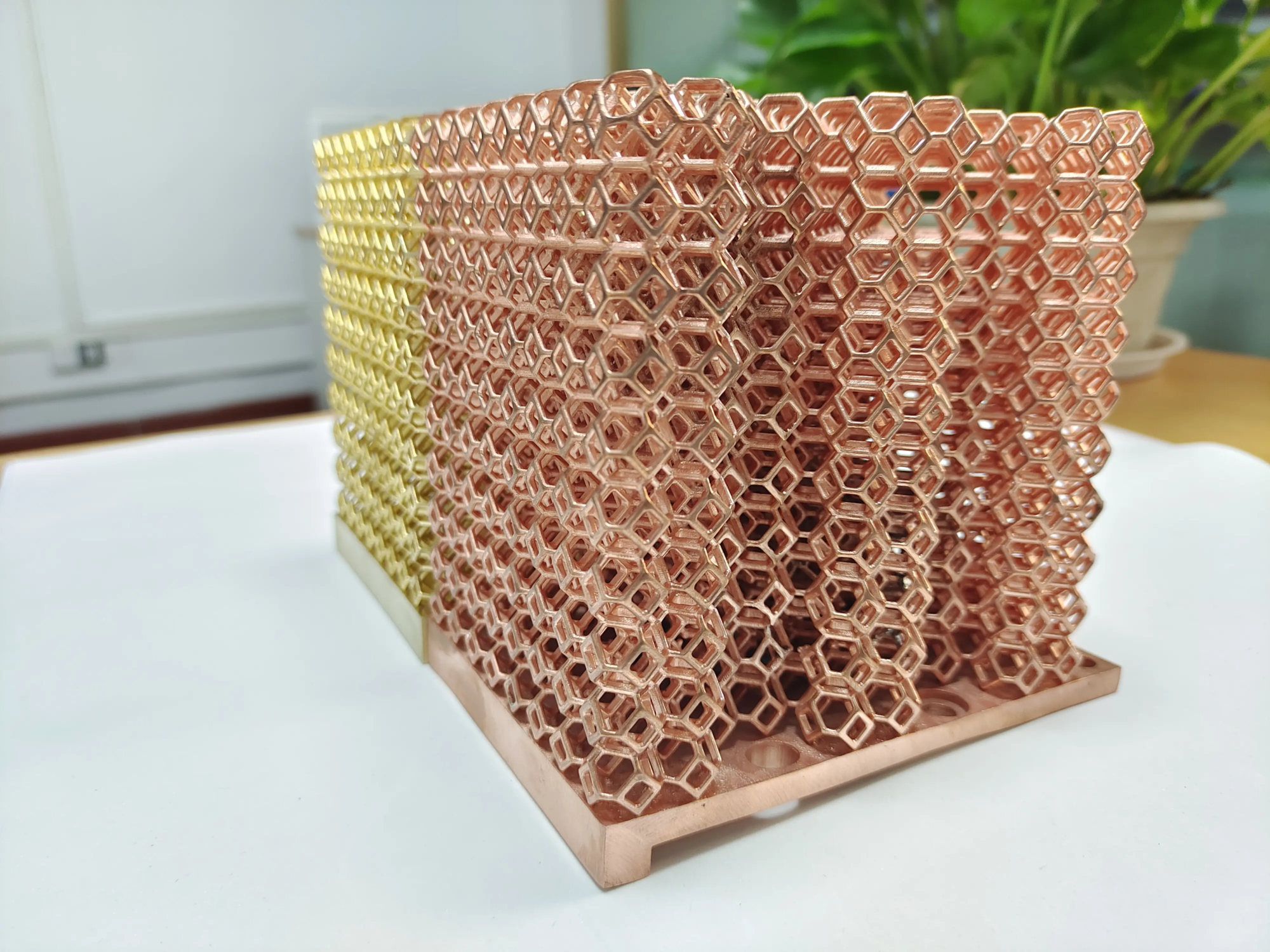
- Super customized: Farmers work on different terrains and crops. Use filament extrusion (e.g. PETG for durability) or use metal via Selective Laser Melting (SLM)parts can be customized, for example, changing the hopper design for baby lettuce seeds versus larger corn kernels.
- Rapid prototyping: Design and test iterations take days instead of months. Seed tube blocked? Engineers tweaked the CAD files and printed improved versions overnight.
- Cost efficiency: PLA/fiber-reinforced plastic can reduce material costs by approximately 60% compared to metal manufacturing, making it ideal for small farmers in developing economies.
- Sustainability: Printing minimizes waste with additional layers. Recycled plastic or biodegradable materials can be integrated, especially in non-structural components.
For critical pressure-bearing components, such as drive shafts or furrow blades, SLM can be used to create stainless steel or titanium parts that are strong enough to withstand tough soils. Advanced heat treatment in post-processing ensures resistance to wear and corrosion.
Addressing design challenges head-on
Developing this exercise was not without obstacles:
- Motor integration: Ensuring consistent torque without stalling requires precise gear design. We use CFD simulations to optimize load distribution.
- Wear resistance: Printed polymer parts degrade in abrasive soil. Solution? Replace critical contact surfaces with SLM-printed metal inserts, or mix nylon filament with carbon fiber.
- Weather resistance: Prints may become deformed when exposed to sunlight/rain. Our solution: Use UV-resistant coatings and hydrophobic sealants during the finishing process.
These challenges highlight the need for end-to-end prototyping expertise—scalable solutions that connect ideas to reality.
Real-World Impact: From Domain to Future Technologies
Trials in India and Kenya show startling results: Seed consumption reduced by 35% and Increase production by 20% Compared to manual planting, even on rocky terrain. In addition to subsistence farms, academic labs are using the rigs to study plant spacing algorithms, while agritech startups are integrating IoT sensors for planting plans based on soil moisture.
Case study: A Zimbabwe cooperative customized a wider-spaced sorghum planting rig using modular attachments printed on-site. result? Operating costs are halved and dependence on imported tooling disappears.
in conclusion
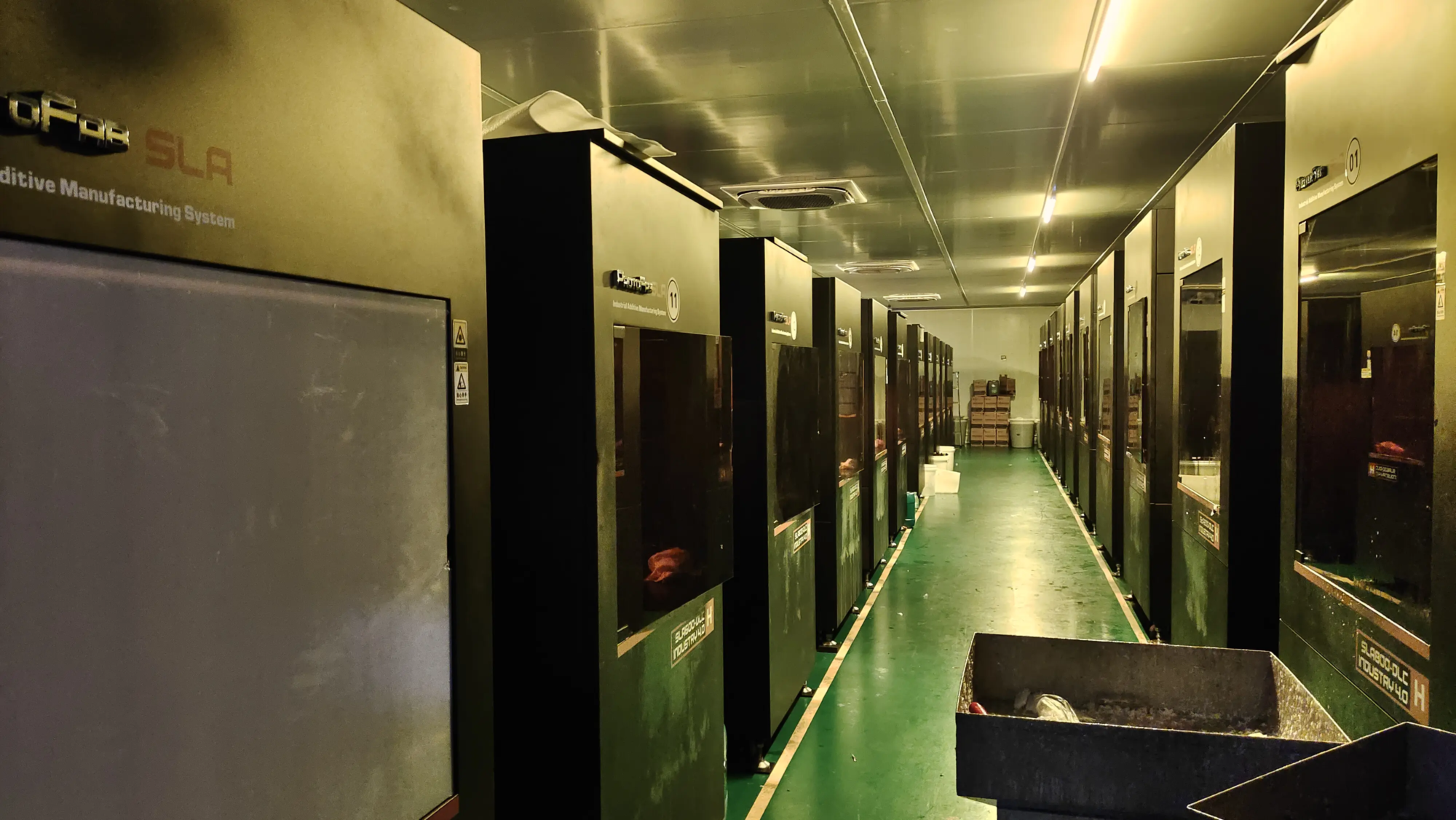
The 3D printed electric planter isn’t just a clever gadget, it’s transformative. It empowers small farmers, cuts costs and promotes sustainable practices. Crucially, it exemplifies accelerated innovation through rapid prototyping. exist huge lightwe support this revolution. Our SLM printer and post-processing expertise helps creators iterate on robust metal/plastic components for agricultural technology. Need a custom nozzle or load-bearing gear? We quickly transform your precise concept into a lasting agricultural partner. Ready to plant the seeds of change? Let us prototype your vision—download local CAD file or Contact GreatLight today for a quote.
Frequently Asked Questions About 3D Printed Electric Seeders
Q1: Can this drill handle all types of seeds?
A: Of course, the design is modular. Interchangeable hopper and meter suitable for tiny carrot seeds (1mm) or sturdy beans (15mm+). Material selection (e.g., smooth nylon lining to prevent snags).
Q2: How is the weather resistance of printed parts?
A: Engineering grade polymer or metal printed internals like ASA can withstand rain, heat and UV rays. Sealants/coatings add protection, while testing shows reliability at temperatures up to 50°C.
Q3: What is the power supply? Battery life?
A: Most electric drills use 12V rechargeable batteries that can last 4-8 hours, depending on soil hardness. Options exist for solar charging or tractor power.
Q4: Can I repair the damaged parts myself?
Answer: Yes! If a damaged PLA part breaks, it can be cost-effectively reprinted on site. Design often involves assembly in sections to replace individual parts.
Q5: Does soil type affect performance?
Answer: Hard soil requires reinforced furrow blades (using SLM steel). Adaptive mounting kit allows penetration into clay/loam soils at an angle – CAD files can modify the blade geometry as needed.
Q6: How scalable is production?
A: From 5 prototypes to 500 units in operation. Plastic parts molded by fused deposition are suitable for batch production; metals benefit from GreatLight’s industrial-scale SLM cluster.
Q7: Cost comparison with commercial drilling rigs?
A: Ideal for small farms: Custom plastic drill bits start at less than $200, while factory-made steel drill bits start at over $2,500. By saving seeds, you can pay for yourself in one season.
Revitalize your field productivity—Cooperate with Gretel. We specialize in metal rapid prototyping through SLM and versatile post-processing, helping engineers around the world prototype resilient agricultural parts at unparalleled speed. Request a free design consultation – your precision solution starts here.