introduce
In the maker community, DIY projects blend creativity with practicality, and using a 3D printer to make your own flashlight is a perfect example. Forget about generic store-bought lights: with 3D printing, you can make a tool based on your needs, whether it’s a compact EDC (everyday carry) light, a high-lumen light for camping, or an ergonomic design with a unique handle. This guide will walk you through the entire process from CAD design to assembly to create a durable, fully functional flashlight. Whether you’re a hobbyist or an engineer, this project blends electronics flair with rapid prototyping magic and is perfect for hands-on innovation.
Why make a 3D printed flashlight?
1. Unlimited customization:
Design a body that fits your hand perfectly, add bike or helmet mounting points, integrate reflectors, and even create dual battery compartments for extended runtime. Unlike mass-produced flashlights, your design can evolve based on your needs.
2. Cost-effective and sustainable:
Take advantage of cheap components: LEDs, lithium batteries and switches – all of which can be purchased cheaply online. housing? Print pennies using PLA or PETG filament. Upgrade old batteries to be environmentally friendly.
3. Learning opportunities:
Master practical skills: CAD modeling, circuit fundamentals, thermal management, and materials science. This is the most attractive STEAM education.
Components you need
Here is the toolkit:
- 3D Printers and Supplies: Use PETG or ABS for heat/shock resistance (~$25/kg).
- Light engine: 5W–10W LED modules with driver (e.g. CREE XML-T6).
- power supply: 18650 lithium battery (3.7V) or AA battery.
- change: Waterproof toggle switch or click switch.
- Additional features: Wire, solder, thermal paste, lens (glass or polycarbonate) and reflector/diffuser.
Step-by-step build guide
1. Body design:
- software: Start with TinkerCAD (beginner) or Fusion 360 (advanced).
- Main features:
- heat sink: Add aluminum ribs around the LED mount to dissipate heat (only the plastic will warp).
- Battery compartment: Dimensions precisely fit your cells – including springs or contacts.
- Ergonomics: Angled grips, finger grooves or anti-roll flats.
- Modularity: Design threads for removable end caps.
[Insert placeholder: Concept sketch of a flashlight cutaway showing internal ribs and electronics]
2. Printing precautions:
- Material: PETG is the ideal material (heat resistant, tough). Avoid using PLA near LEDs – it will deform above 60°C.
- set up:
- Floor height: 0.2 mm for smooth surfaces.
- Infill: 40–60% for structural integrity.
- Support: Suitable for protruding parts such as internal cavities.
- Post-processing: Sand the seams, use an epoxy coating for waterproofing, or use vapor smooth ABS for a glossy finish.
3. Assembly drill:
- Prepare electronics: Solder the wires to the LED driver and switch. Test the circuit before final assembly.
- Thermal management: Apply thermal paste between the LED and the printed heat sink. If desired, embed metal strips.
- Security components: Paint the LED module inside the printed holder. Snap in the lens/diffuser.
- Final assembly: Install the battery, route the cables neatly, and seal the joints with O-rings or silicone.
Safety first!
- Electrical safety: Use heat shrink tubing on the solder joints. Add a fuse to the lithium battery to prevent short circuits.
- High temperature risks: Run LEDs at ≤80% maximum brightness or add cooling fans for high power builds.
- Material safety: Avoid using toxic filaments (such as ABS exhaust) in areas prone to heat.
further customization
- water proof: Seal the gap with an O-ring and waterproof switch.
- Smart features: Embed Bluetooth for phone control or motion sensor for automatic brightness.
- Material upgrade: Print with glow-in-the-dark filament or UV-reactive filament.
- aesthetics: Layer colors or add engraved patterns with multi-material printing.
in conclusion
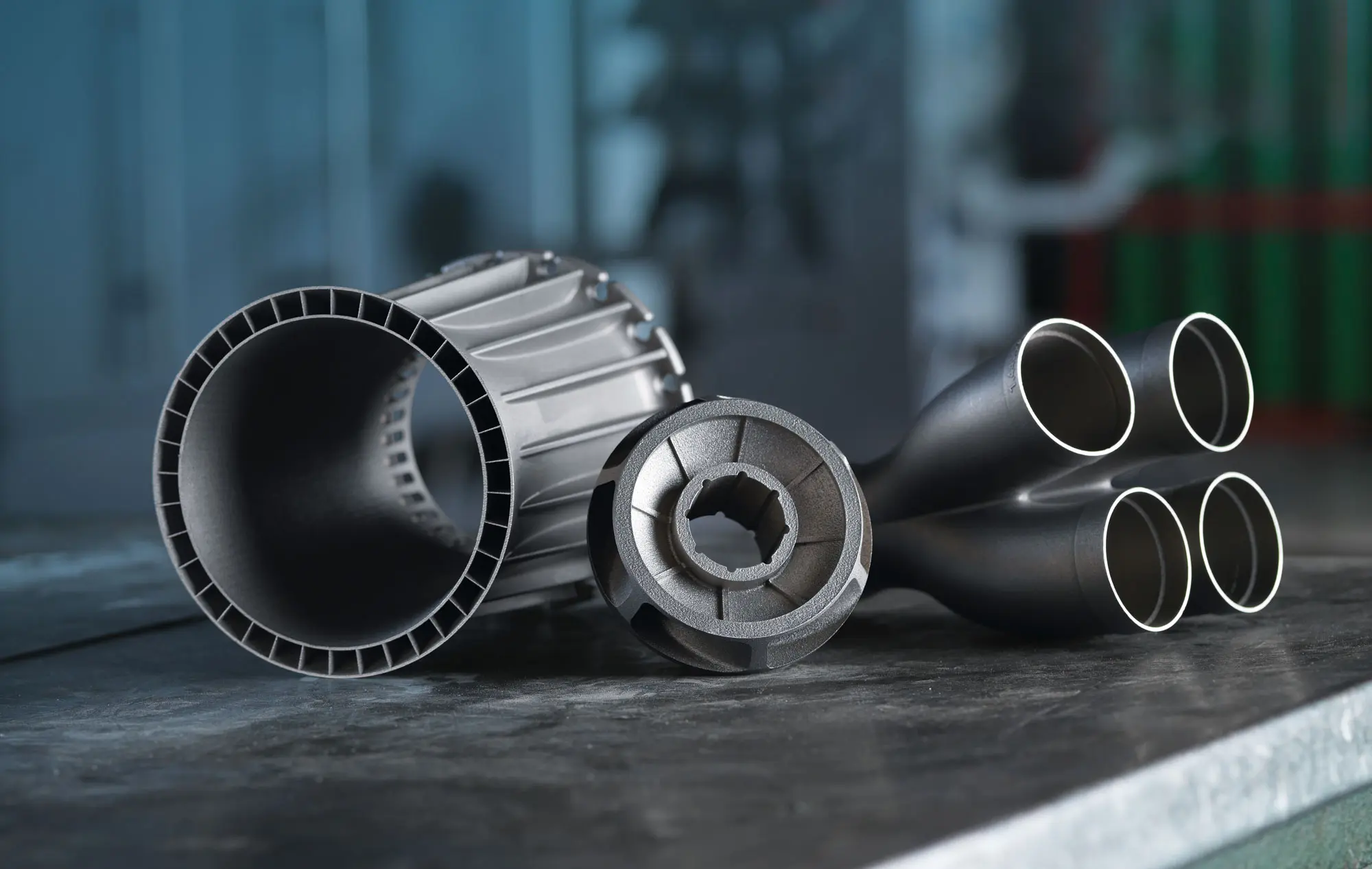
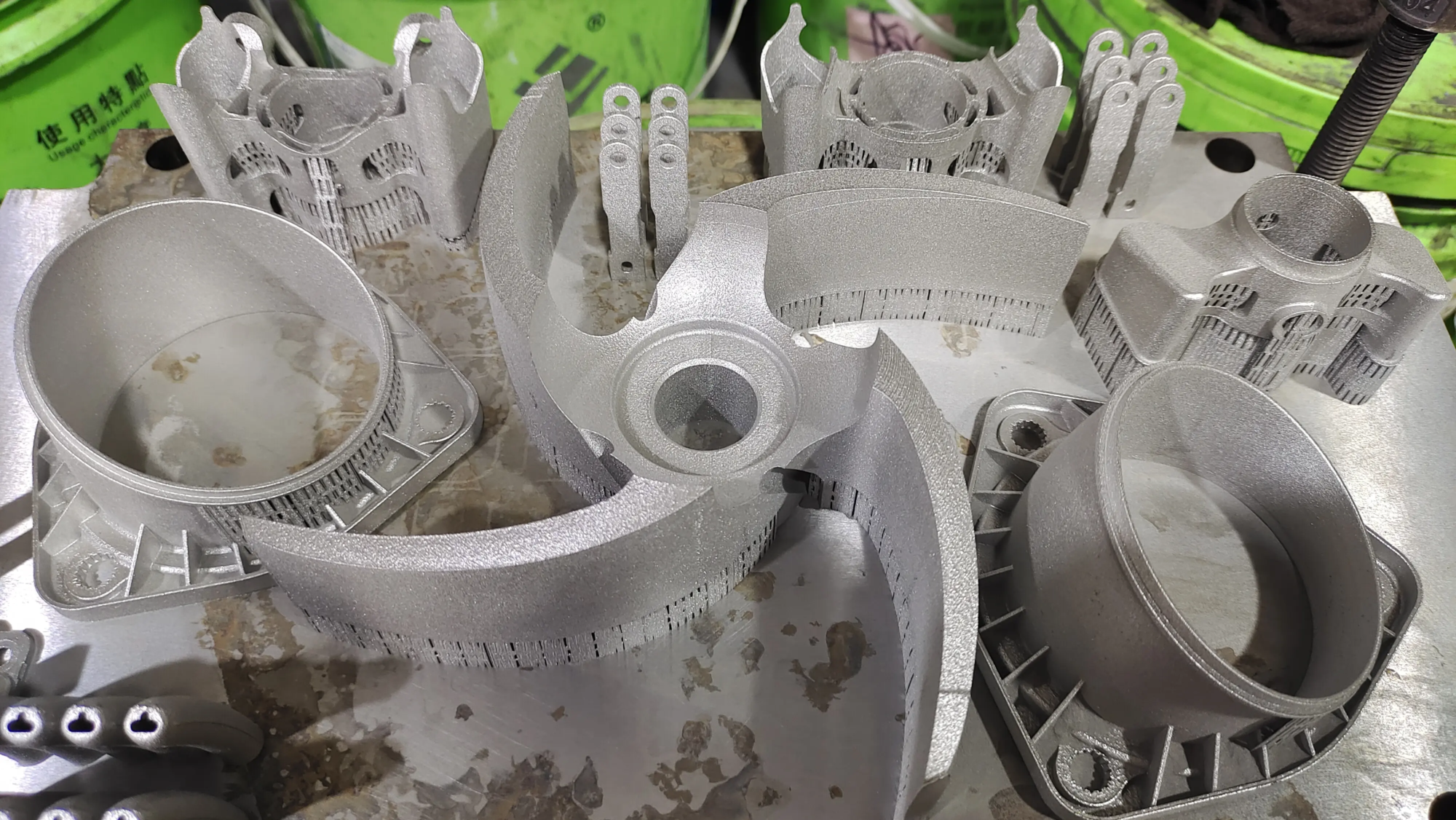
Building a 3D printed flashlight is more than just a project, it’s a gateway to mastering custom and functional design. While plastic printers are great for prototyping, Demanding applications such as aerospace or heavy tooling require the precision of metal housings. This is the advantage of GreatLight. As leaders in rapid prototyping, they utilize Advanced SLM (Selective Laser Melting) Metal 3D Printer Create ultra-durable aluminum, titanium or stainless steel parts.
Why choose metal? It can withstand extreme temperatures, impacts and environments well beyond the range of consumer plastics – perfect for professional torch bodies or industrial equipment. GreatLight is more than just a printer; they are a full-service solution. From initial design refinement to post-processing (polishing, anodizing, QC), they bridge the gap between DIY enthusiasm and commercial-grade reliability.
Whether you’re iterating on a flashlight design or designing a critical mechanical part, their One-stop prototyping and finishing capabilities—plus competitive pricing—Keep high-strength metal parts within easy reach. Customize your precision prototype today at the GreatLight Center: Where imagination endures.
FAQ
1. How durable is a 3D printed flashlight?
PETG or ABS bodies hold up well to drops and moisture. For extreme stresses (such as automotive applications), metal parts printed via SLM are preferred.
2. Can 3D printed parts withstand LED heat?
Standard LEDs are used with printed heat sinks, but copper or aluminum inserts can improve heat dissipation. For LEDs above 20W, please use metal case prototypes instead.
3. Is welding required?
Yes, but beginners can use solderless connectors or buy pre-wired LED kits. Practice safety to avoid short circuits.
4. What is the cost difference compared to buying in a store?
DIY: $10-$30 (plus filament). Commercial equivalents with custom features range from $50-$200+ (especially metal).
5. What materials can GreatLight print for metal flashlights?
Aluminum (lightweight), stainless steel (strong), titanium (aerospace grade) – all materials are customizable and available with surface treatments such as sandblasting.
6. How waterproof can I make it?
IP67 rating is achieved with epoxy-sealed electronics, O-rings, and coated body.
7. Do I need CAD experience?
Not necessarily – start with free templates online. Before diving into an original design, modify the dimensions with a beginner-friendly app.
Ready to start your project? Printing, welding, polishing——Your world, wonderfully customized.