Bloom Innovation: The Ultimate DIY Guide to 3D Printed Flower Pots
Forget regular clay! The gardening world is embracing the digital age, and 3D printing offers a revolutionary way to develop gardening skills. Imagine having a unique planter designed and crafted based on your decor, the specific needs of your plants, or even your quirky sense of style—all from the comfort of your home. This guide reveals the secrets of using a 3D printer to create stunning, functional planters, delving into design, materials, printing and finishing.
Why choose 3D printed flower pots?
Its appeal goes beyond novelty:
- Super customized: Make flower pots of any shape, size, color and pattern. Design intricate geometric patterns, replicate architectural styles or create automatic watering systems – your imagination is the only limit.
- Perfect fit: Craft pots are designed specifically for a specific plant’s root ball size or watering habits (such as orchids that require good drainage). Optimize space with stackable or wall-mounted designs.
- Design integration: The planter blends seamlessly into your furniture or shelf with an integrated design. Create a unique themed display or personalized gift.
- Functional innovation: Integrate features such as water reservoirs, humidity sensors or grids directly into the design. Printed pots optimized for hydroponics or automatic watering systems.
- Material exploration: Experiment beyond traditional ceramics—from sturdy, weather-resistant plastics to metals that might be used for personalized pieces (more on that later!).
Before Printing: Basic Design Considerations
Success begins long before the hit "Print":
-
Assess your facility’s needs:
- Drainage is most important: There is no room for negotiation! Design holes in the bottom (multiple small holes usually prevent clogging better than one large hole). Size them appropriately for your soil type. If possible, include a drain dish design.
- ventilation: Is the breathable cloth basin loose? Replicate this (ensuring structural integrity) with strategic lattices or patterned wall sections.
- Size and shape: Match the pot to the plant’s mature root system. Tall cacti require depth, shallow-rooted herbs prefer breadth. Consider weight distribution after filling.
-
Choosing the right material (filament):
- PLA (polylactic acid): Starting filament is preferred. Biodegradable under industrial conditions, easy to print and available in a wide color range. limit: Will soften/warp in hot sun or hot car interiors; biodegrades slowly in home compost. Best for indoor use or a shady outdoor location.
- PETG (polyethylene terephthalate): Excellent choice for potted plants. It has higher temperature and weather resistance than PLA, is durable, maintains stiffness well, and is available in waterproof, food-safe variants. Better UV resistance than PLA. Great for indoor and outdoor potting.
- ASA (Acrylonitrile Styrene Acrylate): Outdoor champion. Excellent UV, weather and temperature resistance. Similar printability to ABS, but with much lower smoke content. Ideal for potted plants exposed to strong sunlight and the elements. The cost is slightly higher.
- Avoid using ABS: Prone to warping and noticeable smoke during printing; generally less suitable than PETG or ASA.
- Material size: Larger pots benefit from thicker walls (2-3 girth, 30%+ infill) for increased structural strength.
- Master your software:
- design: Tinkercad (intuitive shapes) for beginners. Fusion 360 for powerful parametric modeling and complex curves. Blender for highly organic forms. There are many free potted plant designs available on Thingiverse, Printables and more – perfect for inspiration or a starting point.
- slice: Use a slicer like PrusaSlicer or Cura. Button settings:
- Generate supports only for severe overhangs (minimizing waste).
- Use edges/feet to adhere to the irregular base, not the raft (harder to remove). enable "hole polishing" For cleaner drain holes.
- Optimize fill pattern and density – Gyroid balances strength and material efficiency. Taller walls (e.g., vase pattern) may be strong but use less material.
- Consider turning the jar upside down (base first) for a cleaner top edge, but make sure the base layer is sturdy.
Printing Process: Step by Step
- Finalize and slice: Make sure your model is waterproof (no gaps). Check the drainage holes carefully. Slice with selected settings to preview potential issues.
- Printer preparation: Carefully level your bed. Thoroughly clean the build surface (isopropyl alcohol). Make sure the filament is dry (especially PETG/ASA).
- First level focus: This determines adhesion. Slow down the first layer. Consider raising bed temperature slightly. Watch carefully.
- Monitoring and maintenance: Check regularly for spaghetti (print failure), extruder jumps, or warped lift edges. PETG/ASA benefits from an outer shell that prevents drafts.
- Post-printing processing: Let the pan cool completely before removing it from the bed. Carefully remove supports and any adhesive aids (edges/feet). Trim the line with a precision knife.
Beyond printing: post-processing your masterpieces
Original printing often needs improvement:
- clean: Use compressed air, a brush or gentle washing to remove dust/strings.
- Polishing: Use gradually finer sandpaper to smooth the ply lines (wet sanding reduces PLA dust). Tedious, but essential for paint prep to finish.
- Organizing options:
- painting: Use a primer designed for plastic, then apply acrylic paint. Consider using a waterproof sealant (clear spray) on the exterior.
- Epoxy coating: Creates a thick, durable, glossy, waterproof seal. Great for hiding layer lines and adding protection. Food safe epoxy resins available.
- Natural finish: Stay as is! Layered lines can have aesthetic appeal.
- Functional preparation: Make sure the drainage holes are completely clear.
Advantages, Disadvantages and Sustainability: A Balanced Perspective
- advantage: Unparalleled customization, rapid iteration, access during supply shortages, the potential for complex integrated functionality, the excitement of DIY creation.
- challenge: Failed prints waste material/time, large pots require a lot of time/effort, PLA indoor/organic limitations, layer line/texture aesthetics may not be universally appealing.
- Sustainability considerations: critical.
- footprint: Printing consumes electricity and plastic. Optimize design to minimize material usage (infill percentage, efficient wall construction).
- End of material life: People’s Liberation Army "Biodegradability" Often exaggerated (requires specific composting facilities). Recycling infrastructure for printed plastics is limited. PETG/ASA is not biodegradable but recyclable Theoretically If collected separately.
- action: Prioritize a durable design that you will use for many years. Use recycled/recyclable filament if available. Minimize failures through careful setup. Choose PETG/ASA to extend service life. Ultimately, the ecological costs are weighed against the benefits of customization and avoiding shipping/production of mass-produced items.
Beyond PLA: When your vision calls for metal
When it comes to truly extraordinary, durable statement pieces—perhaps architectural planters for rare bonsai, or high-tech integrated systems of intricate designs using sturdy materials—DIY filament printing is stretched to its limits. Enter a major Metal 3D printing services.
company likes huge light Excellent performance here. as a leading Rapid prototyping expert GreatLight from China operates advanced Selective Laser Melting (SLM) Equipment that precisely melts metal powder layer by layer.
Why should you consider making pots out of metal?
- Unparalleled durability: Stainless steel or aluminum alloys can resist corrosion, impact and extreme temperatures indefinitely.
- PREMIUM FINISHES AND DETAILS: Achieve extremely fine details and properties, such as complex lattices, that are otherwise impossible to achieve.
- Unique thermal properties: Metal pots respond more quickly to temperature changes, affecting soil temperature – which may be beneficial for some plants.
- Design freedom: Transform complex load-bearing designs directly into reality.
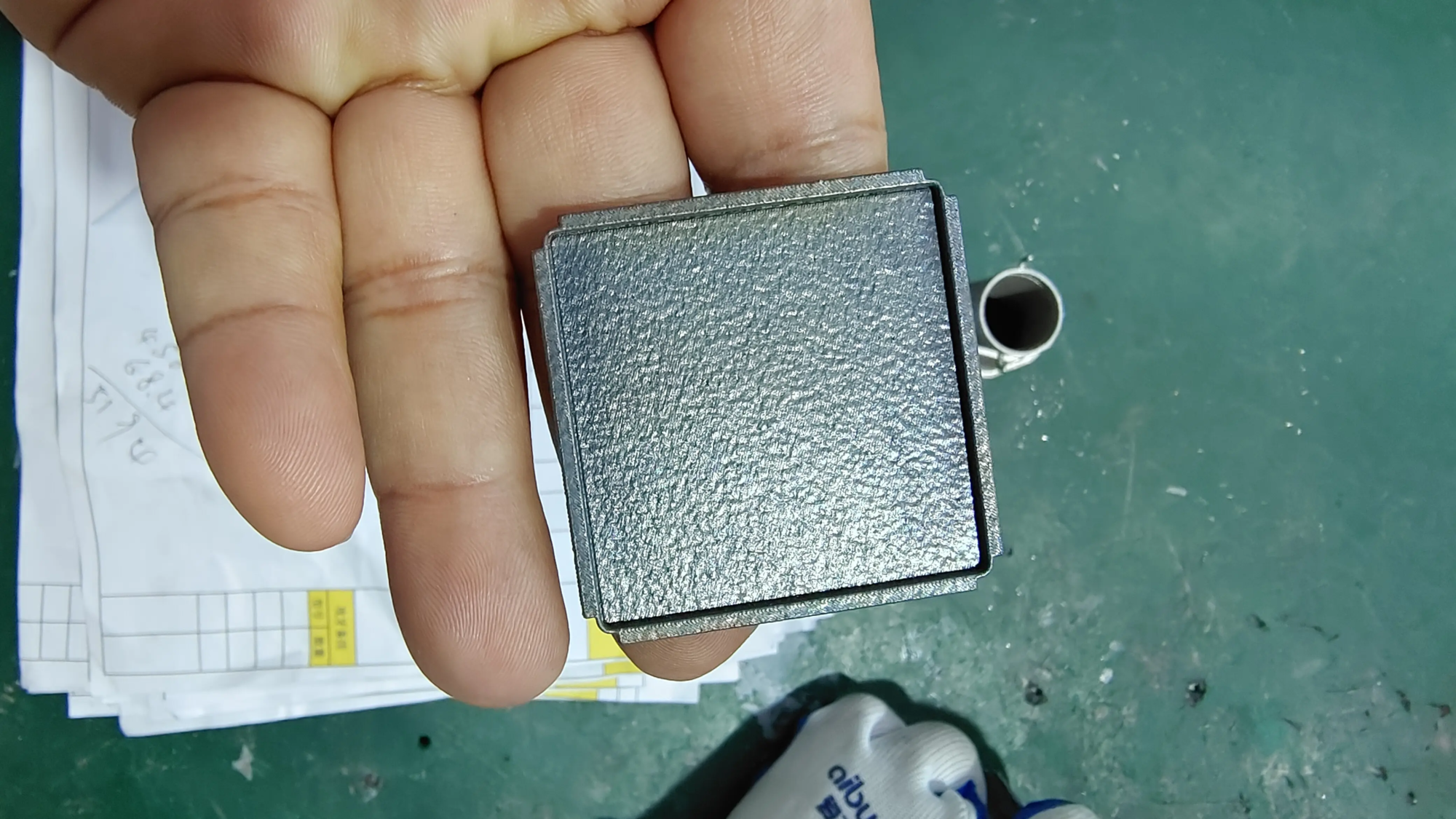
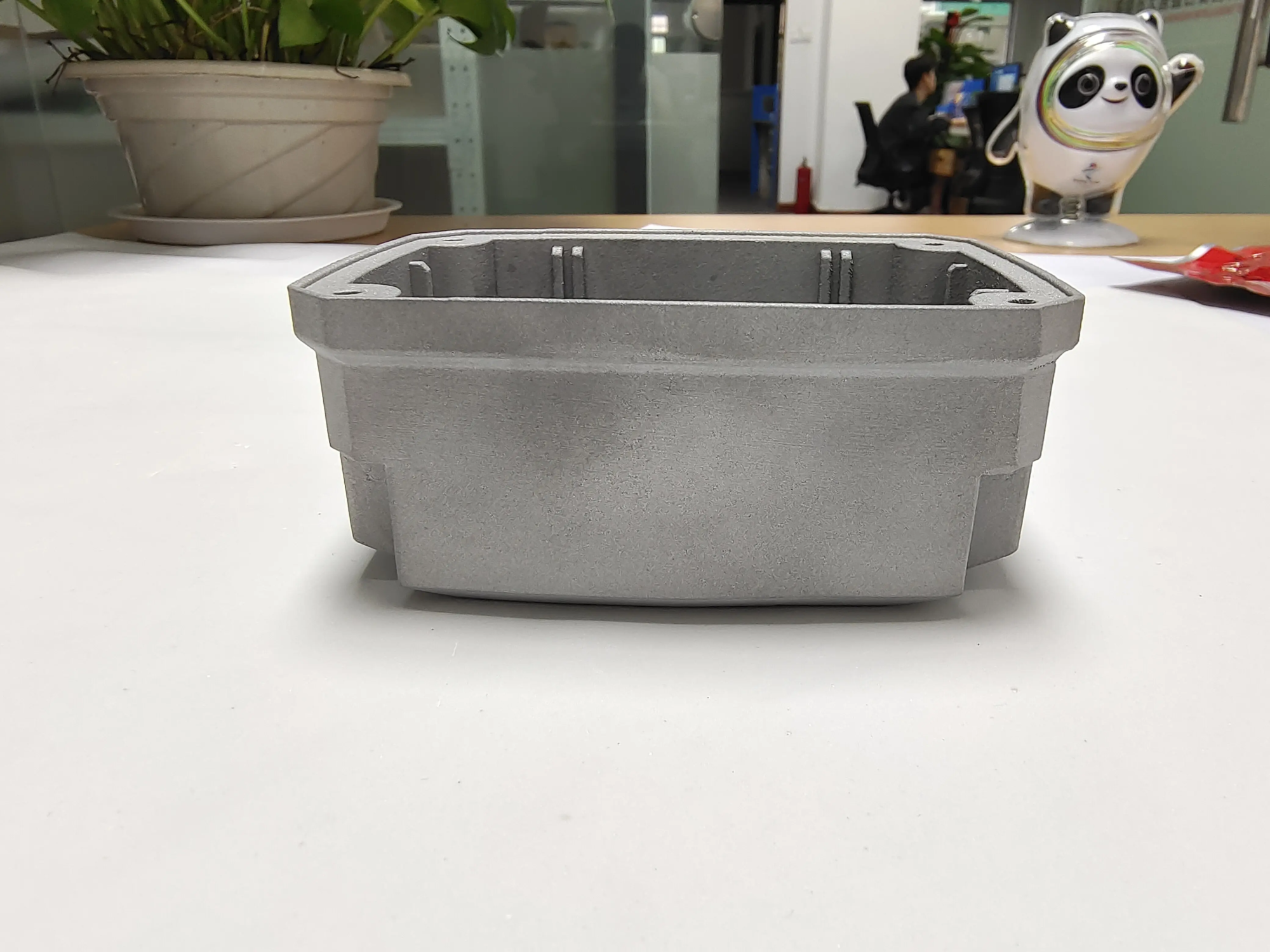
Honlait offers comprehensive support: design consultation (pot optimization), material selection (especially grade 5 titanium, stainless steel 316L, aluminum AlSi10Mg), printing, and most importantly, Extensive professional post-processing capabilities. This includes stress relief, CNC precision machining of perfect holes/flat bases, sandblasting, polishing, anodizing, plating, etching, engraving, and more to transform raw printed parts into perfectly functional works of art.
Whether you’re exploring filament printing on your own or envisioning an heirloom metal masterpiece through a professional, 3D printing is opening up new realms of gardening creativity.
in conclusion
3D printed planters blend technology and nature, allowing creators to design containers that perfectly suit their plants’ needs and aesthetic desires. Starting with PLA for indoor projects and progressing to weather-resistant PETG/ASA for outdoor projects, offering huge DIY potential. Thoughtful design that prioritizes drainage, environmentally appropriate material selection, meticulous printing and creative finishing unlock this potential. While careful consideration of environmental impact through durable design and responsible material selection is crucial, the ability to create unique, functional and innovative planters is also undeniable. When your ambitions extend to materials like titanium or complex architectural forms, take advantage of professional rapid prototyping services like GreatLight to take metal planters from sci-fi fantasy to reality. So embrace the fusion of scraps and blooms – fire up your slicer and start your journey to personalized potted plants!
FAQ: 3D Printed Flower Pots
-
Are 3D printed flower pots safe for plants?
first, Yesespecially using the correct materials and precautions. PETG and ASA are safe for long-term use outdoors. Make sure the PLA pots are not exposed to high temperatures/direct sunlight. Ingredients: Good drainage holes to prevent root rot, filaments are non-toxic. UV resistant material aids outdoor activities. Clean prints thoroughly before use.
-
Which filament is best for outdoor planters?
polyethylene terephthalate The pros are: durable, weather-resistant, UV-resistant enough to withstand most climates, and affordable. ASA With excellent UV resistance and high temperature resistance, it is ideal for harsh sunlight exposure. Avoid using PLA in critical long-term outdoor use. -
How do I ensure my printed planter has adequate drainage?
design: There are multiple holes (approximately 4-6 mm in diameter) in the center of the bottom. Avoid single holes being easily clogged. Consider incorporating a stand/dish. print: Use slicer settings (e.g. "hole polishing") to ensure the inside of the hole is clean. Visually inspect after printing and use a drill to remove any obstructions. -
Will PLA planters biodegrade in my backyard compost pile?
Not likely. PLA requires industrial composting conditions (high sustained heat over 140°F/60°C and specific microorganisms) to break down effectively. In a typical household compost bin or landfill, PLA degrades extremely slowly, similar to traditional plastics. Do not rely on home composting for PLA pots. If PLA is accepted by local facilities, it is best to dispose or recycle it like plastic waste. -
Can I paint 3D printed flower pots?
Absolutely! Sand first to smooth the layer lines (wet sand PLA). Clean thoroughly. Apply plastic-specific primer spray paint (vital for adhesion). Use acrylic paint. Seal with clear spray sealant for added durability and moisture resistance, especially outdoors. -
My large flowerpot keeps getting deformed. How can I prevent this from happening?
Warping occurs when the layers cool unevenly and shrink. Solution:
- Optimize bed adhesion: Use a bed that is clean, level, and at the appropriate temperature (the material is warmer). Use an edge (better than a raft, easier to remove).
- Comes with printer: Critical for ASA, helpful for PETG on large prints. Blocks airflow and maintains consistent ambient temperature.
- Temperature difference when getting out of bed: Lower the bed temperature slightly after the first few layers.
- Stronger adhesive: Try using a different adhesive (e.g., PETG hairspray, glue stick).
- Increase surface contact: Design a flat, wide base with chamfers/roundings to minimize lift points.
- Can I really 3D print metal flower pots?
Yes, professional! The company specializes in Metal Additive Manufacturing (e.g. GreatLight) Print directly on metals like stainless steel, titanium, or aluminum using technologies like Selective Laser Melting (SLM). This provides incredible strength, unique aesthetics, and intricate intricate designs that lack the support requirements that would otherwise be achieved. While not DIY, it is perfect for custom, high-end or highly functional/complex planter designs that require superior durability and longevity. The service handles printing and necessary post-processing (such as polishing).
Ready to create your signature planter or need professional metal fabrication for an ambitious design? Explore endless customization possibilities. GreatLight efficiently solves complex prototyping needs – from complex plastic prototypes to precision metal parts. Optimize your planters with expert design, industry-leading SLM printing capabilities using Grade 5 Titanium, Stainless Steel 316L, Aluminum AlSi10Mg and more, and comprehensive finishing. Customize your vision at the best price: [Link to GreatLight Services].