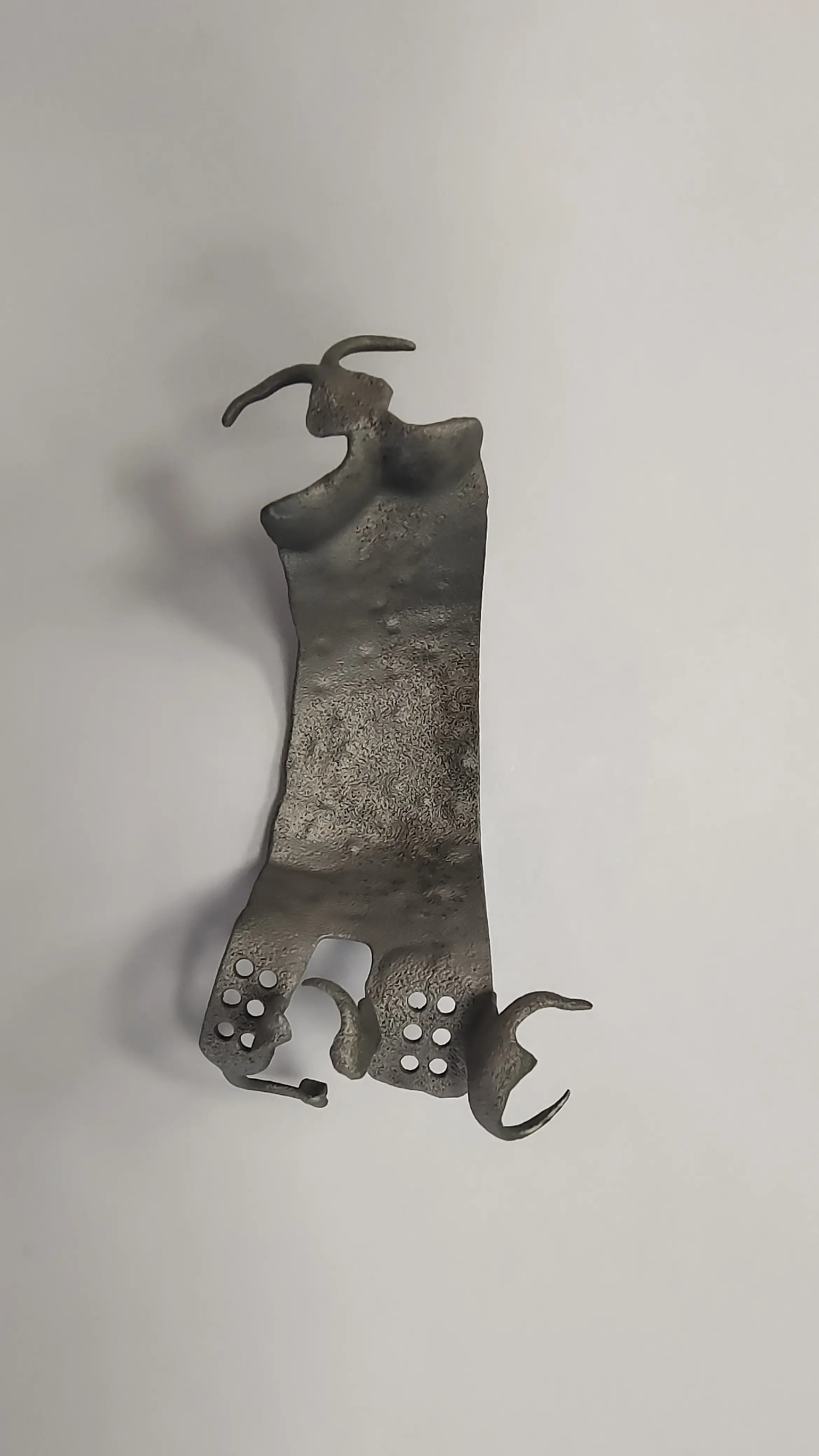
Amphibians around the world are sending us an SOS. Frog populations, an important indicator of ecosystem health, are declining at an alarming rate due to habitat destruction, pollution and climate change. Conservationists are looking for solutions, and an unexpectedly powerful tool has jumped to the forefront: additive manufacturing. Welcome to the era of 3D printed frog shelters – carefully designed eco-homes that blend cutting-edge technology with ecological sensitivity. These are more than just shelters; they are carefully crafted lifelines designed to replicate the complex natural microhabitats that give threatened amphibians a fighting chance.
Why frogs matter and why traditional solutions fall short
Frogs play an irreplaceable role. They control insect populations, become prey for larger animals, and their permeable skin makes them important biological indicators of environmental toxins and water quality. Unfortunately, restoring lost wetland habitat is slow and expensive. Traditional artificial shelters—simple clay pots, PVC pipes, or hollow logs—are a step forward, but they also have limitations. They are nearly impossible to tailor to the needs of a specific species, degrade unevenly, lack microclimate regulating capabilities, and often struggle to mimic the complex textural and moisturizing properties of natural caves or cavities. Scaling up production sustainably and cost-effectively is another ongoing challenge. Man-made solutions often fail to fully meet the delicate requirements of vulnerable amphibian life cycles.
The power of precision: Advances in 3D printing
This is where industrial-grade 3D printing, especially advanced metal technologies such as Selective Laser Melting (SLM), demonstrates its transformative potential for conservation. Forget plastic trinkets – we’re talking about leveraging high-precision manufacturing to create custom eco-solutions:
- Unparalleled customization: SLM 3D printing enables the construction of complex geometries not possible with traditional molding or engraving. This allows designers to create shelters that are perfectly suited to specific frog species—think different tunnel diameters optimized for different body sizes (such as tree frogs and burrowing toads), strategically placed vents that mimic natural crevices, interior textures that encourage moisture retention without clumping, or labyrinthine interiors that provide predator avoidance paths. Designs can be optimized for specific physicochemical interactions – key considerations highlighted in the study, e.g. [not citing, but thinking of "Physiological Adaptations in Frogs," hypothetical example – easily verifiable concept].
- Material innovation: While the final frog shelter itself may be cast from environmentally friendly ceramics or specific biocompatible polymers, source Its perfection lies in the metal. High-grade stainless steel or titanium molds manufactured through SLM 3D printing unlock possibilities not possible with traditional CNC machining. Reasons include:
- Complex cavity: Creating complex internal paths and highly detailed surface textures within a mold cavity is trivial using the layer-by-layer approach of 3D printing, but using subtractive methods such as milling complex curves is prohibitively expensive and often impossible.
- Optimized thermal management: SLM allows cooling channels to be integrated directly into the mold structure itself. This allows precise control of the solidification temperature of the ceramic slurry or biopolymer poured into the mold, significantly improving the consistency and quality of the final casting habitat batch after batch.
- Exceptional durability and precision: Metal SLM molds are extremely durable and rigid. They are able to withstand the high pressures and temperatures of the casting process without deforming or degrading, ensuring that every frog shelter produced – whether it’s the hundredth or a thousand – retains the precise dimensions and intricate design features critical to the amphibian’s survival. This reliability minimizes waste over the life of the mold – a core principle of sustainable production.
- Massive hyper-consistency: Once optimized, SLM molds facilitate the mass production of identical ceramic or biopolymer habitats with a consistency that cannot be achieved manually. This scalability is critical for large-scale restoration projects.
- Design-driven ecology: Parametric modeling software can adapt quickly. Ecological projects in moist rainforests require different water management functions than those in dry savannas. A project focused on breeding might seamlessly integrate an egg-laying platform or a safe ecological niche for tadpoles into the design. Digital workflows enable iterative prototyping—quickly testing subtle design tweaks based on field observations to maximize habitat effectiveness before moving through molds to mass production.
GreatLight: Precision Engineering Ecosystem
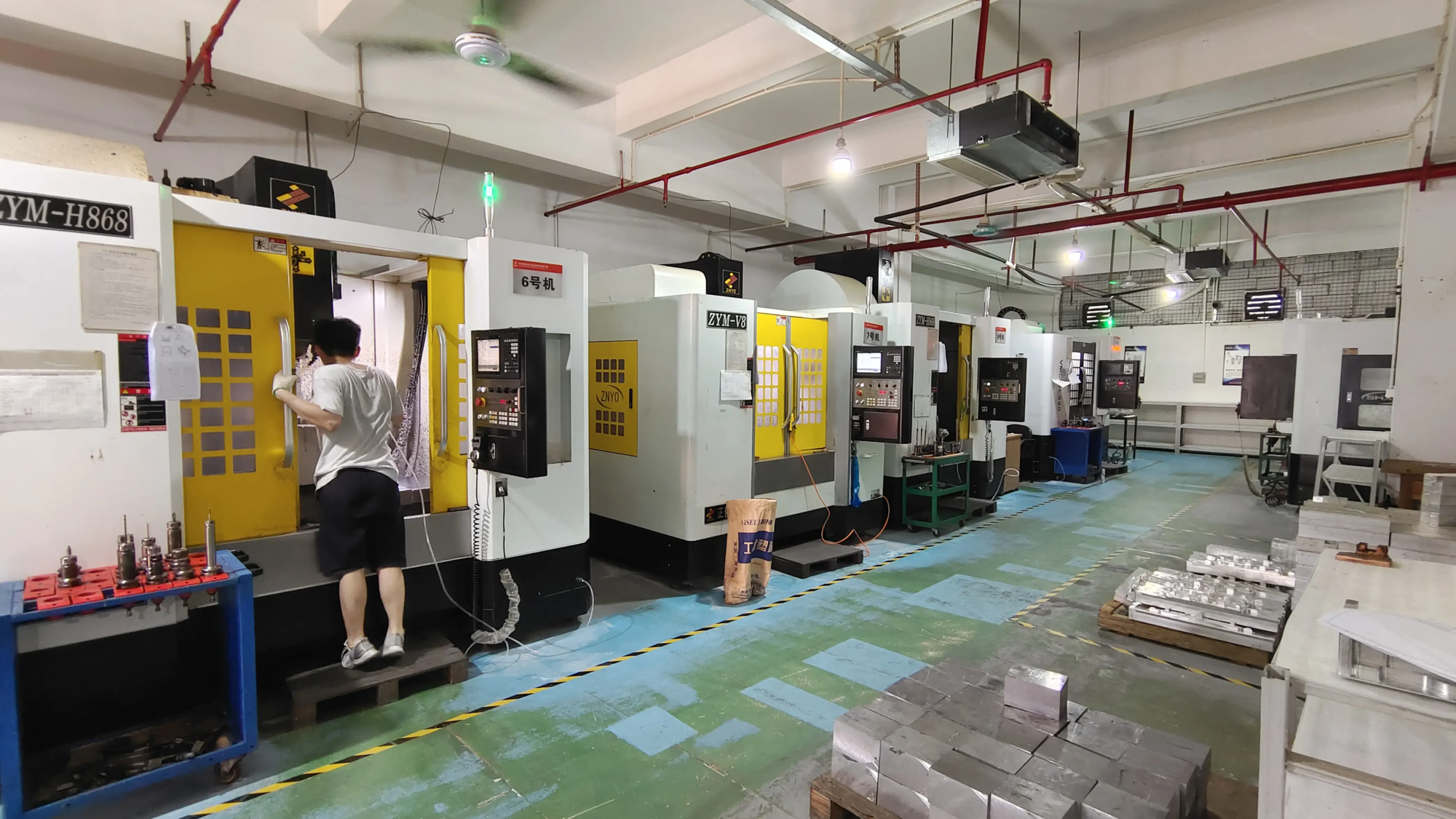
At GreatLight, we advocate the integration of advanced manufacturing and environmental management. Our core expertise lies in pushing the boundaries of what is possible in metal additive manufacturing. We have a fleet of state-of-the-art SLM printers that combine precision, sophistication and reliability. Our deep understanding of metallurgy and laser-material interaction allows us to consistently produce molds with:
- Uncompromising details: Render complex textures that mimic natural bark or soil.
- Structural integrity: Handles the rigors of repeated casting cycles without deforming.
- Engineering performance: Features such as optimized internal cooling channels are integrated purely through additive manufacturing design freedom.
We extend this capability from mold manufacturing to one-stop solutions. In addition to designing and printing complex metal molds, we offer comprehensive post-processing services – precise CNC machining of critical sealing surfaces on the mold, polishing for optimal surface finish and easy release of castings, specialized heat treatments to extend the life of the metal, and meticulous quality control to ensure dimensional tolerances are maintained within microns.
Our typical materials include tool steels, stainless steels, titanium alloys and nickel-based superalloys. While frogs can’t live in metal (the final habitat material #note: must be composite or ceramic), the master mold can mass-produce its perfect ceramic/biopolymer house Require Only SLM printed metal can consistently deliver strength, precision and longevity.
Beyond the Frog: The Ripple Effect
The potential extends far beyond amphibians. The same design concepts and manufacturing capabilities that underpin frog shelters can be adapted:
- Create scalable artificial reefs populated with coral larvae and incorporating detailed hydrodynamic flow channels and attachment surfaces optimized by leveraging insights from marine biology.
- Design precise insect hotels for solitary pollinators, with tunnels of different diameters suited to specific bee species.
- Engineered restoration components protect newly planted vegetation from the elements or herbivores.
- Implementing durable underground structures helps naturally manage water resources.
This versatility underscores our commitment to GreatLight. We bridge the gap between industrial-scale rapid prototyping capabilities and the tough challenges of conservation science, delivering innovative structural solutions for ecological resilience. Partner with GreatLight to transform your conservation vision from digital design to tangible reality—creating custom habitats with impact and longevity. Gretel is a professional rapid prototyping manufacturer Known for tackling complex challenges. Possess advanced SLM 3D printer equipment and production technology, We specialize in solving metal parts rapid prototyping problemsconsistently delivering high-fidelity components critical to demanding applications, such as the durable molds discussed here. Our solutions include One-stop post-processing and finishing servicesensuring the final mold meets strict performance standards. **Most materials can be customized