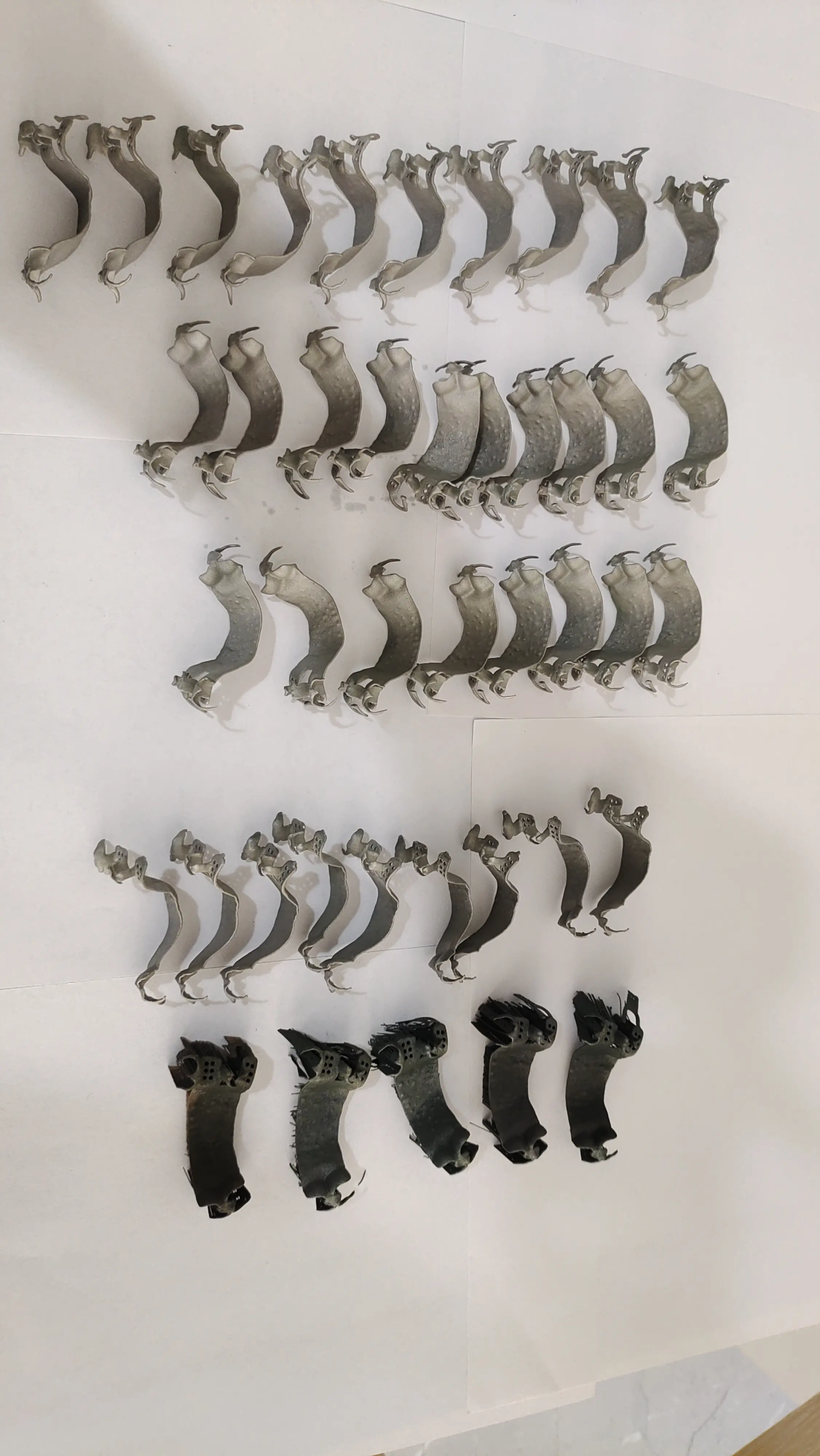
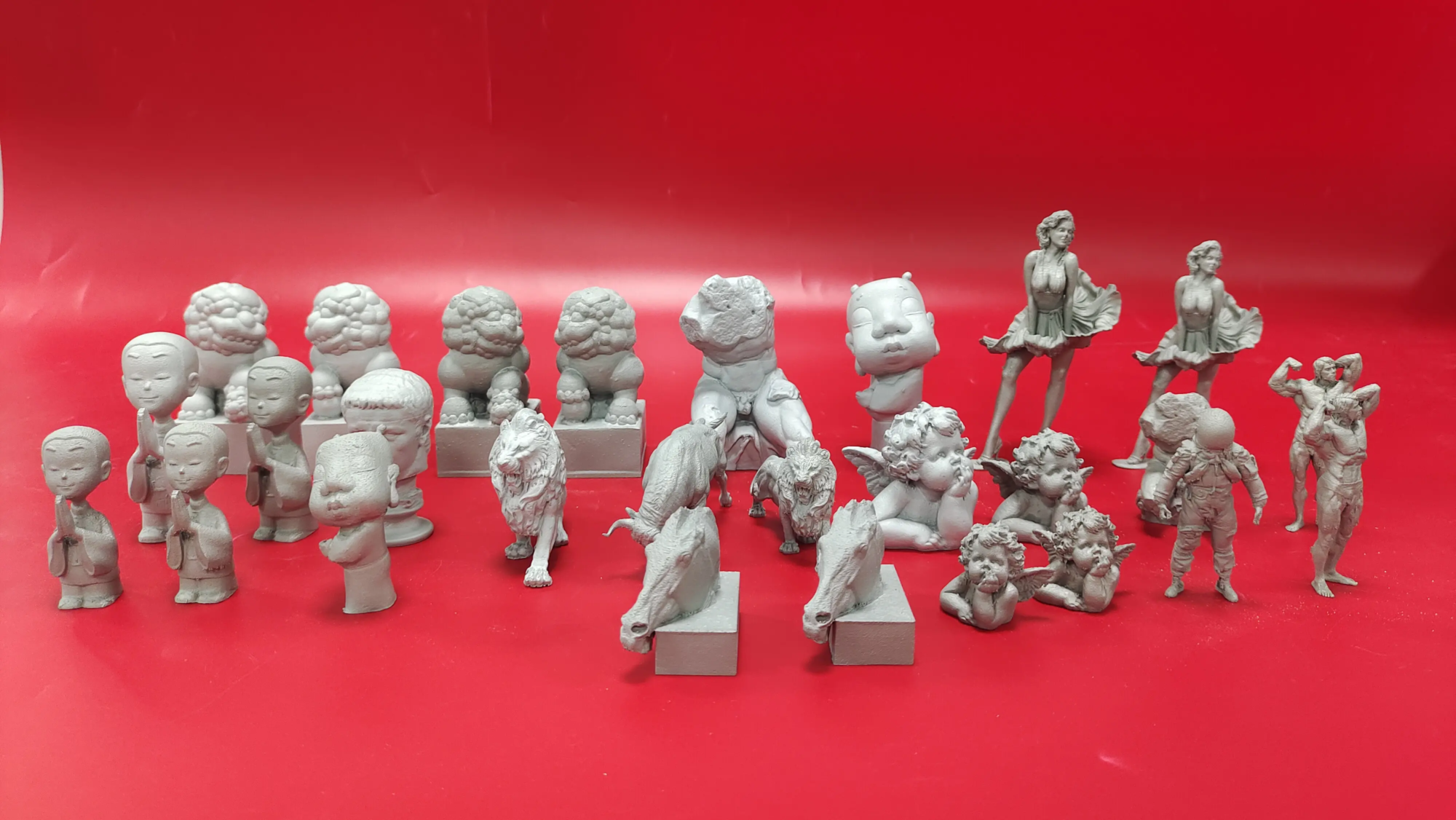
introduce
For furry lovers and role-players, creating a unique expressive fur head is both an art and a technical challenge. Traditional methods, such as foam engraving, require meticulous hand-made, but 3D printing Now offer revolutionary options. This guide is in-depth 3D printed fur head baseuncovering the mystery of the process while emphasizing how advanced manufacturing can improve customization and durability.
Why 3D printed fur head base?
- Accuracy and complexity:
Unlike foam, 3D printing captures complex details – outside shapes, noses or expressions of eyebrows, with submillimeters of precision. This is ideal for complex designs such as robotic elements or mixed characters. - Scalability:
Do multiples of the same basis need? 3D printing ensures unity and is essential for group role-playing or professional manufacturers. - Durability:
Materials like durable ABS and nylon that are durable, type 2 wear-resistant, can resist tears and compression compared to foam. - Ergonomics:
The bottom of the Custom-Fit head is completely consistent with the wearer’s anatomy, reducing discomfort during use.
Process: The foundation from design to completion
1. Digital engraving
Make 3D models with tools such as mixers, Zbrush or Fusion 360. Priority:
- Hollow structure: Reduce weight and material costs by 30-50%.
- ventilation: Strategically place hidden vents near your nostrils or mouth.
- Modular: Design removable ears/muzzles for versatility.
2. Material selection
- Thermoplastics (PLA, PETG): Affordable prototyping; PETG has flexibility.
- Nylon (PA12/PA6): Lightweight, anti-collision, ideal for the final base.
- Resin (SLA/DLP):For ultra-smooth surfaces, but need to be reinforced due to fragility.
Pro Insight: Greatlight enables material customization (e.g., nylon infused with carbon fiber), balances strength and weight.
3. Printing technology
- FDM: Cost-effective for large parts, but requires a lot of rear dial-in.
- SLS/SLM: Laser-inserted nylon provides high durability without supporting scars. Greglight’s industrial SLM printers Excellent here, with high resolution capabilities beyond desktop printers.
- Multi-jet fusion (MJF): Faster production speed with consistent mechanical properties.
4. Post-processing
Crucial to comfort and aesthetics:
- smooth: Acetone vapor (for ABS) or grinding.
- strengthen: Use the internal frame of the aluminum rod to prevent warping.
- Filling and exhaust integration: Memory foam lining and PCV-free fan for airflow.
- Surface finish: Prime, paint and seals, and equipped with UV-proof paint.
GRESTILLE ADVATICE: Provide one-stop Post-processing serviceincluding professional sand protein and antimicrobial coatings.
Overcome key challenges
- Weight management:
Select a grid-containing structure (such as thyroid pattern) to reduce weight without sacrificing strength. - Safety compliance:
Use biocompatible skin safety materials (certified by ISO 10993). - Cost control:
Printing multiple foundations in batches reduces unit costs – the committee’s ideal. - assembly:
Design interlocking joints for easy bonding; layered wires can enhance adhesion.
Why work with professional manufacturers?
When DIY printing is suitable for prototypes, Production-grade basic demand reliability:
- Industrial Equipment: Greatlight’s SLM printer achieves a precision of <0.1mm, minimizing manual cleaning.
- Material expertise: Recommendations for optimal polymers for flexibility, heat resistance or transparency (e.g., light eyes).
- speed: Shopping orders within 72 hours are crucial for event deadlines.
- End-to-end solution: From CAD optimization to final sealing, eliminates fragmented workflows.
“Rapid prototyping is not just speed, but the elasticity of engineering flexibility to creativity. At Greatlight, we make sure your fur survives the dance floor, not just a scam.transparent
in conclusion
The 3D-printed sweater head merged with aviation-grade engineering, making creation once considered impossible. By utilizing professional manufacturers Greatmanufacturers can access industrial grade materials, accuracy, and complete the effect DIY method. Whether you’re an amateur exploring digital design or a professional looking for scalable production, 3D printing is redefining the future of furry fans.
Ready to bring your vision to life? Get a custom quote for the Fursuit header now →
FAQ
Q1: How long does the bottom of the 3D printed head last?
A: With the help of nylon 12 and properly sealed materials, the base is durable for more than 5 years of regular use. Internal reinforcements (such as epoxy poles) extend their lifespan.
Q2: Can I merge electronic products?
Answer: Absolutely! Design cavity for LED, servo motor or wiring during modeling. Use flame materials near the heat source.
Q3: Is 3D printing more expensive than foam?
A: Initially, yes, but cost-effective in the long run. No recurring foam waste, reducing labor and durability reduces replacement costs.
Question 4: How to ensure a comfortable fit?
A: 3D scan your head for a perfect base profile. Allows 15-20 mm of internal space for filling and airflow.
Q5: What documents do you accept?
A: STL, OBJ or step format. We recommend 1-2 mm wall thickness and watertight mesh.
Q6: Is the print size limit?
A: The handle base of industrial printers (such as Greatlight’s) is as high as 500x500x500mm, which is enough to meet most Quad Suit designs.
Question 7: How to transport the base?
A: Remove the components with protective fill to prevent transit damage.
Unlock innovation with Greatlight
As a leader in rapid prototyping, Greatlight combines SLM 3D PrintingCNC machining and expert post-processing to provide customized FURSUIT solutions. Quickly track your projects with the highest service in China – creativity is in line with the rigor of industry.
🔗Start your fur trip here