Replicating nature’s gripper: The unstoppable rise of gecko-inspired 3D printing adhesives
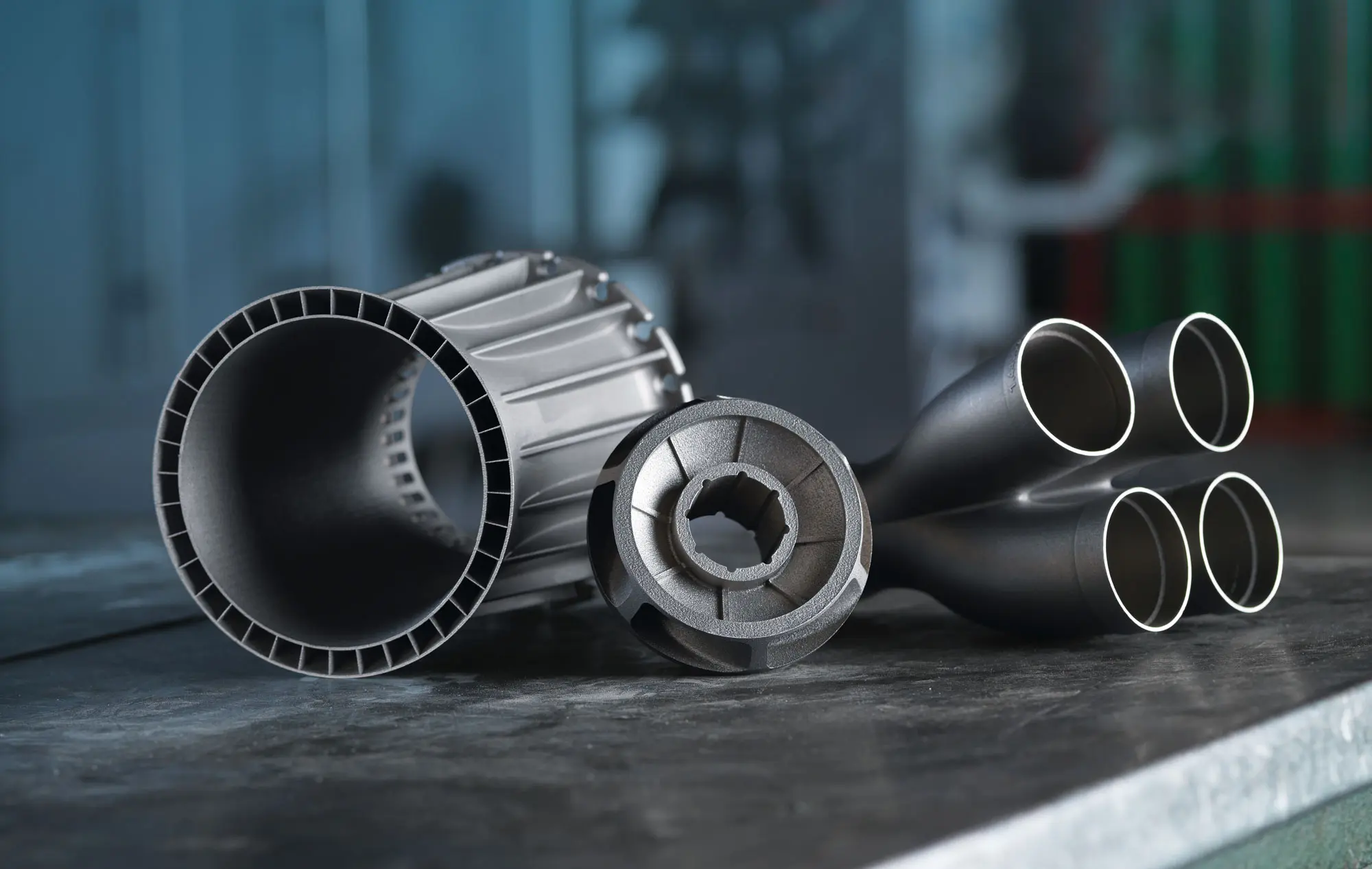
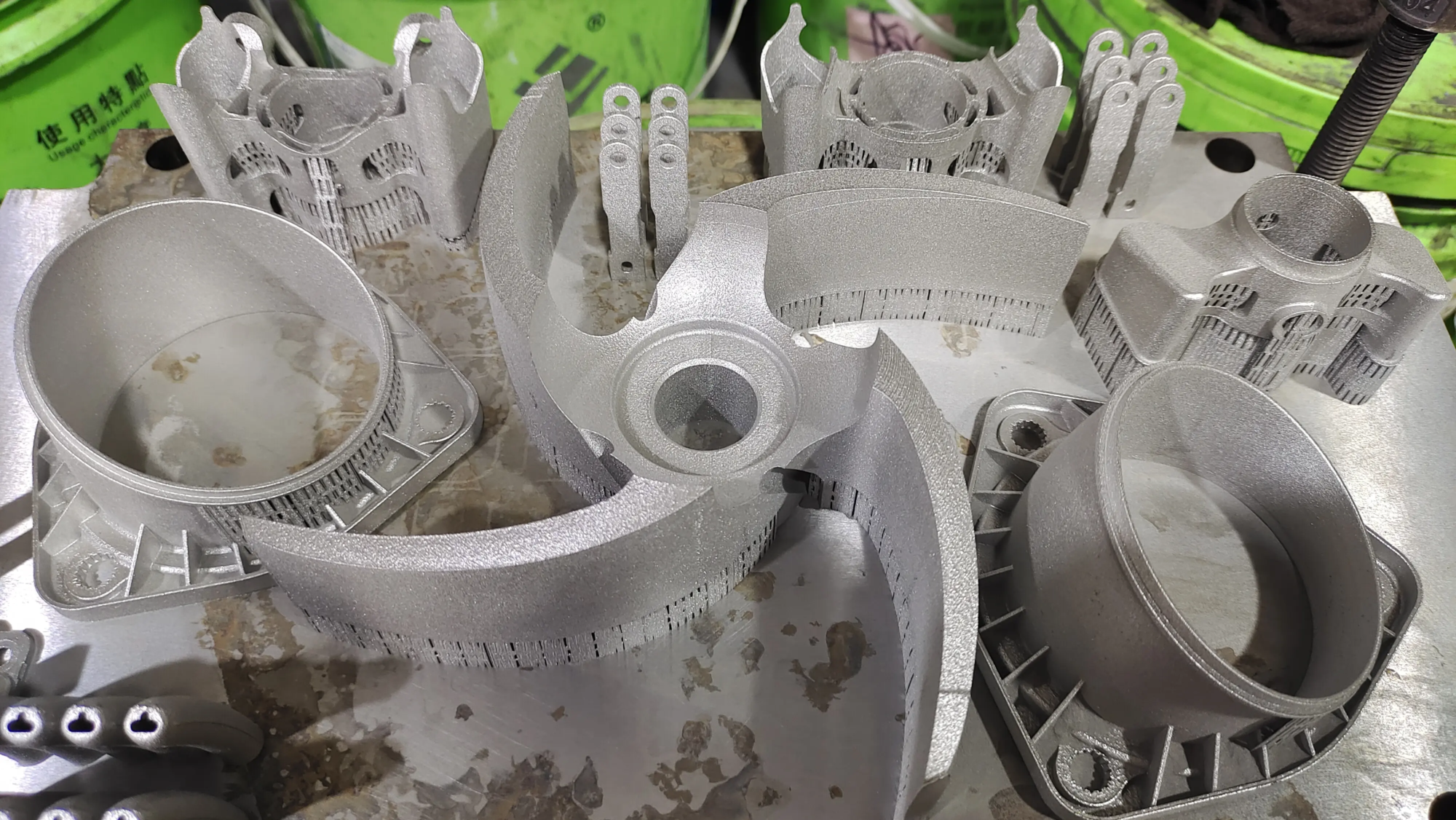
The humble gecko has been defying gravity for thousands of years. Its ability to effortlessly climb vertical walls and ceilings without leaving any residue or energy-consuming mechanisms fascinates scientists and engineers alike. This miracle is not magic; It’s physics, harnessed by the millions of microscopic structures on your toes. Now, thanks to cutting-edge technology 3D printingespecially advanced metal technologies such as Selective Laser Melting (SLM)we are witnessing a breakthrough revolution: robot adhesion. This bionic breakthrough promises transformative applications from robotics to space exploration and medicine.
Deciphering the gecko’s superpowers: VanderWaal in action
Unlike suckers or hooks, geckos rely on weak intermolecular forces called van der Waals forces. Their feet are covered with complex layers of structure:
- bristle: Tiny hair-like filaments (about 100 microns wide).
- spatula: Each seta has hundreds of nanoscale pads (approximately 200 nanometers wide), maximizing surface contact.
When these spatulas come into close contact with a surface, even one with a smooth surface, the accumulated van der Waals forces at billions of contact points create tremendous bond strength No sticky substance And the energy consumption is negligible. The adhesion is:
- direction: The shear force is strong (pull parallel to the surface) and the tensile force is weak (vertical peeling).
- Reversible: Detachment involves simply changing the angle of the foot, breaking contact.
- Surface agnosticism: Works reliably on a variety of dry, smooth materials (glass, metal, plastic) without the need for specific materials or vacuums.
Challenge: Fabricating Nature’s Nanoscale Complexity
For decades, faithfully replicating the gecko’s complex layered, multi-scale structure with durable, functional synthetic materials has proven difficult. Traditional manufacturing techniques reach their limits when attempting micron- and sub-micron-scale geometries with controlled compliance and elasticity.
Enter Advanced 3D Printing: The Enablers of Robo-Adhesion
SLM 3D printing has become the key technology to achieve this breakthrough. Here’s why:
- Unparalleled geometric freedom: SLM uses laser-melted metal powder to build complex shapes layer by layer. This allows engineers to directly translate biological blueprints—refined into complex meshes, angled pillars, and membrane-like layers—into functional synthetic adhesives that would be impossible to achieve through machining or shaping.
- Material Versatility and Strength: SLM can use strong metals such as stainless steel, titanium alloys or nickel superalloys or advanced polymers designed for specific properties such as stiffness in the right direction or controlled deformation. This is critical to creating a durable structure that can withstand repeated attachment/disassembly cycles and harsh environments.
- Microscopic precision: Modern SLM systems achieve astonishing resolutions, reliably producing features on the scale of tens of microns – directly competing with the size of natural gecko setae. Precise control of tip geometry and density is fundamental to optimized bonding performance.
- Scalability and iteration: rapid prototyping is inherent to additive manufacturing. Designs can be iterated quickly—testing changes in tip shape, spacing, aspect ratio, and layered layout—significantly accelerating the development cycle for optimizing adhesive patches.
Beyond simple sticky pads: Unleashing innovation
SLM-based manufacturing has pushed robotic adhesion beyond basic replicas:
- Directionality and switching: Designs feature angled posts or asymmetric spatula geometries that inherently create stronger shear adhesion than tensile forces, mimicking the directional grip of a gecko. The advanced design even allows for dynamic switching using mechanisms like tendon-driven tilt.
- Enhanced durability: Metal-based structures printed via SLM have superior wear resistance and longevity compared to pure polymer versions, which is crucial for industrial robotics or extraterrestrial applications.
- Shape memory alloy (SMA): Printing with SMA allows structures to change shape when heated/cooled or electrically stimulated. Imagine an adhesive pad that actively adapts to surface roughness for better contact on demandor stimulus-triggered grasp/release.
- Integrated sensors and electronics: Macro/micro structuring capabilities allow sensing elements (e.g. force, temperature) to be embedded within the adhesive pad itself for smarter feedback controlled attachment systems.
Application: Where will Robo-Adhesion take us?
Its impact spans multiple areas:
- Climbing and inspecting the robot: Wall-climbing robots for warehouse inventory, building facade inspection (construction/wind turbines). SLM produces brake pads that can withstand weight and wear better.
- manufacturing: Grippers for robotic arms to manipulate smooth, delicate or fragile objects (electronic components) without leaving residue. Gentle, reusable clamps effectively treat polished surfaces.
- Space exploration: Reposition satellite components inside/outside the aircraft in zero gravity without destructive mechanisms/magnets. Grasping tool for use by robotic lunar/martian explorers on dusty, uneven terrain.
- drug: Potentially revolutionary surgical tools: clamps to manipulate internal organs without harmful traction sutures/clamps; endoscopic devices to precisely secure tissue; smart drug delivery patches to secure to moving organs.
- Wearable technology: Mount equipment (camera, AR/VR equipment) safely and comfortably without strap slippage – metal reinforced pads provide lightweight durability.
The future: stickier, smarter and more adaptable
Research is exploding. Key frontiers include:
- Adaptive adhesive for rough/dirty surfaces: Mimic a gecko’s self-cleaning ability or ability to adapt to rough textures.
- Biomimetic composite materials: Combining metal printed via SLM with polymers or elastomers injected in post-processing creates hybrid systems that combine strength and compliance.
- Active sensing and control: Fully integrated smart adhesive skin dynamically controls grip based on sensor feedback.
- Large-scale production: Cost-effectively scale SLM processes for a wide range of industrial applications.
The critical role of precision rapid prototyping
Turning the promise of robotic adhesion into reality requires unparalleled manufacturing flexibility and precision. This is the special place rapid prototyping Ability becomes indispensable:
- Iterative design: Quickly change microgeometry (pillar spacing, tip design, layering) based on performance test results – critical