Stop Losing Glasses: Making the Final Custom 3D Printed Glasses Frame
We all went through outrageous moments: patting our pockets, scanning the desktop, and tracing the steps – "Where are my glasses?" If you are someone with glasses, it’s more than just inconvenience. This is a daily struggle against dislocation. Forget fragile store buying solutions or expensive designer booths. The key to staying organized is revolutionary, personal and very accessible things: 3D printing your own custom glasses holder.
It’s not just hiding your specifications. It’s about creating functional artwork that perfectly tailors your desk aesthetics, frames and unique needs. Let’s look at why this DIY project is a game-changer and how to step on it on your own.
Why 3D printing is supreme for personal organizations
Traditional glasses holders often suffer from universal design, dubious durability or uncomfortable mounting your specific frames. 3D printing limits these limitations:
- Unlimited customization: Design a stand that perfectly adapts to the width and thickness of the glasses. Add personalized text (your name, favorite quote), unique shapes (animals, characters, abstract forms) or integrated features such as headphone hooks or phone docks.
- Perfect for any space: Your nightstand needs a minimalist stall for a clunky holder for the seminar or a low-key dock under the monitor? Design it to fit the exact location you want.
- Durability fits in style: From powerful plastics that can be used for everyday use, such as PLA+ (eco-friendly and strong), add chemical and heat-resistant PET, and even explore advanced composites for a premium feel. Get the perfect color or finish.
- Cost-effective and beneficial: Printing your own design costs significantly less than buying alternatives for high quality. Plus, the satisfaction level of using the work you create is unparalleled.
Your DIY journey: From design to display
Ready to create it? Here is a roadmap:
-
conceptualization: What is your vision?
- style: Smooth modern lines? Organic curve? Theme fun (think bookend, mini monument)?
- Function: soloist? Double pile? Integrated chamber for cleaning cloth or micro screws?
- compatibility: make sure "Coat hanger" Partially comfortable keeping your specific frame arms without bending or sliding easily. Consider frameless with thick acetate frames.
- constraint: Measure the space it will take up. Define maximum length, width, height. Ensure basic stability.
-
Design time:
- Easy to start: Free CAD tools Tinkercad (Browser-based, intuitive) Ideal for beginners. Design a stable base and raised arms with suitable hook geometry.
- Utilize the community: Platform likes Thingiverse,,,,, cults3dor prusaprinters Offers thousands of freely tested glasses frame designs. Search keywords similar "Glasses frame," "Wonder holder," "Desktop organizer glasses." If you know how, adjust the downloaded design.
- Advanced CAD: For complex integrations (phone stand, USB hub cutout), use Fusion 360,,,,, freecador mixer (Longer learning curve, huge power).
-
Material matter: Select your silk
- PLA: Excellent starting point. Width range, easy to print and recyclable. Best for: Interior racks, decorations. Avoid direct heat/car interior.
- PETG: Stronger, more durable, better heat and water resistance than PLA. Good influence. Best for: The holder needs additional flexibility, workshop, bathroom. More flexible than PLA.
- ASA/ABS: Higher UV and weather resistance. Ideal for outdoor or harsh environments. A printer with a wall is required and good ventilation is caused by smoke.
- (Ambition!): Explore advanced materials with professionals: Consider materials such as glass or mineral polymers, and even metal materials printed by services such as Greatlight and weight.
-
Slicing and printing is like a pro:
- Slicer software: Load the model (usually an STL or 3MF file) into a slicer such as Ultimaker Cura, Prusaslicer, or Simplify3D.
- Key settings:
- Layer height: 0.15mm -0.2mm, can maintain good balance of details and strength in time. Lower heights are smoother.
- Fill density: 20-30% is usually enough. Heavy duty demand is high (40-50%). Choose patterns like abilities or grids to get strength.
- Perimeter/Wall: 3-4 walls are robust.
- support: For obvious overhangs (such as fancy bent hooks) required. If the slicer provides reduced material waste, use tree support.
- Edge/raft: Use edges (thin layers around the first layer) to make small contact areas to improve bed adhesion.
- Complete touch (Professional Advantage):
- Post-processing: Cleanly remove the support. Sand to maintain smoothness (start coarse sand, move to fine gravel 220+). Fill the line if needed. Clean thoroughly.
- Painting and Starting: Use spray primers designed for plastic. Apply a few coats of acrylic spray paint. Sealed with a clear jacket for protection and gloss.
- Why stop here? Improve industrial quality: Those seeking absolutely flawless, professional finishes, durable metal constructions or complex designs that go beyond consumer printer functions can take advantage of such Great.
GRESTLIGHT: Your partner in custom 3D printing solutions
Designing custom-made 3D printed glasses holders embody the power of rapid prototyping – the rapid iterative idea for tangible functional objects. Greatlight has expertise and advanced hardware to further realize your ambitions:
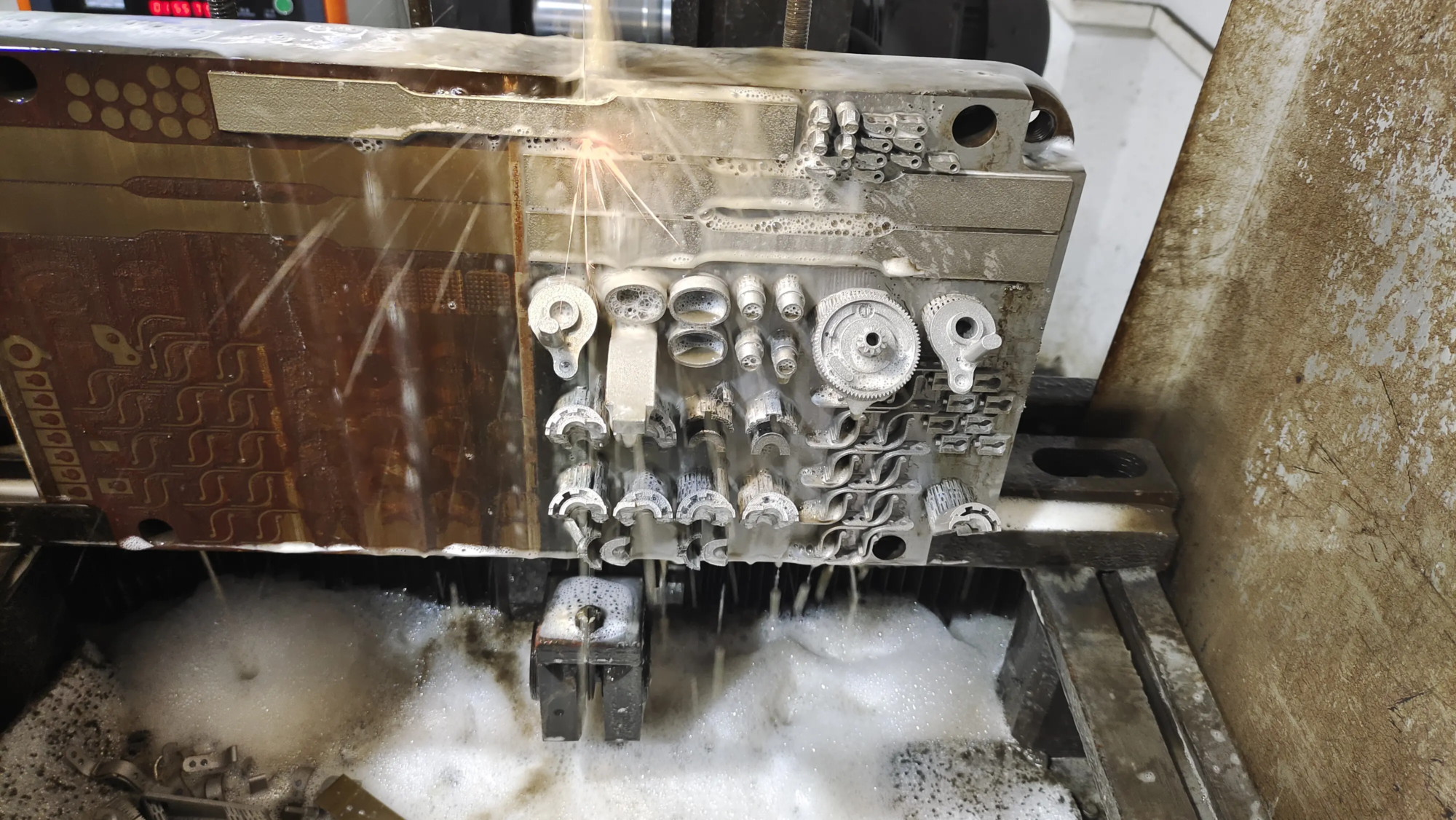
- Industrial grade metal printing: Utilize advanced Selective laser melting (SLM) Technology, Greatlight can make your glasses frame designs from solid metal, such as stainless steel, aluminum alloy or titanium. Imagine the final heirloom piece with incredible durability and stunning metal finish that can resist corrosion in any environment.
- Unrivaled customization and precision: Beyond basic plastic. Create brackets with complex hollow structures, complex integrated features or multiple assembled parts with perfect tolerances. Greatlight’s precise machining ensures that every detail is captured perfectly.
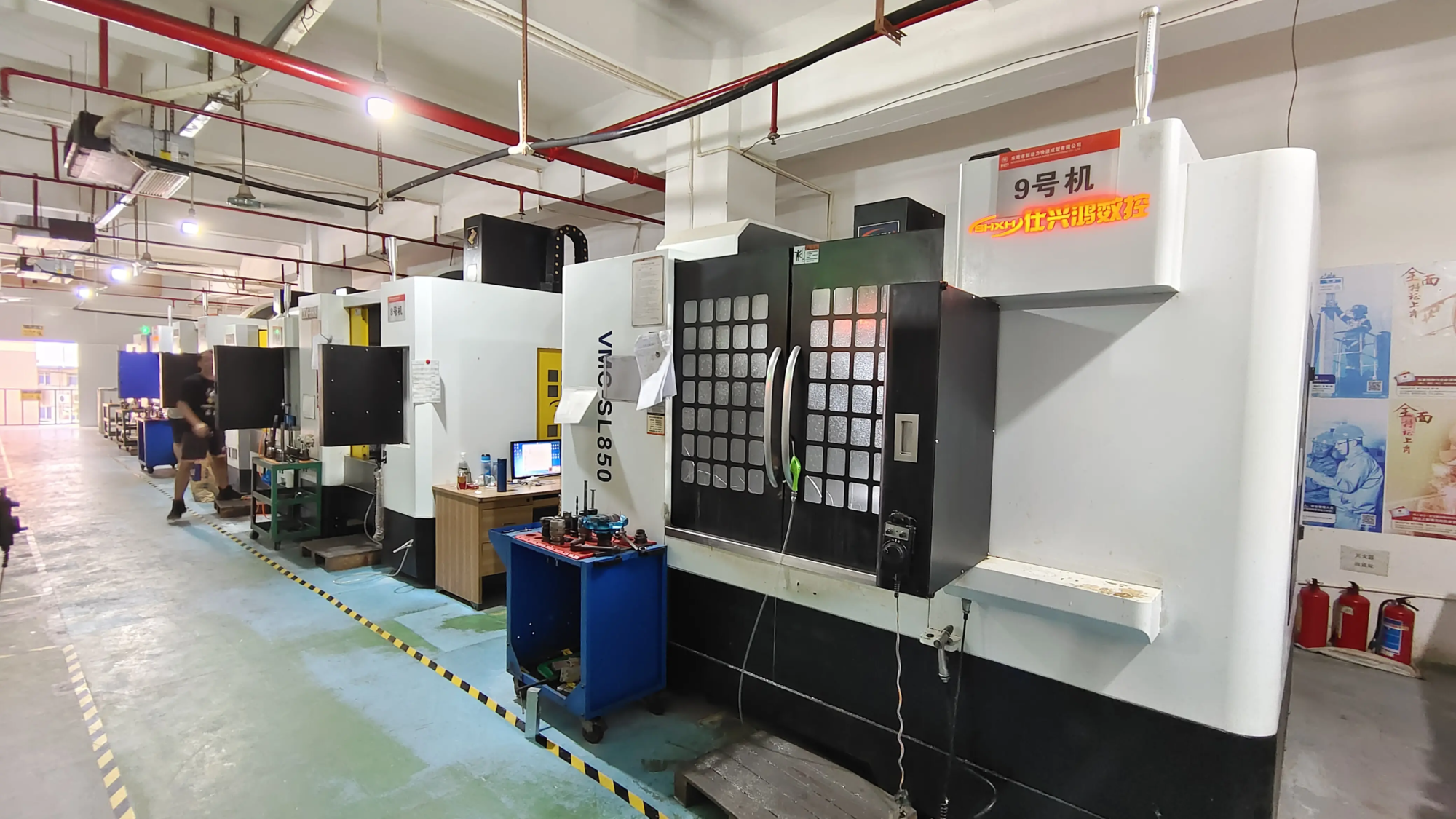
- Comprehensive post-processing: Really complete your role: expert support, professional tumbling/polishing, meticulously polished, precisely machining, suitable for critical, durable anodizing, plating or painting for the ultimate beauty. Consumer FDM printers fail to achieve surface quality, which is perfectly smooth and visually striking.
- True rapid prototyping expertise: As one of China’s leading rapid prototyping companies, Greatlight specializes in solving rapid challenges of complex metal parts. Need a production part for functional prototypes or end-use? They offer one-stop solutions from digital models to final products.
- Material selection is important: Choose the ideal metal or engineered plastic grade for the specific requirements of the holder – strength, weight, temperature resistance or biocompatibility.
- Quality and speed: Manufactured with a competitive price and the fastest turnaround time, custom prototypes or the highest standards.
Whether you’re a business that makes a unique gift or a business exploring innovative design solutions, Greglight bridges the gap between digital concepts and durable, high-precision reality. [Explore GreatLight’s capabilities and request your free quote for custom precision parts today!]
Conclusion: Organize your world, customize prints at once
The simple solution to losing glasses doesn’t yell on the sofa cushion. It is embracing personal fabrication. 3D printing enables you to design, create and own a glasses that are not only containers, but are perfect for your life. The process is accessible and very meaningful. For those seeking masterpiece effects, material sophistication or complex designs, leveraging professional rapid prototyping services such as Greatlight opens up a truly outstanding world of possibilities. Give up frustration, unleash your creativity, and start a printing organization that really suits you.
FAQ (FAQ)
-
What is the easiest way to start 3D printed glasses?
First explore free design on platforms like Thingiverse or Prusaprinters. Download the STL file and send it to the slicer program. Using reliable PLA filaments and standard print settings is the easiest way to use.
-
How strong does a 3D printed glasses mount need to be?
Brackets holding typical plastic or metal frame glass usually use good fillers (20-30%) with PLA or PETG. If your frame is oversized, place it frequently or want extra life, choose PETG or higher padding. Major frame damage that requires repair usually comes from poor design (thin parts) rather than normal material strength limitations.
-
How to clean and maintain my 3D printing holder?
Avoid harsh chemicals or soaking. Wipe with a damp microfiber cloth, or use mild soapy water and dry thoroughly. A clear jacket helps protect the printed surface from oil/fingerprints.
-
Where can I learn the basics of 3D modeling?
YouTube offers countless tutorials for Tinkercad (beginner friendly) and Fusion 360. The manufacturer community (such as Prusa or Ultimaker forum) also has great resources and examples.
-
I don’t have a 3D printer. Can I make one more?
Absolutely! Many libraries, maker spaces and universities offer public 3D printer access. Additionally, reputable online services will print and ship files of your choice. For advanced metal or complex prototypes, professional services such as Greatlight offer tailored solutions for design documents.
-
Why choose metal printing as glasses frame?
Metal Printing (SLM) offers unparalleled durability, amazing aesthetics, particularity to heat/corrosion and important "A luxurious feeling." It is perfect for providing statements of furniture or harsh environments.
- Can Greatlight be printed directly from my CAD file?
Yes! Greatlight accepts common 3D design file formats such as STEP, STL, and OBJ as the starting point for your project. They provide expert consultation on manufacturing, material selection, finishing and exact realistic quotes upon submission.