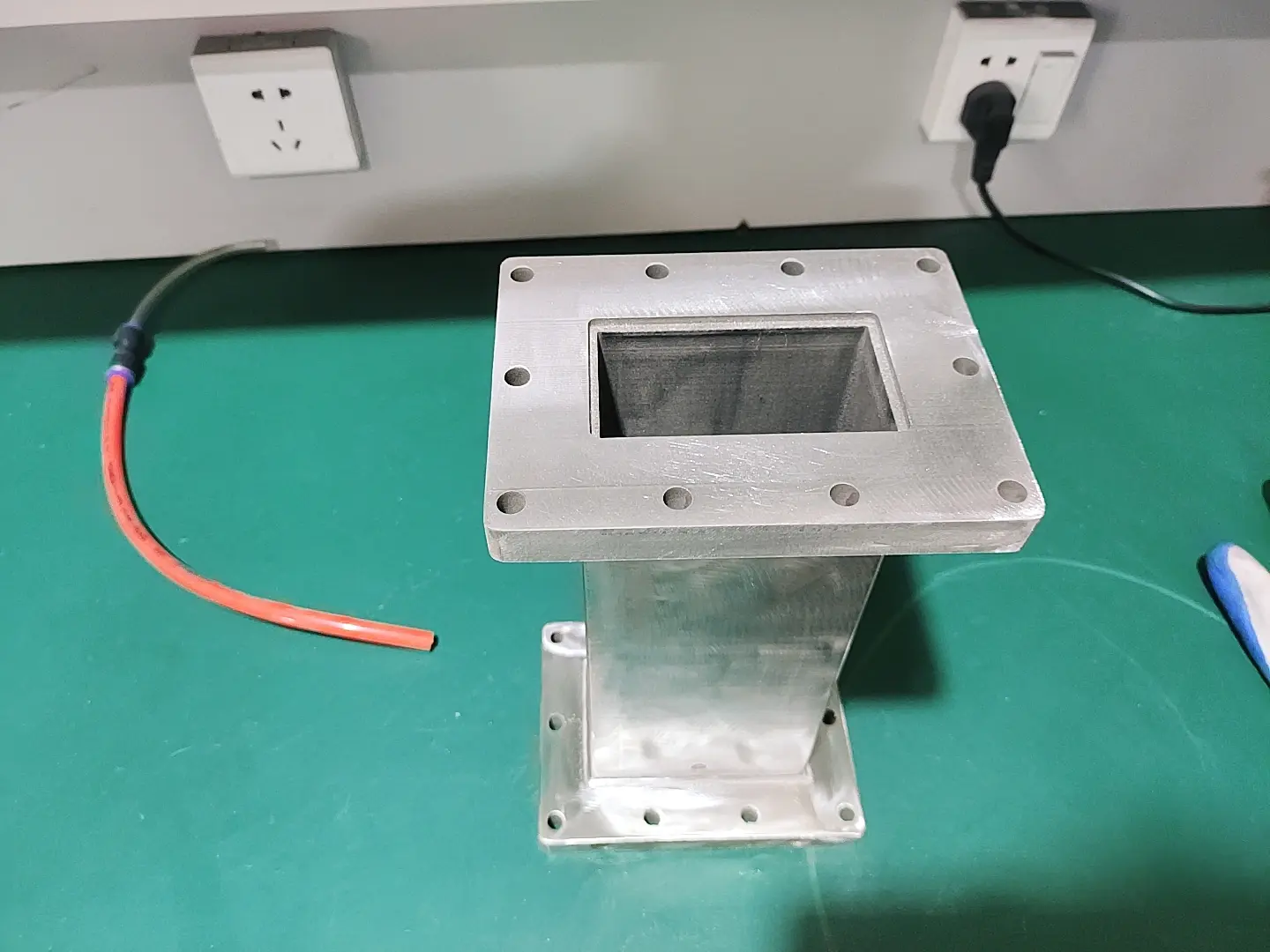
introduce
The democratization of 3D printing has unlocked huge potential in industries ranging from aerospace to healthcare. However, with great power comes great responsibility. Recent discussions surrounding printable guns, particularly grenade launchers, have highlighted dark applications for the technology. As a professional in the field of rapid prototyping, my goal is to dissect this complex issue with technical rigor while emphasizing ethical manufacturing. prospects "download" Lethal weapons are shocking, but understanding the reality (technical, legal, and practical) is critical to informed dialogue.
emerging threat landscape
The grenade launcher represents a serious upgrade from 3D printed weapons. Unlike simple plastic guns, these devices involve explosive propulsion systems that require extremely high mechanical resilience. Designs for components like receivers or trigger groups occasionally pop up in the dark corners of the internet, but successful builds are rare and dangerous. notorious "Shuti" This project showcases a partially printed 40mm transmitter, but it relies heavily on commercial parts and industrial-grade metal fabrication – well beyond the capabilities of casual DIYers. The threat is not mass production but rather personalized, untraceable devices that evade traditional controls, potentially enabling malicious actors in localized scenarios.
Technical Feasibility: Why Grenade Launchers Push the Limits
Creating a functional grenade launcher via 3D printing is not like making a decorative vase. Let’s break down the barriers:
-
Material science limitations:
Grenade launchers must withstand more than 5,000 PSI when fired. Common thermoplastics used in desktop FDM printers, such as PLA or ABS, lack the tensile strength and thermal stability to withstand such forces. Even high-performance polymers such as PEEK often fail under stress cycling. Metal 3D printing—particularly selective laser melting (SLM)—can achieve desired densities, but parts are still prone to microcracks and voids if not accurately calibrated. Post-processing such as hot isostatic pressing (HIP) is non-negotiable for stress homogenization, a layer of service unavailable to amateurs. -
Design and verification complexity:
Critical components such as chamber tubes or breech require micron-level precision to ensure gas sealing and alignment. Simulating explosion dynamics requires advanced finite element analysis software, and real-world testing can result in catastrophic failure (e.g., fragmentation). Most amateur designs lack these protections, which can result in fire or rupture, posing a fatal risk to the user. - Assembly and Ammo Challenges:
Grenade grenades contain controlled explosive compounds and cannot be printed. For civilians, legally procuring these items is nearly impossible. Even if the printed parts assemble correctly, integrating them with ammunition requires ballistics expertise that is lacking in open source blueprints.
Legal and moral quagmire
Globally, laws such as the U.S. Undetectable Firearms Act prohibit the production of undetectable firearms. However, grenade launchers face tighter controls:
- international treaty: Governed by arms trafficking agreements (such as the Arms Trade Treaty), their manufacture often requires a license.
- Platform Responsibility: File-sharing sites are increasingly removing weapon blueprints, but decentralized platforms circumvent this.
- enforcement gap: Law enforcement is working to respond "ghost gun," But the complexity of grenade launchers adds layers of investigation, such as tracking precursor materials.
Ethically, manufacturers and service providers must balance innovation with harm prevention. At GreatLight, we enforce strict protocols: all projects are vetted for legality, and weapons-related requests (even prototypes) are flatly rejected.
Industry Responsibilities and Mitigation Strategies
Rapid prototyping companies play a key role in curbing abuse. Our approach is as follows:
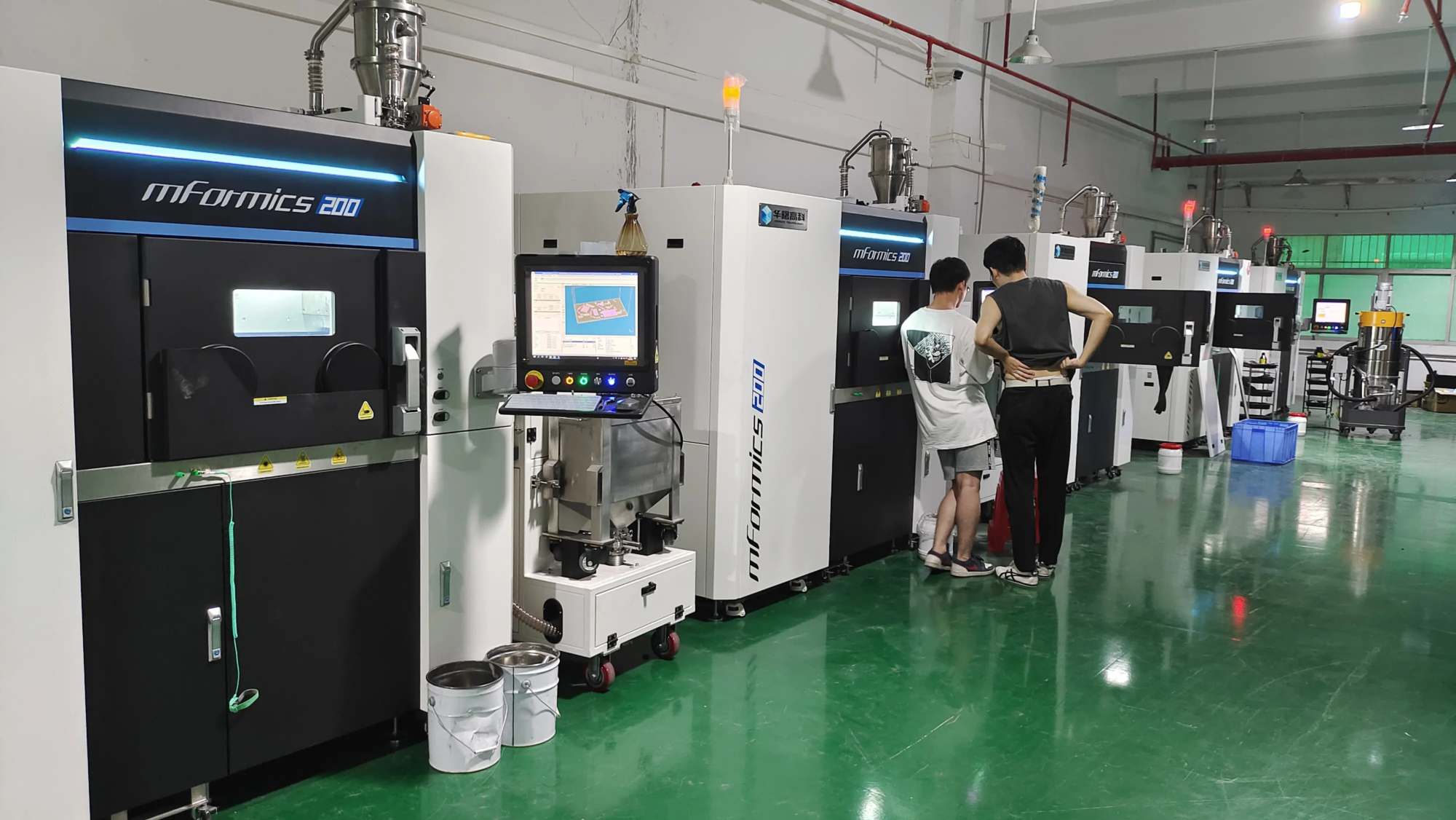
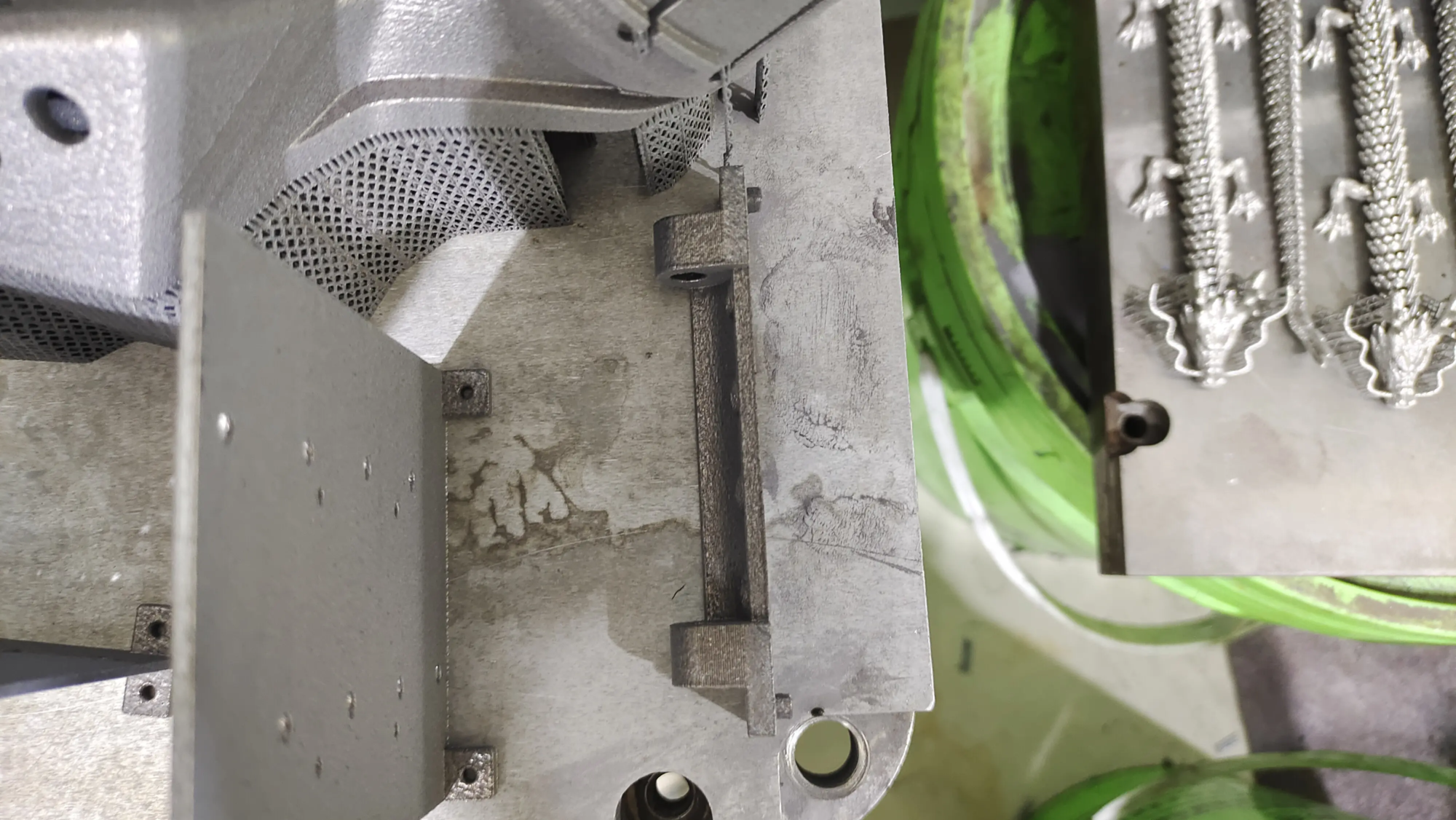
- Materials and Process Control: Our SLM 3D printers support aerospace-grade alloys (such as titanium or Inconel) with isotropic strength through HIP and CNC post-processing. These features are reserved for compliant industries like automotive or orthopedics, not weapons.
- digital vigilance: We monitor submissions for red flags (such as pressure vessel designs) and work with authorities to address suspicious activity.
- education advocacy: Including Greatlightrgp.com, we champion use cases that advance society through workshops and content, such as biodegradable implants.
in conclusion
While sensational headlines suggest the grenade launcher may be "Print like a toy," The reality is fraught with technical impracticality and severe legal consequences. Metal 3D printing can achieve extraordinary things, but replicating military-grade hardware requires industrial resources well beyond the reach of consumers. Crucially, the narrative should shift toward solution building: How can we use this technology to advance human progress while strengthening safeguards? At GreatLight, we believe in strong ethics, unparalleled quality, and innovation that heals, not hurts. Industry and society can work together to guide 3D printing to reach its fullest potential.
FAQ
Q1: Can someone actually 3D print a working grenade launcher at home?
Answer: Is it technically feasible? only. Is it practical? Almost never. Desktop printers lack the precision and material strength needed for high-pressure systems. Production relies on industrial metal additive manufacturing, reprocessing, and regulated munitions, making functional builds nearly impossible and extremely dangerous for untrained individuals.
Q2: Are metal 3D printed parts strong enough for this type of application?
A: Industrial SLM printed metals (such as stainless steel 316L or titanium) can be comparable to forged parts after processing such as HIP. However, in addition to material strength, grenade launchers require specific certification and testing. Unsupervised attempts may result in breakage due to residual stresses or design flaws.
Q3: Is 3D printing weapon parts legal?
A: Most countries ban undetectable or unregistered firearms. Grenade launchers are subject to stricter military weapons regulations and require a license. Distributing or producing blueprints would violate the laws of jurisdictions such as the European Union or the United States
Q4: How does GreatLight ensure that its services are not abused?
A: We require project compliance reviews and utilize AI-driven screening of high-risk geometries. Our terms explicitly prohibit weapons development, and we work with regulators around the world to uphold standards.
Q5: Can 3D printing be actively used in the defense or security field?
Answer: Of course. Ethically speaking, additive manufacturing can accelerate the prototyping of defense equipment, such as drone parts or armored vehicle components, under licensing schemes. GreatLight supports such initiatives through traceable, audited workflows.
Q6: What is the biggest risk of printing grenade launchers?
Answer: User safety. Poorly printed parts can fail catastrophically during firing, resulting in injury or death from shrapnel. this "Comfortable" of access misunderstands the expertise required to operate safely.
For responsible rapid prototyping solutions, explore our capabilities supported by an ISO certified process on GreatLight’s Services Portal. Let us build the future safely.